
Gifting a money box to a child is more than just offering a storage container for coins; it is an invitation to build lifelong financial habits. In Singapore, where celebrations range from traditional cultural festivals to modern birthday parties, the right choice depends heavily on the specific occasion, the child’s age, and the cultural expectations of the family. By aligning the design, material, and functionality of the money box with the event, you can turn a simple present into a meaningful keepsake or an engaging educational tool.
Choosing a Money Box for Chinese New Year and Cultural Celebrations
During Chinese New Year, gifting is deeply intertwined with wishes of prosperity, good fortune, and growth. A money box selected for this festive season should ideally reflect these traditional values through its visual design and practical features. Auspicious colors like vibrant red and shimmering gold are highly appropriate, as they symbolize luck and wealth in Chinese culture. Traditional motifs, such as the current zodiac animal, wealth pots, or classic coin patterns, add a layer of cultural significance that resonates with older relatives and parents alike.
When choosing a money box for this occasion, consider how it interacts with the local custom of giving ang baos (red packets). A money box with a wide, flat slot is highly practical, allowing children to insert folded red packets or cash notes directly without tearing the paper or jamming the opening. Some modern designs even feature integrated envelope holders or wider compartments specifically designed to accommodate these festive red packets.
Products mentioned in this guide
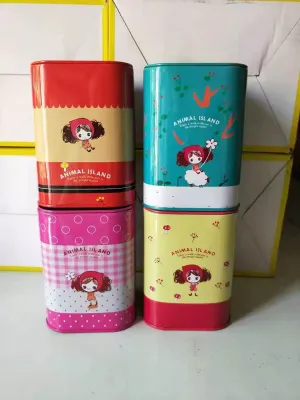
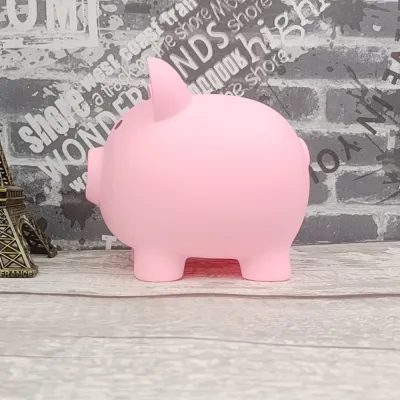
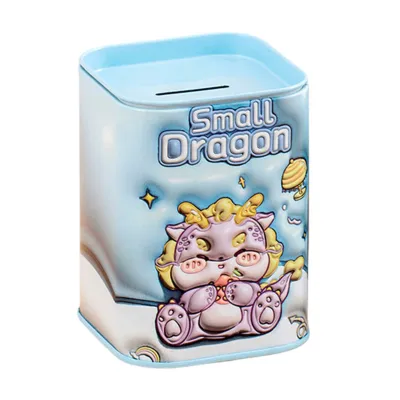
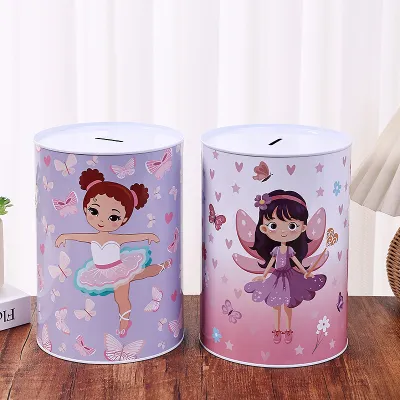
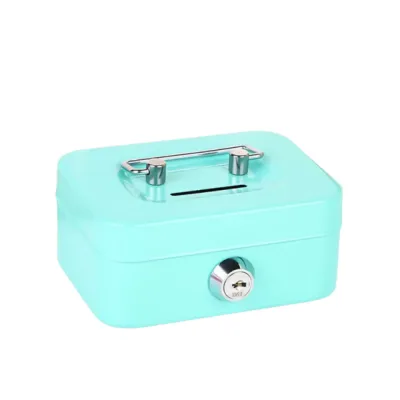
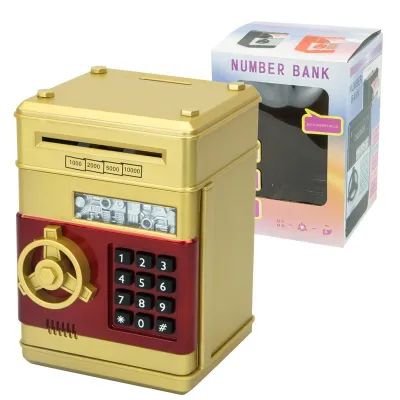
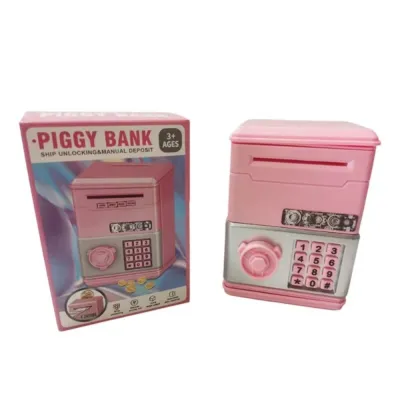
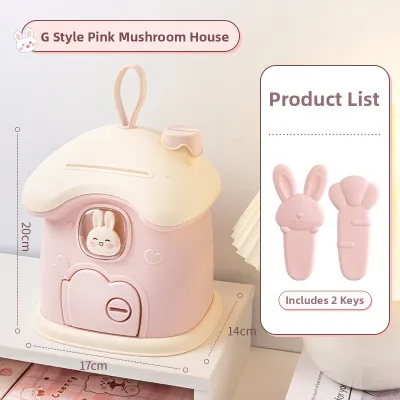
Prices are valid at publication and may change. Please refer to the product page for the latest price.
While traditional aesthetics are important, it is crucial to check that any symbols or characters used are culturally appropriate and carry positive meanings. Avoid designs with inauspicious imagery or numbers associated with bad luck. At the same time, try to find a balance between traditional motifs and the child’s personal taste. A money box that is too ornate or strictly ceremonial might end up stored away in a cupboard, whereas a design that blends traditional elements with a modern, child-friendly aesthetic is more likely to remain on display and be used for daily saving throughout the year.
Selecting a Money Box for Birthdays and Personal Milestones
Birthdays and personal milestones, such as starting primary school, represent individual achievements and personal growth. For these occasions, the gift should focus on the child’s unique personality, current hobbies, and developmental stage. Prioritizing their favorite themes—whether that involves outer space, dinosaurs, marine life, or specific color palettes—makes the money box feel uniquely tailored to them, transforming a practical item into a cherished personal possession.

To encourage active saving habits, look for interactive or gamified designs that turn saving into an engaging activity. Puzzle boxes that require solving a simple maze to retrieve coins, mechanical banks where an animal “steals” the coin, or transparent maze banks can capture a child’s imagination. These interactive elements make the physical act of depositing money exciting, reinforcing positive financial behaviors through play.
However, when selecting these interactive designs, always verify their age appropriateness. Complex mechanical parts or puzzle mechanisms can frustrate younger children if they require too much manual dexterity. For older children, these challenges are engaging, but for toddlers, they can quickly become a source of frustration or even a safety hazard if small parts detach.
Additionally, evaluate whether the design supports short-term saving goals. A money box with a transparent window or a clear acrylic side allows the child to watch their savings grow visually. This visual feedback is highly motivating for children working toward a specific birthday wish, such as saving up for a new book, a small toy, or a stationery set, as they can literally see their progress day by day.
Picking a Keepsake Money Box for Baby Showers and Children's Day
Baby showers, full-month celebrations, and Children’s Day are milestones where gifts are often chosen with long-term sentimental value in mind. For very young children and infants, a money box serves less as an immediate educational tool and more as a commemorative keepsake that will grow with them. In these scenarios, the focus shifts toward durable, high-quality materials that can stand the test of time and serve as beautiful nursery decor.
Materials such as polished pewter, high-grade ceramic, or solid, sustainably sourced wood are excellent choices for keepsake gifts. These materials have a classic, timeless appeal and are sturdy enough to be displayed on a nursery shelf for years. To elevate the sentimental value, look for options that allow for personalization, such as engraved nameplates, spaces to write birth dates, or milestone markers where parents can record early achievements.
Safety remains paramount when gifting to infants and toddlers, even if the item is initially intended for display. Ensure the money box meets strict safety standards, featuring non-toxic finishes, smooth rounded edges, and no fragile components that could easily shatter if accidentally knocked over. Brittle glass or thin ceramic should be avoided if the item is likely to be placed within a child’s reach.
Finally, consider the physical footprint of the money box. In Singapore, where residential space in HDB flats or apartments is often carefully managed, a compact yet elegant design is usually preferred. A moderately sized keepsake that fits comfortably on a standard bookshelf or bedside table is much more practical than an oversized novelty item that takes up valuable space.
Key Features to Check Before Gifting a Money Box
Before finalizing your purchase, running through a practical checklist ensures the money box is safe, functional, and suitable for the recipient’s home environment.
Safety and Materials
Always verify that the money box is made from non-toxic, lead-free materials, especially if it is intended for younger children who might put items in their mouths. Check the manufacturer’s age recommendations and inspect the product for smooth, rounded edges. Ensure there are no small, detachable parts—such as loose keys, small rubber stoppers, or decorative elements—that could pose a choking hazard to toddlers.
Access and Retrieval
The way a child retrieves their saved money is just as important as how they deposit it. Evaluate the opening mechanism, which can range from simple rubber plugs at the bottom to key locks, combination dials, or digital PIN pads. For younger children, a simple, flexible rubber stopper is ideal because it allows easy access without frustration. For older kids, a key lock or a password-protected mechanism adds an exciting layer of privacy and security, making them feel like they have their own personal safe.
Capacity and Size
Consider where the money box will be kept and how much it can hold. A box that is too small will fill up too quickly, potentially discouraging continued saving once it is full. Conversely, an excessively large money box can take a long time to fill, which might make the child feel like they are not making progress. Choose a size that fits comfortably on a study desk or shelf while offering enough volume to hold a reasonable amount of local coins and notes.
Durability and Maintenance
Children’s belongings are subject to frequent handling, drops, and spills. Assess the overall build quality to ensure the money box can withstand regular use. Materials like high-impact plastics, treated wood, or sturdy metal are highly durable. Additionally, check if the surface is easy to wipe clean with a damp cloth, as matte or highly textured finishes can accumulate dust and fingerprints over time.
Practical Tips for Gifting and Presentation
To make your gift even more impactful, the way you present the money box can set the tone for the child’s saving journey. Instead of gifting an empty box, consider including a “starter fund.” Depositing a few local coins or a symbolic note, such as a S$2 or S$5 note, creates an immediate sense of excitement. The physical sound of the first coin clinking inside the box instantly demonstrates how the item works and encourages the child to add to it.
Pairing the money box with a brief, encouraging handwritten note is another thoughtful touch. You can use the note to explain the purpose of the gift in a warm, age-appropriate way, or even help them set a simple saving goal. For example, you might suggest saving up for a special treat or a favorite book, giving them a clear objective to work toward.
When wrapping the money box, choose packaging that builds anticipation while ensuring the item is well-protected. If the money box is made of ceramic or wood, use sufficient cushioning, such as bubble wrap or tissue paper, inside the gift box to prevent damage during transit. A beautifully wrapped box with a colorful ribbon makes the unwrapping experience memorable and highlights the significance of the occasion.
Frequently Asked Questions (FAQ)
Is it appropriate to give a digital or electronic money box as a traditional gift?
Yes, digital or electronic money boxes can be excellent gifts, especially for older children who enjoy technology. Features like automatic coin counters, digital balance displays, and electronic password keypads add educational value by helping kids track their savings mathematically. However, for traditional cultural events like Chinese New Year, a classic physical money box is often preferred because it highlights the tactile experience of depositing physical ang bao money. If you choose an electronic model, always check the battery requirements and ensure it carries appropriate electronic safety certifications.
How can I ensure the money box is safe for a toddler?
To ensure safety for a toddler, always check the manufacturer’s age guidelines and look for explicit choking hazard warnings. Avoid money boxes made of glass, delicate porcelain, or brittle ceramics that can shatter into sharp shards if dropped. Instead, opt for shatterproof materials like high-quality silicone, thick wood, or durable plastics. Additionally, ensure the opening mechanism does not use small keys or loose plugs that a toddler could easily swallow, and verify that all paints or finishes are certified non-toxic.

Community discussion
Share your experience or ask a question. Comments are reviewed before publication.