
Selecting your first mini watercolour kit is a pivotal step in your creative journey, balancing portability, pigment quality, and overall value. For beginners, the ideal kit is not necessarily the most expensive professional set, but rather one that provides reliable, predictable colour mixing without causing frustration. A well-designed pocket-sized set allows you to practice anywhere—from local cafes to outdoor parks—making consistency and ease of use paramount. By understanding how different brands formulate their paints and package their kits, you can make an informed decision that fits your budget and artistic goals.
In markets like Singapore, where high humidity can affect how paint behaves both in the pan and on paper, choosing the right kit involves looking closely at binder types, casing durability, and pigment grades. Beginners often face a confusing array of options, from budget-friendly student sets to premium artist-grade configurations. To navigate this landscape, you need to evaluate physical design elements, chemical compositions, and practical usability factors before committing to a purchase.
What to Look for in a Beginner Mini Watercolour Kit
The physical layout of a mini watercolour kit directly influences your painting workflow, especially when working in compact spaces. Most travel-sized kits utilise half-pans, which are small plastic cups filled with dry watercolour cakes. While full-pans offer a larger surface area for broad brushes, half-pans are the standard for mini kits because they maximise the variety of colours you can carry in a pocket-sized container. When evaluating a kit, observe whether the pans are removable or molded directly into the plastic case; removable pans allow you to customise your palette layout or replace individual colours as they run out, which is highly beneficial for long-term value.
Products mentioned in this guide
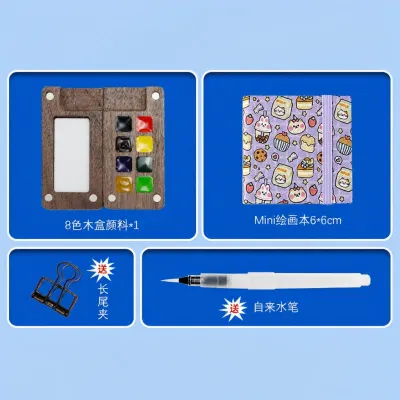
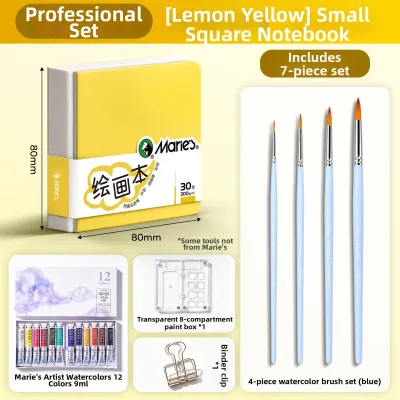
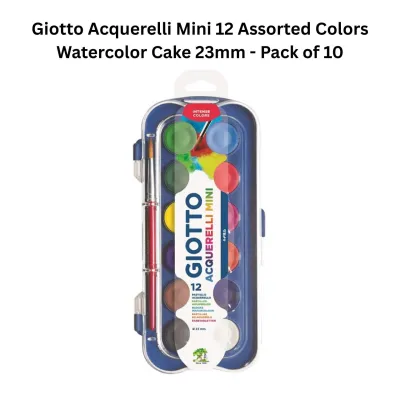
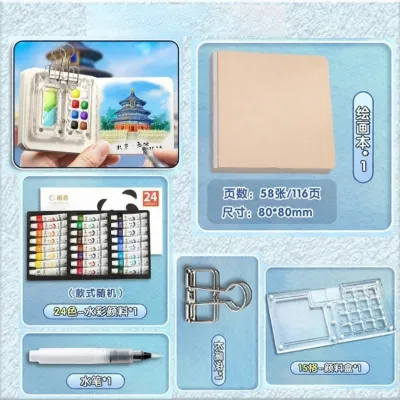
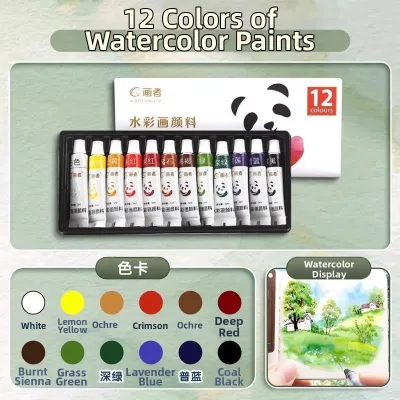
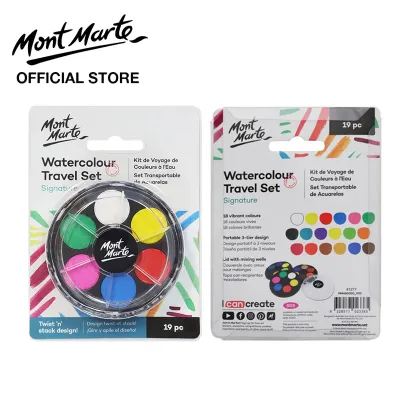
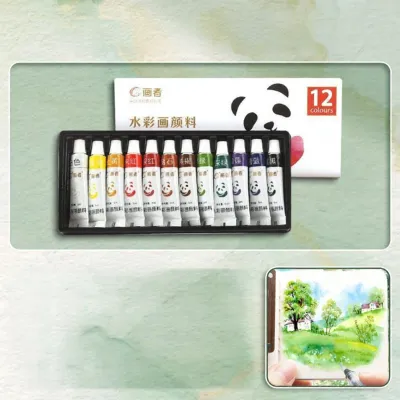
Prices are valid at publication and may change. Please refer to the product page for the latest price.
Brush compatibility is another critical factor when assessing pan sizes. If you prefer using medium to large round brushes, a half-pan can feel restrictive, requiring you to carefully dab the tip rather than swirling the bristles. To counter this, many mini kits include a compact travel brush or a water brush—a synthetic brush with a refillable water reservoir in the handle. While water brushes offer convenience for quick sketching on the go, they can release water unpredictably, making it harder to control paint-to-water ratios. Traditional short-handled pocket brushes, which fit snugly inside the kit casing, often provide better control for beginners learning basic wash techniques.
The casing material plays a vital role in protecting your paints and providing a functional workspace. Metal tin cases are highly durable and typically feature fold-out metal mixing wells. These tins are robust but can rust over time if exposed to constant moisture, a common concern in humid tropical climates. Plastic cases, on the other hand, are completely immune to rust, lighter to carry, and often feature integrated thumb rings on the bottom for secure one-handed holding while standing. However, lower-grade plastic hinges can wear out or snap with frequent use, so it is essential to inspect the clasp mechanism and hinge stability before buying.
Finally, the way the paint formulation interacts with your chosen paper determines the success of your initial washes. Mini watercolour kits are designed to be highly concentrated, but their performance is heavily dependent on the paper’s sizing and weight. Standard student-grade paints may struggle to flow smoothly on lightweight wood-pulp paper, leading to pooling or uneven drying. Pairing your paints with 300 gsm cold-pressed paper—ideally with cotton content—ensures the pigment distributes evenly without warping the page.
Understanding Pigment Grades: Student vs. Artist Mini Kits
Understanding the distinction between student-grade and artist-grade watercolour formulations is essential for managing both your budget and your expectations. Student-grade mini kits are highly accessible, often costing between S$20 and S$40. To maintain this price point, manufacturers replace expensive pigments with synthetic alternatives or blend them with inert fillers like chalk or dextrin. These fillers reduce the overall pigment concentration, which can make the paint appear slightly chalky or less vibrant when dried, particularly when you attempt to layer multiple washes.

In contrast, artist-grade mini kits focus on high pigment loads and minimal fillers, resulting in exceptional transparency, depth, and clean colour mixing. Mixing student-grade colours containing multiple hidden pigments and fillers can quickly turn muddy. Artist-grade paints, which frequently utilise single-pigment formulations, retain clarity and brilliance when blended. For a beginner, starting with a high-quality student set from a reputable manufacturer is usually sufficient for learning basic techniques, but upgrading to a small, curated artist-grade kit can dramatically improve your mixing experience once you understand colour theory.
Lightfastness is another critical metric that separates these two grades. Lightfastness refers to a pigment’s ability to resist fading or shifting colour when exposed to light over time. Manufacturers rate paints using standardised systems, such as the ASTM scale (where Category I is highly lightfast) or the Blue Wool Scale. Artist-grade kits clearly display these ratings for each individual pan, ensuring your finished artwork remains vibrant for decades. Student-grade kits may omit these ratings entirely or use proprietary star systems, making them more suitable for sketchbooks and journals rather than pieces intended for framing and display.
The binder formulation also dictates how easily the paint reactivates when touched with a wet brush. Traditional watercolours use gum arabic, a natural sap from the acacia tree, as the primary binder. Gum arabic allows the paint to dry to a hard, stable cake that rehydrates smoothly without leaving a sticky residue. Some manufacturers incorporate honey or glycerin into their binders, which prevents the paint from drying out completely and makes it incredibly easy to wet, even with a damp brush. Honey-based formulations are highly responsive but can remain slightly tacky in humid environments, meaning they require careful handling to prevent the pans from sticking to the inside lid of your kit.
Evaluating Brand Profiles and Label Specifications
When exploring the market, you will encounter distinct manufacturing philosophies that influence how watercolour kits are designed and formulated. European heritage brands are recognised for traditional manufacturing processes, relying on triple-milled pigments and pure gum arabic binders. These brands typically offer highly structured, standardised colour charts and focus on producing predictable, controllable paints that appeal to classical artists. Their mini kits often feature robust metal tins with traditional colour selections, prioritizing earth tones and classic primary colours that encourage disciplined colour mixing.
Asian manufacturers often take a different approach, incorporating honey or high-grade synthetic binders that yield vibrant, highly saturated colours. These formulations are designed to rewet instantly with minimal brush friction, making them highly popular for illustrative work, manga, and quick urban sketching. Their travel kits are often masterpieces of plastic engineering, featuring innovative water brush compartments, detachable mixing palettes, and compact configurations that fit easily into a small bag or pocket.
To make an objective decision without relying on vague marketing terms, you must learn to read the colour chart and packaging labels. Reputable paint manufacturers list the Pigment Index name on the packaging or pan wrapper. This code consists of letters and numbers, such as PB29 or PY150. If a pan label lists only a single pigment code, it is a pure single-pigment paint, which will mix cleanly with other colours. If the label lists multiple codes (e.g., PB29, PW6, and PR101), it is a “hue” or a pre-mixed convenience colour, which is more prone to turning muddy when mixed further.
To establish a practical shortlist, evaluate your specific painting conditions and habits. If you plan to paint primarily at a desk or during occasional weekend trips, a slightly larger plastic kit with ample mixing space is highly practical. If you are an active commuter or travel frequently, an ultra-compact metal tin containing 12 half-pans is often the most space-efficient choice. Set a clear budget threshold—such as S$30 for a starter student kit or S$70 for an entry-level artist kit—and use pigment transparency, single-pigment availability, and casing durability as your primary filtering criteria.
Practical Checks Before Purchasing Online or In-Store
Before finalizing your purchase, performing a few physical and visual checks can save you from receiving a defective or frustrating product. When purchasing from a physical art supply store, inspect the packaging for intact factory seals and clear batch codes. A batch code indicates structured quality control, allowing you to contact the manufacturer if you encounter a systemic issue. Avoid kits that show signs of water damage on the outer cardboard, as this suggests the paints may have been exposed to high humidity or improper storage conditions in the warehouse.
When buying online via ecommerce platforms, pay close attention to the seller’s reputation and customer feedback regarding packaging and shipping. Because dry watercolour pans are brittle, improper cushioning during transit can cause paint cakes to shatter or dislodge, creating pigment dust inside the case. Check that the product listing explicitly details the exact colours included, as some sellers swap out standard pans for cheaper alternatives or older stock. Ensure the platform offers a clear return policy for items that arrive damaged, cracked, or with missing components.
If the retailer allows you to examine an open display model or if you are testing a kit immediately after delivery, look closely at the surface of the paint cakes. High-quality watercolour pans should have a slightly matte, uniform surface without deep, gaping cracks or severe shrinkage away from the plastic walls. While minor hairline cracks are normal due to the drying process during manufacturing, deep fissures can cause the cake to crumble when wet. If possible, perform a quick solubility check by touching a damp brush to a corner of a pan; the paint should release pigment almost instantly without requiring you to scrub the surface aggressively, and it should dry on paper without leaving a shiny, sticky binder residue.
Finally, verify the return and exchange conditions of your chosen retailer before completing the transaction. Many specialized art stores offer exchange guarantees if a pan is found to have manufacturing defects, such as mold growth or complete binder separation. Keep your receipt and the original packaging intact until you have swatched every colour in the kit. Taking these precautionary steps ensures that your investment in a mini watercolour kit provides a smooth, enjoyable introduction to the medium, free from the hurdles of substandard materials.
Frequently Asked Questions (FAQ)
Can I mix student-grade and artist-grade mini watercolour kits?
Yes, you can mix student-grade and artist-grade watercolours, as both utilize water-soluble binders. However, differing binder ratios and filler contents will affect how they interact. Mixing a highly transparent artist-grade paint with a filler-heavy student-grade paint can reduce the overall transparency and vibrancy of the wash. Additionally, always check the lightfastness ratings of the student-grade paints in your mix; if you combine a highly lightfast artist pigment with a fugitive student pigment, the mixed area may fade unevenly over time. For casual sketching and practice, mixing grades is perfectly fine, but for finished artworks intended for sale or display, keeping separate palettes or using purely artist-grade paints is recommended.
How do I prevent dried-out paint in a mini watercolour kit?
Preventing damage to your mini kit requires proper post-painting maintenance. After painting, leave your kit open in a well-ventilated room to dry completely before closing the lid. Trapping moisture inside a sealed plastic or metal tin can lead to mold growth and rust, which can ruin your paints and casing. Store your kit in a cool, dry place away from direct sunlight, radiators, or extreme humidity fluctuations. If your pans become overly dry and dusty over time, you can safely rehydrate them by misting them lightly with clean water from a fine spray bottle a few minutes before you begin painting, which softens the surface without washing away the binder.
Are mini watercolour kits suitable for large-format paintings?
Mini watercolour kits are highly optimized for portability and small-scale work, making them less suitable for large-format paintings. The small size of half-pans makes it difficult to use large wash brushes, which can damage the brush bristles and make it challenging to lift enough paint quickly to cover a large area. Additionally, the mixing wells in a mini kit are typically too small to hold the volume of liquid wash required for broad backgrounds, leading to uneven drying and color matching issues. For large-format pieces, it is highly recommended to supplement your mini kit with individual tubes of paint, which allow you to mix large quantities of wet colour in a dedicated mixing tray while preserving your travel kit for plein air sketching and journaling.

Community discussion
Share your experience or ask a question. Comments are reviewed before publication.