
Selecting the right whiteboard for educational activities involves more than just finding a clean, erasable surface. When your teaching curriculum relies heavily on interactive tools like magnetic letters, numbers, or phonics tiles, the board’s magnetic receptivity becomes the most critical factor. A board with weak magnetic attraction leads to sliding letters, interrupted lessons, and student frustration, while a surface that scratches easily will quickly become difficult to clean and write on.
To support a smooth teaching experience, a highly suitable whiteboard must feature a robust steel-backed core paired with a highly durable, low-friction outer surface. This combination allows magnetic letters to cling securely to the board without slipping, while still permitting teachers and young learners to slide the letters smoothly across the surface during spelling and word-building exercises. Understanding the technical differences between whiteboard materials, frame constructions, and magnetic strengths will help you make an informed decision for your classroom, tuition centre, or home study space.
Key Features to Look for in a Teaching Whiteboard
When evaluating whiteboards for educational use, the primary specification to verify is the presence of a magnetic-receptive backing. Standard non-magnetic whiteboards are typically constructed from melamine or high-density fiberboard (HDF) with a plastic dry-erase coating. These budget-friendly options cannot hold magnetic letters because they lack any metallic content. For magnetic letters to adhere, the board must incorporate a solid sheet of steel behind or integrated within the writing surface. This steel layer acts as the receiver for the magnets embedded in your educational letters.
Products mentioned in this guide
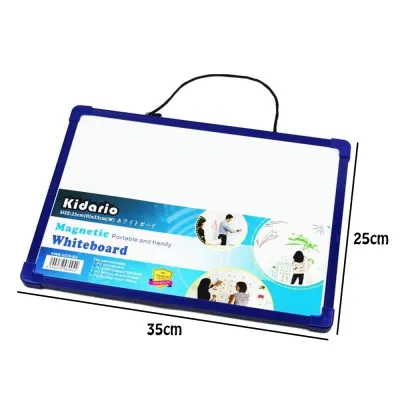
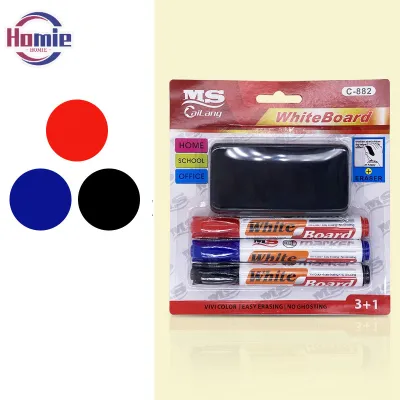
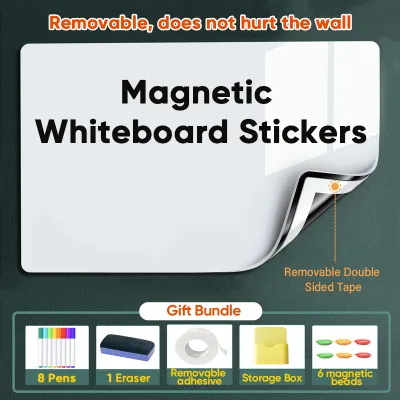
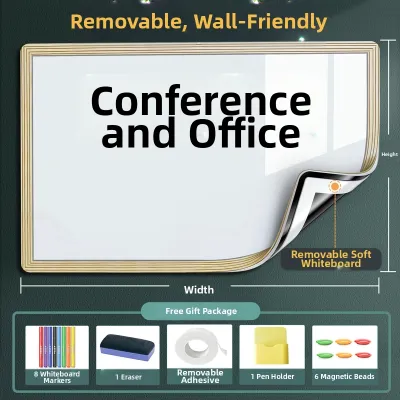
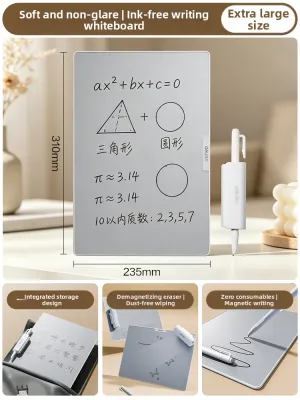
Prices are valid at publication and may change. Please refer to the product page for the latest price.
Surface smoothness is another critical feature that directly impacts how well magnetic letters function. During interactive lessons, children and teachers frequently slide letters across the board to form words or group sounds. If the surface has high friction or a textured finish, the letters will snag, making fluid movement difficult. Furthermore, repeated sliding on a low-quality surface can cause the backing of the magnetic letters to wear down or leave dark streaks on the board. A high-quality, ultra-smooth finish ensures that letters glide effortlessly, preserving both the board and the teaching tools.
Frame durability and edge protection are equally important, especially in high-traffic educational environments. Classrooms and active home-learning spaces require boards that can withstand accidental bumps and frequent handling. Look for whiteboards framed in anodized aluminum or heavy-duty reinforced plastic. These frames should feature rounded corner caps rather than sharp, mitered edges. Rounded corners prevent painful snags and scratches during interactive lessons, while also protecting the structural integrity of the board if it is moved or bumped.
Understanding Whiteboard Surface Materials and Magnetic Strength
Whiteboard surfaces generally fall into three main categories: porcelain (ceramic), painted steel, and tempered glass. Each material offers a distinct level of magnetic receptivity, durability, and resistance to wear, making them suitable for different teaching environments and budgets.

Porcelain, also known as ceramic steel, is highly regarded for educational whiteboards. These boards are manufactured by fusing a ceramic dry-erase coating onto a heavy-gauge steel sheet at extremely high temperatures. The resulting surface is incredibly hard, scratch-resistant, and non-porous. Because the core is solid steel, porcelain boards offer strong magnetic hold, ensuring that even heavy or thick magnetic letters stay firmly in place. Additionally, the ceramic surface is highly resistant to ghosting and staining, making it well-suited for daily, intensive use in schools and tuition centres where durability is paramount.
Painted steel whiteboards are a highly popular and cost-effective alternative to porcelain. These boards consist of a steel sheet coated with multiple layers of specialized dry-erase paint, which is then cured under heat. Painted steel boards provide excellent initial magnetic strength, allowing standard educational letters to stick securely. However, because the surface is painted rather than fused ceramic, it is more susceptible to micro-scratches over time. If magnetic letters have rough edges or exposed metal magnets, repeated sliding can wear away the paint layer, eventually exposing the steel underneath to moisture and potential rust, particularly in humid climates.
Glass whiteboards have become popular in modern offices due to their sleek, contemporary appearance, but they are generally unsuitable for standard educational magnetic letters. Glass boards are made from thick tempered glass, with a steel sheet mounted behind the glass panel. Because the magnetic force must travel through several millimeters of solid glass to reach the steel backing, standard flexible rubber magnets—which are commonly used on educational letter sets—lack the strength to adhere. Standard letters will simply slide down a glass board. To use a glass board, you would need specialized, high-strength rare-earth (neodymium) magnets, which are rarely integrated into standard children’s letter sets and can pose safety hazards if swallowed.
How to Verify Magnetic Hold and Surface Quality Before Buying
To avoid purchasing a board that fails to hold your teaching tools, you must carefully review the product specifications and perform simple verification steps. When shopping online or browsing local stationery suppliers, look for explicit terms such as “steel-backed,” “magnetic receptive,” “porcelain on steel,” or “ceramic steel.” Avoid products labeled simply as “dry erase” or “melamine” unless they specifically state they have a magnetic metal core.
It is also essential to evaluate the quality of the magnetic letters you plan to use. Educational letters generally feature one of two magnet types: a full-surface flexible magnetic sheet on the back, or small, exposed button magnets glued into plastic recesses. Letters with full-surface flexible magnets require a highly receptive steel board because their magnetic field is spread out and relatively weak. Button magnets offer a more concentrated pull but can scratch painted steel surfaces if they have sharp plastic edges. Matching the magnet type of your letters to the durability of your board surface will prevent premature wear.
If you are purchasing a whiteboard from an online marketplace or a local distributor, check the return and exchange policies before finalizing your order. Once the board arrives, perform an immediate in-person test before mounting it. Place several of your heaviest magnetic letters on the board to see if they slide, tilt, or fall off. Write on the surface with a high-quality dry-erase marker, let it dry for a few minutes, and wipe it away to check for ease of erasability and smoothness. While a high-quality porcelain board may require a larger upfront investment of around S$150 to S$400 depending on the size, its longevity far exceeds that of cheaper alternatives. If the letters slide or the marker leaves a faint shadow (ghosting) after a simple wipe, the board may not meet the demands of an active teaching environment.
Sizing and Mounting Considerations for Educational Spaces
Selecting the right whiteboard size and mounting style depends on your physical teaching environment, the size of your magnetic letter sets, and the age of your students. For a small home study room or a compact apartment, a medium-sized board measuring approximately 60 cm x 90 cm or 90 cm x 120 cm is often ideal. This size provides ample space for spelling short words and sentences without overwhelming the room’s footprint. For larger classrooms, tuition centres, or lecture halls, a board measuring 120 cm x 180 cm or larger is necessary to ensure that letters are clearly visible to students sitting at the back.
You must also choose between a wall-mounted board and a mobile standing easel. Wall-mounted boards are highly stable and save valuable floor space, making them excellent for permanent learning areas. However, they require secure installation into the wall. Mobile standing easels, on the other hand, offer incredible flexibility. They can be rolled between different classrooms, positioned at a child’s eye level for interactive play, and tucked away when not in use. When selecting a mobile easel, ensure it features a double-sided magnetic board and a sturdy frame with locking casters to prevent the stand from rolling or shaking while students are placing letters.
Safety is a paramount consideration when installing heavy steel-backed whiteboards. Because porcelain and painted steel boards contain a metal sheet, they are significantly heavier than non-magnetic melamine boards. If you are mounting a board to the wall, use heavy-duty wall anchors and screws appropriate for your wall type, whether it is concrete, brick, or drywall. For mobile boards, verify that the base is wide and weighted enough to prevent tipping if a child pulls on the frame. Regularly inspect the mounting brackets or stand screws to ensure they remain tight and secure over time.
Maintenance Practices to Preserve Surface Smoothness and Magnetism
Proper maintenance is essential to keep your magnetic whiteboard functioning smoothly and to prevent surface degradation that can hinder letter movement. Over time, dry-erase marker residue, dust, and oils from fingers can accumulate on the board, creating a sticky or high-friction film. To clean the surface, use a soft microfiber cloth dampened with a dedicated whiteboard cleaning spray or a mild solution of isopropyl alcohol and water. Avoid using abrasive sponges, scouring pads, or harsh household chemical cleaners, as these can strip away the protective dry-erase coating, leaving the surface dull, porous, and prone to permanent staining.
The magnetic letters themselves also require regular inspection and maintenance. As letters are handled by children and moved around the classroom, the magnetic backings can collect dust, dirt, and small metal particles. When these dirty letters are dragged across the whiteboard, the trapped debris acts like sandpaper, creating micro-scratches on the board’s surface. To prevent this, periodically wipe the backs of your magnetic letters with a damp, lint-free cloth and allow them to dry completely before placing them back on the board.
Proper storage of your educational tools will also extend the lifespan of both the letters and the whiteboard. When lessons are finished, store the magnetic letters in a clean, covered plastic container rather than leaving them on the board indefinitely. Leaving magnets on a painted steel board for extended periods in high-humidity environments can trap moisture underneath, which may lead to localized rust spots on the board or degradation of the magnetic backing. Keeping the board clear when not in use also allows for easy cleaning and ensures the surface is ready for the next interactive lesson.
Frequently Asked Questions (FAQ)
Can I use standard magnetic letters on a glass whiteboard?
Standard educational magnetic letters generally do not work on glass whiteboards. Glass boards are constructed with a thick layer of tempered glass in front of the magnetic steel backing. Because standard plastic or foam letters use weak, flexible rubber magnets, the magnetic force is not strong enough to penetrate the thickness of the glass. As a result, the letters will slide down or fall off immediately. To use a glass board successfully, you would need specialized letters equipped with high-strength neodymium (rare-earth) magnets, which are more expensive and require careful handling around young children.
Why do my magnetic letters keep sliding down the board?
If your magnetic letters are sliding down the board, the issue is usually caused by a weak magnetic connection, surface debris, or an unsuitable board material. First, verify that your whiteboard actually has a steel backing; some budget boards use non-magnetic materials like melamine. If the board is magnetic, check the backs of the letters for accumulated dust, oils, or dirt, which can reduce surface contact and friction. Wiping both the board and the back of the letters with a damp microfiber cloth often resolves the sliding. If the letters still slide, the steel sheet inside the board may be too thin, or the magnets in the letters may have demagnetized over time.
Are mobile magnetic whiteboards stable enough for active classrooms?
Yes, high-quality mobile magnetic whiteboards are highly stable and safe for active classrooms, provided they are designed with safety features. When choosing a mobile board, look for a wide, weighted H-frame base made of steel or heavy-duty aluminum. The stand must feature high-quality casters with reliable locking mechanisms on at least two of the wheels to keep the board stationary during interactive lessons. Additionally, double-sided boards should have a secure locking dial or pin that prevents the board from flipping or spinning unexpectedly when students press against it to place or slide magnetic letters.
Community discussion
Share your experience or ask a question. Comments are reviewed before publication.