
Selecting the right magnetic whiteboard for a student’s study area is more than just finding a blank writing surface. It requires evaluating how the board’s physical dimensions, surface material, and magnetic strength align with daily learning routines. A reliable board serves as a visual anchor for active learning, scheduling, and problem-solving, helping students organize their thoughts and manage their academic workload.
By focusing on key specifications like surface durability, magnetic backing quality, and secure mounting options, you can select a tool that remains functional throughout the school year. This guide breaks down the essential features to look for, ensuring your choice supports productive study sessions and fits seamlessly into the home learning environment.
Define the Study Space and Daily Usage Needs
Before comparing technical specifications, evaluate the physical constraints of the study area and how the student will interact with the board. In many homes, especially where study spaces are integrated into bedrooms or shared family areas, wall space is highly valuable. Carefully measure the available wall or desk area to establish the maximum width and height limits, keeping in mind that you need a few centimeters of clearance on all sides for comfortable installation.
Products mentioned in this guide
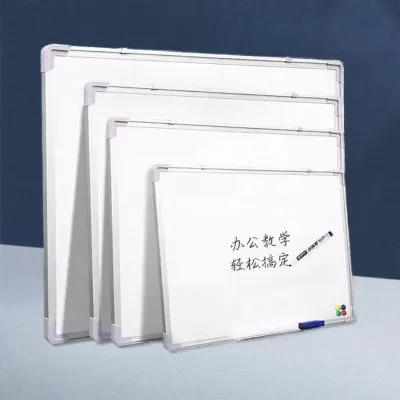
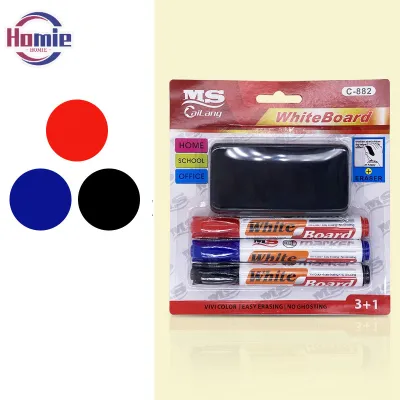
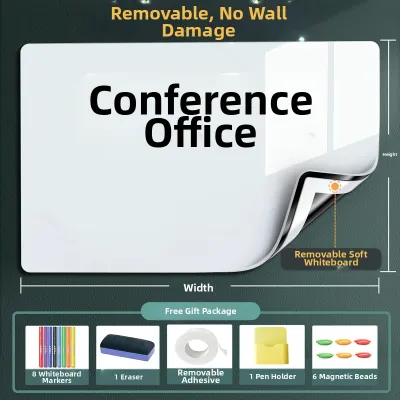
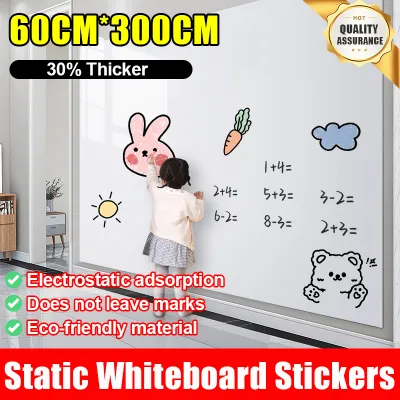
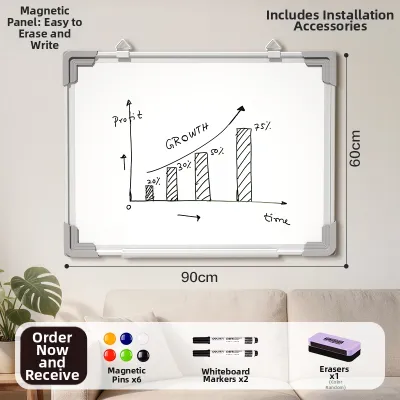
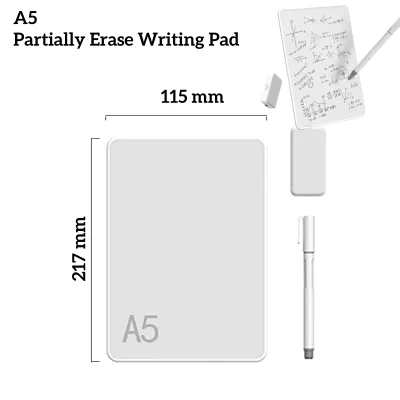
Prices are valid at publication and may change. Please refer to the product page for the latest price.
Identify the primary activities the whiteboard must support to determine the ideal surface area. A student who primarily uses the board for solving complex mathematics equations or drafting essays will require a larger, unobstructed writing surface. Conversely, a student who uses the board as an organizational hub to post weekly schedules, flashcards, and spelling lists can opt for a medium-sized board with stronger magnetic properties.
Consider the student’s age and physical reach when planning the installation height. For younger primary school students, the board must be mounted lower on the wall so they can write comfortably from top to bottom without straining. For older secondary or tertiary students, a taller vertical layout or a wider horizontal board mounted at eye level is more appropriate to accommodate advanced brainstorming and extensive note-taking.
Safety is another critical factor when setting up a study space for younger learners. Look for boards designed with rounded corner caps, typically made of durable plastic, to eliminate sharp edges. Ensure that any tray or accessory holder is securely attached and positioned where it will not cause accidental bumps or scrapes during active study sessions.
Compare Surface Materials for Writing and Erasing
The surface material of a dry-erase board directly determines its longevity, writing smoothness, and resistance to staining. Dry-erase ink consists of color pigments, a solvent, and a silicone polymer release agent. When you write on a high-quality, non-porous surface, the solvent evaporates, leaving a dry, easily erasable powder. On cheaper, porous surfaces, the pigment can seep into the material, leading to permanent staining known as ghosting.

Painted steel surfaces are the most common and budget-friendly options for standard daily use. These boards feature a steel sheet coated with a layer of white paint or lacquer, which is then cured under heat. While they offer excellent magnetic attraction and a smooth initial writing experience, the painted layer can wear down over time with heavy use. They are highly suitable for moderate daily tasks, such as writing down daily checklists or short-term reminders, provided they are cleaned regularly.
For heavy, frequent use, porcelain or ceramic steel options offer superior durability and resistance to scratches. These surfaces are created by fusing a ceramic layer onto a steel backing at extremely high temperatures, resulting in an incredibly hard, non-porous finish. Porcelain boards resist ghosting, chemical damage, and physical scratches from magnets or keys. They are an excellent long-term investment for students who plan to use the board intensively for multiple hours every day throughout their academic years.
To verify the erasability and smoothness of a specific board-and-marker combination, perform a simple trial before committing to heavy use. Write a few lines using a standard dry-erase marker—such as an alcohol-based, low-odor marker with a fine or chisel tip—and let the ink dry completely for sixty seconds. Wipe the marks away with a dry microfiber cloth or a dedicated felt eraser; a high-quality surface should release the ink cleanly in a single pass without leaving a grey shadow or requiring liquid cleaners.
Avoid uncoated, low-grade melamine or highly porous materials for a student’s primary study area. While these budget options are lightweight, they degrade rapidly under daily use, absorbing ink pigments and becoming difficult to clean within a few months. Investing in a proper painted steel or porcelain surface ensures the board remains bright and usable for years, reducing the need for premature replacements.
Evaluate Magnetic Strength and Board Construction
A magnetic whiteboard does not actually contain magnets; instead, it features a steel sheet behind the writing surface that attracts magnetic accessories. The thickness and quality of this steel backing determine the board’s overall magnetic strength. If the steel layer is too thin, standard decorative magnets will slide down the board, failing to hold even a single sheet of paper securely.
Verify the magnetic backing type to confirm it can support the specific materials the student needs for their studies. For holding lightweight paper, standard spelling cards, or thin magnetic strips, a standard painted steel board is perfectly adequate. However, if the student plans to use heavy-duty magnetic pockets, thick cardstock, or plastic-molded magnetic letters, look for a board with a robust steel core that offers higher magnetic pull.
The core material of the board is equally important for structural integrity and long-term durability. High-quality whiteboards utilize a rigid core made of medium-density fiberboard (MDF), high-density fiberboard (HDF), or a sturdy corrugated plastic honeycomb structure. Avoid boards with cheap, thin cardboard cores, as they are highly susceptible to bowing, warping, or bubbling when exposed to changes in humidity and temperature.
Review the product specifications or labels for weight capacity guidelines regarding magnetic accessories. If you plan to hang magnetic marker holders, heavy erasers, or reference books in magnetic trays, ensure the board’s surface and backing can handle the load without slipping. Using high-strength neodymium or rare-earth magnets can compensate for a slightly thinner steel backing, but they must be handled carefully to avoid scratching the dry-erase finish.
Select the Right Size, Frame, and Mounting Option
Matching the physical format of the whiteboard to the room’s layout ensures a safe, stable, and comfortable user experience. Standard whiteboard sizes for home study areas typically range from compact 45×60 centimeter boards to larger 90×120 centimeter options. Choose a size that allows the student to write comfortably within their natural reach, leaving adequate margins around the desk or adjacent furniture to prevent a cramped feeling.
Compare frame materials to find the right balance of durability, weight, and aesthetic appeal. Aluminum frames are highly popular because they are lightweight, structurally rigid, and resistant to moisture and wear. Wood frames offer a classic, warm aesthetic that matches traditional home furniture, though they can be heavier and require secure mounting. Frameless glass or steel designs provide a sleek, modern look and allow multiple boards to be tiled side-by-side for an extended writing surface.
Review the included mounting hardware and verify its compatibility with the specific wall type in your home. Solid concrete or brick walls require plastic wall plugs and masonry drill bits for a secure installation. Drywall or plasterboard walls require specialized hollow-wall anchors or toggle bolts to distribute the weight safely. Never rely on simple nails or light adhesive strips for medium-to-large boards, as the downward pressure applied while writing can cause the board to pull away from the wall and fall.
Consider mobile or easel-mounted options if wall space is limited or if the student prefers to study in different rooms. A double-sided mobile whiteboard on wheels allows the student to move their study station from the bedroom to the living room easily. Ensure the mobile frame features locking casters to keep the board stable while writing, and check that the overall height of the easel fits comfortably through standard doorways.
Finalize Your Choice With a Pre-Purchase Checklist
Before making your final purchase, run through this quick checklist to ensure the selected magnetic whiteboard meets all practical and structural requirements for the student’s study area:
- Dimensions and Reach: Double-check your wall measurements and ensure the board's height allows the student to write comfortably without stretching or bending excessively.
- Surface and Ink Compatibility: Confirm the surface material matches the expected usage frequency (painted steel for moderate use, porcelain for heavy daily writing) and is compatible with standard low-odor dry-erase markers.
- Magnetic Capacity: Ensure the steel backing is thick enough to support the weight of your planned magnetic accessories, such as document holders, magnetic rulers, or heavy-duty magnets.
- Mounting and Wall Type: Verify that the included mounting brackets, screws, and wall plugs are suitable for your specific wall material (concrete, brick, or drywall).
- Safety Features: Check that the board has rounded plastic corner caps and a securely attached marker tray to prevent accidental scratches or injuries.
- Warranty and Support: Review the manufacturer's warranty terms, looking for coverage against surface delamination, bubbling, or manufacturing defects under normal household use.
Frequently Asked Questions (FAQ)
How do I remove stubborn marker stains or ghosting?
To remove stubborn stains or ghosting without damaging the board, try drawing directly over the old marks with a fresh, dark dry-erase marker. The solvents present in the fresh ink will naturally dissolve the dried, trapped pigments of the old stain. Allow the wet ink to sit for about five to ten seconds, then immediately wipe the area clean with a dry microfiber cloth or a clean felt eraser.
If the stain persists, consult the manufacturer’s care instructions before applying any liquid cleaners. Many manufacturers approve the use of a small amount of isopropyl alcohol (90% concentration or higher) on a soft cloth for deep cleaning painted steel or porcelain surfaces. Avoid using abrasive sponges, scouring pads, or harsh household chemicals like bleach or window cleaners, as these will strip away the protective topcoat and permanently ruin the board’s erasability.
Can I use regular magnets on a magnetic white board?
Yes, you can use regular household magnets on a magnetic whiteboard, but their holding power will depend on the thickness of the board’s steel backing. Standard decorative fridge magnets, which typically use flexible ferrite magnetic sheets, have relatively weak magnetic fields. While they can easily stick to the board on their own, they may slide down when asked to hold up multiple sheets of paper or heavy cardstock.
For securing study guides, calendars, or thick learning materials, opt for specialized whiteboard magnets or small neodymium (rare-earth) magnets. These provide a much stronger grip without requiring a bulky design. Always lift magnets directly off the board rather than sliding them across the surface, as trapped dust particles underneath the magnet can cause fine scratches on painted steel finishes over time.

Community discussion
Share your experience or ask a question. Comments are reviewed before publication.