
Introducing a magnetic board into your home is a highly effective way to support early literacy. This simple tool transforms abstract letters into physical objects that a child can hold, rotate, and arrange. However, selecting the right setup involves more than just picking the first colorful set you find online. To create an engaging and frustration-free learning environment, you must carefully evaluate several key dimensions: board size, letter quality, safety standards, and portability.
Every home has different space constraints, and every child develops at their own pace. A board that works beautifully in a spacious dedicated playroom might become a cumbersome obstacle in a compact apartment. By understanding how physical features translate to developmental benefits, you can choose a magnetic board system that fits seamlessly into your daily routine and keeps your child engaged in learning the alphabet.
Sizing the Board and Letters for Early Learners
When selecting a magnetic board, the physical dimensions of the writing surface must match both your home layout and your child’s physical reach. For young children, a board that is too small quickly becomes crowded, making it difficult to arrange letters in alphabetical order or spell simple words. Conversely, an oversized board can overwhelm a toddler if they cannot easily reach the top sections while sitting or standing.
Products mentioned in this guide
![[SG] Magnetic White Board Whiteboard [Evergreen Stationery]](https://img.lazcdn.com/g/p/8ae509abf541409a206fd644c755eaad.jpg_400x400q80.jpg_.webp)
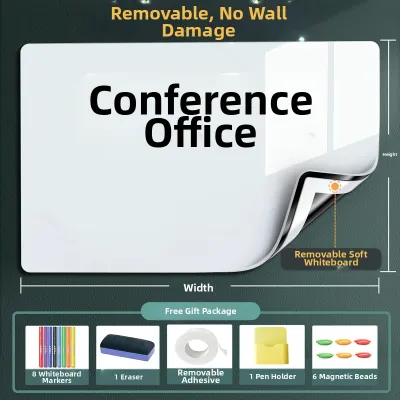
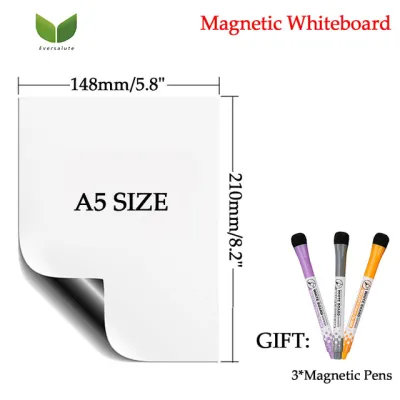
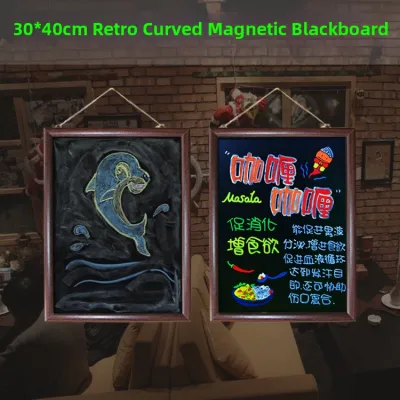
Prices are valid at publication and may change. Please refer to the product page for the latest price.
In typical Singapore apartments where space is carefully optimized, a medium-sized board measuring approximately 40 cm by 60 cm offers an ideal balance. This size provides ample room to display the entire 26-letter alphabet in two neat rows while leaving space below for word-building activities. It fits comfortably on a standard children’s study desk, can be propped against a wall, or laid flat on the living room floor during play sessions.
Letter size is equally critical for developing fine motor skills. Children between the ages of three and five are transitioning from a full-palm grasp to a more refined pincer grasp. Magnetic letters should be large enough for small hands to grip easily without slipping, typically measuring between 3 cm and 5 cm in height. Letters smaller than this can frustrate early learners who are still coordinating their hand-eye movements.
Visual clarity and contrast play a major role in letter recognition. Look for letters with clean, sans-serif fonts that mirror the standard print styles taught in early childhood classrooms. Avoid highly stylized or decorative fonts that can confuse a child trying to distinguish between a ‘b’ and a ‘d’. High-contrast color schemes, such as bright primary colors set against a clean white magnetic board, help the child’s eyes focus on the distinct shapes of each letter.
Evaluating Letter Quality and Magnetic Grip
The physical construction of the magnetic letters determines how long they will last and how satisfying they are for your child to use. Magnetic letters are generally made from three common materials: dense foam, solid molded plastic, or hollow plastic. Each material offers a different tactile experience and level of durability for daily home use.

Dense foam letters are lightweight, soft to the touch, and virtually silent when dropped on hard floors. They are excellent for quiet play, but they can absorb moisture and are susceptible to teeth marks if a child is prone to chewing on toys. Solid molded plastic letters are highly durable, easy to wipe clean, and have a satisfying weight, though they can be noisy. Hollow plastic letters are lightweight and affordable, but they sometimes feature sharp seams along the edges that can irritate sensitive skin.
The strength of the magnetic grip is a common source of frustration for young learners. If the magnet is too weak, the letters will slide down the board when placed vertically, disrupting spelling attempts and causing irritation. If the magnet is too strong, a young child may struggle to pull the letter off the board, which can interrupt the flow of their play and learning.
To verify the magnetic grip, perform a simple vertical slide test. Place a letter on a vertical magnetic surface; it should hold its position firmly without sliding, tilting, or rotating under its own weight. At the same time, you should be able to lift the letter off the board with a gentle, straight-pull motion using just two fingers. A full-surface magnetic backing generally provides a more consistent grip than a single, tiny button magnet glued to the center.
Safety and Material Checks for Young Children
Safety is the most critical consideration when choosing any educational toy for young children, especially when magnets are involved. Loose magnets pose a severe health hazard if swallowed, as they can attract each other through internal tissue walls. Therefore, you must inspect how the magnets are secured to the back of each letter before introducing them to your child.
Look for magnetic letters where the magnet is completely enclosed or chemically bonded within the plastic casing. Avoid cheap sets where a small, exposed black magnet is simply glued to the back of the letter, as these can easily pry loose over time with repeated drops or rough handling. If you choose foam letters, ensure the magnetic backing is a single, solid sheet that covers the entire rear surface of the letter, making it impossible to peel off in small pieces.
Always check the manufacturer’s packaging for age grading and safety certifications. Most standard magnetic letter sets are rated for children aged three and older due to the potential choking hazards of small parts. If you are teaching a younger toddler, you must seek out oversized specialty sets specifically certified for children under three years old, and always supervise play closely.
Inspect the physical build of the board and letters for sharp edges, rough corners, or splintering frames. Wooden magnetic boards should have smooth, sanded edges and be finished with non-toxic, water-based paints. Plastic boards should have rounded corners and robust frames that will not crack or expose sharp plastic shards if dropped onto a tiled floor.
Portability and Storage for Home Environments
How you plan to store and move the magnetic board determines how often it will actually be used. A board that is difficult to set up or clean up will often end up forgotten in a closet. Evaluating your daily routine will help you choose between a stationary wall-mounted board, a folding easel, or a highly portable lap board.
Wall-mounted boards are excellent for creating a dedicated learning corner in a bedroom or study room. They save valuable floor space and remain stable during use, but they cannot be easily moved to other rooms. Folding floor easels offer a double-sided workspace—often featuring a magnetic whiteboard on one side and a chalkboard on the other—but they require dedicated floor space and can be heavy to move.
For many families, a portable lap board is the most versatile option. These lightweight boards can be carried easily from the bedroom to the dining table or even used in the back of a car. Look for models that weigh under 1.5 kg and feature integrated carrying handles or a protective fabric sleeve. This portability allows you to turn any quiet corner of the home into an impromptu alphabet lesson.
An effective storage system is essential for keeping a multi-piece letter set complete. Look for magnetic board sets that include a dedicated storage box, a plastic tub with a secure lid, or a zippered pouch. Some advanced sets feature partitioned trays where each letter has its own designated slot, which not only prevents lost pieces but also teaches your child sorting and organizational skills as part of the cleanup process.
Building Your Feature Priority Checklist
To make your final decision, match your specific home environment and teaching style with the right combination of board features. If you live in a compact apartment where rooms serve multiple purposes, prioritize space-saving designs. A medium-sized, double-sided tabletop easel that folds completely flat is ideal, paired with a compact storage container that fits easily onto a standard bookshelf.
For families who travel frequently or want to keep their child occupied during long commutes, a small magnetic travel tin or a folding book-style board is the most practical choice. In these scenarios, select foam letters with full-surface magnetic backings, as they are lightweight, quiet, and less likely to slide around or get lost in transit.
If you have a dedicated playroom or a spacious study area, a large, wall-mounted magnetic whiteboard offers the most room for growth. This setup allows you to leave spelling words on display for days at a time, creating a print-rich environment that reinforces learning throughout the day. You can budget around S$20 to S$50 for a reliable, mid-range setup that balances durability, safety, and functional size.
Frequently Asked Questions (FAQ)
How do I clean a magnetic board without damaging the surface?
To clean a dry-erase magnetic board, wipe the surface regularly with a soft, dry microfiber cloth to remove dry-erase marker dust. For stubborn stains or ghosting, use a cloth slightly dampened with water or a mild soapy solution, then dry the surface immediately with a clean towel. Avoid using abrasive scrubbing pads, steel wool, or harsh chemical solvents like acetone, as these can permanently strip the smooth dry-erase coating and ruin both the writing surface and the magnetic properties.
What should I do if the magnetic letters lose their grip?
If your magnetic letters begin to slide, first inspect the backs of the letters and the board surface for a buildup of dust, oils, or household grime, which reduces friction. Wipe both surfaces clean with a dry or slightly damp microfiber cloth. If the cleaning does not help, verify if the board itself is made of high-quality steel or if it is a low-grade metal-look surface with weak magnetic attraction. If individual letters have damaged or peeling magnetic backings, replace those letters immediately rather than attempting to glue loose magnets back on, which creates a serious safety hazard.
Community discussion
Share your experience or ask a question. Comments are reviewed before publication.