
When venturing into textile design, selecting the right fabric paint set is the most critical decision you will make. For a beginner, the ideal setup must balance ease of use, safety, and long-term durability. The most user-friendly sets feature water-based, non-toxic acrylic formulas that offer easy cleanup with simple soap and water before they cure. These sets should also include a curated selection of versatile colors, clear instructions for curing, and basic application tools like brushes or sponges. By choosing a set designed specifically for beginners, you avoid the frustration of stiff, cracking designs or complicated mixing ratios, allowing you to focus entirely on developing your creative skills.
Quick Answer: What Makes a Fabric Paint Set Beginner-Friendly?
To quickly evaluate if a fabric paint set is suitable for a beginner, look for these three core pillars:
- Water-Based Acrylic Formulas: Water-based paints are highly forgiving. They allow you to thin the paint with water, wash mistakes out of your brushes easily, and clean up spills on your workspace before the paint dries. Once fully cured, however, they become highly water-resistant and permanent.
- Certified Non-Toxic Labels: Look for safety certifications such as ASTM D-4236 or the AP (Approved Product) seal. This ensures the paints are free from harmful solvents, making them safe for indoor use in spaces like HDB apartments, and safe for skin contact on wearable items.
- Clear Curing Instructions: A beginner-friendly set should explicitly state how to set the paint—whether it requires heat-setting with a household iron or if it self-sets over several days. Clear, step-by-step guidance on the packaging removes the guesswork from making your designs wash-safe.
Essential Components to Expect in a Starter Set
Evaluating what is included in a fabric paint set helps ensure you get excellent value and have everything needed to start your first project without making immediate secondary purchases.
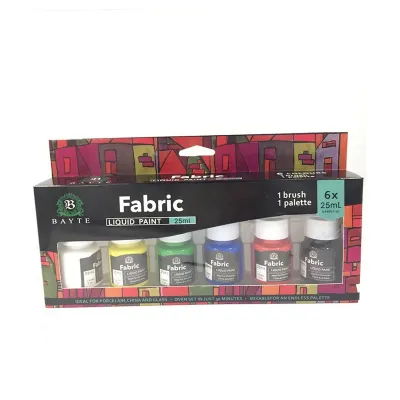
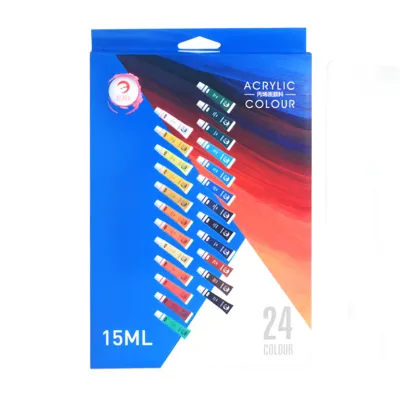
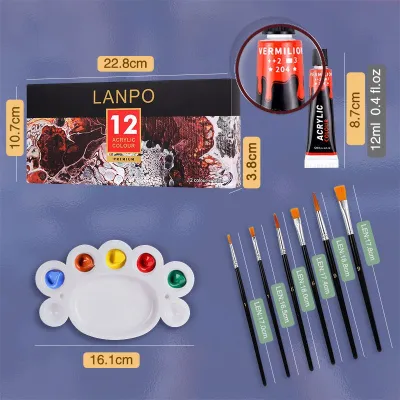
Products mentioned in this guide
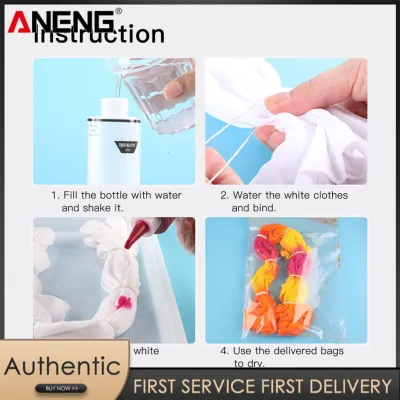
![🇸🇬 [New Product Sale] Tie Dye Kit Fabric Dye Non-toxic Permanent Textile Tie Dye Set Dit-A-Dot](https://img.lazcdn.com/g/p/2acc9cc2353f168a2c78c141f199b97b.jpg_400x400q80.jpg_.webp)
![[SG Ready Stock]12/24 Acrylic Paint With Brushes And Palette 12 ML Waterproof Acrylic Paint Tube for Wood/Canvas/Fabric Students Drawing Set](https://img.lazcdn.com/g/p/076b5de8a7f769a9c538b2880c81ef54.jpg_400x400q80.jpg_.webp)
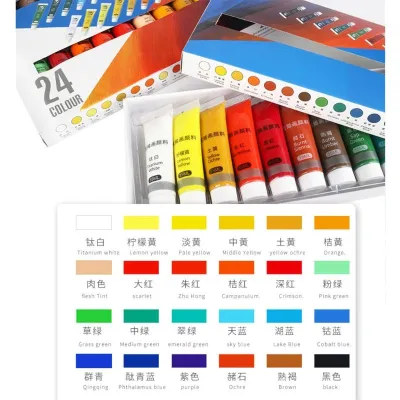
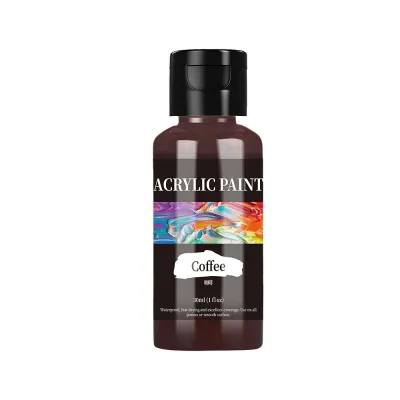
Prices are valid at publication and may change. Please refer to the product page for the latest price.

Paint Volume and Bottle Design
Beginners often overestimate how much paint they need. A typical starter project, like a customized tote bag or a t-shirt graphic, uses very little paint. Look for sets offering bottles between 20ml and 59ml (about 2 fluid ounces). This volume is sufficient for multiple small projects while remaining compact enough to store easily. Bottles with squeeze nozzles or flip-top caps are highly recommended because they allow you to dispense precise drops onto your palette, minimizing waste and preventing the remaining paint in the bottle from drying out due to prolonged exposure to air.
Brushes and Application Tools
The chemical composition of fabric paint requires specific tools. Synthetic brushes, particularly those made from nylon or taklon, are the best choice for beginners. Natural hair brushes are often too soft to push the thick, viscous fabric paint into the woven fibers of textiles, and the harsh acrylic binders can quickly degrade natural bristles. A good starter set should include a mix of flat brushes for filling in large areas and round brushes for detail work. Foam sponge dabbers or foam brushes are also incredibly useful, especially if you plan to use stencils, as they apply paint evenly without leaving brush strokes or seeping under the stencil edges.
Pre-Mixed Formulas versus Separate Mediums
Fabric paint is essentially acrylic paint mixed with a textile medium (an acrylic polymer binder that keeps the paint flexible when dry). For beginners, pre-mixed fabric paint sets are highly recommended because they are ready to use straight from the bottle, eliminating the need to calculate mixing ratios. However, some sets include a separate bottle of fabric medium. This is highly versatile because it allows you to mix the medium with any standard acrylic paint you already own, converting it into a flexible fabric paint. If you want a zero-prep experience, stick to pre-mixed formulas.
Protective and Mixing Accessories
A well-rounded starter set often includes accessories that make the painting process cleaner and more organized. Look for sets that provide a plastic mixing palette with shallow wells, which are perfect for blending custom colors and thinning paint with water. Stirring sticks are useful for thoroughly mixing settled pigments, especially in metallic or glitter paints. Additionally, some comprehensive kits include protective sheets or cardboard inserts designed to be placed inside garments to prevent paint from bleeding through to the opposite side.
Given Singapore’s tropical, highly humid climate, keep in mind that acrylic-based paints can dry slightly slower on your palette, but they can skin over quickly if you work directly under an air conditioner or fan. Having a palette with a lid or using small, deep wells can help preserve your mixed colors during a painting session.
Key Quality Indicators for Entry-Level Fabric Paints
Understanding how to read product labels and identify quality indicators will guide you toward paints that yield professional, durable, and comfortable results without requiring advanced textile expertise.
Opacity, Pigment Density, and Fabric Color
One of the most common beginner mistakes is painting light-colored, translucent paint onto dark fabrics, only to watch the design disappear as it dries. When shopping for a fabric paint set, check the label for opacity ratings. Opaque paints are formulated with high pigment density and a white base, allowing them to stand out vibrantly on dark fabrics like black cotton or dark blue denim. Translucent or transparent paints, on the other hand, rely on the background fabric to reflect light, making them ideal only for white, cream, or pastel materials. If you plan to work on dark garments, ensure the set specifically states it is suitable for dark fabrics.
Polymer Flexibility and "Soft-Hand" Texture
High-quality fabric paints are formulated with elastomeric polymers that cure into a highly flexible, rubber-like matrix. This flexibility allows the painted design to stretch, bend, and move naturally with the fabric fibers without cracking or peeling. In the art community, the texture of the dry paint on the fabric is referred to as the “hand.” A “soft-hand” finish means the painted area remains relatively soft and pliable, closely matching the texture of the unpainted fabric. Lower-quality paints or standard acrylics dry into a stiff, scratchy plastic sheet that feels uncomfortable against the skin and is highly prone to cracking over time. Look for labels that promise a “soft-hand” or “flexible” finish.
Curing Methods and Wash Durability
To make your design permanent and wash-safe, the binder in the paint must be cured. There are two primary curing methods used in beginner sets: heat-setting and air-setting. Heat-setting requires you to apply dry heat (usually with a household iron set to the appropriate fabric temperature, without steam) to the reverse side of the painted design for 3 to 5 minutes once the paint is completely dry. This heat triggers a chemical cross-linking process that locks the pigment into the fibers. Air-setting or self-setting paints cure naturally over a period of 72 hours without requiring heat. While air-setting is more convenient, heat-set paints generally offer superior long-term durability and resistance to repeated machine washing.
Safety Certifications and Skin Contact
Because fabric paints are used on wearable items like t-shirts, face masks, and baby clothes, safety is paramount. Always check the packaging for recognized international safety standards. The most common certification is ASTM D-4236, which indicates that the product has been evaluated by a toxicologist and labeled in accordance with chronic hazard labeling standards. The AP (Approved Product) seal from the Art and Creative Materials Institute (ACMI) is another excellent indicator that the paint is non-toxic and safe for artists of all ages, including children.
Fabric Compatibility and Surface Preparation
Preventing beginner frustration starts before you ever touch a brush to fabric. Understanding fabric compatibility and proper preparation ensures your designs adhere correctly and last for years.
Selecting the Right Fabric
The success of your project depends heavily on the fabric you choose. For beginners, natural fibers such as 100% cotton, linen, and canvas are the absolute best options. These fibers are highly porous and absorbent, allowing the water-based paint to penetrate deep into the weave and wrap securely around the individual threads. Synthetic fibers like polyester, nylon, acrylic, and spandex are smooth and non-porous. Standard fabric paints struggle to grip these synthetic surfaces, which can lead to peeling or fading after the first wash. If you must paint on synthetics, look for specialized formulas or blends with at least 50% natural fiber content.
Pre-Washing and Chemical Removal
Never paint on a brand-new, unwashed garment. Textile manufacturers treat new fabrics with chemical finishes known as “sizing”—starches, waxes, and silicone coatings that keep garments looking crisp, wrinkle-free, and appealing on store shelves. These sizing agents create a chemical barrier on the fabric surface that prevents paint from adhering directly to the fibers. If you paint over sizing, your design will look great initially but will wash away as soon as the sizing dissolves in the laundry. Always pre-wash your fabric in a standard warm or cold cycle using regular laundry detergent. Crucially, do not use fabric softener or dryer sheets, as these leave behind a new chemical residue that repels water-based paint. Dry the fabric completely and iron out any wrinkles before you begin painting.
Setting Up a Bleed-Through Barrier
Water-based fabric paint is fluid, and as you apply it, capillary action will draw the wet paint through the porous weave of the fabric. If you are painting a single-layer item like a tote bag, t-shirt, or pillowcase, the paint will inevitably bleed through to the back layer, permanently staining it and gluing the two sides of the garment together. To prevent this disaster, always insert a rigid bleed-through barrier inside the item before you start painting. A piece of thick cardboard cut to size works perfectly. To prevent the wet paint from gluing the fabric to the cardboard, wrap the cardboard in plastic wrap, wax paper, or aluminum foil. This barrier also provides a smooth, flat, and stable surface to work on, making it much easier to apply clean, precise brush strokes.
Starter Set Profiles: Choosing the Right Configuration
To help you match a specific configuration to your intended first project, fabric paint sets can generally be grouped into three main profiles.
The Multi-Color Basics Set
This is the classic entry-point configuration, typically containing 6 to 12 primary and secondary colors in small, uniform bottles. These sets are designed to teach you the fundamentals of color theory and mixing. With just red, blue, yellow, black, and white, you can create an infinite spectrum of custom shades. This configuration is highly versatile and perfect for general craft projects, customising canvas tote bags, or practicing different painting techniques on scrap fabric. It offers the best balance of variety and value for beginners who want to experiment without committing to a single color scheme.
The Monochrome or Metallic Accent Set
If you have a specific, stylized project in mind, a monochrome or metallic set might be the perfect choice. These sets typically feature a limited palette of high-contrast colors, such as black, white, gold, silver, bronze, or copper. They are highly favored for stenciling geometric patterns, creating bold typography, or adding sophisticated accents to dark denim jackets and dark-colored t-shirts. Because metallic and high-contrast paints require specialized pigments to achieve their reflective and opaque qualities, purchasing them in a dedicated accent set ensures you get the maximum visual impact and opacity needed for dark surfaces.
The All-in-One Craft Kit
For absolute beginners who want a completely frictionless, zero-prep experience, the all-in-one craft kit is the ultimate solution. These kits are curated to be used straight out of the box, containing not only the paints but also a selection of synthetic brushes, stencils, a plastic mixing palette, and sometimes even a blank canvas item like a tote bag or a zippered pencil case. This configuration is an excellent choice for younger crafters, weekend DIY workshops, or as a thoughtful gift. It eliminates the need to make secondary trips to the art store to buy brushes or palettes, allowing you to start creating immediately.
Smart Purchasing Decisions
When shopping for a fabric paint set, consider both your project scale and your budget. High-quality starter sets generally range from S$15 for basic multi-color configurations to S$40 or more for comprehensive all-in-one kits. You can find these sets at established local art supply stores, such as those located in Bras Basah Complex, or through reputable online craft retailers. Always store your paint bottles tightly sealed in a cool, dry place away from direct sunlight to maximize their shelf life and prevent premature drying.
Frequently Asked Questions (FAQ)
Can I use regular acrylic paint instead of a dedicated fabric paint set?
Yes, but with an important caveat. Regular acrylic paint is chemically very similar to fabric paint, but it lacks the specialized flexible binders that allow fabric paint to bend and stretch. If you apply regular acrylic paint directly to a garment, it will dry into a rigid, plastic-like layer. When you wear, fold, or wash the garment, this rigid layer will crack, peel, and feel highly uncomfortable against your skin. However, you can easily convert regular acrylic paint into high-quality fabric paint by mixing it with a dedicated fabric medium (also called textile medium). This medium introduces the necessary elastomeric binders to the acrylic paint, ensuring it remains flexible and wash-safe. Always follow the manufacturer’s recommended mixing ratio, which is typically one part medium to two parts acrylic paint.
Do I need to heat-set every type of fabric paint?
No, you do not need to heat-set every single type of fabric paint, as it depends entirely on the chemical formulation of the specific product you are using. Traditional fabric paints rely on heat-setting to trigger a chemical cross-linking process in the acrylic binder, which locks the pigments permanently into the fabric fibers. This is usually done with a dry household iron on the reverse side of the design. However, many modern fabric paint formulations are designed to be air-dry or self-setting. These paints contain slower-acting cross-linking agents that fully cure and become wash-safe naturally over a period of 72 hours without requiring any heat application. Always check the specific manufacturer’s instructions on the back of your paint bottles, as failing to heat-set a paint that requires it will result in your design washing away in the laundry, while applying heat to certain air-dry formulas might damage the fabric or the paint itself.
Community discussion
Share your experience or ask a question. Comments are reviewed before publication.