
Selecting the right date stamp for school use requires balancing speed, clarity, and physical durability to handle the daily demands of grading, administrative filing, and library management. Whether you are a teacher marking hundreds of worksheets before the next period, an administrator processing official school records, or a student helper organizing library returns, the right tool prevents hand fatigue and ensures legible records. By evaluating key features such as the internal mechanism, ink formulation, band adjustability, and overall build quality, you can select a stamp that delivers clean impressions day after day without smudging or jamming.
Self-Inking vs. Traditional Stamps: Choosing the Right Mechanism
The mechanism of a date stamp determines how quickly you can work and how much preparation is required before each impression. The two primary designs available are self-inking stamps and traditional hand stamps, each offering distinct advantages depending on your daily volume of paperwork and classroom setup.
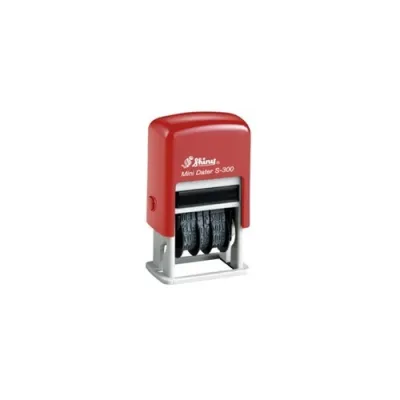
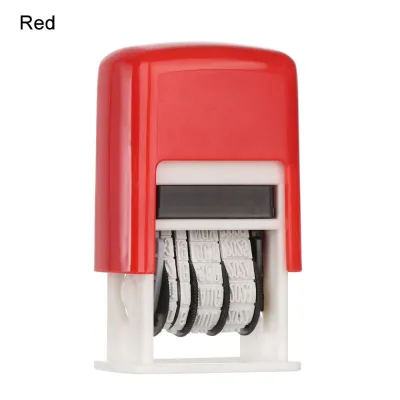
Self-inking date stamps feature an integrated, replaceable ink pad housed within a spring-loaded frame. When you press down on the handle, the internal rubber die rotates to press against the paper, and then flips back up to rest against the ink pad when released. This automated flip action makes self-inking models highly efficient for rapid, repetitive tasks, such as marking homework submissions or dating permission slips. Because the ink source is completely enclosed, these stamps minimize the risk of accidental ink stains on desks, clothing, or student work, making them highly suitable for busy classroom environments where space is limited and movement is constant.
Products mentioned in this guide
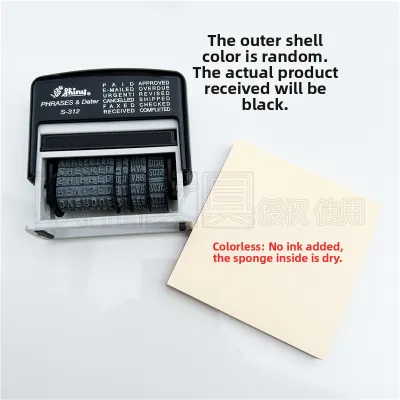
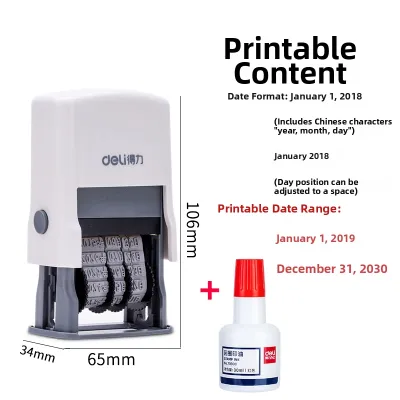
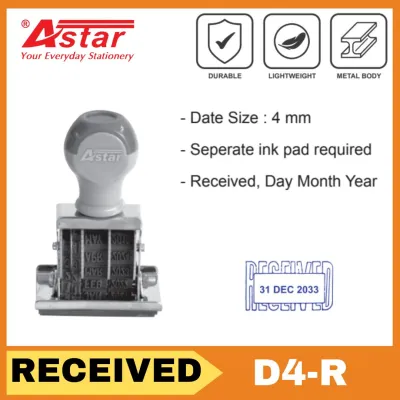
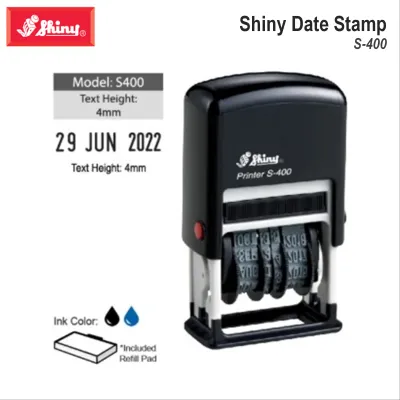
![Shiny Self Inking Date and Phrase Stamp (S-312) / Replacement Pad [Millen Stationery]](https://img.lazcdn.com/g/p/3e26c59906839ff8e421e58784ef8048.jpg_400x400q80.jpg_.webp)
Prices are valid at publication and may change. Please refer to the product page for the latest price.
Traditional hand stamps, on the other hand, consist of a simple rubber die mounted on a handle, requiring a separate, external ink pad. To make an impression, you must manually press the stamp onto the pad before transferring it to the paper. While this process is slower, traditional stamps offer greater flexibility in terms of ink colors and custom layouts, as you can easily switch between different colored pads without changing the stamp itself. They are also highly portable and have fewer moving parts, which reduces the likelihood of mechanical failure over years of infrequent or specialized use.
When evaluating your workspace, consider the physical footprint and storage requirements of each option. A self-inking stamp stands upright on its own base, keeping the inked surface elevated and protected from dust. This self-contained design is ideal for crowded teacher desks or shared administrative counters where a separate, open ink pad could easily be knocked over or contaminated with paper dust. However, if you only need to date a few documents a week or require highly specific, oversized date formats, a traditional hand stamp paired with a compact, lidded ink pad may be the more practical and cost-effective choice.
Ink Formulations and Drying Times for School Papers
The performance of a date stamp depends heavily on the compatibility between the ink formulation and the paper surfaces used in your school. Using the wrong ink can lead to illegible dates, bleeding through thin notebook pages, or smearing across freshly graded assignments.

Most standard date stamps utilize water-based inks, which are designed to absorb quickly into porous fibers like standard copy paper, construction paper, and student exercise books. Water-based ink is generally low-odor and resistant to bleeding through standard 80gsm paper, making it the safest choice for daily classroom grading. However, in humid tropical climates, water-based inks can take slightly longer to dry completely, especially on thicker or slightly calendered paper stocks. Oil-based inks, by contrast, offer highly crisp impressions and excellent water resistance once dry, but they are much more prone to bleeding through thin notebook pages, potentially ruining work on the reverse side of a sheet.
Drying speed is a critical specification to verify before purchasing, particularly for high-volume grading where papers are stacked immediately after stamping. Look for manufacturer labels that specify quick-dry properties, and plan to conduct an initial trial on a scrap piece of the exact paper type you intend to use. To verify drying speed and bleed resistance, press the stamp firmly onto the sample paper, wait three seconds, and gently run a finger over the impression. If the ink smears or shows through clearly on the back of the page, you may need to adjust your pressing force, switch to a lighter ink formulation, or allow more open drying space before stacking the documents.
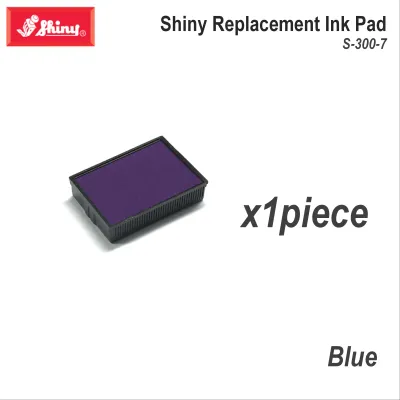
Refill availability is another essential factor for long-term school use. Before finalizing your purchase, check whether the stamp model uses standard, easily sourced replacement ink pads or if it requires proprietary bottled ink for re-inking. Opting for a model with widely available, slide-out replacement pads ensures that you can quickly restore print quality mid-semester without having to purchase an entirely new stamp unit.
Date Formats and Custom Text Adjustability
A date stamp must provide clear, legible information that aligns with your school’s record-keeping standards. Understanding how the date is formatted and how easily the bands can be adjusted will prevent administrative errors and save valuable time during busy school days.
Standard date stamps feature parallel rubber bands mounted on manual turning wheels, displaying the day, month, and year. When selecting a stamp, pay close attention to the year band’s range; most manufacturers design these bands to cover a span of seven to ten years. Verify that the current year is positioned near the beginning of the band’s range to maximize the tool’s useful lifespan before the year band expires and requires replacement. Additionally, consider the format of the month—some stamps use three-letter abbreviations, while others use numerical representations. Numerical formats are highly universal, whereas abbreviated text formats must match the primary language of instruction at your school.
For many school tasks, a simple date is not sufficient; you may need to indicate the context of the mark. Dual-purpose date stamps incorporate custom text bands alongside the adjustable date, allowing you to stamp phrases such as “GRADED,” “RECEIVED,” “LATE,” or “PARENT SIGNATURE” directly above or beside the date. These multi-phrase models often feature a selector wheel that lets you rotate through different administrative terms, providing a highly versatile tool for both classroom teachers and office staff who manage diverse document workflows.
The adjustment mechanism itself should be robust and easy to operate without getting ink on your fingers. Look for models with prominent, ridged dial wheels that allow you to turn the individual rubber bands smoothly. Some budget models require you to manually push the rubber bands with a stylus or your fingernails, which frequently results in ink transfer to your hands and uneven band alignment. A high-quality dial system keeps your fingers away from the inked rubber die, ensuring clean hands and precise alignment of the characters for a professional, level impression every time.
Build Quality and Ergonomics for High-Volume Marking
A date stamp used in an educational environment must endure rigorous daily handling. Evaluating the physical construction and ergonomic design of the stamp before buying ensures that the tool remains reliable and comfortable to use throughout the school year.
The housing material of the stamp plays a major role in its durability. Lightweight plastic frames are highly portable and budget-friendly, making them suitable for light administrative duties or student use. However, for heavy-duty classroom grading where a teacher might stamp hundreds of spelling tests or worksheets in a single session, a reinforced metal frame or high-impact ABS plastic housing is recommended. Pay close attention to the hinge points and the internal sliding tracks of self-inking models; these areas experience the most friction and stress during the stamping motion, so they should feel sturdy and operate without excess lateral play.
A smooth spring mechanism and precise base alignment are essential for producing clear, unblurred impressions. The internal spring should offer moderate resistance—firm enough to prevent accidental activation when carried in a bag, yet light enough to compress smoothly without requiring excessive physical effort. The base of the stamp should feature a non-slip rubberized lining or clear alignment marks. This allows you to position the stamp precisely over a specific line on a worksheet or within a small box on an administrative form, preventing double-stamping or crooked dates that can compromise official records.
Ergonomics should not be overlooked, especially for educators prone to repetitive strain injuries. Look for handles with a rounded, ergonomic dome shape that fits comfortably into the palm of your hand, distributing the pressing force evenly. A soft-grip rubber overlay on the handle can significantly reduce hand fatigue during long grading sessions. Additionally, lightweight models that require minimal downward pressure to actuate are highly preferred for teachers who must maintain a rapid pace while marking stacks of student work.
Matching Stamp Features to Your Specific School Role
To make the most practical purchase decision, it is helpful to map specific stamp features to the daily responsibilities of your particular school role. Different tasks require different balances of speed, durability, and ink properties.
Classroom teachers should prioritize speed, clean handling, and rapid drying times. A medium-sized, self-inking date stamp with an ergonomic handle and quick-drying, water-based blue or red ink is often the most effective choice. This setup allows you to move quickly through stacks of student notebooks without worrying about smudging the previous page when you close the book. Having a custom text band with options like “HOMEWORK” or “CORRECTED” can also streamline your feedback process, allowing you to provide clear context alongside the date in a single motion.
School administrators and office staff typically require high precision and official presentation. For managing student files, enrollment forms, and financial documents, look for a heavy-duty date stamp with a metal frame that can withstand constant use at a reception desk. Professional ink colors, such as black or dark blue, are standard for official records. Administrators often benefit from stamps that feature a larger plate area, allowing for custom text bands that include the school’s name or specific department routing instructions alongside the date.
Student librarians or classroom assistants need tools that are lightweight, simple to adjust, and safe to handle. For library book checkouts or resource tracking, a compact, lightweight plastic self-inking stamp with easy-to-turn dial wheels is ideal. It is important to select non-toxic, washable ink formulations for stamps handled by younger student helpers to ensure safety and easy cleanup in case of accidental skin contact.
Before completing your purchase, use this quick checklist to verify that your selected date stamp meets all your practical requirements:
- Dimensions: Does the stamp impression fit within the standard grading boxes or margin spaces of your school's worksheets?
- Ink Color: Is the ink color compliant with your school's grading policy (e.g., red for corrections, green for peer feedback, or black for official records)?
- Replacement Pad Compatibility: Are replacement ink pads or refill inks readily available for purchase online or from local stationery suppliers?
- Year Band Range: Does the year band cover at least the next five to seven years to ensure long-term utility?
Frequently Asked Questions (FAQ)
How to Clean and Maintain a Clogged Self-Inking Stamp
Over time, paper dust, lint, and dried ink can accumulate in the fine crevices of your date stamp’s rubber die, leading to fuzzy or incomplete impressions. To restore print quality, start by performing a visual inspection of the rubber characters under a bright light to identify any trapped debris. Gently press the stamp down slightly to expose the rubber die, lock it in place using the side buttons, and use a soft, dry toothbrush or a lint-free microfiber cloth to brush away loose dust. For stubborn, dried ink buildup, moisten the cloth slightly with plain water or a specialized, alcohol-free stamp cleaning solution. Avoid using harsh chemical solvents, acetone, or oil-based cleaners, as these substances can rapidly degrade and swell the rubber bands, permanently ruining the stamp’s alignment. If the internal spring mechanism becomes physically jammed or the rubber characters are deeply pitted and worn, stop maintenance and replace the ink pad or the entire unit to ensure reliable performance.
Stamping on Glossy Paper and Non-Porous Surfaces
Standard water-based stamp inks are designed to sink into porous paper fibers and will not dry properly on glossy surfaces, such as laminated worksheets, plastic book covers, or coated report folders. If you attempt to use a standard date stamp on these materials, the ink will pool on the surface and smudge instantly upon contact. To stamp on non-porous materials, you must verify that your stamp is compatible with specialized quick-drying solvent or oil-based inks designed specifically for glossy surfaces. Check the manufacturer’s labels carefully, as some self-inking stamp housings can be damaged by solvent-based inks, which may require you to use a traditional hand stamp paired with a dedicated industrial ink pad. When using specialized inks, always allow adequate drying time—often up to several minutes depending on the humidity—and perform a test impression on a hidden area or a scrap piece of the same material first to verify adhesion and prevent smearing.
Community discussion
Share your experience or ask a question. Comments are reviewed before publication.