
Embroidery is a beautiful, meditative craft, but threading needles repeatedly can quickly become the most frustrating part of the process. For beginners in Singapore starting their first embroidery projects, a reliable needle threader machine is an essential tool that saves time, reduces eye strain, and keeps the creative flow uninterrupted. Instead of squinting under a desk lamp or struggling with frayed thread ends, using a dedicated threading device ensures you can transition between different thread colors smoothly. Choosing the right machine requires understanding how these devices interact with various needle types and embroidery floss weights.
Understanding Needle Threader Types for Embroidery Beginners
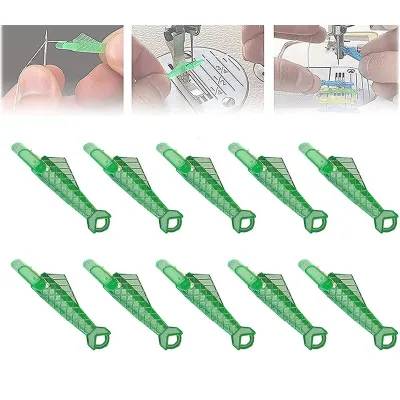
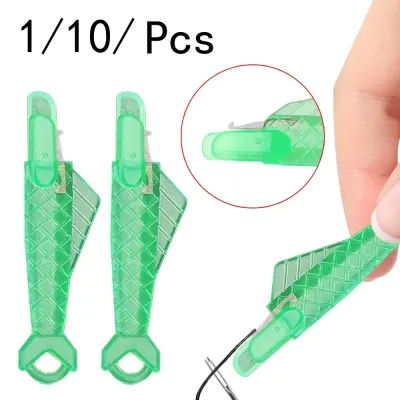
To find the right tool, you must first understand the primary categories of needle threaders available on the market. Handheld manual threaders are the most traditional option, typically consisting of a thin wire loop or a small metal hook attached to a plastic handle. While highly portable and inexpensive, they require a steady hand and do not offer the mechanical assistance of a true machine.
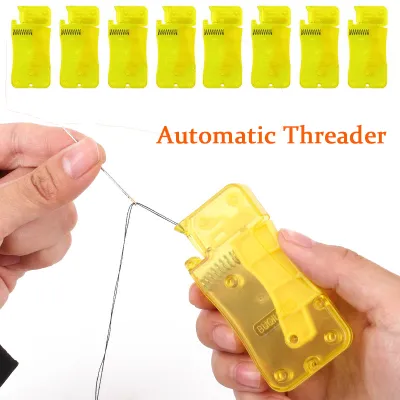
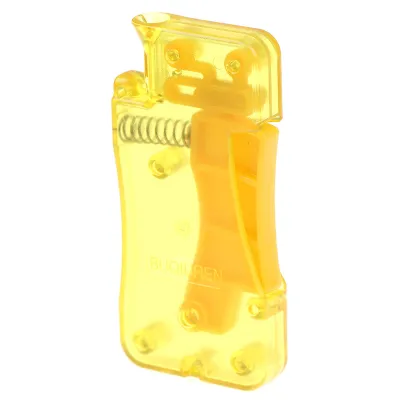
Lever-action desktop models represent a significant step up in ease of use. These mechanical devices sit firmly on your work surface. You place your needle eye-down into a designated slot, lay your embroidery thread across a guide path, and press a lever. The internal mechanism automatically pushes a tiny hook through the needle eye, catches the thread, and pulls it through as you release the lever. These machines are highly favored for their stability and consistent performance.
Products mentioned in this guide
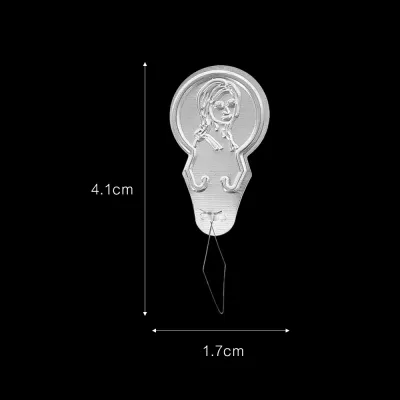
Prices are valid at publication and may change. Please refer to the product page for the latest price.
Automatic or battery-operated threading machines take convenience a step further by using motorized parts to complete the threading process. With these devices, you simply insert the needle and thread, and the machine handles the alignment and threading at the push of a button. While they require a power source, they offer the lowest physical effort for crafters who struggle with manual dexterity.
Embroidery presents unique challenges that make choosing the right threader type crucial. Unlike standard garment sewing, which typically uses fine, single-strand polyester thread, embroidery involves a wide variety of thread weights. You will frequently work with multi-stranded cotton floss, metallic threads, or thick tapestry wool. Because you must change thread colors constantly to build shading and texture, your threading workflow needs to be highly efficient. A desktop or automatic machine provides the stability required to handle these frequent changes without bending your needles or splitting delicate fibers.
Each type of threader comes with its own learning curve and physical demands. Handheld wire loops are simple to understand but can easily break if pulled too hard through a tight needle eye. Desktop mechanical models require a brief adjustment period to learn the correct needle placement depth, but they demand very little physical force once mastered. Battery-operated units offer the easiest operation but require you to keep track of battery levels and ensure the delicate internal sensors remain free of lint.
Key Features to Evaluate for Ease of Use
When evaluating different needle threader machines, several key design elements will determine how beginner-friendly the device actually is during daily use.

Visibility and lighting are critical factors, especially when working in typical Singapore home environments where lighting can vary throughout the day. Many advanced desktop and automatic threaders feature built-in LED lights that illuminate the needle slot directly, making it much easier to verify that the needle eye is aligned correctly. Some models also include integrated magnifying glasses or adjustable lenses. These optical aids are incredibly helpful for beginners who are still training their eyes to recognize different needle sizes and orientations.
Needle size compatibility is another vital specification to verify before making a purchase. Embroidery needles, often referred to as crewel needles, have medium-to-long eyes and sharp points, ranging in size from very fine (size 10) to relatively thick (size 1). Tapestry needles, used for cross-stitch, have much larger eyes and blunt tips. You must check the manufacturer’s specifications to ensure the threader machine can accommodate the specific range of needle sizes you plan to use. A machine designed solely for standard sewing needles may have a threading hook that is too large for fine embroidery needles, which can damage both the needle and the machine’s internal mechanism.
Thread guides and tension mechanisms play a major role in preventing frustration. High-quality threader machines feature smooth, polished guides that hold the embroidery floss securely in place without pinching. If the tension is too tight, or if the guide path has rough plastic edges, multi-stranded cotton floss can easily catch, fray, or snap. Look for machines that allow the thread to glide freely through the mechanism.
Ergonomics should not be overlooked, particularly if you plan on long crafting sessions or have limited hand strength. A desktop machine with a wide, slip-resistant base and a large, comfortable lever requires minimal effort to operate. This design allows you to use the palm of your hand rather than a precise pinch grip, reducing fatigue and making the embroidery process much more accessible and enjoyable.
Matching the Threader to Your Embroidery Workflow
Selecting the ideal needle threader machine depends heavily on your personal embroidery habits, your physical workspace, and where you prefer to do your crafting.
Portable handheld options are highly suited for crafters who do not have a dedicated sewing room. If you enjoy stitching while sitting on the sofa, traveling, or attending local crafting meetups in Singapore, a compact, lightweight threader is highly practical. These portable devices fit easily into a small sewing tin or pouch alongside your embroidery hoops, scissors, and skeins of floss. They allow you to maintain your workflow wherever inspiration strikes, though they do require more manual stability than desktop units.
Desktop and clamp-on models are the gold standard for dedicated crafting stations. If you have a specific desk or table set aside for your textile projects, a stationary mechanical threader is an excellent investment. Many of these models feature weighted bases or suction cups that secure them firmly to your table. This stability allows for true one-handed operation: you can hold your embroidery hoop in one hand while quickly threading a new needle with the other. This setup dramatically speeds up projects that require frequent color transitions.
Automatic or battery-operated units are highly recommended for beginners who struggle with manual alignment or have visual impairments. These machines eliminate the guesswork of positioning the needle eye perfectly. However, when choosing a battery-operated model, it is important to consider practical maintenance. In Singapore’s warm and humid climate, batteries left inside unused devices can leak and corrode the internal contacts. If you choose an automatic unit, look for models that use standard, easily replaceable battery types (such as AA or AAA), and remember to remove the batteries if you plan to store the machine unused for an extended period.
Pre-Purchase Verification and Safety Checks
Before purchasing a needle threader machine from online marketplaces or local craft shops, performing a few pre-purchase checks will help you avoid incompatible products and ensure a smooth experience.
First, cross-reference the machine’s stated needle and thread thickness limits with your actual embroidery supplies. Do not rely on vague product titles that claim a “universal fit.” Instead, look for detailed specification charts in the product description. If you primarily use six-strand cotton embroidery floss, verify that the machine’s threading hook is designed to handle that specific thickness. Attempting to force thick thread through a machine meant for fine sewing thread will likely bend the internal hook, rendering the device useless.
Second, check for clear manufacturer instructions and reliable customer support. A quality needle threader machine should come with a detailed user manual, ideally with clear diagrams or links to instructional videos. Additionally, verify the seller’s return policies and warranty terms. Purchasing from reputable sellers who offer local return options in Singapore provides peace of mind in case the device arrives damaged or is incompatible with your specific needles. Whether you are looking for a budget-friendly manual option or a premium automatic machine costing upwards of S$40, verifying these terms beforehand protects your investment.
Third, learn to identify red flags in product listings on e-commerce platforms. Be cautious of listings that lack clear dimensions, do not specify compatible needle sizes, or use generic stock photos without showing the internal threading mechanism. If a listing makes grand claims of working with “all needles and threads” without providing technical details, it is best to look for an alternative.
Finally, if you are unsure about compatibility with specialized embroidery needles, such as double-eyed or curved needles, stop and consult the manufacturer or seller before checking out. Sending a quick inquiry about your specific needle brand and size can save you the hassle of a return and ensure you get a tool that perfectly supports your new embroidery hobby.
Frequently Asked Questions (FAQ)
Can I use a standard sewing needle threader for embroidery needles?
Yes, but you must carefully check the compatibility specifications first. Standard sewing needles often have rounder, smaller eyes compared to the long, narrow eyes of embroidery needles. If the threading wire or hook on a standard threader is too thick, forcing it through a fine embroidery needle eye can bend the wire or break the needle. Always match the needle size to the threader’s recommended range to ensure safe operation.
Why does my embroidery floss keep breaking in the threader?
Floss breakage is usually caused by using too many strands for the needle eye size, or by rough edges on the threader’s hook. Embroidery floss is multi-stranded, and attempting to pull all six strands through a tiny eye creates immense friction. Try reducing the number of strands, checking the internal hook for tiny metal burrs, and ensuring you are not pulling the thread at an awkward angle.
How do I clean and maintain a mechanical needle threader?
To keep your mechanical threader operating smoothly, regularly remove lint and thread dust from the needle slot using a soft-bristled brush or a can of compressed air. Avoid using liquid lubricants or oils inside the mechanism unless specifically recommended by the manufacturer, as these can attract more lint and clog the moving parts. Store the device in a dry, dust-free container to protect the delicate metal hooks from moisture and rust.
Community discussion
Share your experience or ask a question. Comments are reviewed before publication.