
Quick Guide to Buying an Official EZ-Link Card
Navigating Singapore’s public transport system requires a reliable smart card, making the EZ-Link card an essential tool for both residents and visitors. To ensure seamless travel on MRT trains and public buses, purchasing an authentic card through official channels is paramount. The safest way to buy an official EZ-Link card is through SimplyGo Ticket Offices (formerly TransitLink), Passenger Service Centres at MRT stations, and authorized convenience store partners.
Buying from unverified third-party sellers carries significant risks, as unauthorized vendors often distribute modified, cloned, or expired cards. These invalid cards can lead to immediate confiscation by transit authorities, financial loss, or even penalties for fare evasion. To guarantee your card’s legitimacy, utilizing the official EZ-Link App or SimplyGo App on an NFC-enabled smartphone remains the most effective method for instant digital verification.
Authorized Channels to Buy Official EZ-Link Cards
When purchasing transit cards in Singapore, relying on authorized channels eliminates the risk of acquiring counterfeit or compromised products. Both physical and digital official networks are widely accessible across the island, providing convenient options for every commuter.
Products mentioned in this guide
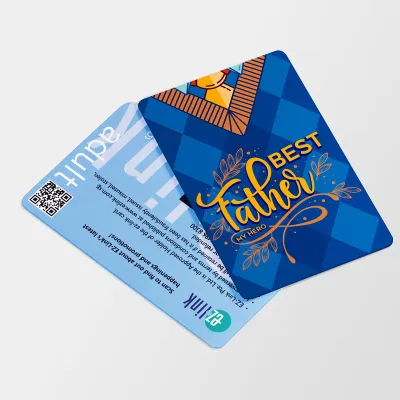
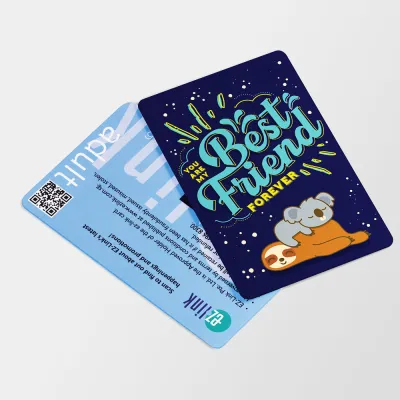
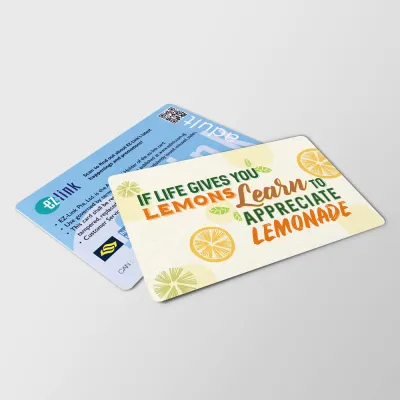
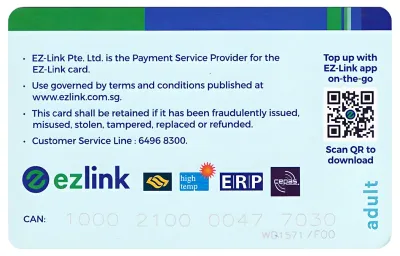
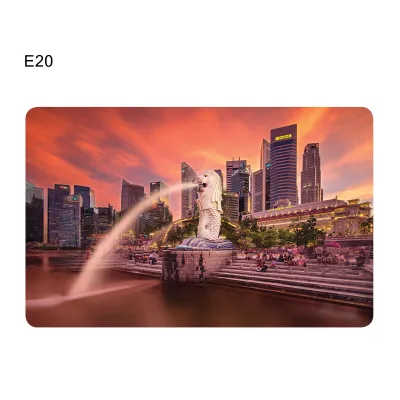
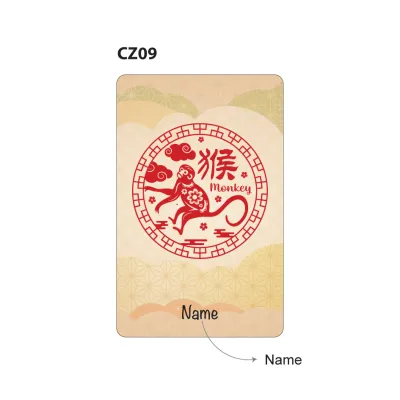

Prices are valid at publication and may change. Please refer to the product page for the latest price.

Physical Transit and Retail Locations
For immediate use and absolute certainty of authenticity, physical purchases at designated transit points are highly recommended. SimplyGo Ticket Offices and Passenger Service Centres, located within major MRT stations and bus interchanges, sell official cards directly to commuters. A standard EZ-Link card purchased at these ticketing offices typically costs S$10, which includes a S$5 non-refundable card fee and S$5 of usable travel value.
Authorized retail partners offer another highly accessible offline route for buyers. Major convenience store chains, specifically 7-Eleven and Cheers, stock official EZ-Link cards at checkout counters, often featuring unique local designs or limited-edition collaborations. Additionally, selected SingPost (Singapore Post) outlets and authorized bookstores carry legitimate transit cards. Purchasing from a physical storefront allows you to immediately inspect the card’s exterior and conduct a functional tap test at the nearest MRT gantry or bus card reader before leaving the transit hub.
Official Online and E-Commerce Channels
If you prefer shopping online or wish to secure a card before arriving in Singapore, digital channels provide a secure alternative when navigated correctly. The official EZ-Link website and the integrated EZ-Link mobile application host direct sales portals where users can order physical cards, register existing cards, or purchase specialized wearable transit charms. These official platforms ensure that the card is dispatched directly from authorized warehouses to your shipping address.
When utilizing major online marketplaces or e-commerce platforms, it is critical to verify the seller’s credentials to avoid scalpers and fraudulent listings. Look exclusively for official flagship stores that carry verified badges, such as “Mall” or “Preferred” tags, and confirm that the seller is listed as the official EZ-Link brand store. Avoid purchasing from individual community marketplace listings, unverified third-party resellers, or social media groups where sellers offer bulk discounts or unverified “custom” transit cards.
How to Spot Unauthorized Sellers and Invalid Cards
Fraudulent sellers often exploit the high demand for transit cards by offering counterfeit, altered, or expired stock. Recognizing the warning signs of unauthorized listings and knowing how to physically evaluate a card will protect you from falling victim to transit scams.
Common Red Flags and Scam Tactics
One of the most prevalent tactics used by unauthorized sellers is marketing “hacked,” “cloned,” or “unlimited ride” EZ-Link cards. It is important to understand that Singapore’s Land Transport Authority (LTA) does not authorize unlimited-use consumer cards outside of official tourist passes, such as the Singapore Tourist Pass. Any card advertised as having modified software, bypassed security protocols, or pre-loaded balances sold at a fraction of their face value is illegal and will be blacklisted and confiscated upon contact with transit readers.
Pricing anomalies are another major indicator of a potential scam. Be skeptical of sellers offering standard cards significantly below the official S$10 retail price, as well as scalpers charging heavily inflated prices for standard cards during peak travel seasons or major events. Furthermore, a legitimate seller will never object to a buyer verifying the card’s serial number or testing its functionality via a smartphone NFC scan prior to finalizing a peer-to-peer transaction.
Physical and Visual Checks for Authentic Cards
An authentic EZ-Link card complies with strict manufacturing standards, featuring a standard CR80 physical dimension of 85.6mm by 53.98mm with rounded corners. The card surface should display high-resolution, crisp printing with vibrant colors, and any official logos—including the EZ-Link and SimplyGo branding—must be clearly legible without blurriness. Official limited-edition cards may also feature specific holographic security overlays or matte finishes that are difficult for counterfeiters to replicate.
Examine the card closely for any signs of physical tampering or aftermarket modifications. Look for peeling plastic layers, uneven edges, or excessive thickness, which often indicate that a standard card chip has been extracted and placed under a custom sticker. If you detect exposed copper wiring, small bumps under the surface, or signs of cutting and re-gluing, the card has likely been structurally altered. While these visual checks are valuable preliminary measures, they cannot fully substitute for a digital authenticity check.
How to Verify Your EZ-Link Card Authenticity
Digital verification is the only foolproof method to confirm that your transit card is authentic, active, and legally registered within Singapore’s transit network. Fortunately, several free and accessible tools allow commuters to perform these checks instantly.
Using the EZ-Link App for NFC Verification
Modern smartphones equipped with Near Field Communication (NFC) technology can serve as portable card readers to verify legitimacy within seconds. To begin, download and launch the official EZ-Link App or the SimplyGo App from your device’s official app store. Ensure that NFC is enabled in your smartphone’s system settings, then navigate to the card registration or balance check section within the application.
Hold your physical card steadily against the NFC antenna on the back of your smartphone until the app registers a connection. A genuine, active card will instantly display its unique 16-digit CAN (Card Identification Number), current stored value, and a detailed log of recent bus or train transactions. If the application fails to recognize the card entirely, displays an “invalid card” error, or indicates that the card status is “blocked” or “blacklisted,” the card is highly likely to be a counterfeit or a deactivated unit.
Checking at Transit Kiosks and Ticketing Machines
If your smartphone does not support NFC or you encounter connectivity issues, physical transit infrastructure across Singapore provides reliable verification alternatives. Walk to any MRT station or bus interchange and locate a SimplyGo Kiosk, General Ticketing Machine (GTM), or Assisted Service Kiosk. These machines feature physical card readers where you can place your card to retrieve real-time data.
Once placed on the reader, the machine’s screen will display the card’s serial number, current balance, and exact expiry date. If the machine displays an error code or fails to read the card, seek assistance at the adjacent Passenger Service Centre. While tapping your card at an MRT gantry or a bus card reader and observing a green light with a successful fare deduction confirms that the card is currently functional, it does not fully verify whether the card has been illegally modified or is subject to future deactivation.
What to Do If You Bought an Invalid or Unauthorized Card
Discovering that you have purchased a fraudulent or non-functional card requires prompt action to minimize financial loss and avoid legal complications. Continuing to use a compromised card on public transport can result in penalties or investigations by transit staff.
First, immediately cease using the suspicious card for transit or retail payments. Attempting to pass through MRT gantries with a cloned or hacked card will trigger system alerts, leading to immediate card confiscation and potential fines for fare evasion. Keep the card as physical evidence of the transaction, but do not attempt to top it up or link it to your personal bank accounts.
Next, report the incident directly to EZ-Link customer service or visit a SimplyGo Ticket Office to explain the situation. While transit authorities cannot refund or replace cards purchased from unauthorized third parties, their technical teams can analyze the card to track fraudulent serial numbers and prevent further scams. If the purchase occurred on an online marketplace, file a formal dispute through the platform’s resolution center to request a refund, and report the seller’s account for violating terms of service. For significant financial losses or organized scams, you should also file a report with the Consumers Association of Singapore (CASE) or the Singapore Police Force to assist in curbing unauthorized card distribution.
Frequently Asked Questions (FAQ)
Can I use a customized or physically modified EZ-Link card?
While official customized designs and licensed EZ-Link charms are perfectly safe to use, physically modifying a standard card yourself is highly discouraged. Altering the card by cutting it, drilling holes, peeling the outer layers, or attempting to dissolve the plastic to extract the RFID chip can easily fracture the delicate internal copper antenna coil. Structurally modified cards are prone to read failures at transit gantries, will be rejected by transit officers, and are completely excluded from any official replacement or refund policies.
Do official EZ-Link cards have an expiry date?
Yes, official EZ-Link cards possess a standard validity period of five years from the date of their initial encoding and manufacture. Once a card reaches its expiry date, it can no longer be used for transit fares or retail transactions. You can easily check your card’s exact expiry date via the official EZ-Link App, SimplyGo App, or at any MRT ticketing machine. To avoid purchasing expired stock, always verify the expiry date of any card offered by third parties, as unauthorized sellers frequently attempt to offload near-expiry or fully expired cards at discounted rates.
Community discussion
Share your experience or ask a question. Comments are reviewed before publication.