
Assembling a thoughtful stationery gift bundle for a student on a S$30 budget requires a strategic balance between daily utility and a touch of novelty. The most successful bundles avoid generic, low-quality multipacks in favor of high-frequency essentials that perform reliably under daily classroom pressure. By allocating your funds carefully, you can deliver a highly functional set of tools that feels personalized and premium without crossing your financial limit.
To achieve this, focus on items that students interact with constantly, such as writing instruments, notebooks, and correction tools. A well-curated bundle not only supports academic productivity but also shows that you understand the student’s daily routines and preferences. By prioritizing verifiable specifications over flashy, licensed character designs, you ensure that every dollar of your S$30 budget is spent on genuine quality and usability.
Allocating Your S$30 Budget for Maximum Impact
To make the most of a S$30 budget, divide your spending into distinct categories rather than buying items at random. A highly effective allocation strategy is the 60/40 split: dedicate approximately S$18 to high-frequency everyday consumables and S$12 to a single, high-quality “hero” item that serves as the centerpiece of the gift. This ensures the student receives both the practical tools they need for daily classes and a durable, memorable item they can use for semesters to come.
Products mentioned in this guide
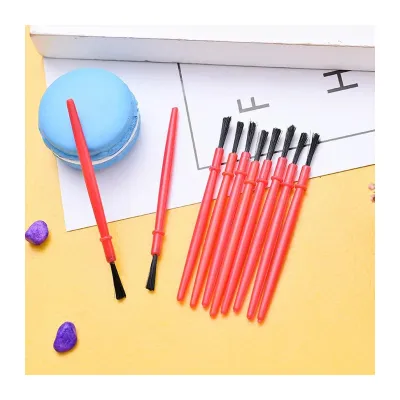
Prices are valid at publication and may change. Please refer to the product page for the latest price.
When funds are limited, prioritize functional reliability over elaborate, decorative packaging. Licensed cartoon characters or heavily decorated covers often carry a premium price tag that reduces the actual quality of the stationery inside. By choosing minimalist, clean designs, you can secure higher-grade paper, smoother ink flow, and sturdier bindings for the exact same price.
Additionally, always account for hidden costs before finalizing your selections. If you are purchasing items from online marketplaces, shipping fees can easily consume S$3 to S$5 of your total budget. If you are shopping at physical retail stores, remember to factor in the cost of a simple gift bag, wrapping paper, or a greeting card. Reserving a small buffer of S$3 for these finishing touches ensures your final checkout total remains strictly under the S$30 limit.
Choosing Reliable Everyday Essentials
The foundation of any great stationery bundle consists of the tools the student will use every single day. When selecting writing instruments, pay close attention to nib sizes and ink properties. A 0.5mm gel pen is generally preferred for precise note-taking and fitting text into tight margins, while a 0.7mm ballpoint pen offers a bolder, smoother line for general writing. Ensure the ink is specified as quick-drying to prevent smudging, especially during rapid lecture transcription. Because ink performance and drying speed depend heavily on the exact combination of pen ink and paper fibers, advise the recipient to perform a quick trial stroke in an inconspicuous corner of their new notebook before committing to full-page notes.

Paper products require careful inspection of weight and binding specifications. Standard copy paper is typically 70 to 80 grams per square meter (gsm), which is highly prone to ink feathering and bleed-through when using gel pens or highlighters. To prevent this, look for notebooks with a paper weight of 100 gsm or higher. Furthermore, check the binding type; thread-sewn or lay-flat bindings allow the notebook to open completely flat, providing a comfortable writing surface across the entire page, whereas cheap spiral bindings can bend easily and snag on backpack fabrics.
Correction aids are another daily necessity that must perform flawlessly. Select erasers that are labeled as dust-free or non-abrasive, which lift graphite cleanly without tearing delicate paper fibers. If choosing correction tape, verify the tape width—5mm is the standard size for single-line corrections—and look for a total tape length of at least 6 meters to ensure long-lasting utility. It is also wise to check if the correction tape dispenser is compatible with standard refills, which provides the student with an eco-friendly and cost-effective way to continue using the tool.
Selecting a Thoughtful "Hero" Item
A “hero” item elevates the entire bundle from a collection of loose supplies into a cohesive, exciting gift. A durable, well-designed pencil case is an excellent choice for this role. Before purchasing, verify the internal dimensions of the case to ensure it can comfortably accommodate standard-length wooden pencils, gel pens, and a 15-centimeter ruler without bending or damaging them. Look for models made from sturdy canvas or water-resistant polyester, featuring robust zippers and multiple internal compartments to help the student organize small items like paperclips, erasers, and flash drives.
Alternatively, you can choose organization tools such as a high-quality academic planner or a set of premium highlighters as your hero item. If selecting highlighters, look for chisel-tip designs that allow for both broad highlighting and fine underlining. For planners, ensure the layout matches the student’s academic year and provides ample space for daily assignment tracking.
Regardless of the hero item you choose, perform a thorough quality check to avoid common manufacturing pitfalls. Avoid novelty items that emit strong chemical odors, as these can indicate the use of low-grade plastics, solvents, or unstable adhesives. Inspect the stitching on fabric items and the hinges on plastic organizers to ensure they can withstand the wear and tear of a busy school year. Prioritize products that clearly list their material composition and safety standards on the packaging.
Assembling and Packaging the Bundle
The presentation of your stationery bundle plays a significant role in how the gift is received, but you do not need to spend a fortune on single-use wrapping paper. Instead, opt for sustainable, reusable packaging solutions. A clear mesh zipper pouch or a small canvas drawstring bag serves as an excellent, eco-friendly wrapping alternative. Not only do these options keep your packaging costs low, but the student can also reuse them as extra utility organizers for cables, art supplies, or personal items inside their school bag.
When assembling the bundle, use practical techniques to secure the items and create an appealing visual layout. Place heavier, flat items like notebooks or planners at the very bottom of the box or pouch to create a stable base. Use natural paper shred or raffia to cushion smaller, delicate items like pens, erasers, and correction tapes, preventing them from shifting, scratching, or rattling during transit.
To add a deeply personal touch without increasing your budget, include a handwritten note on a small piece of cardstock. You can also create a simple, custom “stationery care” card. This card can offer practical tips, such as storing gel pens horizontally to maintain consistent ink flow, or washing a canvas pencil case in cold water to preserve its shape and color. These small details demonstrate thoughtfulness and show the recipient that you care about the longevity of their new tools.
Shopping Smart and Verifying Before Checkout
To keep your total expenditure strictly under S$30, you must shop strategically across different retail channels. Local physical stationery chains in Singapore offer the distinct advantage of immediate inspection, allowing you to test pen smoothness, feel paper textures, and check zipper quality before spending any money. However, online marketplaces and ecommerce platforms often provide competitive bundle deals, bulk discounts, and a wider variety of minimalist designs. When shopping online, be sure to calculate shipping costs early so they do not push your total over the S$30 limit.
When purchasing online, a common pitfall is misunderstanding product quantities due to misleading product photography. Sellers frequently display images of an entire box of pens or a stack of notebooks when the listing price is actually for a single unit. Always read the product description carefully to verify the exact package quantity (such as “1 piece” versus “1 box of 12”) and double-check the listed dimensions in centimeters to ensure the items are the size you expect.
Finally, review the seller’s return and exchange policies before completing your purchase. This is particularly important if you are buying specialized items, such as specific notebook formats or technical drawing pens, which the student might need to exchange to comply with their school’s strict curriculum requirements. A flexible return policy ensures that your gift remains highly practical and stress-free for the recipient.
Frequently Asked Questions (FAQ)
What if the student is left-handed?
Left-handed students face unique challenges in the classroom, particularly with ink smudging as their hand moves across the page. When building a bundle for a left-handed student, prioritize ultra-quick-dry gel pens or specialized fast-drying ballpoint pens to ensure clean, smudge-free notes. Additionally, look for symmetrical scissors that can be used comfortably with either hand, and verify if the correction tape dispenser is designed for left-handed use or features a dual-directional application mechanism. Always check product labels for specific left-handed design indicators to ensure the tools are genuinely usable.
Can I include art supplies in a general school bundle?
Including art supplies is a wonderful way to personalize a stationery bundle, provided you know the student has dedicated art classes or a personal hobby in drawing. Stick to versatile, high-quality basics such as a small set of break-resistant colored pencils or a compact solid watercolor pan rather than highly specialized professional mediums. When selecting these items, always verify that the pigments and binders carry recognized non-toxic safety certifications on the packaging, especially if the student is younger or will have prolonged skin contact with the materials.
Community discussion
Share your experience or ask a question. Comments are reviewed before publication.