
To verify that a Singapore S$1000 banknote is authentic before purchasing it as a gift, you must systematically inspect its physical security features, utilize basic verification tools, and purchase only through highly reputable channels. Because the Monetary Authority of Singapore (MAS) discontinued the issuance of the S$1000 note in January 2021 to mitigate money laundering risks, these high-denomination notes have transitioned from circulating currency into highly sought-after collectible items. Authenticating them requires checking tactile elements like raised intaglio printing, optical features like the security thread and watermark, and verifying the note’s physical integrity under proper lighting.
Understanding the Risks of Buying Collectible Banknotes
Acquiring a high-denomination banknote as a gift or collectible involves navigating a specialized secondary market where prices often exceed the face value of the note. Since these notes are no longer actively printed, their scarcity drives a premium that depends heavily on the note’s series, serial number, and physical condition. This premium value makes the S$1000 note an attractive target for counterfeiters and dishonest sellers looking to exploit unsuspecting buyers.
The secondary market contains various risks, ranging from crude color photocopies to highly sophisticated replicas that mimic genuine paper textures. Some sellers may offer altered notes, where serial numbers have been chemically modified or physically scraped to create the illusion of a rare collector’s edition. Other risks include washed notes, which have been chemically treated to remove dirt but suffer from degraded paper fibers and faded security features, severely reducing their collectible value.
Products mentioned in this guide
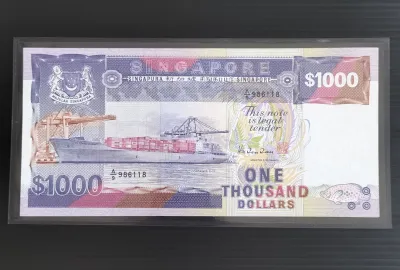
Prices are valid at publication and may change. Please refer to the product page for the latest price.
Relying solely on a casual visual inspection in a poorly lit environment is a common mistake. Without a structured verification process, it is incredibly difficult to distinguish a high-quality replica from a genuine banknote. Understanding the specific design elements and physical characteristics of official Singapore currency is the first and most crucial line of defense against financial loss.
Official Security Features to Inspect on S$1000 Notes
When examining a S$1000 banknote, the first step is to evaluate its tactile characteristics. Genuine Singapore banknotes are printed on specialized paper that has a distinct, crisp texture unlike standard commercial paper. You should feel for the raised intaglio printing on key areas of the note, such as the portrait of Singapore’s first president, Yusof bin Ishak, the national coat of arms, and the large “1000” denomination numeral. Running your fingers gently over these areas should reveal a distinct physical texture that is difficult for standard printers to replicate.

Next, hold the banknote up to a direct light source to inspect its optical and embedded features. A genuine note features a highly detailed watermark of Yusof bin Ishak that transitions smoothly between light and dark tones, accompanied by a localized multi-tone design. The security thread should appear fully embedded within the paper fibers rather than printed on the surface, showing clear, micro-printed text when viewed closely under light.
Color-shifting elements provide another reliable indicator of authenticity. On the S$1000 Portrait Series note, specific design elements change color dynamically when the note is tilted at different angles. This optical variation is created using specialized inks that are restricted to official banknote production, making it a primary feature to check during an in-person inspection.
Finally, assess the structural integrity of the banknote to identify signs of alteration or repair. Carefully examine the edges and corners for any unevenness, which could indicate that two different notes have been joined together. Look closely at the serial numbers to ensure they are perfectly aligned, have consistent ink density, and show no signs of scraping or chemical discoloration that would suggest tampering.
Practical Verification Methods and Tools
To conduct a thorough inspection, you should always consult official educational resources provided by the Monetary Authority of Singapore (MAS). These publications offer detailed diagrams and checklists of the security features present on each banknote series, including the Portrait Series and older Ship or Bird Series. Having these official guides on hand allows you to compare the note in question directly against authorized specifications.
Using basic inspection tools can significantly increase your confidence during the verification process. A simple magnifying loupe with 10x magnification is highly effective for checking micro-printing. On a genuine S$1000 note, tiny, sharp text is embedded within specific design lines, whereas counterfeit versions often display blurry, illegible lines under magnification.
A handheld ultraviolet (UV) light source is another invaluable tool for revealing hidden security features. Under UV light, genuine banknote paper remains dull because it does not contain optical brighteners, while specific design elements, embedded fibers, and serial numbers will glow in vibrant, fluorescent colors. If the entire banknote glows brightly under UV light, it is a strong indication that the note was printed on standard commercial paper.
For high-value transactions, relying on professional numismatic grading services is the safest approach. These independent organizations evaluate the note’s authenticity, assign a standardized grade based on its physical condition, and seal it in a tamper-evident protective holder. Purchasing a pre-graded note eliminates the guesswork and provides a secure guarantee of authenticity for both you and the gift recipient.
Evaluating Safe Purchasing Channels
Selecting the right purchasing channel is just as important as inspecting the banknote itself. Authorized numismatic dealers and established physical collectible shops in Singapore offer the highest level of security, as these businesses rely on their reputation and often employ experienced experts to verify every piece. While online marketplaces and peer-to-peer platforms may offer convenient browsing, they carry significantly higher risks due to the lack of buyer protection and verification standards.
When browsing listings, look out for common red flags that suggest a high risk of fraud. Be cautious of sellers who use stock photos instead of high-resolution images of the actual banknote being sold, or those who offer unrealistic discounts far below the note’s market value. A reputable seller should always provide clear, close-up photos of the serial numbers, corners, and security features, along with a transparent return and refund policy.
If you are purchasing a note that is advertised as professionally graded, always verify the certification details. Use the unique certification number on the holder to check the grading service’s official online database. Ensure that the serial number, grade, and series details on the physical holder match the online record exactly, as counterfeiters sometimes attempt to place replica notes inside counterfeit or tampered grading holders.
What to Do If You Suspect a Counterfeit
If you suspect a banknote is counterfeit during a pre-purchase inspection, you should immediately halt the transaction. Do not proceed with the payment, and politely decline the purchase, explaining the specific security discrepancies you observed. It is always better to walk away from a deal than to risk acquiring a fraudulent note.
If you have already purchased or received a note that you suspect is fake, do not attempt to spend, pass, or circulate it, as doing so is a serious legal offense. Avoid attempting to clean, iron, or chemically treat the note to improve its appearance, as these actions can destroy physical evidence and further damage the paper, making professional verification impossible.
Report the suspected counterfeit note to the local police immediately so they can conduct a proper investigation. If the transaction occurred on an online marketplace, initiate a formal dispute resolution process with the platform, providing detailed photos of the security discrepancies and any professional feedback you have received to secure a refund.
Frequently Asked Questions (FAQ)
Can I use a Singapore $1000 banknote for everyday transactions?
Yes, the Singapore S$1000 banknote remains legal tender, meaning it is still officially recognized currency. However, because MAS stopped issuing new S$1000 notes in 2021, they are rarely seen in daily circulation. Most ordinary merchants and retail outlets do not accept them for everyday transactions due to a lack of change and security concerns. Consequently, these notes are primarily treated as collectible items and preserved as high-value gifts or investments.
How should I store and present a collectible banknote as a gift?
To preserve the physical condition and collectible value of a S$1000 banknote, store it in an archival-quality, PVC-free protective sleeve or a rigid currency holder. Avoid touching the paper surface directly with bare hands; instead, use cotton gloves or handle the note only by its edges to prevent transferring natural skin oils. Keep the presented gift away from high humidity, direct sunlight, and extreme temperatures to prevent the paper from yellowing or warping over time.
Community discussion
Share your experience or ask a question. Comments are reviewed before publication.