
Choosing the right 4-ply cotton yarn depends on matching the yarn’s manufacturing style to your specific project goals. There is no single universal brand that outperforms all others, as performance in softness, durability, and price is determined by fiber processing rather than a label. By understanding how cotton is spun, treated, and priced, you can make an informed decision that balances your budget with the physical requirements of your craft.
Mercerized cotton offers high durability and a glossy finish, making it ideal for structured items like toys or bags. Unmercerized or soft-spun cotton provides superior softness and absorbency, making it perfect for wearable items or household utilities. To find the best value, look past the brand name and evaluate the fiber blend, yardage, and weight listed on the product label.
Key Quality Attributes: Softness, Durability, and Price Factors
Softness and Fiber Characteristics
The softness of 4-ply cotton yarn is primarily determined by the staple length of the raw cotton fibers used during manufacturing. Long-staple cottons, such as Pima or Egyptian cotton, feature longer individual fibers that require fewer joins when spun into thread. This results in a naturally smoother surface with fewer exposed fiber ends, reducing the scratchiness often associated with lower-grade cotton.
Products mentioned in this guide
![[SG Stock] [No.50-87] 4 Ply Milk Cotton Yarn 50g | Soft Crochet & Knitting Yarn for Amigurumi | 86 Colours 依棉 4股牛奶棉 钩针棉线](https://img.lazcdn.com/g/p/9c11f7fc6bfe9ef6fef8bf77df0df76b.jpg_400x400q80.jpg_.webp)
![[SG Stock] [No.1-49] 4 Ply Milk Cotton Yarn 50g | Soft Crochet & Knitting Yarn for Amigurumi | 86 Colours 依棉 4股牛奶棉 钩针棉线](https://img.lazcdn.com/g/p/77dda39a9f57143676ccc0867b5f1caa.jpg_400x400q80.jpg_.webp)
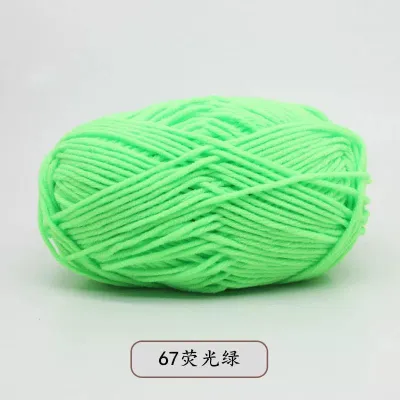
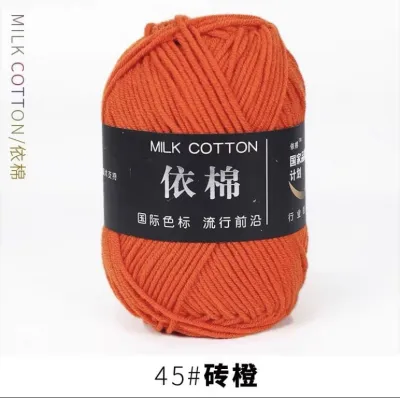
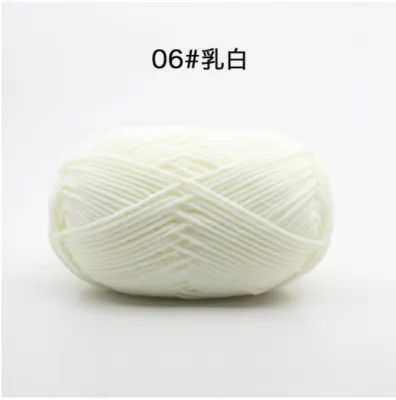
![[SG Ship]4-Ply Milk Cotton Yarn Yellow Pink White Red Knitting Crochet 4-Strand](https://img.lazcdn.com/g/p/cdff029035ac4266f5d7c84a3fec8225.jpg_400x400q80.jpg_.webp)
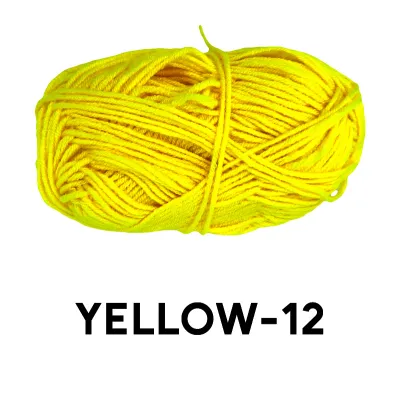
![[SG Ship] 4-Ply Cotton Rainbow Yarn Gradient White Knitting Crochet Milk](https://img.lazcdn.com/g/p/9fab5817cc22fdbccae13ff1a2000339.jpg_400x400q80.jpg_.webp)
Prices are valid at publication and may change. Please refer to the product page for the latest price.
Spinning methods also play a critical role in how soft the yarn feels in your hands. Loosely spun plies allow the natural softness of the cotton to shine through, creating a fluffy, breathable texture. However, some manufacturers apply chemical or enzymatic washes to finished yarns to strip away natural waxes, artificially softening the yarn before it reaches store shelves.
Durability and Structural Integrity
Durability in cotton yarn is a product of ply twist tightness and chemical treatments. A high-twist 4-ply yarn binds the individual fibers tightly together, which significantly increases tensile strength and prevents the yarn from fraying or splitting during use. This tight structure also improves pilling resistance, ensuring your finished projects look neat even after repeated wear.
Mercerization is a specialized treatment where cotton yarn is exposed to a sodium hydroxide bath, causing the flat, ribbon-like cotton fibers to swell into round cylinders. This structural change permanently increases the yarn’s tensile strength, adds a lustrous sheen, and enhances dye absorption for superior colorfastness. Unmercerized cotton remains softer and more absorbent but is more prone to shrinking, stretching, and fading over time.
Price Drivers in the Yarn Market
The retail price of 4-ply cotton yarn is driven by raw material sourcing, dyeing complexity, and brand positioning. Long-staple fibers command a premium because they are more difficult to harvest and process than standard upland cotton. Additionally, artisanal dyeing processes, such as hand-painted or small-batch kettle dyeing, require significant labor and increase the cost per skein compared to mass-produced, commercially dyed yarns.
Import logistics and packaging also influence the final price you pay at the counter. Imported specialty brands from regions known for high-quality spinning mills often carry higher price tags due to shipping fees and customs duties. Mass-market utility cottons, while budget-friendly, typically use shorter fibers and simpler spinning techniques, resulting in a rougher texture.
How to Evaluate and Compare Brands Objectively
Label Verification
Before purchasing any 4-ply cotton yarn, examine the paper band for essential specifications that reveal its true quality. Check the fiber content to confirm whether the yarn is 100% pure cotton or a blend, as acrylic or bamboo blends will alter the softness and elasticity. Look for terms like “mercerized,” “gassed,” or “combed,” which indicate specific manufacturing treatments that enhance sheen and smoothness.

Pay close attention to the recommended knitting needle or crochet hook sizes, which typically range from 2.5mm to 3.5mm for standard 4-ply yarns. Finally, compare the yardage-to-weight ratio listed on the label. A 50-gram ball with 125 meters of yarn is denser and heavier than a 50-gram ball with 170 meters, indicating a tighter twist or a thicker fiber structure that will affect your project’s drape.
Visual and Tactile Checks
When shopping in person or inspecting a newly delivered package, perform a quick visual and tactile assessment of the yarn. Inspect the strand closely to ensure the four plies are evenly twisted around one another without loose loops or sudden changes in thickness. Uneven plying can lead to weak spots in your fabric and make crafting frustrating.
Verify the dye lot numbers printed on the labels of all skeins intended for a single project. Even minor variations in dye batches can create visible, distracting lines across your finished work. To test softness, press the skein against a sensitive area of skin, such as your inner wrist or neck, rather than feeling it with your fingertips, which are less sensitive to subtle roughness.
Swatch Testing
The most reliable way to compare different yarn brands is to create a physical test swatch. Knit or crochet a square measuring at least 10 by 10 centimeters using your intended stitch pattern and tools. Note how easily the yarn glides over your needles or hook, and check if the plies tend to split apart as you work.
Once completed, measure your stitch and row gauge, then wash the swatch according to the care instructions on the label. Let the swatch dry flat on a towel without stretching it. Once dry, re-measure the gauge to calculate the exact shrinkage rate, check for any color bleeding in the wash water, and observe whether the fabric has softened or stiffened after drying.
Decision Framework: Matching Yarn to Your Project
Choose Mercerized 4-Ply Cotton if:
- You are crafting amigurumi or toys: The structural integrity and tight twist of mercerized cotton prevent stuffing from poking through your stitches, while the clean stitch definition highlights intricate details.
- Your project requires high durability: Structured items like market bags, coasters, and placemats benefit from the high tensile strength and wear resistance of mercerized fibers.
- You want a glossy, polished finish: Summer garments, jewelry, and decorative lace items look elegant when crafted with the natural, silk-like sheen of mercerized yarn.
Choose Unmercerized or Soft-Spun 4-Ply Cotton if:
- You are making baby garments or blankets: Next-to-skin comfort is paramount for infants, and the matte, fluffy texture of unmercerized cotton is gentle on sensitive skin.
- High absorbency is required: Functional household items like dishcloths, hand towels, and reusable makeup remover pads rely on the open, untreated fibers of unmercerized cotton to absorb water effectively.
- You prefer a casual, matte aesthetic: Lightweight summer tees, casual scarves, and relaxed-fit cardigans drape beautifully and offer a classic, rustic look when made with soft-spun yarn.
Verify First if:
- Your project involves complex colorwork: Prioritize checking dye lot consistency and testing for color bleeding, especially when pairing high-contrast colors like white and red in the same piece.
- You are working on a large, heavy garment: Verify the yardage accuracy and weight of the yarn, as heavy cotton garments can sag significantly under their own weight if the stitch gauge is too loose.
Sourcing and Price Verification in Singapore
Local and Online Purchasing Avenues
In Singapore, crafters can source 4-ply cotton yarn from physical craft stores, specialized boutique yarn shops, or online marketplaces. Physical retail stores offer the invaluable advantage of tactile inspection, allowing you to feel the yarn and verify colors under natural light before spending your money. Specialized boutiques often carry premium, imported long-staple cottons that are difficult to find elsewhere.
Online marketplaces and e-commerce platforms provide a much wider selection of international brands and budget-friendly utility yarns. While online shopping offers convenience and competitive pricing, it requires careful reading of product descriptions and customer feedback to avoid purchasing low-quality synthetic imitations labeled as pure cotton.
Calculating True Value in S$
To compare the cost of different yarn brands accurately, do not rely solely on the upfront price per ball or skein. A ball of yarn priced at S$4.50 might seem cheaper than one priced at S$8.00, but the cheaper option may contain significantly less yardage. Always calculate the cost per meter to determine the true value of your purchase.
To find this value, divide the retail price in S$ by the total length of the yarn in meters. For example, a S$6.00 ball containing 120 meters costs S$0.05 per meter, while a S$9.00 ball containing 200 meters costs S$0.045 per meter. This simple calculation ensures you are getting the most material for your budget.
Online Ordering Considerations
When purchasing 4-ply cotton yarn online, factor shipping fees into your total cost calculation, as international shipping can quickly erase any savings on the yarn itself. Look for sellers that offer free local shipping thresholds in Singapore to optimize your budget.
Always check the seller’s return and exchange policies regarding defective skeins, such as those with excessive knots or uneven spinning. Finally, order all the yarn required for your project in a single transaction and request matching dye lots from the seller, as sourcing an identical dye lot later can be exceptionally difficult online.
Frequently Asked Questions (FAQ)
Does 4-ply cotton yarn stretch or lose its shape over time?
Yes, cotton yarn naturally lacks the elasticity and structural memory of animal fibers like wool. When knitted or crocheted into garments, the weight of the cotton fibers can cause the piece to sag and stretch vertically over time, especially when wet. To minimize this effect, work at a tighter stitch gauge, choose structured stitch patterns like ribbing or seed stitch, or select a cotton-blend yarn that incorporates elastic fibers like nylon or acrylic. Always wash your cotton garments gently and dry them flat on a horizontal surface rather than hanging them on a line.
How can I prevent 4-ply cotton yarn from splitting while crafting?
Yarn splitting occurs when your knitting needle or crochet hook pierces between the four plies of the yarn rather than catching the entire strand. To prevent this frustration, use tools with blunt, rounded tips rather than sharp, lace-style points that easily divide the plies. Maintain a relaxed, even tension as you work, and ensure your hook or needle size matches the recommended gauge on the yarn label. If you are working with a very loosely twisted yarn, pulling the strand from the outside of the ball rather than the center can help preserve the original twist structure of the plies.

Community discussion
Share your experience or ask a question. Comments are reviewed before publication.