
When selecting a notebook a5 size, the brand name on the cover is often less important than how the pages are engineered. The performance of any paper is determined by three fundamental factors: its basis weight (measured in GSM), its surface coating, and its internal chemical sizing. These elements dictate how ink interacts with the paper fibers, determining whether your writing remains crisp or degrades into a messy blur.
Because writing instruments utilize vastly different ink formulations, no single paper is universally perfect. Fountain pens require well-sized paper to prevent feathering; gel pens need smooth surfaces for quick drying without smudging; markers demand high-GSM or specially treated paper to prevent severe bleed-through. The best choice depends on your dominant pen type, rather than relying on generic “premium” labels.
Decoding Paper Flaws: Bleed-Through, Feathering, and Ghosting
To make an informed decision, you must first learn to diagnose common paper failures. The most disruptive is bleed-through, which occurs when ink penetrates entirely through the sheet, appearing as wet spots on the reverse side. This is typically caused by low paper density, highly absorbent fibers, or an excessively heavy ink flow that overwhelms the paper’s physical structure, rendering the back of each page unusable.
Products mentioned in this guide
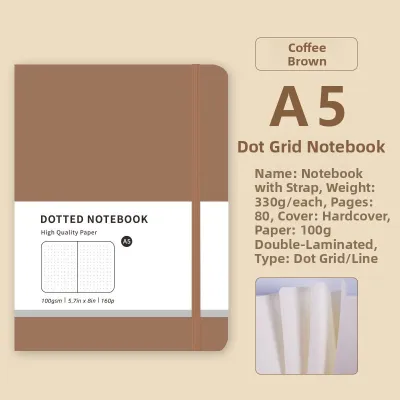
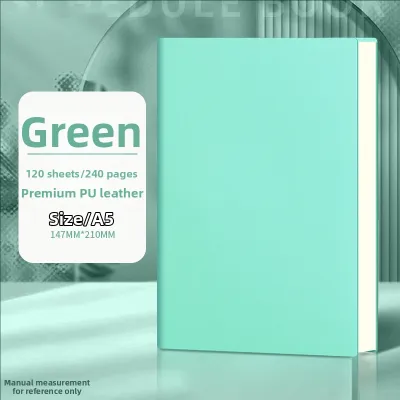
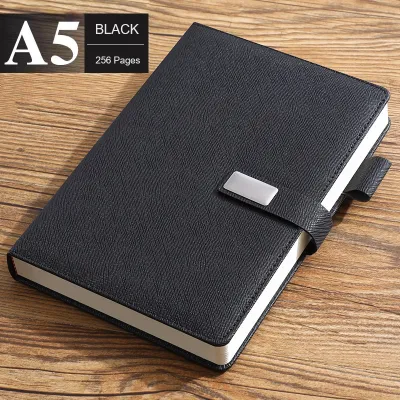
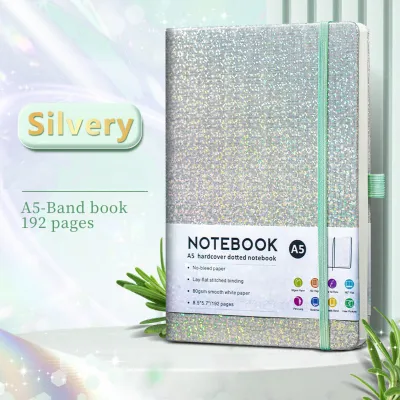
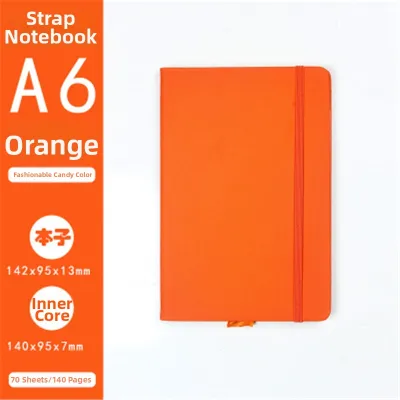
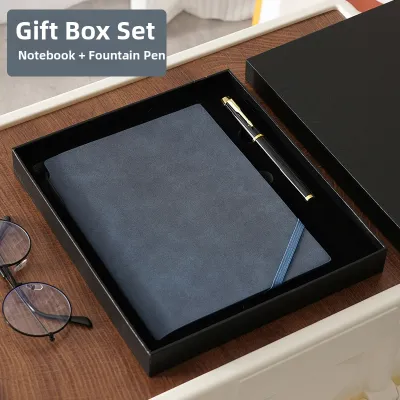
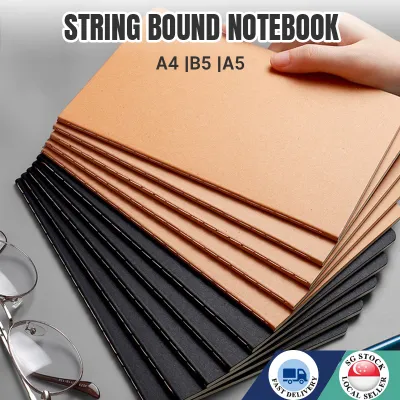
Prices are valid at publication and may change. Please refer to the product page for the latest price.
Feathering is a more subtle issue where ink spreads unpredictably outward along the paper’s microscopic cellulose fibers, creating a fuzzy, spider-web-like appearance that ruins line definition. This is primarily a symptom of poor internal sizing—the chemical treatment applied during manufacturing to control liquid absorption—or the use of highly porous, untreated paper.
Ghosting, or show-through, is the visible shadow of writing on the reverse side without actual ink penetration. While the paper remains dry, the sheet is thin or translucent enough that dark inks easily show through. This is a physical limitation of lower-weight papers, making double-sided writing highly distracting.
In a tropical, high-humidity environment like Singapore, these flaws are often significantly amplified. High ambient moisture transfers to paper fibers, swelling them and reducing their resistance to liquids. Consequently, ink drying times are prolonged, and papers that perform acceptably in dry climates can suddenly exhibit severe feathering, smudging, and increased bleed-through. This makes proper chemical sizing and surface treatment critical for local writers.
How Different Notebook A5 Papers Are Engineered for Ink Control
Paper manufacturers employ several distinct engineering strategies to manage how ink behaves when it contacts the page, with each approach presenting its own set of practical trade-offs.

The first common method is the production of high-GSM uncoated paper, typically ranging from 100 GSM to 160 GSM or more. By utilizing a greater volume of cellulose fibers, these thick papers physically absorb and contain a large volume of liquid before it can reach the reverse side. The primary benefit is excellent resistance to bleed-through and ghosting. However, the trade-off is substantial: a high-GSM notebook a5 is thicker and heavier, which reduces its portability for daily carry and limits the total page count.
The second major engineering approach involves lower-GSM sized or coated paper, typically ranging from 70 GSM to 90 GSM. Instead of relying on physical thickness, these papers are treated with internal chemical sizing (such as gelatin or synthetic polymers) or ultra-thin surface micro-coatings. These chemical barriers seal the spaces between the paper fibers, forcing the ink to pool and dry on the surface rather than soaking into the page. This keeps the notebook lightweight and packed with pages, but because the ink must dry via evaporation rather than absorption, drying times are noticeably longer, increasing the risk of accidental smudging.
The finish and color of the paper also play a crucial role. A highly calendered, ultra-smooth finish allows gel pens to glide effortlessly without catching, but can cause wet fountain pen inks to pool and smudge. Conversely, paper with a slight “tooth” provides tactile feedback that many writers enjoy, though it can wear down delicate felt tips over time. Color choices, such as cream, reduce eye strain under bright lights but do not inherently alter ink performance.
Specific Paper Requirements for Fountain Pens, Gel Pens, and Markers
To choose the right notebook a5, it is essential to understand how the specific chemistry of your preferred writing instrument interacts with the paper.
Fountain Pens
Fountain pens deliver a continuous, water-based stream of ink to the page via capillary action, making them highly demanding. Because fountain pen ink is highly fluid, the paper must possess a precise level of internal chemical sizing. This sizing acts as a gatekeeper, slowing down the absorption rate just enough to prevent the ink from spreading laterally (feathering) or sinking straight through (bleeding), while still allowing the ink to bind securely to the fibers.
If the paper is highly absorbent and lacks proper sizing, the ink will immediately bloom across the page, turning a fine nib into a thick, messy line. Conversely, if the paper is overly coated or non-porous, the ink will sit on top of the page indefinitely, forming wet beads that easily smudge. The ideal paper strikes a delicate balance: it should feature high-quality sizing that preserves crisp line edges, displays the unique shading and sheen properties of the ink, and allows for a reasonable drying time. When shopping, looking for papers specifically designated as “fountain pen friendly” is a reliable starting point.
Gel Pens
Gel pens utilize a water-based gel ink that is highly pigmented and thicker than fountain pen ink. This gel ink exhibits shear-thinning behavior: it remains viscous inside the cartridge but becomes fluid under pressure, reverting to a stable, semi-solid state once applied to the page. Because of this, gel pens require a paper surface that is smooth enough to allow the ball to roll without skipping or catching on rough fibers.
While gel pens are generally less prone to feathering because of the higher viscosity of the gel, they are highly susceptible to smudging on slow-drying, heavily coated papers. In Singapore’s humid climate, high moisture prevents the water carrier in the gel ink from evaporating quickly, causing the ink to remain wet and prone to smudging on heavily coated papers. For the best gel pen experience, look for a moderate paper weight of 80 to 100 GSM with a standard, uncoated, or lightly calendered finish. This combination provides just enough surface absorption to draw the liquid carrier away from the surface quickly, locking the pigments in place.
Markers
Markers present a completely different set of challenges, primarily due to the solvents used to carry their colorants. Water-based markers, such as common highlighters and brush pens, behave similarly to wet gel pens but deposit a much larger volume of fluid. If used on standard, thin notebook paper, they will quickly cause severe ghosting and moderate bleed-through. To use water-based markers successfully, you generally need a paper weight of at least 100 GSM with moderate sizing to prevent the wet ink from warping the page.
Alcohol-based markers are an entirely different beast. The alcohol solvent is designed to penetrate fibers rapidly and evaporate almost instantly, which allows for smooth blending but also causes the ink to bleed through almost any standard paper, regardless of its GSM. A standard notebook a5 with 80 GSM or even 120 GSM paper will suffer from immediate, severe bleed-through if subjected to alcohol markers. If markers are your primary medium, you must seek out specialized notebooks that explicitly feature “marker-proof” paper. These papers are engineered with a physical, impermeable barrier laminated between thin layers of paper, or they utilize extremely dense, heavy-duty mixed-media cardstock (often exceeding 160 GSM) that can absorb the solvent without letting it pass through to the next sheet.
How to Test and Verify Paper Quality Before Committing
Because marketing terms like “premium” or “ultra-smooth” are highly subjective, you should never rely solely on a notebook’s cover claims. Performing a few simple, low-risk diagnostic tests on a back page can save you from a disappointing purchase.
The Dry-Time and Smudge Test: To evaluate how paper handles ink drying, draw a series of solid lines using your most frequently used pens. Immediately after drawing each line, use a clean finger or a scrap piece of paper to swipe across the line at set intervals—such as 2 seconds, 5 seconds, 10 seconds, and 30 seconds. Note how long it takes for the ink to stop smudging. This test is particularly important in Singapore, where local indoor humidity can easily extend standard drying times. If a paper takes more than 15 seconds to dry with a standard gel pen, it may prove frustrating for rapid note-taking.
The Water-Drop Test: To assess the level of chemical sizing on a sheet of paper, place a single, microscopic droplet of water onto an unused corner of the page using a toothpick or the tip of a clean pen. Observe how the droplet behaves. If the water immediately sinks into the paper, leaving a dark, wet circle, the paper has very little sizing and will likely suffer from severe feathering and bleed-through. If the water droplet beads up on the surface, maintaining its spherical shape for several seconds, the paper has excellent sizing and will easily resist ink penetration, though it will require longer drying times.
The Reverse-Side Check: Write a short paragraph on one side of a page, using your wettest pens and applying normal writing pressure. Once the ink has dried completely, turn the page over and examine the reverse side under direct, bright lighting. Look closely for two distinct phenomena: ghosting (where you can clearly read the text from the back, even though the paper is dry) and bleed-through (where actual spots of ink have penetrated the sheet). If you plan to write on both sides of every page, a high degree of ghosting can make your notes difficult to read.
Specification Verification: Before purchasing a notebook a5, always check the detailed manufacturer specifications rather than relying on vague marketing slogans. Look for the exact GSM rating; a rating of 80 to 90 GSM is generally the sweet spot for daily writing, while 100 to 120 GSM offers better resistance to ghosting, and 150+ GSM is ideal for heavy art applications. Additionally, check if the manufacturer specifies the paper’s origin or manufacturing process, such as acid-free construction, which prevents yellowing and degradation over time.
Decision Framework: Which A5 Notebook Paper Should You Choose?
To simplify your selection process, use this conditional decision framework to identify the ideal paper characteristics based on your primary writing habits and requirements.
- For Dedicated Fountain Pen Users: If your writing routine is dominated by fountain pens, your primary goal is to maintain sharp, crisp lines without feathering. You should choose a notebook a5 that features heavily sized, smooth paper, typically in the 80 to 100 GSM range. These papers are engineered to let the ink sit on the surface, allowing the unique shading, sheen, and color characteristics of your ink to shine. You must be prepared to accept longer drying times, which can be managed by using a sheet of blotting paper.
- For Multi-Media Creators and Marker Users: If you frequently use water-based markers, brush pens, heavy gel pens, or light watercolor washes, you require physical thickness to prevent bleed-through and page warping. You should choose a high-GSM, uncoated or lightly textured paper, ideally ranging from 100 GSM to 160+ GSM. This heavy-duty paper physically blocks ink penetration and handles heavy layers of color, though it results in a thicker, heavier notebook that is less convenient for carrying around all day.
- For Daily Note-Takers and Gel Pen Users: If you rely on standard gel pens, ballpoints, or fine liners for quick note-taking, journaling, or office work, your priority is portability and fast drying times. You should choose a standard, mid-weight paper in the 70 to 90 GSM range with a balanced, uncoated finish. This paper provides enough absorption to dry gel ink within seconds—minimizing smudging even in humid conditions—while keeping the A5 notebook lightweight and highly portable for daily commute and meetings.
- A Crucial Verification Check: Always verify if a notebook is specifically marketed for a single, highly specialized pen type before buying. For example, a notebook built with dedicated "marker paper" is designed with a plastic-like barrier that works beautifully for alcohol markers but will cause fountain pen and gel pen inks to pool, bead up, and smudge indefinitely. Unless you have a single-minded use case, look for well-balanced multi-purpose papers that offer a reasonable compromise across different writing styles.
Frequently Asked Questions (FAQ)
Does a higher GSM always mean better paper for fountain pens?
No, a higher GSM (grams per square meter) does not automatically guarantee that a paper will perform well with fountain pens. GSM is strictly a physical measurement of the paper’s weight and thickness, not its chemical resistance to ink. A heavy, 120 GSM paper that lacks proper chemical sizing will behave like a sponge, absorbing the wet fountain pen ink rapidly and causing severe feathering and bleed-through. Conversely, a lightweight, highly sized 70 or 80 GSM paper can handle wet fountain pens beautifully, keeping lines crisp and preventing bleed-through entirely, even though it may exhibit some minor ghosting due to its thinness. For fountain pens, the chemical sizing and surface treatment are far more important than the weight of the paper.
Can I use alcohol markers in a standard A5 dotted notebook?
No, you should avoid using alcohol markers in a standard A5 dotted notebook, which typically features paper weights between 80 and 100 GSM. Alcohol-based inks utilize highly aggressive solvents designed to penetrate paper fibers rapidly to ensure smooth blending and quick drying. In standard notebooks, this solvent will immediately bleed through the page, ruining not only the reverse side but often staining several subsequent pages underneath. If you must use alcohol markers in a standard notebook, always place a thick plastic sheet or a heavy piece of scrap cardboard directly beneath the page you are working on to act as a blotter, or switch to a notebook specifically engineered with impermeable, marker-proof paper.
Community discussion
Share your experience or ask a question. Comments are reviewed before publication.