
Quick Answer: Is Hottie Diary Paper Right for You?
When shopping for a new notebook in Singapore, balancing aesthetic appeal with actual writing performance is key. Hottie Diary notebooks have gained popularity for their vibrant, creative cover designs and structured layouts, but their suitability for your daily writing depends heavily on your choice of writing instrument and your personal texture preferences. Because paper specifications and exact paper weight (measured in grams per square meter, or GSM) can vary across different product lines and production batches, it is always wise to check the packaging or product description for specific metrics before purchasing.
For those who primarily write with everyday dry-ink tools—such as standard ballpoint pens, fine-liner gel pens, or pencils—Hottie Diary paper offers a highly functional and pleasant writing surface. However, if your writing routine relies on heavy ink flow, broad fountain pen nibs, or wet markers, you will want to verify the paper’s bleed-through resistance and drying times. In Singapore’s naturally humid climate, paper can absorb ambient moisture over time, which directly impacts how wet inks behave on uncoated or standard-grade sheets. Taking a moment to match your pen to the paper type ensures your journaling or note-taking remains clean and legible.
Core Paper Dimensions: Thickness, Texture, and Bleed-Through
To objectively evaluate how Hottie Diary compares to other notebook brands, it helps to understand the core dimensions of paper quality. The most common metric you will encounter is paper weight, expressed in grams per square meter (GSM). Standard notebook paper typically ranges from 70 GSM to 120 GSM. A higher GSM generally indicates a thicker, more substantial sheet that resists “ghosting”—the visual show-through of writing on the reverse side of the page. If you prefer to write on both sides of a page without distracting shadows from the previous page’s ink, prioritizing a higher GSM is essential.
Products mentioned in this guide
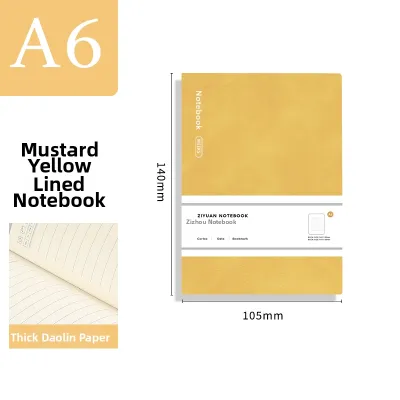
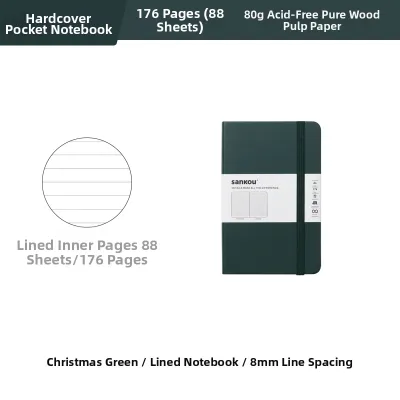
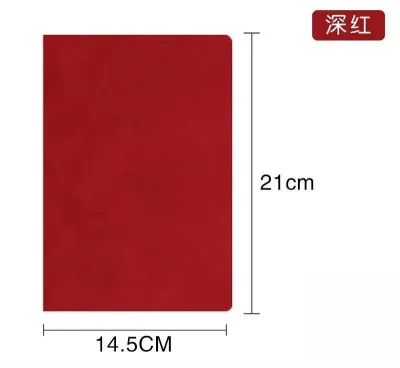
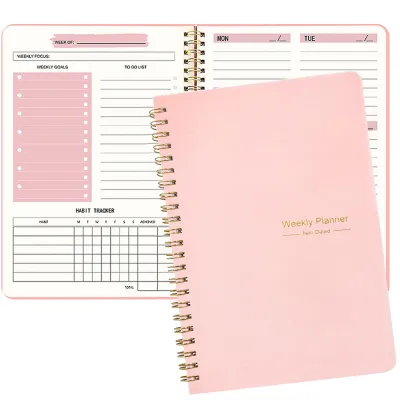
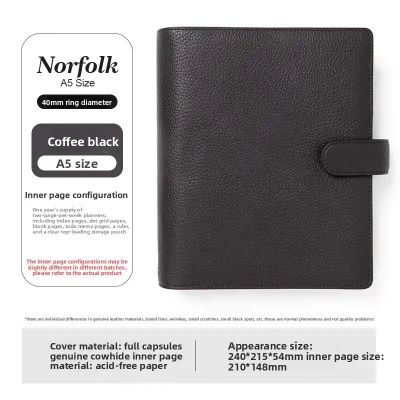
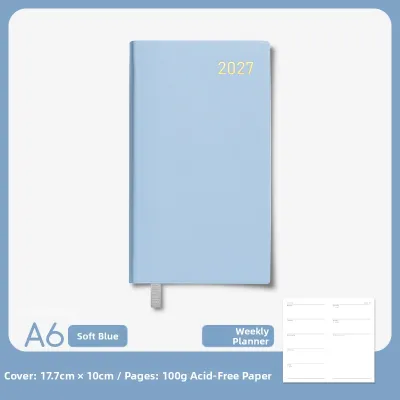
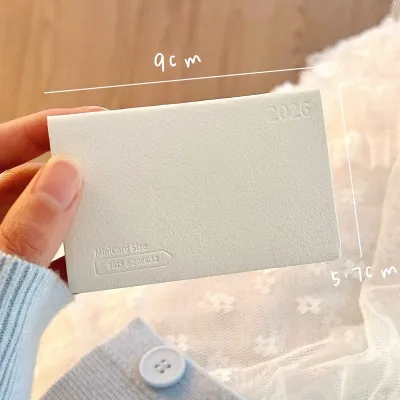
Prices are valid at publication and may change. Please refer to the product page for the latest price.

Beyond thickness, paper texture plays a critical role in your physical writing experience. Paper texture generally falls along a spectrum from highly smooth (often coated or heavily calendered) to “toothy” (uncoated and slightly textured). Smooth paper allows gel pens and fountain pens to glide effortlessly across the surface, reducing physical hand fatigue during long writing sessions. Conversely, toothy paper provides more feedback and resistance, which is highly favored by those who write with pencils, ballpoints, or fine-point pens, as it offers greater control over stroke precision.
When comparing performance, you must also distinguish between bleed-through and feathering. Bleed-through occurs when ink completely penetrates the paper fibers, creating visible spots or pools on the backside. Feathering, on the other hand, occurs when ink spreads horizontally along the paper fibers, making fine lines look fuzzy, thick, or blurred. Both issues are largely determined by how the paper is manufactured, specifically the application of sizing (chemical additives that resist liquid penetration) and surface coatings.
In Singapore, environmental factors add another layer of complexity to these paper characteristics. The high relative humidity can cause unprotected, highly absorbent paper to pull moisture from the air. When paper becomes slightly damp, its sizing can lose effectiveness, leading to increased feathering and slower ink drying times. When browsing local stationery stores, look for labels that specify “bleed-resistant,” “fountain-pen-friendly,” or “hard-sized” paper if you plan to use wet inks, as these treatments help maintain paper performance regardless of local weather conditions.
How Hottie Diary Compares to Common Notebook Paper Types
To understand where Hottie Diary fits within the wider stationery landscape in Singapore, it is helpful to compare its typical paper profile against three broad categories of notebooks found in local retail shops and online marketplaces.
Standard Everyday Notebooks
Standard everyday notebooks are the workhorses of classrooms and offices, prioritizing cost-effectiveness, lightweight portability, and bulk availability. These notebooks typically feature uncoated, wood-free paper ranging from 70 GSM to 80 GSM. Because they are designed for high-volume, rapid note-taking, they perform exceptionally well with standard ballpoint pens and quick-drying gel pens, which deposit a minimal amount of dry or semi-dry ink.
If a Hottie Diary notebook utilizes standard uncoated paper, you can expect it to perform similarly to these everyday office notebooks. They provide a reliable, clean surface for quick scribbles, daily to-do lists, and casual journaling. However, they may struggle to handle heavy wet inks, broad-tip markers, or watercolor highlighters without exhibiting some degree of feathering or show-through. For students and professionals who need a straightforward notebook for rapid, single-sided writing using common pens, this category offers excellent value without the premium price tag.
Premium and Fountain-Friendly Notebooks
At the other end of the spectrum are premium and fountain-pen-friendly notebooks, which are highly sought after by stationery enthusiasts in Singapore. These notebooks often feature paper with a weight of 80 GSM to 120 GSM that has undergone specialized micro-coating or heavy sizing treatments. This manufacturing process ensures that the paper fibers do not immediately drink up wet inks, allowing the ink to sit on top of the page and dry naturally without feathering or bleeding through.
Unless a Hottie Diary product line is explicitly marketed with high-GSM specifications or a specialized fountain-pen-friendly coating, you should expect standard absorption rates rather than premium barrier performance. Premium coated papers offer an incredibly slick, smooth glide that showcases ink shading and sheen, but they also require significantly longer drying times—a trait that can be challenging for left-handed writers or quick note-takers. For everyday tasks, standard paper is often more practical, while premium alternatives should be reserved for dedicated fountain pen use or archival journaling.
Eco-Friendly and Recycled Paper Notebooks
Eco-friendly notebooks utilize recycled post-consumer waste or alternative fibers like bamboo and sugarcane. These papers have a distinct physical profile, often featuring a slightly off-white, cream, or light grey hue due to the absence of heavy optical brightening agents (OBAs). They also tend to have a more textured, toothy feel and a highly absorbent nature, which can cause wet inks to dry very quickly but may also increase the likelihood of feathering.
When comparing Hottie Diary to eco-friendly options, the visual and tactile contrast is often the most noticeable difference. Hottie Diary notebooks typically feature bright, clean pages that provide sharp contrast for colored gel pens and decorative inks. Recycled papers, while highly sustainable, offer a more muted and rustic aesthetic that absorbs ink rapidly. If you prefer crisp, bright pages for scrapbooking, color-coding, or detailed sketching, standard bright paper will generally meet your visual expectations better than highly textured recycled sheets.
Practical Testing: How to Verify Paper Performance In-Store
While reading product specifications is highly informative, the most reliable way to evaluate notebook paper is through hands-on testing. If you are shopping at physical stationery boutiques or department stores in Singapore that offer open display samples, you can perform a few low-risk tests to assess how the paper handles your preferred writing tools. Always perform these tests on designated sample pages or on the very last page of a notebook you have already purchased to avoid damaging pristine sheets.
First, conduct the “pen swipe test” to evaluate drying time and smudge resistance. Write a quick sentence or draw a solid line using your favorite everyday carry (EDC) pen, then immediately swipe your finger across the ink at varying intervals—one second, three seconds, and five seconds. This test is particularly important in Singapore’s humid climate, as slow-drying ink can easily smear when you turn the page or close your notebook. A paper that resists smudging within three seconds is ideal for fast-paced note-taking.
Second, perform the “heavy hand test” to assess physical indentation and structural integrity. Write a few words using your normal writing pressure, then run your fingertips over the reverse side of the page. If you feel deep, sharp ridges, the paper is relatively soft or thin, meaning it will show significant physical indentation. While this does not necessarily mean the ink will bleed, a highly indented page can make writing on the reverse side feel bumpy and uneven.
Finally, check for “show-through” or ghosting by holding the written page up to a direct light source, such as an overhead store light. This allows you to see exactly how much contrast the ink creates on the backside of the sheet. Keep in mind that store-provided tester pens often use standard, dry ballpoint ink; to get an accurate assessment, you must test the paper with your own specific pen and ink combinations, as different ink formulations (oil-based, water-based, or pigment-based) react uniquely to different paper fibers.
Decision Framework: Match Your Pen and Paper
To make a confident purchase, you can use a structured decision framework to match your specific writing habits, tools, and aesthetic preferences to the right paper type.
- Choose Hottie Diary (or similar standard paper) if:
- You primarily write with ballpoint pens, rollerballs, or standard quick-drying gel pens.
- You prefer a classic, uncoated paper texture that provides a slight grip and excellent control.
- You prioritize aesthetic designs, creative cover art, and structured layouts for daily journaling, habit tracking, or meeting notes.
- You want a reliable, budget-friendly option for everyday writing where specialized archival performance is not a strict requirement.
- Choose Premium or Coated Alternatives if:
- You write exclusively with fountain pens, broad calligraphy nibs, wet markers, or heavy highlighters.
- You require absolute zero bleed-through and minimal feathering to ensure both sides of every page are fully usable for archival records.
- You enjoy the unique visual properties of specialty inks, such as shading, sheening, or shimmering, which require non-absorbent, coated surfaces to stand out.
- Verify First if:
- You are purchasing notebooks in bulk for a school, team, or corporate gift.
- You are planning to switch to a new, highly liquid ink formulation that you have not used before.
- You are left-handed and require extremely fast drying times to prevent your hand from smearing the ink as you write across the page.
- Tip: When in doubt, purchase a single notebook to test with your complete array of daily pens and inks before investing in a larger collection or committing to a bulk order.
Frequently Asked Questions (FAQ)
Does thicker paper always mean better quality?
No, paper thickness or weight (GSM) does not automatically guarantee high quality or superior writing performance. While a higher GSM reduces physical show-through and makes the pages feel more substantial, the chemical sizing and surface coating are far more critical for preventing ink feathering and bleed-through. A well-engineered, heavily sized 80 GSM paper can easily outperform an untreated, highly absorbent 100 GSM paper when used with wet inks or fountain pens.
How can I prevent ink from smudging on smooth notebook paper?
To prevent smudging on smooth or coated notebook paper, consider switching to quick-drying gel pens or classic oil-based ballpoint pens, which dry almost instantly upon contact. You can also place a clean sheet of blotting paper or a simple piece of scrap paper under your writing hand to absorb natural skin oils and catch any excess wet ink. Additionally, in humid environments like Singapore, allow the ink a few extra seconds to dry completely before closing your notebook or turning the page.
Community discussion
Share your experience or ask a question. Comments are reviewed before publication.