
Quick Answer: Which Styrofoam Cutter Fits Your Needs?
Choosing the right styrofoam cutter depends on your project’s detail level, your workspace setup, and the desired edge finish. If your work demands perfectly smooth, sealed edges for detailed architectural models, intricate dioramas, or cosplay props, a hot wire cutter is the ideal choice. This tool uses thermal energy to glide through foam with minimal physical resistance, leaving a clean surface that requires little to no sanding.
Conversely, a manual blade cutter is better suited for rough shaping, carving thick blocks, or working in confined spaces without adequate ventilation. Manual tools do not produce thermal fumes, making them highly portable and safe for quick, basic tasks. Before purchasing, always verify if your specific foam density and thickness are compatible with the tool’s maximum cutting depth by checking the manufacturer’s specifications.
Understanding the Core Mechanisms: Heat vs. Physical Blade
To make an informed decision, you must first understand how these two tools interact with styrofoam at a structural level. While one relies on thermal energy to melt its way through the material, the other uses physical force and a sharp edge to shear the foam cells apart. This fundamental difference in operation dictates everything from the speed of your work to the amount of cleanup required afterward.
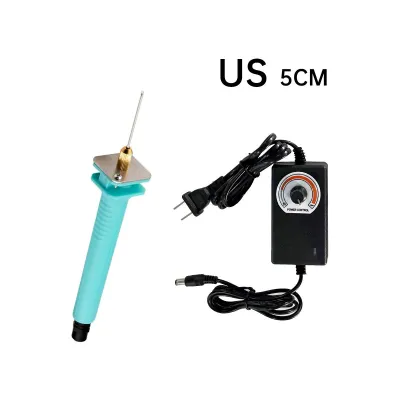
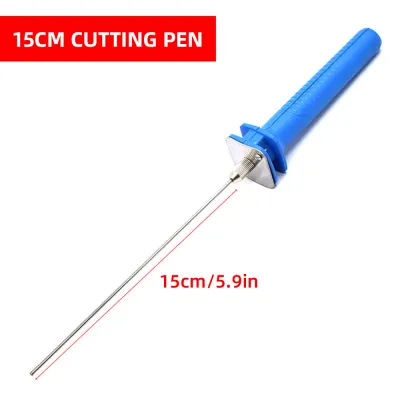
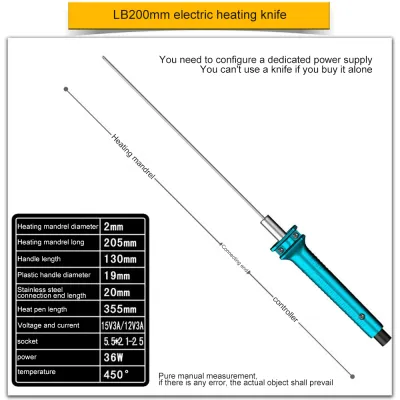
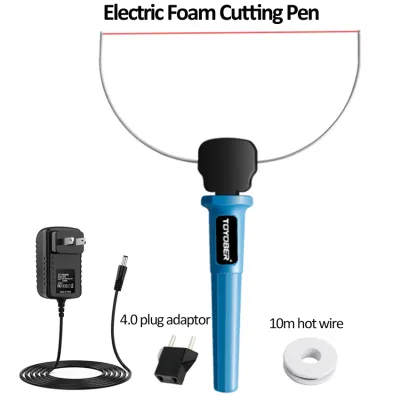
Products mentioned in this guide
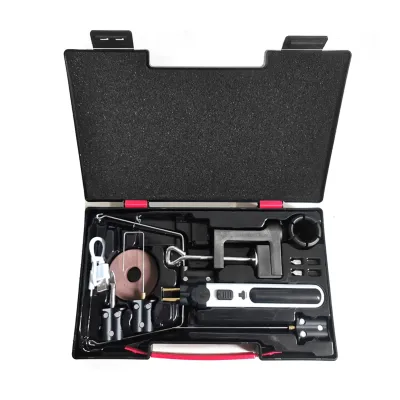
![[SG 🚚] DIY Craft Foam Cutter Hot Wire Small Electric Styrofoam Polystyrene Cutter](https://img.lazcdn.com/g/p/a4c41fc1fc9163c70052c26bc9aae23c.jpg_400x400q80.jpg_.webp)
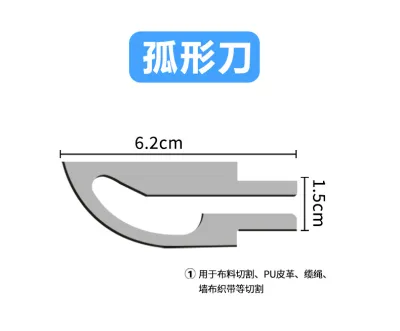
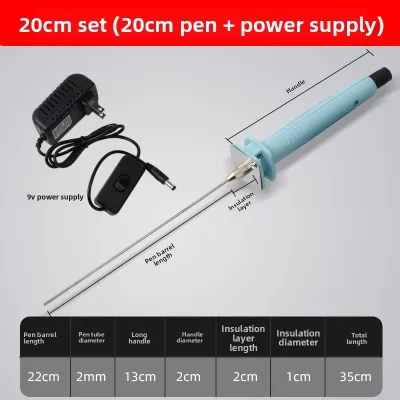
Prices are valid at publication and may change. Please refer to the product page for the latest price.

How Hot Wire Cutters Work
A hot wire cutter utilizes a thin, high-resistance metal wire—often made of nichrome—that heats up rapidly when an electrical current passes through it. As you guide the foam against the wire, the intense heat melts the polystyrene cells just ahead of physical contact. This process creates a micro-thin layer of melted and re-solidified plastic along the cut path.
The observable result of this thermal action is a sealed, exceptionally smooth edge that generates virtually zero foam dust or static-charged debris. However, operating this tool requires a reliable power source, such as a wall outlet or batteries, and a brief warm-up period before you can begin cutting.
Key Requirements:
- Power Source: Access to a stable electrical outlet or fresh batteries.
- Warm-up Time: Usually ranges from a few seconds to a couple of minutes depending on the wire thickness.
- Material Compatibility: Best suited for expanded polystyrene (EPS) and extruded polystyrene (XPS).
How Manual Blade Cutters Work
Manual blade cutters, including utility knives, snap-off blades, and specialized foam saws, rely entirely on physical shearing. The sharp edge of the steel blade physically slices through the walls of the individual foam cells, separating the material along the path of your hand movement.
Because styrofoam consists of tiny, air-filled pockets, this physical separation often ruptures the cells unevenly, leading to jagged edges and a significant amount of static-cling foam dust. The success of the cut depends heavily on the user’s physical effort, hand stability, and the continuous sharpness of the blade.
Key Requirements:
- Physical Force: Requires steady manual pressure and control.
- Blade Maintenance: Frequent blade replacement or snapping to maintain a clean edge.
- Cleanup Tools: A vacuum or brush to manage the static foam debris.
Comparing Cut Quality and Edge Finish
The final appearance of your project is heavily influenced by the edge finish left by your cutting tool. Hot wire cutters produce a sealed, melt-smoothed edge that locks the foam cells in place. This prevents the foam from crumbling or shedding small beads during subsequent handling, which is a common issue with raw, open-cell cuts.
This sealed edge is particularly advantageous when it comes to applying finishes. When you paint or glue a hot-wire-cut surface, the closed pores absorb less liquid, allowing for more even paint coverage and stronger adhesive bonds. Manual cuts, with their open-cell structure, tend to act like a sponge, soaking up excessive amounts of glue or water-based paints, which can warp the material or lead to uneven drying.
To verify the cut quality before starting your main project, perform a simple test on a piece of scrap foam. For a hot wire cutter, check if the wire glides smoothly without dragging or leaving deep scorch marks, which indicates the temperature is balanced. For a manual blade, make a single straight cut and inspect the edge; if you notice tearing, pulling, or excessive bead shedding, the blade is too dull or the foam density requires a different approach.
Ease of Use, Skill Level, and Learning Curve
Operating these tools involves very different physical demands and techniques. A hot wire cutter requires almost no physical pressure; you simply guide the foam through the wire at a steady, continuous pace. The primary challenge lies in maintaining a consistent speed—moving too slowly can cause the heat to melt too much foam, creating wide gaps (kerf) or scorch marks, while moving too quickly can bend or break the delicate wire.
Manual blades, on the other hand, demand a high level of physical control and hand strength, especially when slicing through thick or high-density foam blocks. Keeping a long blade perfectly perpendicular to the cutting surface requires a steady hand and proper posture. If your hand wobbles, the cut will taper, resulting in pieces that do not fit together cleanly.
User fatigue is another critical factor during extended crafting sessions. Hot wire tools are generally lightweight and require minimal physical exertion, making them comfortable for long periods of detailed work. Manual cutting can quickly cause hand cramps and wrist strain due to the continuous gripping force and downward pressure needed to slice through dense materials.
Safety Considerations and Workspace Requirements
Safety protocols differ significantly between thermal and mechanical cutting methods, and setting up your workspace correctly is essential for a hazard-free crafting environment.
When using a hot wire cutter, your primary safety concern is the inhalation of thermal fumes. Melting polystyrene releases mild but irritating vapors, meaning you must work in a highly ventilated area—ideally near an open window or outdoors—or use a dedicated fume extraction fan. Additionally, because the wire reaches high temperatures, you must establish a fire-safe zone, keeping flammable materials, loose papers, and synthetic fabrics far away from your workspace.
For manual blade cutters, the risks are purely mechanical. You must protect your hands by wearing cut-resistant gloves and always cut away from your body. To protect your tabletop and maintain blade sharpness, always use a self-healing cutting mat. Managing the static-charged foam dust is also a safety and cleanliness priority, as these tiny particles can easily be inhaled or irritate your eyes.
Regardless of the tool you choose, always consult the manufacturer’s safety manual for specific operational guidelines, electrical ratings, and protective equipment recommendations.
Project Suitability: Matching the Tool to Your Craft
Matching the tool to your specific project type ensures a smoother workflow and a professional finish.
Hot Wire Cutter Projects:
- Intricate Dioramas: Perfect for cutting precise miniature bricks, terrain steps, and delicate organic shapes.
- Cosplay Armor Bases: Ideal for slicing clean, beveled edges on high-density foam sheets that need to be glued seamlessly.
- Architectural Scale Models: Essential for creating perfectly straight, square walls and precise window cutouts without crushing the foam edges.
Manual Cutter Projects:
- Floral Arrangement Bases: Excellent for quickly shaving down green or white foam blocks to fit into vases or baskets.
- Theatrical Set Shaping: Best for carving large, organic rock formations or rough textures where precision is secondary to speed and scale.
- Packaging Modifications: Convenient for quickly slicing custom slots into shipping foam inserts without setting up electrical equipment.
In many complex crafting scenarios, utilizing both tools yields the best results. You can use a manual utility knife to quickly block out the rough, large-scale shape from a massive foam sheet, and then transition to a hot wire cutter to refine the details, carve intricate patterns, and seal the final edges.
Cost, Maintenance, and Consumables
Understanding the long-term cost of ownership helps you budget effectively for your crafting hobbies or professional projects.
The initial investment for a manual cutting setup is exceptionally low. A high-quality utility knife or precision hobby kit, along with a self-healing mat, typically costs between S$10 and S$30. In contrast, a reliable hot wire cutting setup—whether a handheld wand or a stationary table—requires a larger upfront investment, often ranging from S$40 to over S$120, depending on the power supply and build quality.
Consumable costs also follow different patterns. Hot wire cutters require replacement nichrome wire, which is inexpensive but can break if subjected to excessive physical pressure. You may also eventually need to replace power adapters or switches. Manual cutters rely on constant blade replacements; a dull blade will tear foam instantly, meaning you will go through packs of utility or snap-off blades quickly during large projects.
Maintenance routines are straightforward but necessary. For hot wire tools, you must regularly clean plastic residue off the wire by heating it slightly and gently wiping it with a dry, non-synthetic cloth or brass brush once cooled. For manual blades, proper storage in a dry environment is crucial to prevent rust, and used blades must be disposed of safely in a dedicated sharps container to prevent accidental injuries.
Frequently Asked Questions (FAQ)
Can I use a hot wire cutter on all types of foam?
No, hot wire cutters are specifically designed for thermoplastic foams like expanded polystyrene (EPS) and extruded polystyrene (XPS). You should never use a hot wire cutter on polyurethane foam, polyethylene foam, or any unknown foam materials. Melting incompatible plastics can release highly toxic, hazardous gases and ruin your heating element. Always check the material safety data sheet (MSDS) or the manufacturer’s guidelines for both the foam and your cutting tool before applying heat.
How do I prevent manual blades from tearing the styrofoam?
To prevent tearing, the most critical step is to ensure your blade is incredibly sharp; replace or snap off the blade segment at the first sign of resistance. When cutting, avoid forcing the blade through the entire thickness of the foam in a single pass. Instead, use multiple shallow, scoring passes, gradually cutting deeper with each stroke. This technique reduces the friction on the sides of the blade and allows the sharp tip to slice the foam cells cleanly without crushing them.
Community discussion
Share your experience or ask a question. Comments are reviewed before publication.