
Selecting the right styrofoam cutter depends entirely on whether your project demands surgical precision or rapid, heavy-duty shaping. While both tools are designed to shape expanded polystyrene, they rely on completely different physical mechanisms—one uses intense heat to melt through the material, while the other relies on physical force and a sharp edge to slice it. Choosing the wrong tool can lead to ragged edges, excessive mess, or even damaged materials.
Quick Answer: Hot Wire or Blade for Your Crafts?
To make an immediate decision, evaluate your primary crafting goals and workspace limitations. A hot wire cutter is the ideal choice if you prioritize perfectly smooth, sealed edges, intricate curves, and a dust-free workspace. Conversely, a blade cutter is better suited for slicing through exceptionally thick blocks, making straight rough cuts, or working in spaces without easy access to electrical outlets or specialized ventilation. Ultimately, your specific project requirements and environmental constraints should dictate your choice, as neither tool serves as a universal solution for every foam-crafting scenario.
How They Work: Melting vs. Slicing Foam
The fundamental difference between these two tools lies in how they alter the structure of the foam during a cut. A hot wire cutter utilizes electrical resistance to heat a thin metal wire, typically made of nichrome. As this heated wire passes through the styrofoam, it instantly vaporizes the plastic cells along its path. This thermal process melts the foam slightly ahead of the wire, allowing it to glide through with virtually zero physical resistance while simultaneously sealing the cut edges.
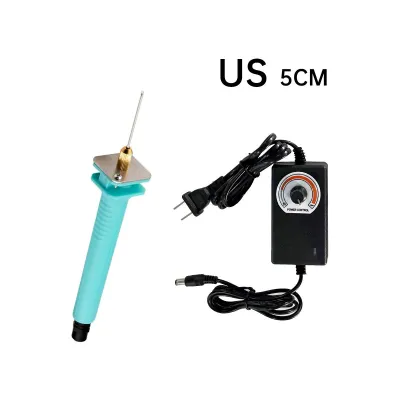
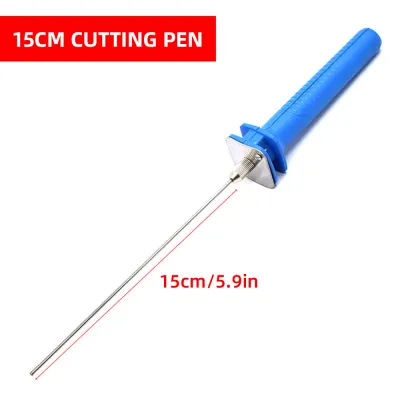
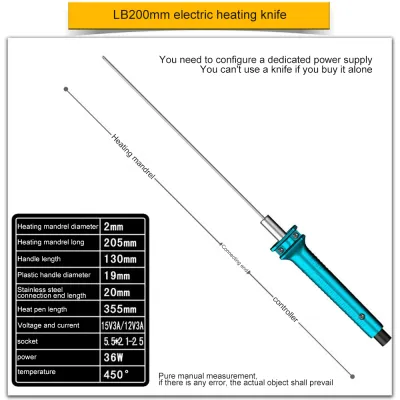
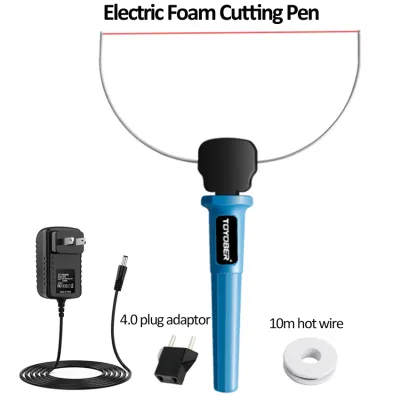
Products mentioned in this guide
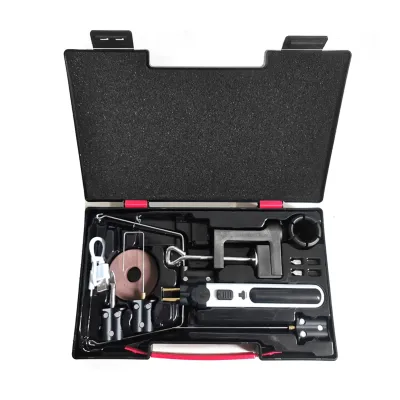
![[SG 🚚] DIY Craft Foam Cutter Hot Wire Small Electric Styrofoam Polystyrene Cutter](https://img.lazcdn.com/g/p/a4c41fc1fc9163c70052c26bc9aae23c.jpg_400x400q80.jpg_.webp)
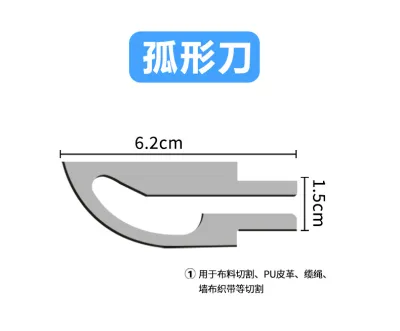
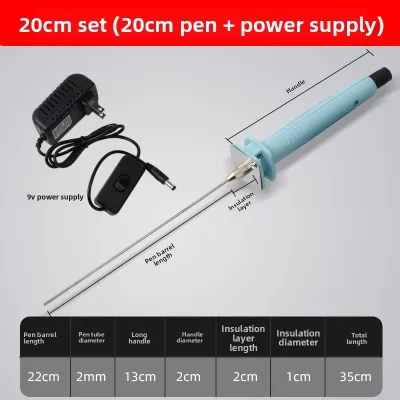
Prices are valid at publication and may change. Please refer to the product page for the latest price.

In contrast, a blade cutter relies on physical shearing. Whether you use a specialized heated blade or a heavy-duty manual utility blade, the tool must physically force its way through the foam cells. This mechanism relies entirely on the sharpness of the edge and the physical pressure applied by your hand. Because styrofoam is composed of tiny, fused polystyrene beads, a blade must slice through these individual spheres and their bonding points, which can disrupt the structural integrity of the surrounding foam if the blade is dull or forced too quickly.
Edge Finish and Cutting Quality
The visual and tactile quality of your finished project is heavily influenced by your choice of cutter. A hot wire cutter produces a remarkably clean, sealed edge. Because the heat melts the polystyrene beads rather than tearing them apart, there is almost no bead fallout or static-cling debris. The resulting surface is smooth and ready for immediate painting or gluing, requiring minimal post-processing.
A blade cutter, on the other hand, often leaves a textured or slightly ragged finish. As the blade slices through the foam, it can pull out individual beads, leaving small pits and craters along the cut line. This tearing effect is especially pronounced in low-density styrofoam. To achieve a paint-ready surface after using a blade, you will typically need to spend significant time sanding the edges with fine-grit sandpaper and applying a filler or primer to smooth out the imperfections.
Thickness, Shapes, and Project Limits
Each tool has distinct physical limitations based on its design and geometry. Hot wire cutters are generally restricted by the physical frame of the tool. For instance, a bow-style hot wire cutter can only cut as deep as the distance between the wire and the rear frame. Navigating very thick or high-density blocks can also be challenging, as the wire may cool down if forced through dense material too quickly, leading to bowing or breakage. However, for intricate shapes, tight curves, and delicate architectural models, the thin wire offers unmatched maneuverability.
Blade cutters excel where hot wire cutters face physical barriers. A long, sturdy blade can slice through deep, thick blocks of foam that would not fit within a standard hot wire frame. While blades are highly efficient for executing straight lines, basic bevels, and rough block-outs, they struggle with complex internal cutouts or tight, winding curves. Attempting to turn a wide metal blade mid-cut often twists and tears the foam, making it unsuitable for highly detailed organic shapes.
Safety, Ventilation, and Workspace Needs
Operating these tools safely requires understanding their environmental demands. Hot wire cutters generate thermal reactions that release localized fumes as the polystyrene melts. Because of this, you must work in a well-ventilated area, such as near an open window, under an exhaust fan, or on an open balcony. Additionally, because the wire remains extremely hot during operation, you must maintain a clear workspace free of flammable materials and ensure a stable power source to prevent electrical hazards.
Blade cutters do not produce thermal fumes, but they present different safety and housekeeping challenges. The physical slicing action generates a significant amount of static-charged foam dust and loose beads that cling to clothing, hands, and work surfaces. To manage this mess, you will need a dedicated cutting mat to protect your tabletop and a vacuum nearby. Physical safety is also a primary concern; keeping your fingers clear of the cutting path and maintaining a sharp blade to prevent slipping are essential practices.
Skill Level and Learning Curve
Mastering each tool requires developing a specific set of physical techniques. The learning curve for a hot wire cutter centers on speed and temperature control. Moving the wire too slowly can cause excess melting, widening the cut path (known as the kerf) and distorting your details. Moving too quickly can snap the delicate wire. Crafters must learn to maintain a steady, gentle glide, adjusting their pace based on the density of the foam.
The blade cutter has a more intuitive starting point but requires physical discipline to master. Beginners often struggle with applying uneven pressure, which causes the blade to bend and creates slanted cuts instead of perpendicular edges. You must practice keeping your wrist locked and maintaining a consistent cutting angle. While the blade is highly forgiving because it cannot “burn” the material, it requires regular maintenance, as a dull blade will quickly ruin a project by tearing the foam.
Decision Framework: Choose Hot Wire or Blade?
To finalize your choice, match your specific crafting scenarios against the following practical indicators.
Choose a hot wire cutter if:
- Your projects involve detailed architectural models, intricate cosplay props, or delicate holiday decorations.
- You require perfectly smooth, sealed edges that can be painted immediately without sanding.
- You prefer a clean, dust-free crafting environment and have access to a well-ventilated workspace.
- You are working primarily with low-to-medium density foam sheets under 10 centimeters in thickness.
Choose a blade cutter if:
- Your work focuses on floral arrangements, basic geometric shapes, or modifying thick packaging foam.
- You need to make deep, straight cuts through exceptionally thick blocks of foam.
- You require a highly portable tool for on-the-go crafting without worrying about power outlets or cords.
- You are crafting in a small, enclosed room where adequate ventilation for thermal fumes is difficult to establish.
Verify first if:
- The density of your foam matches the tool's capabilities; high-density extruded polystyrene (XPS) may require a heavy-duty hot wire with adjustable voltage or a specialized serrated blade.
- The physical dimensions of your project fit within the clearance limits of your chosen tool's frame or blade length.
Pre-Purchase Checks: Specs and Compatibility
Before purchasing a styrofoam cutter from an online marketplace or local craft store, verify several critical specifications to ensure compatibility with your workspace.
Power and Voltage Compatibility If you select an electric hot wire cutter, check the voltage and plug type. In Singapore, appliances typically require a 230V supply and a Type G plug. Ensure the power adapter matches these local standards to avoid the need for bulky converters.
Physical Dimensions and Consumables Examine the maximum cutting depth and throat clearance of bow cutters, or the usable length of a hot knife blade. Additionally, check the availability and cost of replacement parts. Hot wires are consumable items that will eventually snap, so verifying that replacement wire spools or pre-cut wires are readily available and affordable is essential for long-term use.
Frequently Asked Questions (FAQ)
Can I use a standard craft knife instead of a specialized blade styrofoam cutter?
Yes, you can use a standard utility or craft knife for minor trims and thin sheets, but it is not ideal for major projects. Standard blades are often too thin and short, causing them to flex and produce angled, uneven cuts in thick foam. They also dull rapidly when cutting polystyrene, leading to severe bead tearing and a highly textured, messy edge. Specialized foam blades are typically thicker, longer, and sometimes feature unique serrations designed specifically to minimize friction and tearing.
Do hot wire styrofoam cutters work on all types of foam?
No, hot wire cutters are designed specifically for thermoplastic foams like expanded polystyrene (EPS, standard white beadboard) and extruded polystyrene (XPS, dense insulation foam). They work by melting the material. You must never use a hot wire cutter on polyurethane foam, upholstery foam, or chlorinated plastics, as these materials do not melt cleanly and can release highly toxic, hazardous fumes when heated. Always check the manufacturer’s material safety label on the foam packaging before applying any heat tool.
Community discussion
Share your experience or ask a question. Comments are reviewed before publication.