
Choosing between the Hobonichi Weeks and the Hobonichi Techo Original depends entirely on your daily planning volume, portability needs, and preferred layout. While both share the same foundational design philosophy, the Weeks offers a compact, wallet-sized weekly overview, whereas the Techo Original provides a comprehensive, dedicated page for every single day. This guide breaks down the core differences in size, layout capacity, and paper performance to help you select the format that best aligns with your personal organization habits.
Finding the right planner is a highly personal decision that affects how you organize your thoughts, manage your time, and document your life. A planner that is too large might end up left on your desk, while one that is too small can leave you feeling cramped and frustrated. By comparing these two popular formats, you can identify which layout matches your natural writing style and daily routine.
Core Differences in Size and Portability
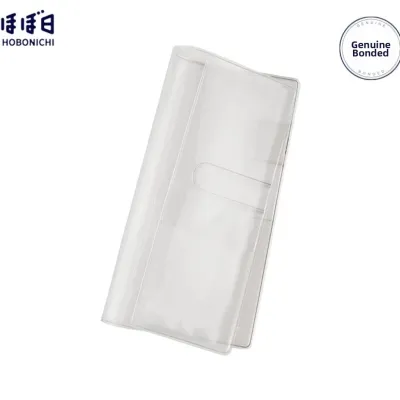
When evaluating these two planners, the physical footprint is often the first major decision point. The Hobonichi Weeks features a slim, elongated shape that closely resembles a long wallet or checkbook. This compact design is highly streamlined, making it exceptionally easy to slip into a small clutch, a jacket pocket, or a crowded commuter bag. For those who travel frequently or navigate busy public transit systems in Singapore, the Weeks offers an unobtrusive footprint that can be whipped out quickly for a rapid note or schedule check.
Products mentioned in this guide
Prices are valid at publication and may change. Please refer to the product page for the latest price.
In contrast, the Hobonichi Techo Original is designed in a standard A6 paper size, which is roughly equivalent to a traditional pocket notebook. While still highly portable, the Techo Original is noticeably wider and thicker than the Weeks. This format is best suited for carrying in a dedicated bag compartment, a backpack, or a tote. The A6 size provides a more traditional book-like feel in the hand, offering a stable and familiar writing surface when resting on a desk or table.
Portability is also heavily influenced by the covers and accessories you choose to pair with your planner. The Weeks is available in both softcover and hardcover versions, with some variations like the “Sneaker” edition requiring no additional cover at all. If you choose to add a clear cover or a fabric zip cover, the overall thickness will increase. For the Techo Original, a cover is almost always necessary to protect the soft paperbound spine. Because these covers range from slim nylon to thick, padded leather with multiple card slots, the final weight and thickness of your setup can vary significantly. Before purchasing, it is wise to verify the exact dimensions and weight specifications of both the planner insert and your chosen cover to ensure the combination fits comfortably into your daily carry routine.
Layout and Daily Planning Capacity
The internal layout of each planner dictates how you will interact with your schedule on a daily basis. The Hobonichi Weeks utilizes a weekly horizontal layout spread across two pages. The left-hand page displays the seven days of the week in horizontal blocks, allowing you to see your entire weekly schedule at a single glance. The right-hand page consists of a blank grid memo page, which provides flexible space for weekly to-do lists, shopping lists, habit trackers, or general notes. This layout is highly structured yet offers a dedicated zone for freeform writing that is not tied to a specific day.

The Hobonichi Techo Original takes a completely different approach by dedicating a full page to every single day of the year. Each daily page features a subtle grid pattern, a light 24-hour timeline along the left margin, and a curated daily quote at the bottom. This format provides an expansive canvas that allows you to dive deep into daily planning. You can use the timeline for precise hourly scheduling, leaving the rest of the page open for detailed task lists, meeting notes, personal journaling, or creative expression.
This difference in layout directly impacts your daily planning capacity and writing habits. The Weeks is designed for concise, high-level logging where you record key appointments, deadlines, and major tasks. If you try to write long journal entries or paste multiple photos and stickers into the Weeks, you will quickly run out of physical space. The Techo Original, on the other hand, thrives on high-volume writing. It is the ideal format for those who practice daily journaling, memory keeping, or extensive time-blocking. However, if your daily schedule is light, the vast empty space of a full daily page can sometimes feel intimidating.
Paper Quality and Pen Compatibility
Both the Weeks and the Techo Original are renowned for their use of ultra-thin, high-quality paper, which allows these planners to remain remarkably compact despite containing hundreds of pages. This specialized paper is exceptionally smooth and lightweight, providing a unique writing experience that stationery enthusiasts highly value. However, because paper formulations can occasionally be updated by the manufacturer, it is always recommended to check the official product specifications for the current year to confirm the exact paper type used in your chosen edition.
The thin nature of the paper means that pen compatibility is an important factor to consider. While the paper is designed to handle a wide variety of writing instruments, different inks behave uniquely on its coated surface. For instance, fountain pens and gel pens often glide effortlessly across the smooth grid, but the ink may take slightly longer to dry compared to standard copy paper. In humid climates, such as Singapore, this drying time can be further extended, making it helpful to use blotting paper or select fast-drying inks to prevent accidental smudging when closing the book.
To ensure a seamless writing experience, perform simple observable checks with your preferred pens before writing extensively in your new planner. You can use the blank memo pages at the back of the book to test for ink bleed-through, feathering, and ghosting. Ghosting—where the shadow of your writing is visible on the reverse side of the page—is a normal characteristic of very thin paper and is generally accepted by users. However, actual ink bleed-through, where the wet ink physically penetrates the fibers and marks the next page, should be avoided by adjusting your pen or ink choice. Testing your tools beforehand ensures your layout remains clean and legible throughout the year.
Decision Framework: Which Format Should You Choose?
To finalize your decision, it helps to evaluate your planning style against specific practical scenarios. Your choice should align with how much you write, where you write, and how you prefer to visualize your time.
Choose the Weeks if:
- You prefer a minimalist planning style and only need to track key appointments, deadlines, and short task lists.
- You want a bird's-eye view of your entire week on a single spread without flipping pages.
- Portability is your top priority, and you need a slim planner that fits easily into small bags or pockets for on-the-go logging.
- You want a low-maintenance setup that does not require a large time commitment to maintain daily.
Choose the Techo Original if:
- You enjoy daily journaling, creative writing, sketching, or memory keeping alongside your scheduling.
- You require a detailed daily timeline to manage hourly appointments, meetings, or strict time-blocking routines.
- You love customizing your pages with stickers, stamps, photos, and colorful inks, and you appreciate having a large canvas to do so.
- You primarily plan at a desk or do not mind carrying a slightly heavier, book-sized planner in your daily bag.
Verify first if:
- If you are still undecided between a weekly and a daily format, consider a simple trial period before purchasing. You can print out a free weekly horizontal template and an A6 daily template, or use a digital mock-up on a tablet, to test both styles for a week. Pay attention to whether you feel restricted by the small horizontal blocks of the weekly layout, or conversely, if you feel overwhelmed by the empty space of the daily pages. This hands-on check will clarify your natural writing volume and guide you to the format that truly supports your organizational needs.
Frequently Asked Questions (FAQ)
Can I use the same cover for both the Weeks and Techo Original?
No, you cannot use the same cover for both formats because their physical dimensions, shapes, and binding structures are completely different. The Hobonichi Weeks is a long, narrow, wallet-sized planner, whereas the Techo Original is a wider, standard A6-sized book. Covers are designed to fit the exact dimensions of each specific model. Always check the product label, dimensions, and official store listings to ensure that any cover you purchase is explicitly compatible with your chosen planner format.
How do I handle missed days in a daily planner format?
Managing blank pages in a daily planner like the Techo Original is a common challenge that can sometimes lead to planner guilt. To handle missed days, you can repurpose the blank pages for creative activities such as sketching, pasting receipts, tracking temporary projects, or writing down favorite quotes and recipes. Alternatively, you can simply leave them blank or place a decorative sticker on the page without pressure. In contrast, the Weeks format is much more forgiving of missed days, as a gap in your schedule only leaves a small horizontal block empty, making it visually less prominent and easier to overlook.
Community discussion
Share your experience or ask a question. Comments are reviewed before publication.