
Choosing a premium planner notebook is a highly personal decision that shapes how you capture your thoughts, organize your schedule, and document your life. If you are exploring high-end stationery, you have likely run into two Japanese giants: the Hobonichi Techo and the Midori Traveler’s Notebook (TN). Both systems enjoy legendary status among stationery enthusiasts, yet they offer fundamentally different approaches to daily organization.
If you prefer structured daily logging, a lightweight carry, and the convenience of an all-in-one bound book, the Hobonichi is your ideal choice. This system provides a dedicated space for every single day of the year, keeping your schedule neatly consolidated. Conversely, if you prioritize modularity, travel journaling, and a long-term, customizable leather companion, the Midori Traveler’s Notebook is the superior option. Its flexible design allows you to swap, stack, and configure individual paper refills to match your changing projects.
The fundamental structural difference lies in how these systems are built. The Hobonichi is a pre-bound yearly planner notebook with a structured layout, designed to be paired with interchangeable fabric or plastic covers. The Midori Traveler’s Notebook is a modular leather cover system that uses internal elastic bands to hold various replaceable notebook inserts. Deciding between them depends entirely on whether you value a highly structured daily layout or the freedom of a modular, build-your-own system.
Products mentioned in this guide
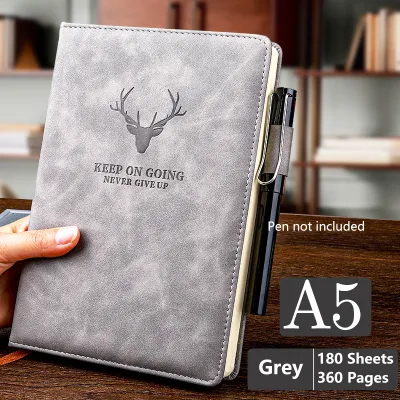
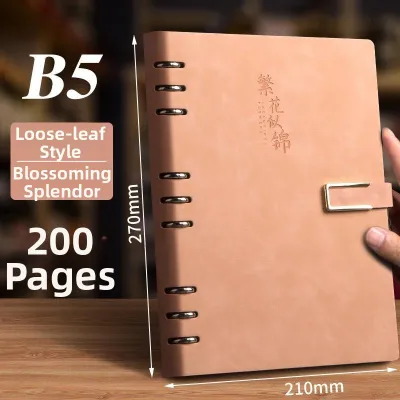
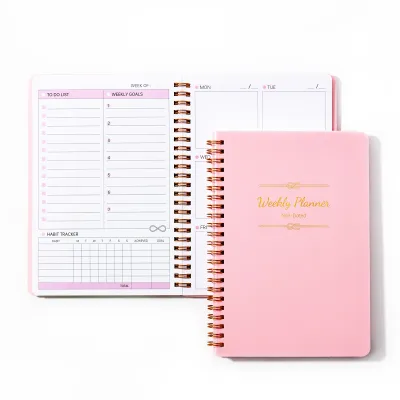
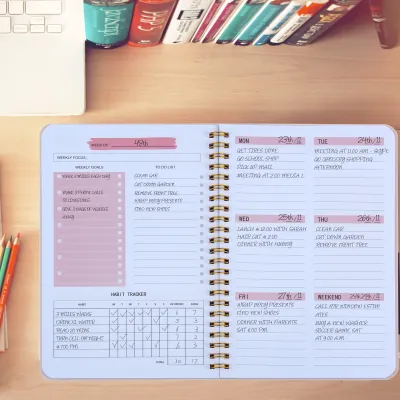
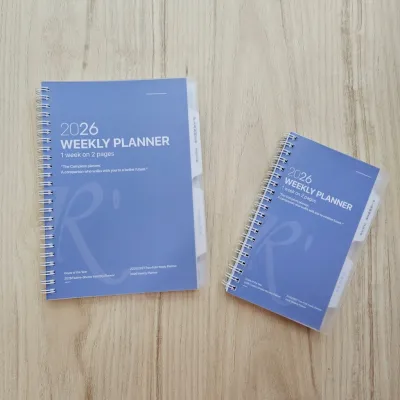
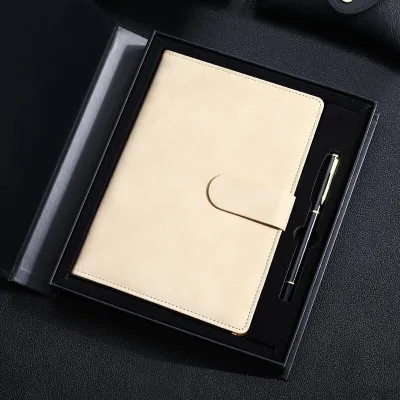
Prices are valid at publication and may change. Please refer to the product page for the latest price.
Core Philosophy: Structured Daily Logging vs. Modular Freedom
The Hobonichi Techo is designed around the concept of a “life book”—a daily companion meant to document your entire year within a single volume. Its flagship models, the Original and the Cousin, are famous for their “one page per day” format. This layout encourages continuous daily journaling, detailed hourly time-tracking, and consistent habit logging. Because every calendar date has a dedicated page, the Hobonichi gently nudges you to write every day, creating a chronological archive of your year. It is a highly structured workflow that excels if you want to keep your schedule, diary, and sketches bound together in a single, cohesive volume.
In contrast, the Midori Traveler’s Notebook embraces a philosophy of modularity and project-based logging. Instead of forcing you into a pre-printed calendar structure, the Midori TN acts as an open canvas. The system relies on a durable leather cover that holds multiple thin paper inserts simultaneously. You can mix and match a monthly planner insert, a weekly log, a blank sketch booklet, and even storage pockets within the same leather cover. This setup is ideal if you prefer to separate different areas of your life—such as keeping work meetings in one insert, personal reflections in another, and travel itineraries in a third. When an insert is filled, you simply slide it out, archive it, and slip in a fresh refill.
To determine which philosophy aligns with your daily habits, consider how you naturally organize your thoughts. Do you find comfort in a pre-printed calendar grid that prompts you to write every day, or do you feel pressured by empty dated pages when you skip a few days? If you need a dedicated, structured space for daily logging, Hobonichi supports that discipline. If you prefer to write dynamically, swapping out notebooks as projects finish without leaving empty, wasted calendar pages, the Midori TN offers the freedom you need.
Paper Quality and Fountain Pen Performance
For stationery enthusiasts, the tactile experience of writing is just as important as the layout. The Hobonichi Techo is famous for its use of ultra-thin, lightweight paper (traditionally Tomoe River paper, and now high-quality Sanzen Tomoe River paper). At a mere 52 gsm (grams per square meter), this paper is incredibly thin, allowing a 400-page book to remain remarkably compact. Despite its thinness, the paper features a specialized surface sizing that makes it exceptionally resistant to ink bleed-through. Fountain pen inks pool beautifully on the surface, showcasing vibrant sheen and shading. However, the major trade-off of this thin paper is ghosting; you will clearly see the shadow of your writing on the reverse side of the page, which is a normal characteristic of this paper class.

Midori Traveler’s Notebook refills offer a completely different tactile experience, primarily utilizing Midori’s proprietary MD (Midori Diary) paper. MD paper is thicker (typically around 80 gsm), more opaque, and features a slight texture, often referred to by writers as having “tooth.” This texture provides subtle feedback to your pen tip, making it highly satisfying for those who find Tomoe River paper too slick. MD paper handles wet fountain pen inks, heavy gel pens, and light watercolor washes beautifully. It experiences significantly less ghosting than Hobonichi’s paper, meaning the reverse side of your page remains clean and highly readable.
Because ink performance depends heavily on the specific pen and ink combination you use, always perform a quick test before committing to a full year. If you use wet-nib fountain pens, heavy gel pens, or dark brush markers, buy a single Midori insert or a small Hobonichi memo pad first. Write a few test lines to observe the drying speed, line crispness, and ghosting levels. Tomoe River paper has a notably slow drying time due to its low absorbency, which may require you to use blotting paper to prevent smudging, whereas Midori MD paper absorbs ink slightly faster while still retaining excellent line definition.
Sizes, Layouts, and Everyday Portability
Choosing the right physical footprint ensures your planner notebook actually leaves your desk and stays with you throughout the day. Hobonichi offers three primary size and layout configurations:
- The A6 Original: A compact, pocket-friendly daily planner notebook measuring 105 mm x 148 mm. It is excellent for quick daily summaries and light journaling.
- The A5 Cousin: A larger, comprehensive desk planner measuring 148 mm x 210 mm. It includes both the daily pages and a unique vertical weekly layout, making it the preferred choice for detailed time-blocking and heavy writing, though it is significantly heavier to carry.
- The Weeks: A slim, wallet-sized weekly planner measuring 95 mm x 186 mm. It features a weekly spread on the left and a blank grid page on the right, offering a minimalist layout that slips easily into a coat pocket or small bag.
Midori Traveler’s Notebook simplifies its lineup into two distinct, highly portable sizes:
- The Standard Size: Measuring 120 mm x 218 mm, this slim, elongated format is inspired by travel documents. It is wide enough to hold folded A4 papers and maps, yet narrow enough to hold comfortably in one hand while commuting.
- The Passport Size: Measuring 100 mm x 134 mm, this ultra-compact option is designed to match the dimensions of a standard passport. It fits effortlessly into pocket spaces, making it ideal for quick on-the-go notes, shopping lists, and minimal planning.
When evaluating portability, consider the physical weight and bulk of your daily carry. A fully bound Hobonichi Cousin contains over 400 pages of paper, which creates a fixed, dense weight in your bag. A Midori Traveler’s Notebook allows you to control the bulk directly. If you are commuting on a busy train, you can carry just one or two thin inserts to keep your profile slim. If you are working from a desk, you can stack three or four inserts using elastic bands. Measure the interior of your everyday bag to ensure your chosen system fits comfortably alongside your other daily essentials.
Covers, Customization, and Long-Term Durability
The protective cover of your planner notebook defines its visual aesthetic and determines how well it survives daily wear. The Hobonichi ecosystem relies on a yearly cycle of cover releases. Every year, the brand partners with artists, textile designers, and heritage brands to release dozens of new covers made from polyester, canvas, or fine leather. These covers feature interior card slots, dual pen loops that act as a hinge closure, and dual bookmarks. Because the planner book itself is replaced annually, you can choose to keep using your favorite cover for years, or purchase a new design each autumn to refresh your style. To protect these artistic covers from dirt and rain, many users pair them with a clear plastic “Cover on Cover.”
The Midori Traveler’s Notebook takes a completely different approach to durability, focusing on a single, lifelong investment. The cover is a solid piece of thick, raw, vegetable-tanned leather sourced from Chiang Mai, Thailand. It features no stitching, pockets, or fabric linings—just raw leather, a metal tin clasp, and elastic bands. This minimalist construction means there are no seams to unravel or zippers to break. Over months and years of handling, the leather absorbs natural oils from your hands, developing a rich patina, deepening in color, and softening in texture. Every scratch and scuff from your travels becomes a permanent part of the notebook’s character.
Because Singapore experiences high relative humidity throughout the year, caring for genuine leather requires a few simple, low-risk steps to prevent mold and moisture damage:
- Ventilation: Store your Midori leather cover in a well-ventilated room rather than keeping it sealed inside a dark, airtight plastic bag or a humid drawer.
- Moisture Control: If your notebook gets caught in a sudden tropical downpour, do not use a hairdryer or expose it to direct sunlight, as intense heat can crack the leather. Instead, wipe it down immediately with a dry, soft microfiber cloth and let it air-dry naturally in a cool spot.
- Conditioning: Every few months, apply a tiny, pea-sized amount of specialized leather cream or oil to a clean cloth, buffing it gently into the cover to maintain its suppleness and protect it from humidity absorption.
Quick Comparison: Hobonichi vs. Midori Traveler's Notebook
To help you visualize how these two planner notebook systems compare, the table below highlights their core structural and functional differences:
| Feature | Hobonichi Techo | Midori Traveler's Notebook |
|---|---|---|
| Core Structure | Pre-bound yearly book with interchangeable covers | Modular leather cover system with elastic bands for inserts |
| Primary Paper Trait | Ultra-thin (52 gsm), highly bleed-resistant, prone to ghosting | Medium-weight MD paper, smooth with slight tooth, low ghosting |
| Standard Sizes | A6 (Original), A5 (Cousin), Weeks (wallet-sized) | Passport, Standard (slim, elongated) |
| Cover Lifespan | Decorative covers designed to be swapped or collected yearly | Single leather cover designed to last decades and develop a patina |
| Best Suited For | Structured daily journaling, chronological logging, and sketching | Modular project tracking, travel journaling, and multi-notebook setups |
How to Decide: The Final Selection Framework
To make your final decision, map your daily writing habits and lifestyle against the strengths of each planner notebook system.
Choose Hobonichi if:
- You want a structured, pre-printed daily layout that guides your planning day by day.
- You love the aesthetic of changing your planner's outer design every year with colorful, artistic fabric covers.
- You prefer ultra-thin, crinkly paper and do not mind seeing ink ghosting on the reverse side of your pages.
- You want your entire year’s schedule, journal entries, and notes bound together in a single, chronological volume.
Choose Midori Traveler's Notebook if:
- You want a timeless, rugged leather cover that ages beautifully and lasts for decades.
- You need to separate different areas of your life (such as work, personal, and creative projects) into dedicated, individual booklets.
- You prefer a modular system where you only replace cheap paper refills as you finish them, rather than buying a whole new system every January.
- You travel frequently or commute light, and want a slim, customizable footprint that adapts to your bag space.
If you are still undecided, or if you are highly sensitive to paper ghosting and size footprints, perform a low-risk trial before investing in a complete setup. Purchase a single, inexpensive Midori TN paper refill or a small Hobonichi memo pad. Test your favorite fountain pens, gel pens, and markers directly on the pages to evaluate drying times and ghosting. Slip the sample booklet into your daily bag to test its size and weight in your actual routine. This hands-on trial ensures that whichever premium planner notebook you choose, it will fit seamlessly into your lifestyle.
Frequently Asked Questions (FAQ)
Can I use Midori Traveler's Notebook inserts in a Hobonichi cover?
No, they are not directly compatible due to their completely different mounting systems. Hobonichi covers are designed with fabric sleeves that slide over the stiff front and back covers of a bound Hobonichi book. Midori Traveler’s Notebook inserts are soft, flexible booklets designed to be held in place by elastic bands running down the spine of a leather cover. Putting a Midori insert into a Hobonichi cover will cause it to slide out easily, as it lacks the necessary structured backing.
Which planner is better for fountain pen users?
Both systems are highly celebrated by fountain pen users, but they offer different writing experiences. The Hobonichi’s thin paper is exceptional for showing off ink properties like sheen and shading, though it has slow drying times and high ghosting. Midori’s MD paper provides a slightly toothier feel that offers more control, dries slightly faster, and resists ghosting much better. If you dislike seeing ink shadows on the back of your pages, Midori is the better choice.
Do I need to buy a new cover every year?
No. For the Midori Traveler’s Notebook, the leather cover is a one-time purchase designed to last a lifetime; you only buy inexpensive paper refills when you run out. For the Hobonichi, the planner book itself must be replaced every year, but the decorative covers are reusable. You can easily slip your new yearly Hobonichi book into your existing cover, though many users choose to buy new covers simply to enjoy the fresh annual designs.
Community discussion
Share your experience or ask a question. Comments are reviewed before publication.