
Finding the ideal weekly planner is a highly personal decision that depends on how your mind organizes tasks, schedules, and creative thoughts. The choice between a structured Japanese system like Hobonichi, a classic European modular organizer like Filofax, and various Singapore-based local brands comes down to matching their design philosophies with your daily workflow. By evaluating how you write, where you carry your planner, and what kind of ink you prefer, you can select a system that supports your productivity rather than forcing you into an uncomfortable routine.
Understanding the Core Philosophy of Each Planner Category
To choose a planner that you will actually use throughout the year, it helps to understand the design intent behind each brand category. Every planner system is built around a specific philosophy of time management and note-taking, which dictates everything from the page layout to the choice of materials.
Hobonichi focuses on a philosophy of mindful, freeform logging and organic thought capture. Originating in Japan, these planners typically feature ultra-thin, lightweight paper paired with subtle, light-grey grids that provide structure without being intrusive. The weekly layouts are designed for users who view planning as a blend of scheduling, journaling, and memory-keeping. The thin paper allows a full year of weekly and daily pages to remain incredibly compact, making it easy to carry a comprehensive archive of your year in a single, lightweight book.
Products mentioned in this guide
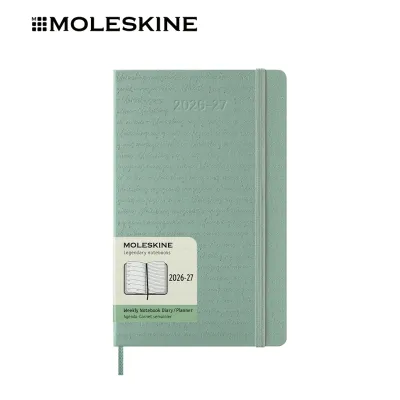
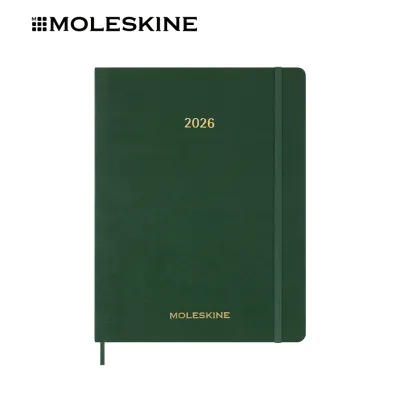
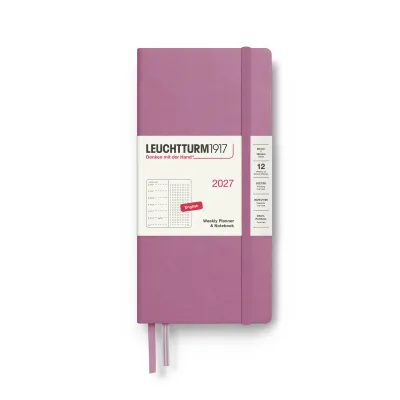
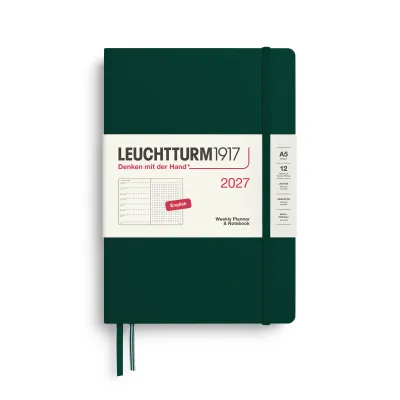
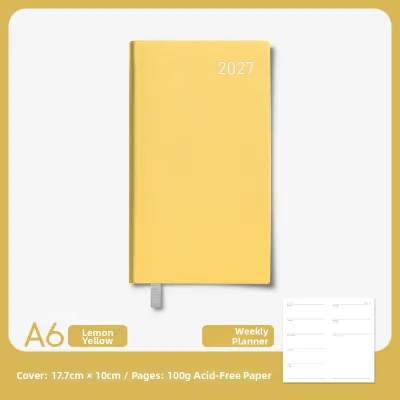
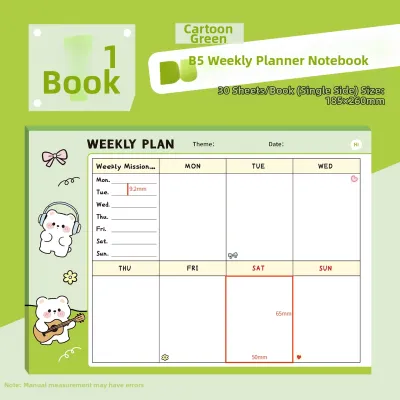
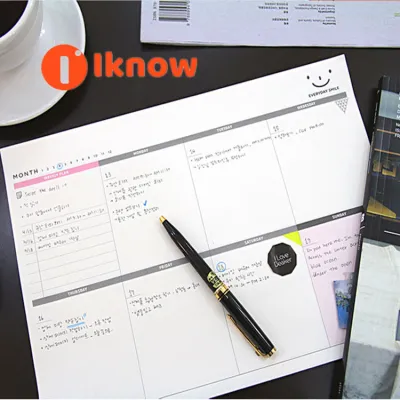
Prices are valid at publication and may change. Please refer to the product page for the latest price.
Filofax represents the classic, modular approach to professional organization. Built around a sturdy multi-ring binder system, its philosophy is centered on complete customization, longevity, and structured efficiency. Instead of being locked into a fixed page sequence, you can insert, remove, and rearrange pages to suit changing projects or scheduling demands. This system is designed for those who manage complex, multi-faceted schedules, require dedicated sections for different life areas, and want a durable cover that can be reused year after year simply by swapping out the paper refills.
Local brands in Singapore offer a community-driven, highly practical alternative that directly addresses regional lifestyles and habits. These planners often feature clean, minimalist layouts with localized functional details, such as pre-printed Singapore public holidays, school term dates, and regional transit maps. Because they are designed by local creators who understand the specific needs of students and professionals in the region, they tend to offer highly relevant layouts at accessible price points, making them excellent entry points for consistent planning.
Key Physical and Functional Specs to Verify
Before committing to a specific planner, you must evaluate its physical specifications to ensure it fits your writing tools and daily environment. A planner that looks beautiful online may prove frustrating if the paper resists your favorite pen or if the binding makes it difficult to write comfortably at your desk.

Paper quality and ink compatibility are critical factors that depend heavily on the exact combination of paper weight, coating, and ink type. Many premium planners use specialized, low-weight paper that is highly regarded for its smooth texture, but these thin sheets can exhibit longer ink drying times, especially in Singapore’s humid climate. When evaluating a planner, check the manufacturer’s stated paper weight in grams per square meter (GSM) and look for indications of specialized coatings. If you prefer using fountain pens, gel pens, or heavy markers, you will need to verify bleed-through resistance and ghosting by testing your specific pens on an inconspicuous back page before writing on the main planning sheets.
The binding mechanism dictates both the portability of the planner and its physical footprint on your desk. Thread-bound planners are designed to lay completely flat when opened, providing a seamless writing surface across two-page spreads, which is ideal for left-handed writers and those who use compact desks. In contrast, ring-bound systems like Filofax offer unmatched flexibility but have a larger physical footprint and a central metal mechanism that can sometimes obstruct your hand while writing. Consider whether you plan to keep your planner open on your desk all day or if you need a slim, flexible book that slips easily into a daily commute bag.
Layout structures should align with how you naturally visualize time and tasks. Weekly planners generally fall into vertical columns (ideal for hourly time-blocking and scheduling appointments), horizontal blocks (better for open-ended task lists and journaling), or dashboard layouts that combine a weekly calendar on one side with a blank grid page on the other. Assess whether you need rigid hourly lines to manage back-to-back meetings or if you require open, dotted, or blank spaces to sketch out ideas and write unstructured notes.
Matching Your Planning Habits to the Right System
Selecting the right planner is a matter of matching your daily habits to the system that requires the least friction to maintain. No single planner suits every workflow, so identifying your primary planning style is the most reliable way to make a successful choice.
You should choose a Hobonichi-style planner if you prefer a lightweight, highly integrated system that blends daily scheduling with creative journaling. The thin, smooth paper is exceptionally satisfying for those who use fine-tip gel pens or fountain pens and enjoy seeing a detailed, chronological record of their days. This system works best for individuals whose schedules are relatively fluid and who appreciate having open grid spaces to jot down thoughts, track habits, or sketch alongside their weekly appointments.
You should choose a Filofax or similar ring-bound system if your work demands strict compartmentalization, modular flexibility, and long-term durability. If you regularly need to archive old meeting notes while keeping your active weekly schedule close at hand, the ability to open the rings and rearrange pages is invaluable. This system is highly suited for professionals who manage multiple projects simultaneously, need to insert specialized financial or project-tracking sheets, and want a premium cover that develops character over years of use.
You should choose local Singaporean brands if you prefer straightforward, highly functional layouts that are tailored to local schedules without unnecessary complexity. These planners are ideal for students, educators, and professionals who want a reliable, budget-friendly tool that keeps track of local academic terms, public holidays, and regional events. They offer a practical, no-nonsense approach to planning that focuses on clean design and immediate usability.
Before making your final decision, always verify the compatibility of your existing stationery collection. For instance, check if your preferred multi-pens fit into the planner’s pen loop, or if you need to purchase specialized hole punches and accessories to integrate external documents into a ring-bound system. Taking these small physical details into account beforehand prevents unexpected compatibility issues later.
Tips for Transitioning or Mixing Planner Systems
Switching to a new planner system can sometimes feel overwhelming, especially if you are moving between completely different structural formats. To avoid the frustration of an abandoned planner mid-year, it is wise to approach the transition systematically.
If you are moving from a bound notebook to a modular ring-bound system, manage the learning curve by starting with basic, essential inserts first. Avoid the temptation to buy dozens of specialized tracking sheets immediately; instead, begin with a simple weekly calendar and a pack of lined notes pages. Once you establish a consistent routine and identify specific gaps in your workflow, you can gradually introduce specialized inserts like budget trackers, project planners, or habit logs.
For those who find that a single physical planner cannot accommodate all their tasks, consider using a hybrid system that combines physical weekly spreads with digital tools or loose-leaf supplements. You can use your physical planner for high-level weekly goals, time-blocking, and mindful reflection, while relying on digital calendars for shared meeting invites and dynamic, fast-changing task lists. This prevents your physical pages from becoming cluttered with temporary notes that quickly lose their relevance.
If you are uncertain about a new layout or brand philosophy, test the format using affordable local options or printable templates before investing in a premium imported system. Spending a few weeks tracking your schedule on a simple, budget-friendly weekly layout will help you validate whether you actually prefer vertical time-blocking, horizontal lists, or open grid spaces, saving you from a costly mismatch.
Frequently Asked Questions (FAQ)
Do these weekly planners support fountain pen ink without bleeding?
Fountain pen compatibility depends entirely on the specific paper weight, sizing, and coating used by each manufacturer. While some premium planners are famous for handling fountain pen ink exceptionally well, drying times can be significantly longer on coated, lightweight papers, especially in humid conditions. Always check the manufacturer’s product specifications for paper details, and perform a small test with your specific ink and nib size on a back page to check for feathering or bleed-through before writing.
Where can I physically inspect these planner brands in Singapore?
To verify the texture of the paper, the flexibility of the binding, and the true size of a planner, it is highly recommended to inspect them in person. You can find these brands at major stationery boutiques, specialty lifestyle stores, and large bookstores located across Singapore. Visiting these physical retail spaces allows you to test how flat a book lies on a table and examine the quality of the ring mechanisms before making a purchase.
Community discussion
Share your experience or ask a question. Comments are reviewed before publication.