
Choosing the right weekly planner notebook is a highly personal decision that shapes how you organize your daily life, professional tasks, and creative thoughts. The market offers two iconic Japanese stationery systems that approach organization from completely opposite philosophies: the Hobonichi Techo and the Midori Traveler’s Notebook (often abbreviated as Midori TN). While both brands have earned dedicated global followings, they cater to fundamentally different planning styles.
The core difference lies in their structural philosophy. The Hobonichi Techo offers a structured, all-in-one bound book with pre-printed, highly detailed layouts and specialized thin paper. In contrast, the Midori Traveler’s Notebook provides a modular, customizable system centered around a durable leather cover and interchangeable paper inserts. Finding the best weekly planner notebook for your routine depends on whether you prioritize a fixed, reliable layout that requires zero setup, or a highly adaptable, build-your-own system that can evolve with your changing projects and lifestyle.
Planning Structure: Fixed Layouts vs. Modular Inserts
When evaluating these two systems, your daily planning habits should dictate your choice. The Hobonichi Techo is designed for those who find comfort and discipline in a pre-established structure. Depending on the specific model you choose, such as the Hobonichi Techo Weeks or the Cousin, you receive a fixed, bound book containing dedicated weekly spreads, monthly overviews, and sometimes daily pages. This layout is ideal if you prefer a consistent, ready-to-use structure where every day of the year has a designated, unalterable spot. It encourages a systematic approach to tracking appointments, habits, and daily logs, ensuring you never have to spend time designing a layout from scratch.
Products mentioned in this guide
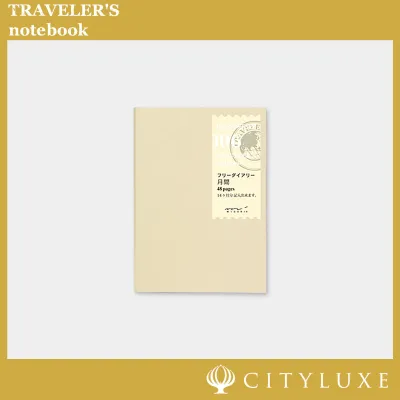
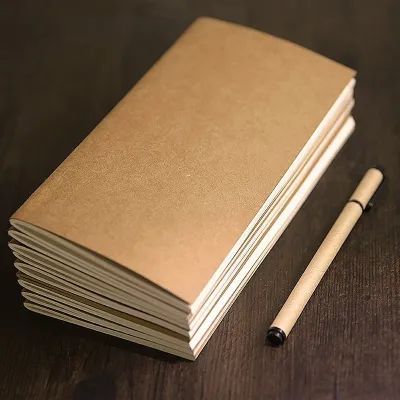
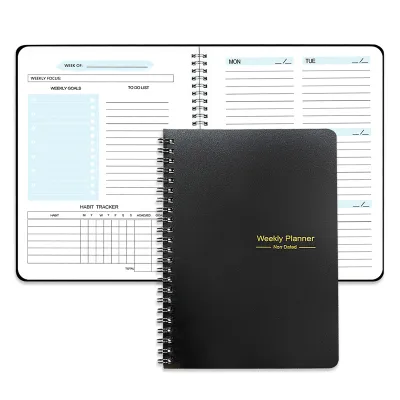
Prices are valid at publication and may change. Please refer to the product page for the latest price.
On the other hand, the Midori Traveler’s Notebook embraces a modular philosophy that appeals to those who find rigid structures restrictive. The system relies on elastic bands inside a leather cover, allowing you to slip multiple independent paper refills in and out as needed. For weekly planning, you can select specific weekly inserts—such as a weekly vertical layout for hourly scheduling or a weekly-plus-memo layout for task listing—and pair them with monthly calendars or blank sketchbooks. This flexibility is perfect if your planning needs fluctuate throughout the year, allowing you to carry only what is currently relevant to your life.
To determine which structure suits you, analyze your personal planning habits. If you thrive on rigid daily tracking, chronological journaling, and a unified archive of your entire year in a single volume, the fixed layout of the Hobonichi is highly effective. However, if you prefer adaptable, project-based logging where you can separate work, personal reflections, and travel notes into distinct, swappable booklets, the Midori TN provides the necessary freedom.
Paper Specifications and Writing Tool Compatibility
The tactile experience of writing is a cornerstone of the planning ritual, making paper specifications a critical point of comparison. Because paper formulations can change over time due to manufacturing adjustments and material sourcing, it is always wise to check the current manufacturer specifications for paper weight, coating, and fountain pen compatibility before purchasing. Both brands are celebrated for their paper quality, but they offer distinctly different writing surfaces that interact uniquely with various inks and pen tips.

Hobonichi planners are famous for utilizing exceptionally thin, lightweight paper that allows a 400-page book to remain remarkably compact. This specialized paper features a smooth, coated surface that resists ink bleed-through and feathering, making it a favorite among fountain pen enthusiasts who enjoy seeing shading and sheen. However, because of the protective coating, drying times can be noticeably longer, especially in humid climates like Singapore’s. If you frequently use wet gel pens or fountain pens, you may need to use blotting paper to prevent smudging when closing the book quickly.
Midori Traveler’s Notebook refills primarily use Midori’s proprietary MD Paper, which is slightly thicker and offers a more tactile, toothy writing experience. MD Paper provides excellent bleed resistance and faster drying times compared to ultra-thin coated papers, making it highly compatible with a wide range of writing instruments, from fine-tip gel pens to broad fountain pens and even watercolors. When choosing your weekly planner notebook, plan a personal trial on a sample sheet or the back pages of the notebook. Observe how your preferred pens perform regarding bleed-through, feathering, and dry times to ensure the paper matches your writing speed and tool preferences.
Form Factor, Covers, and Everyday Carry
A weekly planner is only useful if it is with you when you need it, making form factor and everyday carry compatibility essential considerations. The Hobonichi Techo series features fixed dimensions, typically available in standard A6, A5, or the slim, wallet-sized Weeks format. To protect the bound book, you can choose from a vast ecosystem of official fabric, polyester, or leather covers. These covers often feature integrated card slots, bookmarks, and pen loops, creating a self-contained organization station that fits neatly into a backpack or tote bag.
The Midori Traveler’s Notebook offers a completely different physical footprint, characterized by its iconic, rugged leather cover that ages beautifully over time. Available in Regular and Passport sizes, the Midori TN is designed to be scalable. You can start with a single weekly insert and gradually add a zipper pocket, a card file, or a brass pen loop using connecting bands. This modularity allows you to customize the thickness and utility of your carry. However, as you add more inserts and accessories, the notebook can become bulky and heavy, which is an important factor to consider if you commute daily on crowded public transit.
Before making your decision, evaluate your daily bag space and weight limits. If you prefer a sleek, lightweight, and uniform volume that slides easily into a slim briefcase, a single Hobonichi book may be the most practical choice. If you enjoy a tactile, organic object that develops a unique patina and can expand to hold your passport, tickets, and loose receipts alongside your weekly schedule, the Midori TN is built for that exact lifestyle. Consider how the local humidity might affect a heavy leather cover versus a synthetic fabric cover during outdoor travel.
Upfront Investment and Long-Term Refill Costs
Investing in a high-quality planning system involves both an initial setup cost and ongoing maintenance expenses. To make an informed financial decision, it is helpful to establish a clear framework for calculating the total cost of ownership. The initial purchase requirements differ significantly between the two brands. For a Hobonichi setup, you typically purchase the bound planner book and a protective cover. While the cover is a one-time investment that can be reused in subsequent years, the entire planner book must be replaced annually.
For the Midori Traveler’s Notebook, the initial investment is centered on the high-quality leather cover, which often comes packaged with a single blank starter insert. To use it as a weekly planner, you will need to purchase the specific weekly calendar inserts separately. However, the long-term refill costs are highly manageable because you only replace the paper inserts each year, retaining the leather cover for decades. This modular approach allows you to buy only the specific refills you need, whether that is a half-year weekly set or a simple grid notebook, making the system highly cost-effective over time.
When planning your budget in S$, verify the availability of official refills and authorized stationery retailers in Singapore. Purchasing from established local boutiques or authorized online distributors ensures you receive genuine products and avoids the inflated shipping fees or counterfeit risks associated with unauthorized third-party imports. Look for retailers that consistently stock the standard insert sizes so you can easily replenish your system mid-year.
Decision Framework: Which Weekly Planner Notebook Should You Buy?
To choose the ideal weekly planner notebook, align the unique characteristics of each brand with your daily routine, aesthetic preferences, and organizational goals. Your decision should ultimately rest on how you prefer to interact with your schedule on a daily basis.
Choose the Hobonichi Techo if you want a complete, structured planner with a dedicated layout and minimal setup time. This system is perfect for individuals who appreciate a cohesive, beautifully designed book where every date is pre-printed, allowing them to focus entirely on writing rather than organizing the notebook itself. It is highly suited for detailed daily logging, consistent habit tracking, and those who prefer a single, bound archive for each calendar year.
Choose the Midori Traveler’s Notebook if you prefer a modular system that evolves with your changing needs and allows you to mix different insert types. This setup is ideal for creative planners, travelers, and professionals who manage multiple distinct projects and want the freedom to swap out booklets as they are filled. It is the ultimate choice for those who value a highly personalized, tactile object that tells a story through its weathered leather cover.
Before finalizing your purchase, verify if you have specific physical requirements that might sway your choice. For instance, consider whether you have strict bag-size constraints for your daily commute. Additionally, if you are left-handed, verify how the binding style of each notebook affects your writing comfort, as a flat-laying bound Hobonichi may offer a different experience compared to the central elastic bands of a Midori TN.
Frequently Asked Questions (FAQ)
Can I use fountain pens in both planner brands without bleeding?
Yes, both brands are highly regarded for their fountain pen compatibility, but their performance depends heavily on the specific ink formulation, nib size, and the current paper batch. Because manufacturers occasionally update their paper specifications, it is always best to conduct a personal test. Before writing a full weekly spread, use a fine or medium nib to write a few test lines on the very last pages or an inconspicuous sample sheet to observe how the ink behaves regarding dry time, feathering, and potential bleed-through.
Is it possible to combine daily and weekly layouts in one notebook?
The ability to combine layouts depends entirely on the system’s structural design. In the Hobonichi Techo, the layout is fixed by the specific model you purchase; for example, some models feature weekly spreads followed by daily pages in a single bound volume, but you cannot add or remove sections. In contrast, the Midori Traveler’s Notebook easily allows you to combine separate daily and weekly inserts within the same leather cover. Your only limitation is the physical capacity of the cover’s elastic bands and the overall thickness you are comfortable carrying.
Community discussion
Share your experience or ask a question. Comments are reviewed before publication.