
Hemp yarn is a durable, plant-based textile fiber spun from the bast of the Cannabis sativa plant, prized by knitters for its exceptional strength, breathability, and distinct drape. Unlike elastic animal fibers, hemp is inelastic and starts with a crisp, rustic texture that softens significantly with washing and wear. To choose the right yarn for your next knitting project, you must understand how hemp’s unique structural properties differ from common natural fibers like cotton, linen, and wool.
What Is Hemp Yarn and How Does It Feel?
To understand hemp yarn, one must look at its agricultural origins. The fiber is harvested from the bast, which is the strong, fibrous inner bark of the hemp plant. Once harvested, these fibers undergo a process called retting to separate them from the woody core, followed by spinning into yarn. This process leaves behind natural plant pectins, which give the raw yarn its characteristic stiff, almost twine-like initial feel.
For knitters accustomed to the springy yield of wool or the immediate softness of combed cotton, working with pure hemp can be a surprising tactile experience. The yarn does not stretch or yield under tension, requiring a mindful adjustment in hand posture to maintain even stitches. However, this lack of elasticity is balanced by its impressive structural strength and weight. Hemp fibers are significantly stronger than cotton fibers, meaning your finished knits will resist wear, stretching out of shape vertically, and pilling over years of use.
Products mentioned in this guide
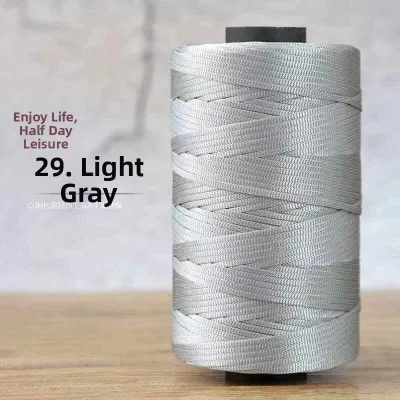
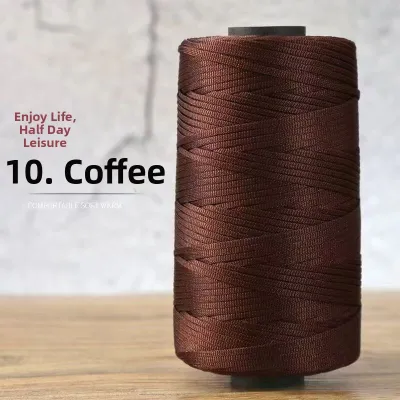
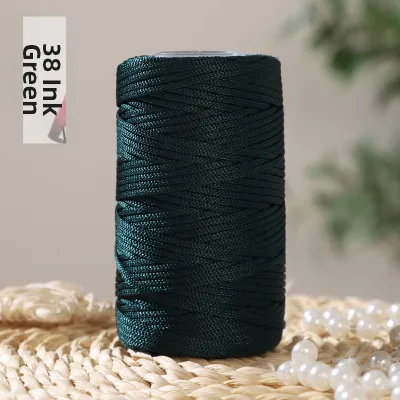
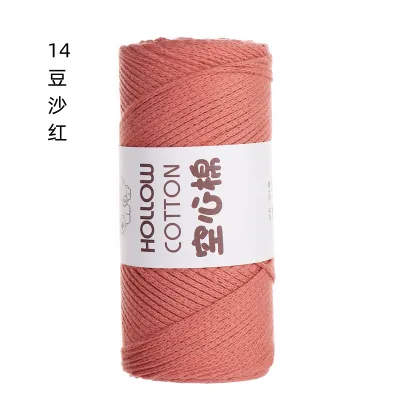
Prices are valid at publication and may change. Please refer to the product page for the latest price.
As you wear and wash a garment made from hemp, the mechanical action breaks down the stiff fibers, transforming the fabric. It transitions from a structured, crisp material into a soft, flowing textile with a heavy, elegant drape. This unique aging process means that hemp garments often look and feel better after dozens of washes than they do fresh off the knitting needles.
How Hemp Yarn Compares to Cotton, Linen, and Wool
Comparing hemp to other natural fibers is essential for selecting the right material for your knitting project. Each fiber behaves differently under tension, reacts uniquely to moisture, and creates a distinct fabric structure.

Hemp vs. Cotton
Cotton is a staple for warm-weather knitting due to its softness and familiarity. However, cotton fibers are shorter and weaker than hemp fibers. While cotton feels soft immediately, it tends to absorb moisture and can become heavy and saggy over time. Hemp, on the other hand, starts stiff but develops a superior, fluid drape that flows with the body. To verify these traits on a yarn label, look at the ply; a highly twisted hemp yarn will offer more structural definition, while a loosely spun cotton may pill more easily.
Hemp vs. Linen
Linen and hemp are close relatives in the fiber world, both being bast fibers derived from plant stems. They share a complete lack of elasticity and a tendency to soften with washing. However, they differ in texture and luster. Linen typically has a smoother, slightly shinier surface right from the skein, whereas hemp has a more matte, textured, and rustic appearance. To observe these differences, knit a small swatch of each. You will notice that hemp creates a slightly loftier, more textured fabric, while linen lies flatter with a subtle sheen.
Hemp vs. Wool
The contrast between hemp and wool is the most dramatic. Wool is an animal fiber characterized by natural crimp, which gives it high elasticity, warmth, and excellent stitch memory. Wool garments bounce back into shape and trap air to keep you warm. Hemp has zero natural crimp, making it completely inelastic and highly breathable. It does not trap heat, making it an excellent choice for tropical climates, where wool garments are often too warm. While wool holds complex cables and ribbing beautifully, hemp will flatten these patterns out, making it better suited for open lace, eyelets, or flat stockinette stitch.
Fiber Comparison Matrix
| Fiber Type | Elasticity | Initial Texture | Breathability | Best Project Types |
|---|---|---|---|---|
| Hemp | None | Crisp / Stiff | Extremely High | Summer tees, market bags, home textiles |
| Cotton | Low | Soft | High | Casual garments, baby blankets, dishcloths |
| Linen | None | Crisp / Smooth | Extremely High | Lightweight tunics, summer shawls, drapery |
| Wool | High | Soft / Springy | Moderate (Warm) | Winter sweaters, hats, mittens, cabled garments |
Is Hemp Yarn Right for Your Knitting Project?
Deciding whether hemp yarn is right for your project depends entirely on the garment’s intended structure and use. Because hemp excels in durability and drape, it is the perfect candidate for lightweight summer tops, relaxed-fit tees, market bags, and structured home accessories like placemats or hand towels. A market bag knitted in hemp will carry heavy items without stretching to the ground, a common issue with cotton bags.
Conversely, there are several projects you should avoid when using pure hemp yarn. Any pattern that relies on elasticity to stay in place—such as fitted ribbed cuffs, snug neckbands, or elastic socks—will not perform well in hemp. Without stitch memory, the ribbing will stretch out after a single wear and fail to snap back, leaving the garment looking misshapen.
If you want the benefits of hemp but need more elasticity or immediate softness, fiber blends are an excellent solution. A hemp-wool blend combines the warmth and bounce of wool with the strength and drape of hemp, creating a versatile all-season yarn. For warm-weather garments, a hemp-cotton or hemp-bamboo blend reduces the initial stiffness of the yarn, making it much easier on your hands during the knitting process while retaining the beautiful drape of hemp.
Before purchasing, always check the yarn label carefully. Look for the fiber percentages to understand how the yarn will behave. Check the recommended needle sizes and gauge requirements; plant fibers often require smaller needles than animal fibers of the same weight to prevent the stitches from looking too loose or sloppy.
Tips for Knitting and Caring for Hemp Garments
Knitting with hemp requires a few practical adjustments to ensure a comfortable crafting experience and a beautiful finished piece. First, consider your needle selection. Because hemp yarn is inelastic and can feel stiff, metal needles may cause the yarn to slide too quickly, leading to uneven tension. Wooden or bamboo needles offer more surface friction, helping you control the stiff stitches and maintain a consistent gauge.
Creating a gauge swatch is an absolute necessity when working with hemp. Plant fibers behave very differently before and after washing. Knit a generous swatch, measure your stitch and row gauge, and then wash and dry the swatch exactly as you plan to care for the finished garment. Once dry, measure the gauge again. You will likely find that the fabric has relaxed, softened, and draped differently, which will significantly impact the final fit of your garment.
When it comes to care, always follow the specific instructions on the yarn label. While pure hemp is incredibly durable and can often withstand machine washing and tumble drying on low heat, blended yarns may have much stricter care requirements. If your pure hemp yarn feels too stiff to knit comfortably, you can wind the skein into a loose hank, tie it securely in several places, and soak it in warm water with a small amount of mild hair conditioner. Squeeze out the excess water, let it dry completely, and then wind it into a ball. Stop this process immediately if you notice any fiber degradation or if the manufacturer advises against pre-washing.
Frequently Asked Questions (FAQ)
Does hemp yarn soften over time?
Yes, hemp yarn softens beautifully with time, wear, and washing. The mechanical action of wearing the garment and the agitation of washing gradually break down the natural pectins that bind the plant fibers together. While it will never develop the fluffy loft of animal fibers like merino wool, it will transform from a stiff, rustic cord into a supple, flowing fabric similar to high-quality linen.
Can I use hemp yarn for baby clothes or sensitive skin?
Pure, unwashed hemp yarn is generally not recommended for baby clothes or highly sensitive skin due to its initial crispness and rustic texture, which can cause friction and irritation. If you wish to use hemp for these projects, look for blends that incorporate soft fibers like organic cotton, bamboo, or silk. Always wash and block the finished item thoroughly to maximize softness, and test the fabric against your inner wrist to verify comfort before gifting it.

Community discussion
Share your experience or ask a question. Comments are reviewed before publication.