
Deciding how to alter your clothes at home often comes down to a choice between immediate convenience and long-term capability. For absolute beginners, hemming tape offers a rapid, heat-activated solution that requires no prior crafting experience and costs very little upfront. On the other hand, an entry-level sewing machine represents a larger financial and spatial investment, but it rewards you with permanent, structurally sound stitches that can handle a wide variety of fabrics and complex alterations. Choosing the right tool depends on your budget, the amount of storage space you have, and how often you plan to modify your wardrobe.
To make the best choice for your home setup, it is essential to evaluate your immediate alteration needs against your long-term DIY goals. While both tools can shorten a pair of trousers, they do so using entirely different mechanisms that affect the drape, durability, and feel of your garments.
Assessing Your DIY Alteration Goals
Before choosing between an adhesive and a mechanical stitch, you must define the scope and frequency of your planned clothing alterations. Beginner projects typically fall into a few common categories, such as shortening trouser hems, taking in loose side seams, or repairing simple split seams. Each of these tasks demands a different level of structural integrity from the bond you create.
Products mentioned in this guide
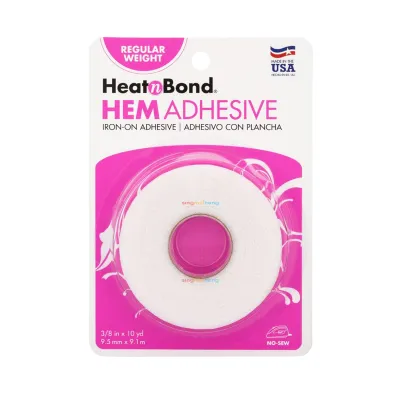
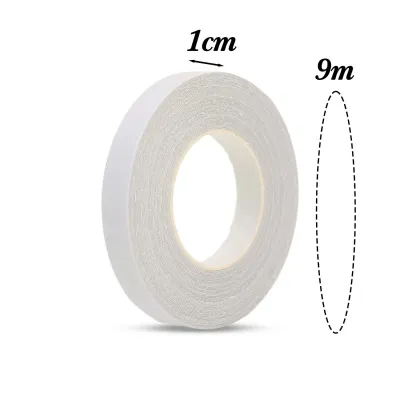
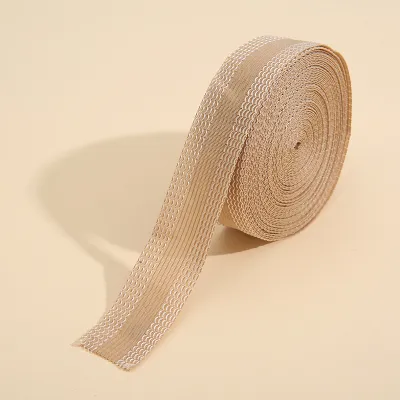
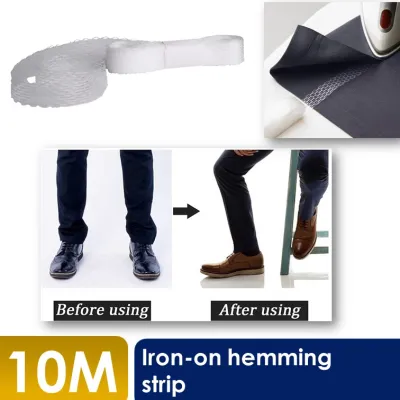
Prices are valid at publication and may change. Please refer to the product page for the latest price.
Fabric type is the most critical constraint when selecting your alteration method. Stretchy knits, heavy denim, and delicate silks all behave differently under tension and heat. For instance, a stiff adhesive bond can ruin the natural drape of a lightweight silk skirt, while a standard straight stitch on a stretchy knit t-shirt will likely snap the moment the fabric is pulled. Understanding how your specific garments behave is the first step in avoiding ruined clothing.
Your decision should also factor in your expected frequency of use and time commitment. If you only need to fix a single pair of dress pants for an upcoming event, a quick-fix solution is highly practical. However, if you plan to regularly upcycle thrifted finds, adjust school uniforms, or customize your wardrobe, investing time in learning a more versatile method will yield better results over time.
Hemming Tape: Quick Fixes and Fabric Limitations
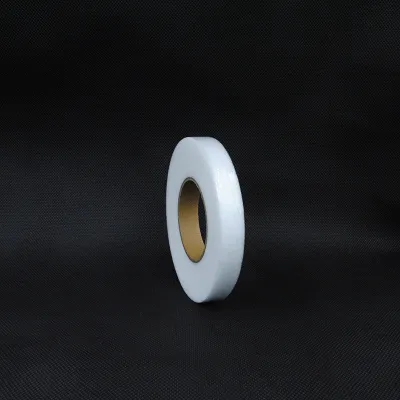
Hemming tape, often referred to as fusible web, is a heat-activated adhesive strip that bonds two layers of fabric together when pressed with a household iron. The primary appeal of this method is its absolute lack of a learning curve. You simply measure the tape, place it within the folded hem, and apply heat and pressure according to the manufacturer’s instructions to create an instant bond.

This method is highly accessible and requires a very low upfront financial investment. A single roll of hemming tape typically costs under S$10 and can easily complete several pairs of trousers. For renters, students, or those living in compact apartments where storage space is limited, a small roll of tape is incredibly easy to store compared to bulky machinery.
However, adhesive bonds have clear physical limitations that make them less suitable for permanent wardrobe maintenance. Over time, repeated exposure to water, laundry detergents, and the heat of a clothes dryer will inevitably weaken the adhesive, causing the hem to peel or sag. Furthermore, hemming tape adds stiffness to the fabric, which can make lightweight garments look rigid and unnatural, and it can leave a sticky, difficult-to-remove residue if you ever decide to undo the alteration.
Before applying hemming tape to any garment, you must perform a few simple checks to prevent permanent damage. First, verify the wash-care label of your clothing to ensure the fabric can safely tolerate the high iron temperatures required to melt the adhesive. Second, always test a small scrap of the tape on an inconspicuous inside seam to check the bond strength and ensure the melted adhesive does not bleed through to the visible side of the fabric.
Entry-Level Sewing Machines: Long-Term Versatility
An entry-level sewing machine offers a mechanical solution to alterations, using thread to lock fabric layers together in a highly durable structure. While the initial financial commitment is higher—with basic, reliable machines typically starting around S$120 to S$300—it represents a long-term investment in your home utility toolkit. Beyond the machine itself, you will need to budget for minor ongoing consumables such as quality sewing threads, machine needles, and bobbins.
Operating a sewing machine does come with a noticeable learning curve that requires patience and practice. Beginners must learn how to wind a bobbin, thread the upper path correctly, adjust thread tension, and guide fabric smoothly under the presser foot. While this can feel intimidating at first, mastering these basic mechanical steps unlocks the ability to perform highly precise and professional-looking repairs.
In terms of versatility, a sewing machine far outperforms adhesive tape. With a selection of basic stitches, you can easily construct strong seams, replace broken zippers, mend torn pockets, and work on fabrics ranging from heavy denim to delicate chiffon. A machine allows you to adjust your stitch length and type to match the exact characteristics of the fabric, ensuring the altered garment moves naturally with your body.
Stitched alterations provide unmatched structural durability. A mechanical seam can withstand hundreds of wash cycles, high-temperature drying, and daily physical wear without losing its integrity. If you make a mistake or need to adjust the fit again in the future, you can easily unpick the stitches using a inexpensive seam ripper, leaving the fabric clean, undamaged, and ready to be resewn.
Head-to-Head Comparison: Tape vs. Machine
To help you visualize how these two alteration methods compare across key practical categories, refer to the comparison table below:
| Feature | Hemming Tape | Entry-Level Sewing Machine |
|---|---|---|
| Setup Time | Under 5 minutes | 10 to 15 minutes (threading and prep) |
| Learning Curve | None (requires basic iron safety) | Moderate (requires practice on scrap fabric) |
| Wash Durability | Temporary to semi-permanent | Permanent (lasts the lifetime of the garment) |
| Fabric Compatibility | Best for light to medium woven fabrics | Highly versatile (wovens, knits, heavy denim) |
| Upfront Cost Level | Very low (typically under S$10) | Moderate to high (typically S$120 to S$300+) |
| Storage Space | Negligible (fits in a small drawer) | Moderate (requires dedicated shelf or desk space) |
When evaluating these options, consider the balance between permanence and reversibility. Stitched seams are highly secure but can be undone cleanly with no chemical residue left behind. Conversely, while hemming tape is technically reversible by reheating the adhesive, the remaining sticky residue can permanently stain or stiffen delicate fabrics, making future adjustments difficult.
Physical space is another major consideration for home crafters. In compact living environments, a sewing machine requires a flat, stable table to operate and a dedicated storage spot when not in use. A roll of hemming tape, however, can be tucked away in a tiny drawer or utility box, making it the ultimate space-saving option for quick, occasional fixes.
Making Your Decision: Which Tool Fits Your Needs?
You should choose hemming tape if you are working primarily with lightweight, stable woven fabrics and need to perform quick, occasional adjustments. It is the ideal choice for urgent, one-off fixes—such as preparing an outfit for a formal event tomorrow—or if you have a very limited budget and no extra storage space in your home for a mechanical appliance.
You should choose an entry-level sewing machine if you plan to make clothing alterations a regular part of your routine, want to work with a wide variety of fabrics including heavy denim or stretchy knits, and demand durable, professional results that survive frequent laundering. The machine will save you money over time by allowing you to repair and customize your entire wardrobe rather than replacing worn items.
Note that neither method may be suitable if you are dealing with highly complex tailoring tasks, such as restructuring the shoulders of a structured suit jacket, altering heavy leather coats, or working on delicate bridal wear. These advanced projects require specialized industrial equipment, heavy-duty needles, and professional tailoring expertise to avoid ruining expensive garments.
Before starting any alteration project, always verify the garment’s care label. If the label strictly prohibits ironing or high heat, hemming tape is completely ruled out. Similarly, check if the fabric is prone to permanent needle marks—such as synthetic leathers or highly coated waterproof fabrics—before attempting to sew them with a machine.
Frequently Asked Questions (FAQ)
Can I use hemming tape on stretchy activewear?
Standard hemming tape is not recommended for stretchy activewear or knit fabrics. Because standard fusible web creates a rigid, non-stretchable bond, it will restrict the natural elasticity of the fabric, causing the hem to puck or the adhesive bond to snap when the garment is stretched. If you must use an adhesive on knits, look specifically for flexible, stretch-compatible fusible tapes, though a sewing machine using a zigzag or stretch stitch remains the most reliable way to maintain fabric elasticity.
Is it safe to iron hemming tape on delicate fabrics like silk?
Using hemming tape on delicate fabrics like silk carries a high risk of heat damage and adhesive bleed-through. Silk and other fine synthetics can easily scorch, melt, or develop permanent water-like stains from the melted adhesive. Always check the garment’s care label for iron temperature limits, use a clean pressing cloth between the iron and the fabric, and test a tiny piece of tape on an inside seam first. For high-value or highly delicate garments, consulting a professional tailor is always the safest course of action.
Community discussion
Share your experience or ask a question. Comments are reviewed before publication.