
Selecting the right tape for shorten pant projects is not a one-size-fits-all task. The ideal hemming tape depends entirely on the weight, fiber composition, and heat tolerance of your pants. Using an incompatible tape can lead to a stiff, unnatural fold, adhesive seeping through to ruin the face of the fabric, or a bond that simply disintegrates during the first wash. By matching the physical properties of the adhesive to the specific demands of your fabric, you can achieve a clean, durable, and completely invisible hem without picking up a needle and thread.
To make an informed choice, you must evaluate how the adhesive interacts with different textiles. Heavy denim requires a robust, high-temperature bond, while delicate synthetics demand low-temperature alternatives to prevent melting. This guide provides a comprehensive framework for selecting, applying, and troubleshooting hemming tapes across various pant fabrics, ensuring your alterations look professional and last through daily wear.
Understanding Hemming Tape Categories and Sizing
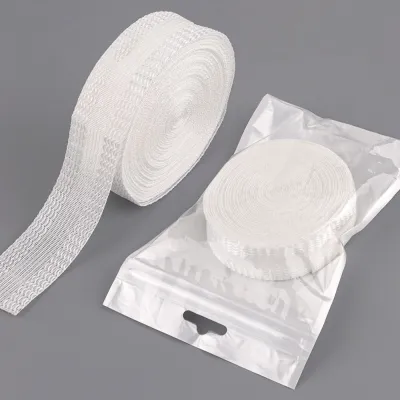
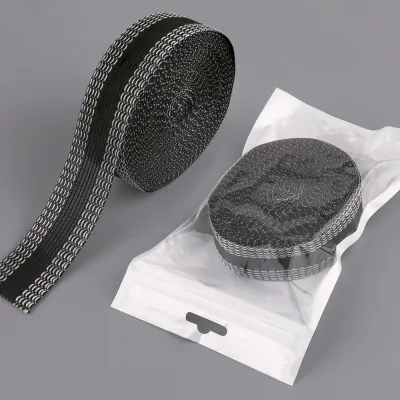
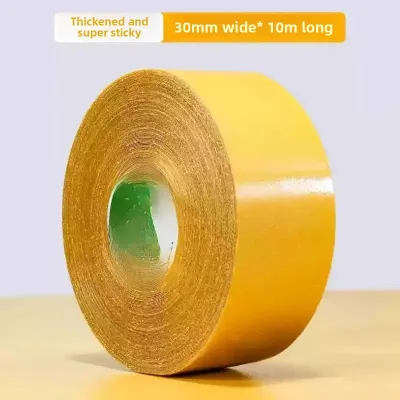
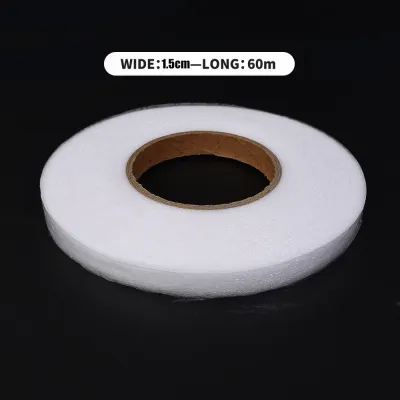
Hemming tapes generally fall into two primary categories: heat-activated fusible webs and pressure-sensitive double-sided fabric tapes. Fusible web is a dry, mesh-like adhesive sheet that melts when heat and steam are applied with an iron. Once cooled, it solidifies to fuse the two layers of fabric together. Double-sided fabric tape, on the other hand, features a pre-applied, sticky adhesive backing that requires no heat. While double-sided tape is highly convenient for quick, temporary fixes or extremely heat-sensitive materials, fusible webs offer a significantly more permanent and wash-resistant bond.
Products mentioned in this guide
Prices are valid at publication and may change. Please refer to the product page for the latest price.
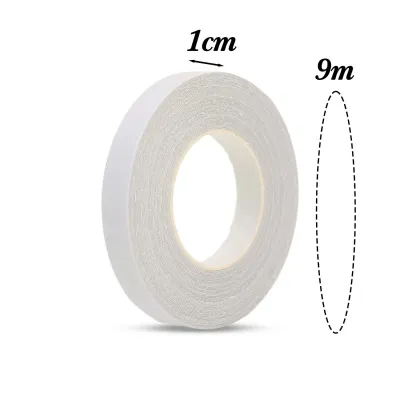
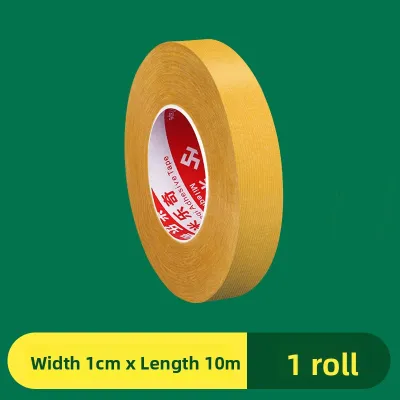
Selecting the correct width of your hemming tape is critical to preventing messy application errors. Standard tape widths typically range from 10mm to 25mm. To choose the right size, measure your folded hem allowance carefully. The tape should always be slightly narrower than the folded hem flap. If the tape is too wide, the excess adhesive will squeeze out of the top of the hem during ironing, leaving sticky, unsightly residue on the outside of your pants or transferring onto your iron soleplate. Conversely, if the tape is too narrow, it will not provide enough surface area to support the weight of the fabric, causing the hem to sag or pull apart.
Before purchasing, always check the product packaging for fabric weight ratings. Manufacturers categorize hemming tapes into lightweight, regular (or medium-weight), and heavy-duty classes. These ratings correspond directly to the density of the adhesive web. A lightweight tape has a thin, sparse web designed to remain flexible on delicate fabrics, whereas a heavy-duty tape features a dense, thick layer of adhesive formulated to penetrate coarse, heavy fibers. Matching these ratings to your garment is the first step toward a successful alteration.
Matching Hemming Tape to Specific Pant Fabrics
Fabric density and fiber content dictate both the heat tolerance and the adhesive requirements of your pants. Natural fibers like cotton and wool can generally withstand the higher temperatures needed to melt robust adhesives, while synthetic fibers like polyester, nylon, and acrylic are prone to glazing, scorching, or melting under direct heat. Additionally, highly textured or open-weave fabrics present different bonding surfaces compared to smooth, tightly woven materials.

Before applying any adhesive, always locate and read the care label inside your pants. Note the fiber composition and the recommended ironing temperature. If the care label advises against ironing or specifies a low-heat setting, you must avoid high-temperature fusible webs. Cross-reference these garment specifications with the tape manufacturer’s instructions to ensure compatibility before making any cuts or applying heat.
Heavyweight Fabrics (Denim, Canvas, Corduroy)
Thick, rigid materials like denim, canvas, and corduroy require heavy-duty fusible webs to maintain a secure hold. Because these fabrics are dense and heavy, they exert constant physical tension on the hem fold during movement. A standard or lightweight tape will quickly fail under this stress. Heavy-duty tapes are typically wider (often 20mm to 25mm) and feature a much thicker adhesive layer designed to sink deep into coarse textile fibers.
One of the primary challenges when hemming heavyweight pants is managing the bulk at the seam intersections. Where the side seams meet the hem fold, the fabric layers multiply, creating a thick, stiff lump. To ensure the hemming tape can bond evenly, you must reduce this bulk. Consider trimming away a small portion of the inner seam allowance within the hem fold, or use a wooden tailor’s clapper or a clean mallet to firmly tap and flatten the thick seam areas before applying the tape.
Applying heavy-duty tape requires significant heat and moisture to drive the thermal energy through the thick fabric layers to melt the adhesive. While pure cotton denim can easily tolerate high iron temperatures, modern stretch denim often contains elastane or spandex. These elastic fibers are highly heat-sensitive and can degrade, warp, or lose their recovery properties if exposed to excessive heat. Always verify the fiber blend of your heavyweight pants and adjust your iron temperature accordingly, using a damp pressing cloth to distribute heat safely.
Medium-Weight Fabrics (Cotton, Linen, Wool Blends)
Everyday casual trousers, chinos, and formal wool-blend dress pants fall into the medium-weight category. For these garments, standard-weight fusible tapes are the ideal choice. These tapes provide a balanced bond that is strong enough to withstand regular wear and laundering while remaining flexible enough to preserve the natural drape and movement of the trouser leg.
Using a heavy-duty tape on medium-weight pants is a common mistake that results in a stiff, unnatural hem. The excess adhesive saturates the fabric, creating a rigid, board-like band at the bottom of the pants that does not swing or drape naturally when you walk. To maintain a clean, fluid silhouette, stick to standard-weight tapes and ensure you apply only a single layer of adhesive along the hemline.
Linen and wool blends require special care during the heating process. Linen is highly prone to scorching under dry heat, while wool fibers can shrink or become shiny if ironed directly. To protect these materials, always use a pressing cloth and utilize the steam function of your iron. The moisture helps transfer the heat evenly to activate the adhesive without exposing the delicate natural fibers to damaging, direct dry heat.
Lightweight and Synthetic Fabrics (Polyester, Rayon, Activewear)
Lightweight and synthetic pants, such as polyester dress trousers, rayon slacks, and nylon activewear, present the highest risk of damage during thermal hemming. Thin synthetics have very low melting points. Applying a hot iron directly to these fabrics can cause immediate scorching, glazing (which leaves a permanent shiny mark), or complete melting of the fibers.
Furthermore, thin fabrics are highly susceptible to adhesive bleed-through. If the hemming tape is too thick or the iron is pressed too hard, the melted adhesive can seep entirely through the fabric structure, appearing as a dark, shiny, or stiff stain on the visible outside of the pants. To prevent this, you must use ultra-lightweight, low-temperature fusible tapes specifically formulated for delicate fabrics, or opt for a pressure-sensitive, non-iron double-sided tape.
Activewear and stretch trousers introduce another layer of complexity: mechanical stretch. Standard fusible tapes form a rigid, non-elastic bond. If you apply a standard tape to stretch fabric, the hem will snap and pop open the moment the fabric is pulled or stretched during movement. For these garments, look for specialized stretch fusible tapes made from flexible polyurethane. Always perform a physical stretch test on a scrap piece of fabric or a hidden portion of the inner seam allowance to verify that the adhesive bond can stretch and recover along with the fabric without peeling away.
Step-by-Step Application and Durability Verification
Achieving a professional, long-lasting hem requires systematic preparation and precise execution. Before you begin, ensure the pants have been washed and dried without fabric softener. Fabric softeners leave a silicone residue on the fibers that acts as a barrier, preventing the adhesive from gripping the textile structure. Ensure the fabric is completely dry, and use a lint roller to remove any loose threads, dust, or lint from the hem area.
Step 1: Wash and dry pants (do not use fabric softener).
Step 2: Measure, fold, and press the new hemline with a clean iron.
Step 3: Insert the hemming tape completely inside the folded hem flap.
Step 4: Cover the hem with a damp pressing cloth.
Step 5: Press the iron straight down firmly; do not slide it.
Step 6: Allow the fabric to cool completely for 15 minutes before moving.
When applying the tape, your ironing technique is paramount. Never slide the iron back and forth as if you were removing wrinkles; sliding shifts the tape inside the fold, causing puckers, twists, and misaligned hems. Instead, place the iron straight down onto the pressing cloth, apply firm, downward pressure, and hold it completely still. Refer to the tape packaging for the exact dwell time required—typically between 10 and 20 seconds. Lift the iron, move to the next section, overlap slightly, and press down again.
Once the entire hem has been pressed, resist the temptation to handle, fold, or try on the pants immediately. The adhesive is a hot liquid when first heated and has no structural strength. If you move the fabric while it is still warm, the bond will warp or pull apart. Allow the pants to lay completely flat on your ironing board or a flat surface for at least 15 minutes until the fabric is cool to the touch, allowing the adhesive to fully cure and solidify.
After the cooling phase, perform a gentle physical verification. Carefully try to peel the edges of the hem apart with your fingers. If any section lifts easily, it indicates that the adhesive did not reach its melting point; reapply the iron with slightly more pressure or a few seconds of additional heat. To verify long-term durability, inspect the hem again after the first machine wash cycle. If the edges remain flat and secure, the bond is successful.
Troubleshooting Common Hemming Tape Failures
If you notice shiny spots or stiff, dark ridges on the outside of your pants, you are experiencing adhesive bleed-through. This occurs when the tape is too heavy for the fabric, the iron temperature is set too high, or too much downward pressure was applied. Once bleed-through happens, it is difficult to reverse. To prevent it on subsequent projects, always use a lighter grade of tape, lower your iron temperature, and use a pressing cloth to buffer the heat.
Peeling or lifting at the edges of the hem is another common issue. This failure is typically caused by insufficient heat activation, inadequate pressing time, or the presence of fabric finishes (such as water-repellent coatings or fabric softeners) that reject the adhesive. If the fabric is compatible, you can often remedy this by re-pressing the lifting sections with a hot iron and a damp cloth, ensuring you hold the iron in place for the full recommended time to thoroughly remelt and set the adhesive.
If the hem feels stiff, crunchy, or does not drape naturally, the chosen hemming tape is too thick or rigid for the fabric weight. To correct this, you will need to remove the tape. Place a scrap piece of clean cotton cloth over the stiff hem and press it with a hot iron to remelt the adhesive. While the fabric is still hot, carefully peel the hem apart, allowing the excess adhesive to transfer onto the scrap cloth. Once the old tape is removed, clean the area and re-apply a lighter, more flexible tape.
There are times when hemming tape is simply not the right tool for the job. Highly textured fabrics like heavy boucle, deeply ribbed corduroy, or garments with specialized water-resistant, oil-resistant, or stain-resistant coatings will not bond reliably with adhesive tapes. Additionally, extremely delicate, expensive, or heirloom fabrics should not be subjected to permanent adhesives. If you encounter these materials, or if your troubleshooting attempts continue to fail, stop immediately to avoid damaging the fabric. Traditional hand-sewing with a blind hem stitch or consulting a professional tailor is the safest path forward.
Frequently Asked Questions (FAQ)
Can hemming tape survive regular machine washing and drying?
Yes, high-quality fusible hemming tapes are designed to withstand regular laundering, but their longevity depends heavily on proper application and adherence to care instructions. Always check the tape packaging for specific washability claims and maximum water temperature limits. Generally, hot water can soften the adhesive over time, leading to premature bond failure. To maximize the lifespan of your fused hem, wash the pants on a gentle cycle, turn the garment inside out to reduce friction against other clothes, and avoid high-heat tumble drying. Air drying or using a low-heat dryer setting is highly recommended to prevent the adhesive from degrading.
How do I safely remove hemming tape residue if I make a mistake?
To safely remove hemming tape residue, you must reactivate the adhesive using controlled heat. Place a clean, disposable scrap of cotton cloth or a paper towel directly over the residue on the fabric. Press a warm iron over the scrap cloth for several seconds; the heat will melt the adhesive, causing it to transfer and stick to the scrap material instead of your pants. Lift the scrap cloth away while it is still warm. If any sticky residue remains, check your pants’ care label before applying any commercial adhesive removers or rubbing alcohol. Always test any solvent on a hidden, interior seam allowance first to ensure it does not cause color bleeding, staining, or fiber degradation.
Community discussion
Share your experience or ask a question. Comments are reviewed before publication.