
Choosing the wrong tape for clothes can quickly turn a quick fix into a wardrobe disaster. Using a heavy-duty fusible web on a delicate silk blouse can scorch the fabric beyond repair, while applying double-sided fashion tape to hem heavy denim jeans will result in a failing seam before you even leave the house. Understanding the unique material properties, adhesive strengths, and application methods of each clothing tape ensures your garments remain intact, look professional, and survive daily wear.
To help you identify the correct tape for your immediate needs, refer to this quick diagnostic matrix matching common clothing scenarios to their ideal tape category:
| Project Scenario | Best Tape Type | Permanence | Key Application Requirement |
|---|---|---|---|
| Shortening trousers or skirts without sewing | Hem Tape | Semi-Permanent to Permanent | Iron-on heat activation |
| Sealing stitched seams on raincoats or outdoor gear | Seam Tape | Permanent | Heat-activated sealing (iron or heat gun) |
| Securing low-cut necklines or loose straps to skin | Fashion Tape | Temporary (Single Use) | Clean, dry skin and fabric |
| Patching tears in down jackets, umbrellas, or bags | Repair Tape | Permanent | Pressure-sensitive, self-adhesive backing |
Using the wrong tape carries distinct risks. For instance, using industrial or fabric-fusing hem tape directly on your skin can cause severe contact irritation or chemical burns. Conversely, relying on temporary fashion tape to hold up a heavy structural hem will fail the moment the fabric experiences any tension or moisture from laundry cycles.
Products mentioned in this guide
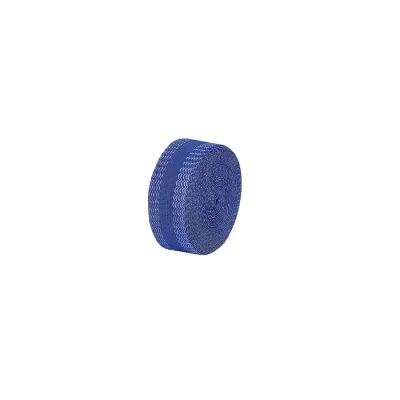
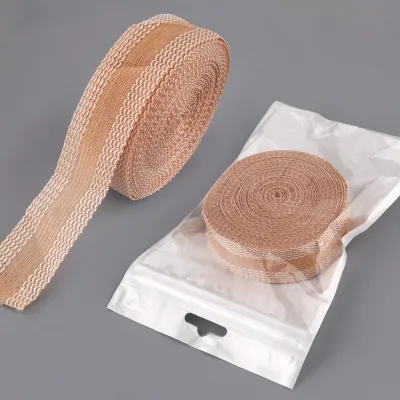
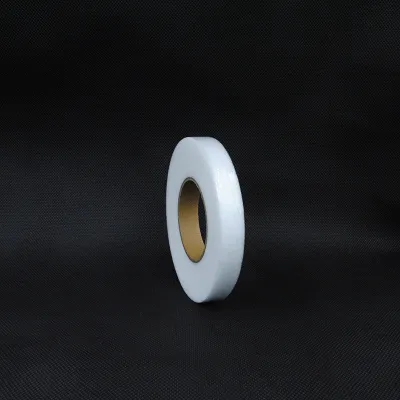
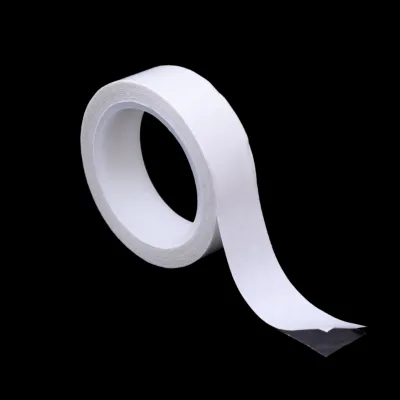
Prices are valid at publication and may change. Please refer to the product page for the latest price.
Hem Tape: When to Use It for Alterations
Hem tape is a specialized adhesive designed to join two layers of fabric together, offering a clean, stitch-free finish for clothing alterations. Typically available as a heat-activated fusible web or a heavy-duty double-sided fabric tape, it acts as a binder between overlapping layers of material. When heat is applied with an iron, the adhesive melts and fuses the fibers together, creating a strong, semi-permanent bond that mimics a sewn hem.
This tape is highly effective for rapid alterations where traditional needle-and-thread work is impractical. It is commonly used for shortening trousers, adjusting the drop of skirts, or securing unrolled sleeve cuffs. For busy professionals who need a quick uniform adjustment before an event, hem tape provides a neat, invisible solution that keeps garments looking tailored without a trip to the seamstress.
Fabric compatibility is a critical factor when working with fusible hem tape. It bonds exceptionally well with medium-to-heavyweight, heat-tolerant fabrics such as cotton, denim, linen, and sturdy polyester blends. These materials can easily withstand the high temperatures required to melt the adhesive web without suffering structural damage or surface distortion.
However, lightweight, delicate, or highly heat-sensitive fabrics present significant risks. Materials like silk, rayon, acetate, and fine synthetics can melt, scorch, or develop permanent shiny patches under a hot iron. Additionally, because fused hem tape adds a layer of adhesive material, it can create a stiff, unnatural ridge on flowing, drapey fabrics, ruining the garment’s natural movement. Always check the garment’s care label for iron heat limits before proceeding, and opt for sewing or ultra-lightweight specialty adhesives if the fabric cannot tolerate heat.
Seam Tape: When to Use It for Waterproofing and Seams
Unlike tapes designed for aesthetic alterations, seam tape serves a highly functional, structural role focused on waterproofing and weatherproofing. When garments are stitched together, the sewing needle punctures thousands of tiny holes through the fabric. Seam tape—typically made from polyurethane (PU) or thermoplastic polyurethane (TPU)—is applied over these stitched seams to seal those holes, preventing water from seeping through the gaps.

This specialized tape is essential for high-performance outdoor apparel and gear. It is the primary material used to repair peeling seam seals on rain jackets, waterproof windbreakers, and outdoor tents. In tropical climates where sudden, heavy downpours are common, maintaining the integrity of these seam seals is crucial for keeping activewear and commuting gear dry and functional.
Seam tape is formulated specifically for synthetic, coated, or laminated technical fabrics, such as ripstop nylon, polyester shells, and waterproof-breathable membranes. It does not bond effectively to standard natural fibers like cotton or wool, nor is it intended for everyday fashion garments. Applying seam tape to non-technical fabrics will generally result in poor adhesion and a bulky, uncomfortable seam line.
Applying seam tape requires precise heat control and careful preparation. Because the adhesive is heat-activated, you must use a household iron set to a specific low-to-medium temperature, often using a protective barrier sheet (like parchment paper) to avoid melting the technical outer fabric. The surface must be completely clean, dry, and free of oil or peeling old adhesive residue to ensure a reliable, long-lasting bond.
Fashion Tape: When to Use It for Styling and Skin Contact
Fashion tape is a temporary styling tool designed specifically for short-term wardrobe management and skin safety. Constructed as a double-sided strip, it features a specialized medical-grade acrylic adhesive that is formulated to be hypoallergenic. This unique chemistry allows the tape to adhere safely to human skin on one side and fabric on the other without causing irritation, redness, or leaving sticky, stubborn residue behind.
The primary role of fashion tape is to prevent wardrobe malfunctions and maintain the intended silhouette of a garment during wear. It is the ideal choice for securing plunging necklines, keeping strapless dresses from sliding down, preventing gaping between blouse buttons, and holding slipping bra straps in place. For humid outdoor events or formal gatherings, it provides peace of mind by keeping lightweight fabrics exactly where they belong.
Because it is formulated for skin safety, fashion tape has strict physical limitations. It is strictly a temporary, single-use solution that lacks the structural strength to support heavy, thick fabrics or bear significant physical tension. The adhesive is also highly sensitive to moisture; excessive sweating, high humidity, or exposure to water will cause the bond to fail rapidly.
When purchasing, pay close attention to product variations. Some packages are labeled specifically as “fabric-to-skin” tape, which features a gentler adhesive optimized for body contact. Others are designated as “fabric-to-fabric” tape, which offers a slightly stronger grip meant only for temporary fabric positioning, such as holding a collar down or pinning a pocket flat. Using a fabric-to-fabric tape directly on sensitive skin can lead to painful removal and mild skin abrasions.
Repair Tape: When to Use It for Rips and Outdoor Gear
Fabric repair tape is engineered for physical damage control, prioritizing rugged durability and immediate sealing power over subtle aesthetics. Often referred to as tenacious tape or nylon repair patches, this product features a highly aggressive, pressure-sensitive adhesive backing paired with a tough, weather-resistant face fabric. It requires no heat or sewing to apply; instead, a strong bond is formed instantly through firm hand pressure.
This tape is the go-to solution for fixing tears, punctures, and abrasions on heavy-duty outdoor gear and everyday utility items. It is commonly used to patch leaks in down jackets, seal rips in umbrellas, reinforce worn backpack straps, and repair canvas shoes or camping gear. Because it is highly waterproof and resistant to abrasion, a quality repair patch can extend the lifespan of expensive technical gear by several years.
Repair tape excels on synthetic and heavy woven fabrics, including ripstop nylon, heavy polyester, canvas, vinyl, and rubberized surfaces. However, it is not designed for delicate everyday clothing, formal wear, or knit fabrics like wool and cotton knits. Because the tape is thick and highly visible, using it on a dress shirt or a knit sweater will result in an unsightly, stiff patch that ruins the garment’s appearance and drape.
To achieve the longest-lasting bond with repair tape, proper preparation is essential. Always clean the damaged area with rubbing alcohol to remove dirt and oils before application. A crucial tip for preventing the patch from peeling over time is to use scissors to round the sharp corners of the tape before peeling off the backing; rounded edges are far less likely to catch on surrounding objects or lift during movement and washing.
Pre-Application Checks and Safe Removal
Before starting any tape application, always check the applied product’s label and the treated item’s manufacturer instructions. If the instructions conflict, the item is unidentified, or the use is not covered, stop and consult the manufacturer or a qualified professional.
How to Test Fabric Compatibility
Before applying any adhesive tape to your clothing, conducting a preliminary compatibility test is essential to prevent permanent damage. Always cut a small piece of the tape and apply it to a hidden, inconspicuous area of the garment, such as the inside of a hem allowance, a facing, or an interior pocket flap. This test allows you to check if the adhesive bleeds through to the visible side of the fabric, alters the material’s color, or distorts its natural drape.
Additionally, carefully review the garment’s care label before using any heat-activated tapes. If the label indicates that the fabric cannot tolerate ironing, or if it specifies a low heat setting, you must avoid using high-heat fusible hem tapes or seam tapes. Forcing heat onto incompatible fibers can cause permanent scorching, fiber shrinkage, or complete melting of synthetic threads.
Safe Removal and Residue Cleanup
Removing clothing tape requires a patient, methodical approach to avoid tearing delicate fibers or irritating your skin. For heat-activated tapes like hem tape or seam tape, applying gentle heat from a hairdryer or a warm iron (using a pressing cloth) can soften the hardened adhesive, allowing you to peel the tape away slowly and smoothly. Never aggressively rip or scrape tape off delicate fabrics, as this can break the woven threads or stretch the garment out of shape.
If sticky adhesive residue remains on the fabric after removal, check the tape manufacturer’s specific instructions for recommended cleanup methods. Safe options often include dabbing the area with a cotton ball soaked in rubbing alcohol, using a specialized fabric-safe adhesive remover, or gently washing the spot with warm, soapy water. Always test your chosen residue remover on a hidden area of the fabric first to ensure it does not strip the dye or damage the textile fibers.
Frequently Asked Questions (FAQ)
Can I use regular office double-sided tape instead of fashion tape?
No, you should never substitute regular office double-sided tape for fashion tape. Office tape adhesives are formulated for paper and plastic, not human skin; they contain chemicals and solvents that can cause allergic reactions, contact dermatitis, or painful skin irritation. Furthermore, office tape lacks the flexibility needed to move with your body, and its aggressive adhesive can leave stubborn, gummy residue that can permanently stain and ruin delicate clothing fibers.
Will hem tape survive the washing machine?
Yes, most high-quality fusible hem tapes are designed to withstand regular laundering, but they do not have the infinite lifespan of a stitched hem. To prolong the bond, always wash the garment in cold or warm water on a gentle cycle, as hot water can soften the adhesive. Additionally, avoid high-heat tumble drying; the intense heat of a standard dryer can melt the adhesive web, causing the hem to unravel and peel away over time.
How do I remove tape residue from delicate fabrics?
To remove stubborn adhesive residue from delicate fabrics like silk, chiffon, or fine synthetics, start with the gentlest method possible. Dampen a soft microfiber cloth with warm water and a drop of mild dish soap, then gently dab the residue without rubbing vigorously. If the residue persists, apply a small amount of rubbing alcohol or a specialized fabric-safe adhesive remover to a cotton swab, test it on an interior seam first, and then lightly press it onto the sticky spot to dissolve the bond before washing.
Community discussion
Share your experience or ask a question. Comments are reviewed before publication.