
Selecting a card to celebrate a happy teachers day involves more than picking an attractive design off a retail shelf. In Singapore’s diverse educational landscape, a student’s connection with an educator can range from daily pastoral care to highly focused, weekly academic training. A single, generic card style rarely fits every scenario. Matching the card style, tone, and presentation to the specific relationship ensures your gesture of appreciation is received with the warmth and respect it deserves.
Every educator plays a distinct role in a student’s development. A preschool teacher who helps a child navigate social skills requires a different approach than a secondary school physics teacher or a private piano instructor. By aligning the format and message of your greeting card with the nature of the relationship, you create a keepsake that honors their specific contribution to your academic and personal journey.
Cards for Form Teachers and Preschool Educators (Close, Daily Bonds)
Form teachers and preschool educators spend hours each day guiding students through both academic lessons and personal growth. Because they observe a student’s daily challenges, triumphs, and character development, the bond here is naturally close and nurturing. The card you choose for these educators should reflect this deep, daily connection.
Products mentioned in this guide
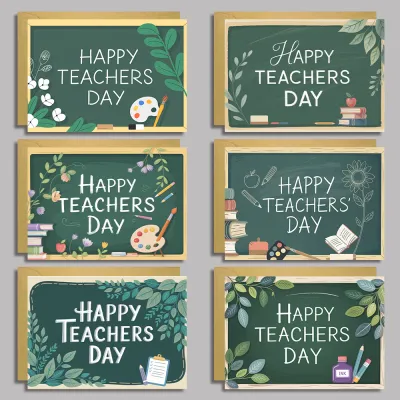
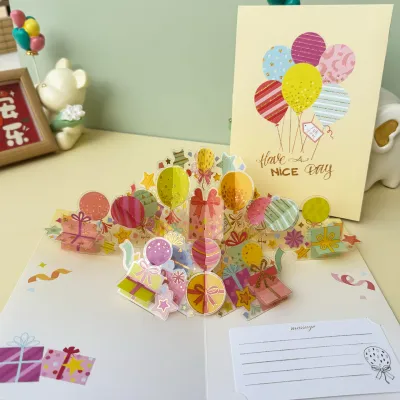
Prices are valid at publication and may change. Please refer to the product page for the latest price.
Tone, Message, and Personalization
For these close relationships, the written message should prioritize emotional warmth and specific, shared memories. Rather than relying on generic poetic verses, focus on concrete instances where the teacher made a difference. Mention a specific time they offered comfort during a difficult day, helped resolve a classroom conflict, or encouraged a breakthrough in a challenging subject.
Sincerity and personal detail carry far more weight than formal perfection. Parents of younger children can write about observable changes in their child’s confidence or enthusiasm at home, attributing this growth directly to the teacher’s patience and care. For older students, expressing gratitude for the teacher’s daily presence and pastoral guidance creates a highly meaningful, memorable message.
Card Formats: DIY vs. Premium Store-Bought
The choice between a handmade creation and a premium store-bought card depends largely on the student’s age and creative capability. For preschool and lower primary school students, a DIY card is highly valued. The physical effort of finger painting, hand-drawn illustrations, or simple paper cut-outs demonstrates direct, thoughtful involvement. When crafting DIY cards with young children, always select child-safe, non-toxic, acid-free adhesives to prevent the paper from yellowing over time, and ensure blunt-tip safety scissors are used under adult supervision.
For older primary and secondary school students, a premium store-bought card is often more appropriate. Look for cards featuring high-quality structural elements, such as intricate 3D pop-ups, laser-cut patterns, or elegant watercolor illustrations on textured paper. To elevate a store-bought card, you can insert a printed photo of the student and teacher together, or attach a small, handwritten letter on coordinating stationery paper inside the card to preserve a clean, sophisticated presentation.
Cards for Tuition and Enrichment Teachers (Targeted, Extracurricular Bonds)
Tuition teachers, music instructors, and sports coaches operate in a highly focused, goal-oriented environment. The relationship is built around skill acquisition, academic improvement, and overcoming specific learning hurdles. The card selected for these educators should honor this targeted, developmental partnership.

Tone and Message Style
The tone for an enrichment or tuition teacher should balance professional respect with enthusiastic gratitude for their specialized guidance. Focus the message on tangible progress, academic breakthroughs, or milestones achieved under their supervision.
For instance, thank a math tutor for helping you master complex algebraic concepts, or express appreciation to a swimming coach for building your physical endurance. Acknowledging their patience during challenging sessions or their willingness to explain difficult concepts multiple times shows that you recognize and value their professional dedication.
Card Formats and Practicality
When choosing a card format, select designs that subtly reference the subject matter or sport. Minimalist cards featuring clean geometric patterns, subtle musical motifs, or academic icons are excellent choices. Avoid overly sentimental designs, opting instead for modern, crisp aesthetics.
This relationship also lends itself well to practical pairings. Consider matching the card with a functional, high-quality stationery item, such as a premium notebook or a smooth-writing gel pen. Ensure the card remains the central focus by securing it neatly to the gift package with a coordinated ribbon or placing it inside a matching envelope, keeping the overall presentation professional and tidy.
Cards for Subject Teachers and Specialists (Moderate, Academic Bonds)
In secondary schools and junior colleges, students interact with several subject specialists throughout the week. While these relationships are highly academic and less intimate than those with form teachers, these educators still play a vital role in a student’s intellectual growth.
Tone and Message Style
Keep the written message appreciative, polite, and clearly focused on the classroom experience. Highlight the teacher’s instructional clarity, their passion for the subject, or the engaging learning environment they establish.
Avoid overly personal family anecdotes or highly emotional language. Instead, write about how their teaching style made a difficult syllabus more approachable, or how their enthusiasm for history, literature, or science inspired you to study harder. This keeps the message respectful and professionally bounded.
Card Formats and Efficiency
Writing cards for six to eight subject teachers can quickly become overwhelming. To manage this efficiently without sacrificing quality, purchase cohesive multi-packs of high-quality, minimalist cards from local stationery shops or online marketplaces.
Using a consistent, high-standard base design allows you to focus your energy on personalizing the internal written message for each teacher. Opt for card packs featuring elegant typography, simple floral illustrations, or classic borders. Avoid overly casual, cartoonish, or humorous designs, as a polished and clean aesthetic is more appropriate for secondary school and pre-university educators.
Cards for Principals and School Leaders (Formal, Respectful Bonds)
School leaders, vice-principals, and principals guide the overall educational direction, culture, and safety of the institution. Because direct, individual interaction with these administrators is typically limited, the card choice and message must adhere to formal etiquette and high professional standards.
Tone and Message Style
The tone for school leadership must be formal, highly respectful, and community-focused. Express appreciation for their school-wide initiatives, strong leadership, and dedication to maintaining a positive, safe, and enriching environment for the entire student body.
Use formal salutations, such as “Dear Principal [Surname]” or “Dear Dr. [Surname],” and maintain a polite distance. Avoid casual abbreviations, slang, or overly familiar phrasing. The message should reflect the student’s pride in being part of the school community under the leader’s guidance.
Card Formats: Professional and Elegant
For school leaders, select cards made from thick, premium cardstock (ideally 300 gsm or higher) that feels substantial to the touch. Designs featuring subtle gold foil stamping, embossed textures, or classic botanical illustrations are highly suitable.
Strictly avoid DIY cards, humorous themes, or brightly colored cartoon designs, as these can appear unprofessional. A clean, blank card with an elegant cover design allows you to write a structured, formal note that conveys sincere professional respect.
Cross-Scenario Strategies: Managing Multiple Cards and Bulk Gifting
When preparing cards for numerous teachers, organization is key to preventing burnout and maintaining a high standard of presentation. Set up a dedicated card-writing workspace at home equipped with a clean surface, fine-line pens, rulers, and envelopes. Preparing all materials beforehand helps streamline the process.
For major subject teachers or form teachers, classes often organize a single, large group card. This is an excellent way to present a premium, high-impact keepsake. When coordinating a group card, ensure each classmate has a designated space to sign. Using fine-tip gel pens with rapid-drying ink prevents the signatures from smudging as the card is passed around.
If you prefer to give individual cards, you can maintain efficiency by using a structured template for your messages while customizing the specific academic details for each teacher. This approach ensures that every card remains deeply personal and relevant without requiring hours of repetitive brainstorming.
Writing Tips and Etiquette for Happy Teachers' Day Messages
The physical presentation of your card is just as important as the words written inside. To ensure your card looks polished and professional, pay close attention to the stationery tools and local presentation customs:
- Pen Selection and Ink Compatibility: When writing on coated or glossy cardstock, standard water-based ink can smudge easily. Choose quick-drying pigment gel pens or fine-liners. Always test your pen on a small, hidden corner of the card or envelope first to verify its drying speed and bleed resistance.
- Clear Identification: Teachers receive dozens of cards during this festive period. Always write your full name, class, and the current year clearly at the bottom of the card or on the back cover so the teacher can easily identify the sender.
- Presentation Etiquette: In Singapore, presenting items with both hands is a traditional sign of respect. Hand the card directly to the teacher with both hands while offering a verbal word of thanks, or place it neatly on their desk if they are away.
Frequently Asked Questions (FAQ)
Are Digital or E-Cards Acceptable for Teachers' Day?
While digital cards and e-cards are highly convenient and environmentally friendly, physical cards remain the preferred choice for school-based teachers. Physical cards carry a tangible, keepsake value that teachers often display on their desks or store in memory boxes for years. Digital cards are best reserved for private tuition teachers met exclusively online, or as a supplementary gesture if you are unable to deliver a physical card in person.
Should I Include a Gift Voucher Inside the Card?
Before placing any voucher inside a card, always check the specific school’s policies or the Ministry of Education (MOE) guidelines regarding gift acceptance. Educators in Singapore are subject to strict public service guidelines regarding the monetary value of gifts they can receive. If a small, practical voucher is permitted and deemed appropriate, slip it discreetly inside the envelope. The handwritten message should always remain the primary focus of your gesture, emphasizing gratitude over material value.
Community discussion
Share your experience or ask a question. Comments are reviewed before publication.