
Deciding whether to stick with traditional hand sewing needles or invest in a mechanical sewing machine is a common crossroads for crafters, hobbyists, and anyone who regularly mends their own textiles. While hand sewing offers unmatched precision, portability, and a low barrier to entry, a sewing machine introduces speed, consistency, and structural strength that hand stitching can rarely match. The right choice depends on the scale of your projects, your physical comfort, and the physical space you have available in your home. By evaluating your current sewing habits, you can determine if upgrading to a machine is a practical investment or an unnecessary expense.
Signs Your Projects Have Outgrown Hand Sewing Needles
For many, the humble hand sewing needle is the gateway to fabric crafting. However, as your skills develop, you may find that manual stitching begins to limit your creative output. The most immediate sign that you have outgrown hand needles is the sheer amount of time spent on basic construction. Sewing long, straight seams for garments, curtains, or bed linens by hand can take hours, if not days, whereas a machine can complete the same task in minutes. This time sink often leads to project fatigue, causing half-finished items to pile up in your storage baskets.
Physical discomfort is another clear indicator. Repetitive hand stitching requires fine motor control, which can cause significant strain on your fingers, wrists, and eyes over extended periods. If you find yourself cutting sewing sessions short due to hand cramps or neck strain, mechanical assistance can offer a much-needed ergonomic relief.
Products mentioned in this guide
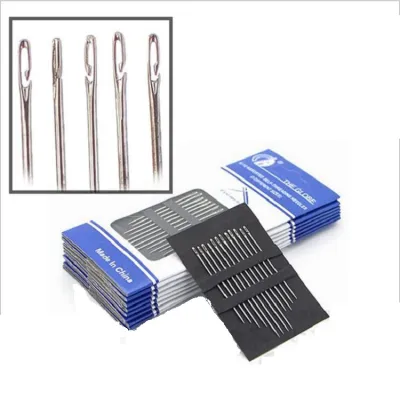
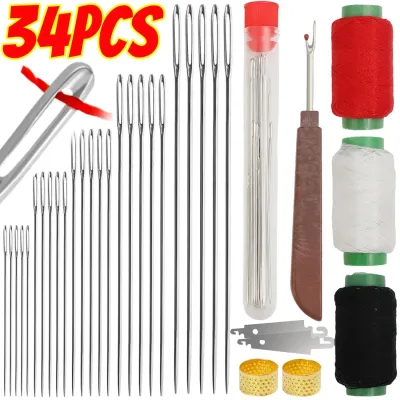
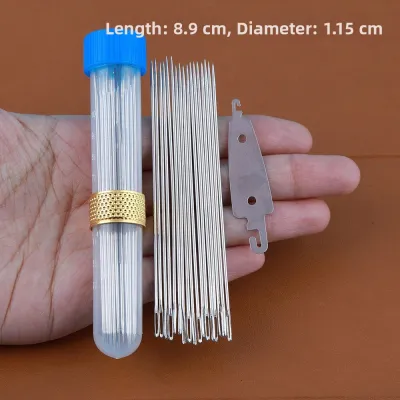
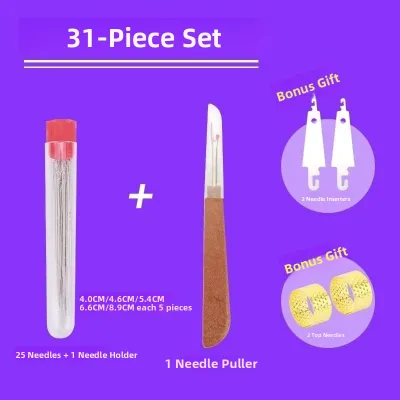
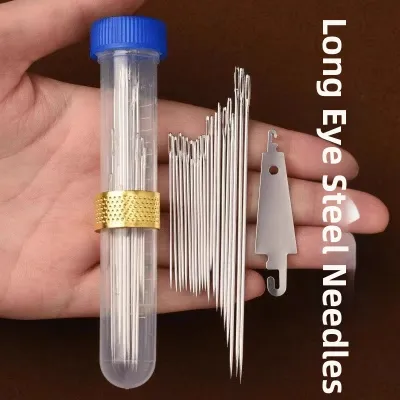
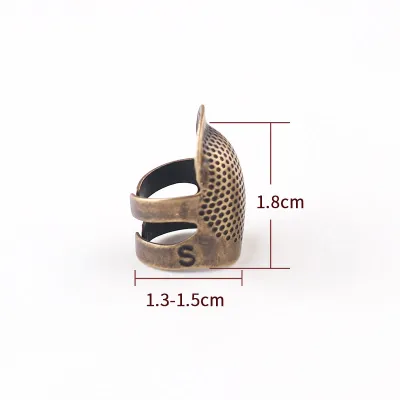
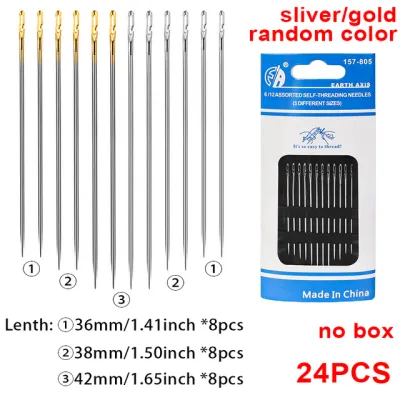
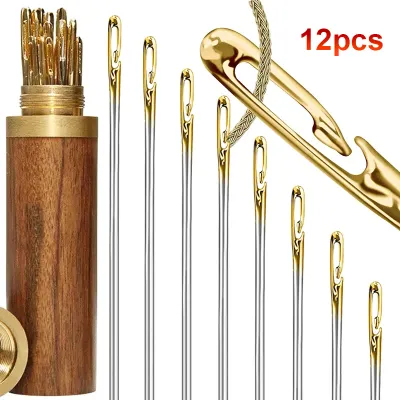
Prices are valid at publication and may change. Please refer to the product page for the latest price.
Beyond physical limitations, hand sewing needles present structural challenges when working with modern or heavy textiles. Piercing multiple layers of dense fabrics like denim, canvas, or heavy upholstery material requires substantial physical force. Achieving uniform stitch tension across these thick layers by hand is incredibly difficult. If your seams look uneven, or if you notice stitches puckering and pulling under stress, a sewing machine’s mechanical feed dogs and consistent needle penetration force can instantly resolve these structural weaknesses.
Finally, consider your weekly or monthly sewing frequency. If your textile work is limited to sewing a loose button once every few months, hand needles are perfectly adequate. However, if you are regularly altering thrifted clothes, tailoring garments to fit your body, or attempting to construct new pieces from scratch every week, the manual process will quickly become a bottleneck.
When Hand Sewing Needles Remain the Better Choice
Despite the speed of mechanical alternatives, hand sewing needles remain irreplaceable for specific tasks and delicate materials. High-end tailoring and couture fashion still rely heavily on hand stitching because of the level of control it provides. When working with exceptionally delicate fabrics such as silk, chiffon, or fine lace, the aggressive feed dogs and heavy presser feet of a sewing machine can easily snag, tear, or warp the weave. Hand sewing allows you to adjust your tension stitch by stitch, ensuring the fabric remains pristine.

Intricate decorative work also favors the manual needle. Detailed embroidery, beadwork, and invisible hemming are far easier to execute by hand, where you can manipulate the fabric at precise angles. A machine, even with specialized presser feet, cannot match the organic flexibility of a hand-guided needle when navigating tight curves or hidden seams.
For quick, minor repairs, setting up a sewing machine is often more trouble than it is worth. Replacing a single button, securing a loose hook-and-eye closure, or fixing a tiny split seam can be completed with a hand needle in less time than it takes to retrieve a machine from the closet, plug it in, and wind a bobbin.
Portability and space are also major advantages of hand needles. A complete hand-sewing kit fits into a small tin or pouch, allowing you to mend clothing while traveling, commuting, or relaxing on the sofa. It requires no electricity, no dedicated table space, and creates absolutely no noise, making it the ultimate low-impact crafting method.
Evaluating Your Readiness for a Sewing Machine Investment
Transitioning to a sewing machine is not just a change in technique; it is a commitment of space, money, and learning time. Before making this investment, you must realistically assess your living environment and household budget.
In compact living environments, dedicated workspace is at a premium. A sewing machine requires a flat, sturdy table with nearby power outlets and adequate lighting. You must also consider where the machine will live when not in use. A standard machine can be heavy and bulky, requiring dedicated cabinet or closet space, along with storage for accessories like extra presser feet, bobbins, thread spools, and cutting mats. If your living space cannot comfortably accommodate this setup, you may find the machine becomes a source of clutter rather than a helpful tool.
Financial readiness is another critical factor. While entry-level sewing machines can be found for under S$150, high-quality, durable models often require a larger initial outlay. Beyond the machine itself, you must budget for ongoing costs. Consumables such as machine-specific needles, high-quality polyester or cotton threads, bobbins, and specialized sewing machine oil add up over time. Additionally, mechanical devices require periodic maintenance or professional servicing to keep the timing and tension mechanisms working smoothly, which can incur extra fees.
Finally, prepare yourself for the learning curve. Unlike a hand needle, which is highly intuitive, a sewing machine is a complex mechanical device. You will need to learn how to thread the upper path correctly, wind and insert the bobbin, adjust tension settings for different fabric weights, and troubleshoot common issues like jammed threads or skipped stitches. This process requires patience and a willingness to read manuals and practice on scrap fabric before working on actual projects.
Your Decision Checklist: Needle, Machine, or Both?
To help finalize your decision, evaluate your typical projects against this quick reference matrix:
| Project Type | Recommended Tool | Primary Reason |
|---|---|---|
| Button replacement & minor tears | Hand Sewing Needle | Quick setup, minimal prep time |
| Garment construction & dressmaking | Sewing Machine | Speed, seam strength, and efficiency |
| Quilting & large home decor (curtains) | Sewing Machine | Handles bulk and long seams easily |
| Delicate hems & fine embroidery | Hand Sewing Needle | High precision, prevents fabric damage |
For many creators, the ideal solution is not an all-or-nothing choice, but rather a hybrid approach. You can use a basic sewing machine to handle the heavy lifting—such as assembling long seams and constructing the main body of a garment—while keeping your hand sewing needles ready for delicate finishing touches, hand-sewn buttonholes, and invisible hems.
Before purchasing a machine, take actionable steps to test your interest. Consider borrowing a machine from a friend or family member for a weekend, or sign up for a beginner’s sewing workshop at a local community center or craft studio. Visiting a local sewing machine showroom can also allow you to test different models under professional guidance, ensuring you choose a machine that aligns perfectly with your skills and project goals.
Frequently Asked Questions (FAQ)
Can I use regular hand sewing needles in a sewing machine?
No, you cannot use regular hand sewing needles in a sewing machine. Hand needles and machine needles are structurally entirely different. A hand needle has its eye at the blunt end, whereas a machine needle has its eye located near the pointed tip. Additionally, machine needles feature a specialized shank—often with a flat side—designed to lock securely into the machine’s needle bar at a precise angle. Attempting to install a hand needle in a sewing machine will prevent the machine from forming stitches, and it will likely bend, break, or cause severe damage to the internal bobbin mechanism and needle plate.
What features should a beginner sewing machine have for former hand sewers?
If you are transitioning from hand sewing, look for an entry-level mechanical sewing machine that prioritizes ease of use over complex computerized features. Essential features include an adjustable stitch length and width, a clear drop-in bobbin system (which allows you to easily monitor your thread supply), and a basic selection of utility stitches (such as straight stitch, zigzag, and a simple buttonhole stitch). Ensure the machine comes with standard presser feet, including a zipper foot and a general-purpose foot. Before purchasing, verify the local availability of replacement parts, compatible bobbins, and manufacturer warranties to ensure long-term support.

Community discussion
Share your experience or ask a question. Comments are reviewed before publication.