
Finding the perfect small card in Singapore involves balancing paper quality, design style, and practical sizing. Small cards are highly versatile, serving as the ideal accompaniment to gifts, floral bouquets, and small parcels. To find the best collections, buyers should look for reputable local design studios, international stationery brands, and eco-friendly paper makers available through boutique lifestyle stores and online platforms across Singapore.
In Singapore’s vibrant gifting culture, a thoughtful physical note often accompanies presents for birthdays, weddings, housewarmings, and festive celebrations. While standard-sized greeting cards remain popular, the compact charm of a small card has carved out a significant niche. These miniature formats offer a refined way to convey heartfelt sentiments without the need to fill a large expanse of blank paper.
Selecting the right brand requires understanding the physical characteristics of quality stationery. From the tactile feel of the cardstock to the precision of the print, every detail contributes to the overall presentation of your gift. By focusing on material standards and sourcing channels, you can easily build a reliable shortlist of small card options that elevate your personal or professional gifting.
Products mentioned in this guide
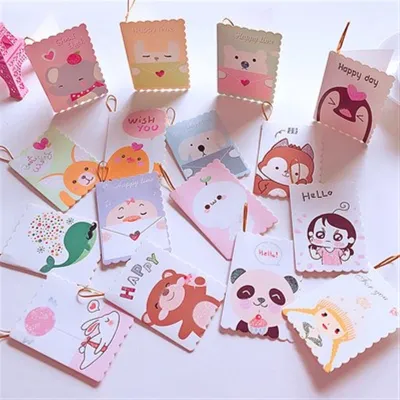
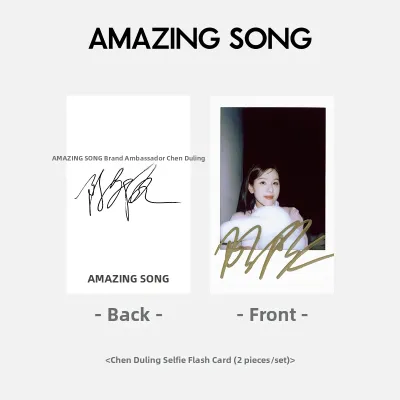
Prices are valid at publication and may change. Please refer to the product page for the latest price.
Defining the Small Card Format and Its Ideal Uses
To make an informed purchase, it is essential to understand what defines the small card format. In the stationery industry, small cards generally refer to sizes smaller than the standard A5 format. The most common dimensions include A6 (approximately 105mm by 148mm), A7 (approximately 74mm by 105mm), and various square formats ranging from 75mm to 90mm per side. These dimensions are specifically scaled to complement gifts rather than overwhelm them.
These compact dimensions make small cards incredibly versatile across a range of gifting scenarios. They are the preferred choice for florist card inserts, where a larger card would detract from the beauty of the floral arrangement. They also function beautifully as gift tags attached to gift bags, small parcel additions for online deliveries, or quick personal notes slipped into a pocket or a bouquet.
The physical space available on a small card naturally dictates the length and style of your message. With a limited writing surface, these cards encourage concise, impactful writing. A simple expression of gratitude, a brief congratulatory note, or a warm holiday wish fits perfectly within these boundaries. This format is particularly comforting for those who find the vast blank space of a standard card intimidating, allowing the focus to remain on a few well-chosen words.
Furthermore, the scale of the card influences how it interacts with the gift itself. A small card can be tucked discreetly into a ribbon, placed inside a gift box, or propped up next to a small token of appreciation. This seamless integration ensures that the card feels like an organic part of the overall presentation rather than an afterthought or a bulky addition.
Core Criteria for Evaluating Small Card Quality
When evaluating small card collections, the weight and texture of the paper are paramount. Paper weight is measured in grams per square meter (GSM), which indicates the density and thickness of the stock. For a small card to feel premium and stand upright without bowing, look for cardstock with a weight of at least 250 GSM, though 300 GSM to 350 GSM is ideal. Heavier paper not only provides structural integrity but also prevents ink from bleeding through to the other side.

Texture also plays a critical role in the tactile experience of receiving a card. Smooth, uncoated cardstock offers a clean, modern feel and is highly receptive to most pen types. Textured papers, such as laid, linen, or cotton rag, add a layer of sophistication and depth to the design. However, these textured surfaces require careful consideration of the writing instrument used, as highly textured fibers can cause certain inks to feather or skip.
Envelope compatibility is another crucial factor that is often overlooked. A high-quality small card should always be paired with a matching envelope that fits its dimensions precisely. The envelope should be constructed from sturdy paper, typically between 100 GSM and 120 GSM, to protect the card during transit. The fit must be snug enough to prevent the card from sliding around excessively, yet loose enough to allow the recipient to slide the card out easily without tearing the paper.
Finally, pay close attention to the design and finish of the card. Because the canvas is small, any imperfections in print alignment, foil stamping, or embossing will be highly visible. High-quality brands execute these finishes with extreme precision, ensuring that metallic foils are crisp, embossed patterns are deeply defined, and printed colors are vibrant and true. Inspecting the margins and borders of the card can quickly reveal whether the brand maintains high production standards.
Navigating Brand Categories to Build Your Shortlist
To find the best small card collections in Singapore, it helps to categorize the available brands into distinct groups based on their origin and design philosophy. Local independent designers and illustrators form a vibrant segment of the market. These creators often produce small cards that feature unique, hand-drawn illustrations, whimsical characters, or culturally relevant themes that resonate with local recipients. Sourcing from local designers not only supports the creative community but also ensures your card carries a distinct, personal touch.
International stationery and lifestyle brands offer another reliable avenue. These established names are known for their consistent manufacturing standards, classic design aesthetics, and reliable stock availability. Many of these brands specialize in minimalist, elegant, or traditional designs that are suitable for formal occasions, corporate gifting, or sophisticated personal notes. Their collections often feature high-grade paper stocks and matching envelopes that meet strict international quality standards.
For environmentally conscious consumers, eco-friendly and sustainable stationery brands are increasingly accessible. These brands focus on reducing their environmental footprint by utilizing recycled post-consumer waste, FSC-certified paper, and soy-based or vegetable-based inks. Some innovative collections even feature plantable seed paper, which can be buried in soil after reading to grow wildflowers or herbs. When choosing sustainable options, verify the brand’s certifications to ensure their environmental claims are backed by reputable organizations.
By understanding these categories, you can tailor your search to match the specific tone of your gift. A whimsical local illustration might be perfect for a close friend’s birthday, while a minimalist international design suits a professional milestone. Keeping a small, curated selection of cards from each category on hand ensures you are prepared for any gifting occasion that arises.
Reliable Channels to Source Small Cards in Singapore
Sourcing high-quality small cards in Singapore can be done through several reliable channels, each offering distinct advantages. Visiting physical stationery boutiques and lifestyle concept stores is highly recommended for those who value a tactile shopping experience. These brick-and-mortar shops allow you to physically handle the cards, feel the paper weight, and inspect the print quality firsthand. Many boutique stores are located in creative hubs and shopping districts, offering a curated selection of both local and international brands.
For convenience and a wider selection, official brand websites and authorized local online storefronts are excellent options. Buying directly from the creator or an authorized distributor guarantees that you are receiving authentic products. These websites typically provide comprehensive product specifications, including exact dimensions, paper weight, and envelope details. They also frequently showcase complete collections that may not be fully represented in physical retail spaces.
When utilizing general e-commerce platforms, a more cautious approach is necessary to avoid low-quality imitations. To ensure you are purchasing genuine, high-quality small cards, look for listings from official brand stores or highly rated stationery sellers. Read customer reviews carefully, paying close attention to feedback regarding paper thickness, print clarity, and whether the envelopes arrived in good condition. Always cross-reference the dimensions listed in the product description with your requirements, as product photos can sometimes be misleading.
Pre-Purchase and Mailing Checklist for Small Formats
Before finalizing your purchase of small cards, running through a quick checklist can prevent common logistical issues. First, always verify the exact dimensions of the card and envelope in millimeters or inches. Terms like “mini” or “small” are subjective and vary significantly between brands. Knowing the precise measurements ensures the card will fit perfectly inside your gift box, floral holder, or mailing envelope.
If you intend to send your small card through the postal service, you must check the local postal authority’s regulations regarding minimum envelope sizes. In Singapore, envelopes that fall below a certain size threshold cannot be processed by automated sorting machines. Sending an undersized envelope may result in the mail being returned to the sender, delayed, or subjected to non-standard postage surcharges. To avoid this, you can place your small card and its envelope inside a standard-sized mailing envelope for transit.
Additionally, consider the compatibility of your writing instruments with the card’s paper stock. If you plan to write your messages using fountain pens, gel pens, or heavy markers, it is wise to test the pen on a small, inconspicuous area of the card first. Some paper finishes, particularly glossy or highly coated surfaces, do not absorb ink quickly, leading to smudges and smears. Uncoated, high-GSM papers are generally the most forgiving for a wide variety of pens.
Frequently Asked Questions (FAQ)
Do small envelopes meet standard mailing size requirements?
Generally, very small envelopes do not meet the minimum size requirements set by postal authorities for standard mail delivery. In Singapore, envelopes must meet specific minimum dimensions to be processed through automated sorting systems. If your envelope is too small, it may be rejected or require additional postage. To ensure safe and reliable delivery, it is highly recommended to place your small card and its matching envelope inside a standard C6 or DL envelope when mailing.
How do I prevent ink smudging on textured small cards?
Preventing ink smudging on textured or coated small cards requires matching the right pen to the paper surface. For textured papers like linen or laid cardstock, use a fine-liner or a fast-drying gel pen, and avoid applying excessive pressure. For coated or metallic finishes, which absorb ink slowly, opt for a quick-drying ballpoint pen or a specialized permanent marker. Always allow the written message to dry completely for several minutes before folding the card or placing it inside the envelope.

Community discussion
Share your experience or ask a question. Comments are reviewed before publication.