
Gifting Philippine products in Singapore is an excellent way to share rich cultural heritage, unique tropical flavors, and exquisite craftsmanship. Whether you are looking for a small token of appreciation for a colleague, a warm gesture for a friend, or a premium keepsake for a family member, the Philippines offers a diverse range of items that resonate well with Singapore’s multicultural and discerning community. Selecting the right gift involves balancing cultural appeal with practical considerations like shelf life, local climate resilience, and transportability.
By focusing on high-quality, authentic goods, you can present a gift that is both meaningful and highly functional. From gourmet treats to handwoven home accessories and specialty stationery, understanding what to look for ensures your gesture is well-received and suited to the urban lifestyle of your recipient.
Criteria for Selecting Philippine Gifts
When choosing a gift, the first step is to evaluate the recipient’s profile and lifestyle. In Singapore’s fast-paced professional environment, gifts for colleagues should ideally be compact, non-intrusive, and easy to display or consume at a office desk. For friends and family, you can opt for more personal, experiential, or home-oriented items. Always consider dietary restrictions; Singapore is a diverse society with various religious and lifestyle dietary requirements, making it essential to verify ingredients and certifications before gifting food.
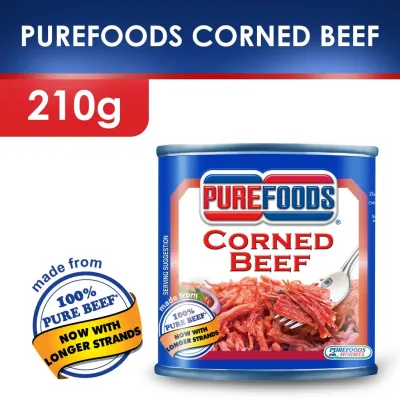
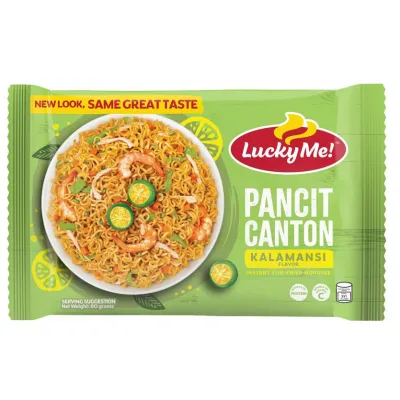
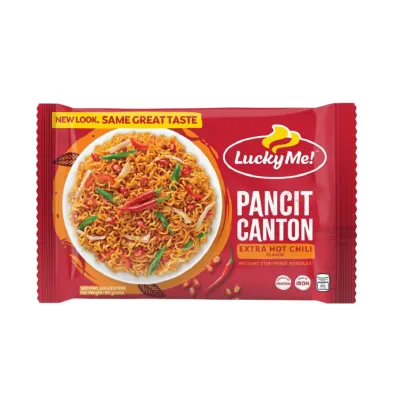
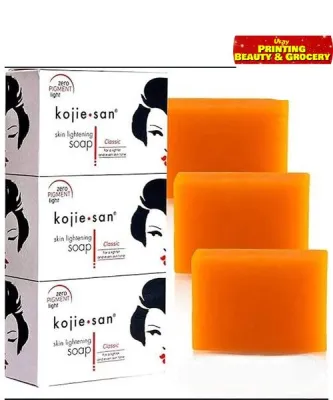
Products mentioned in this guide
![[1000ML] [PHILIPPINES] [Fresh Exp: Sep 2027] Everyday Immunity Support for The 5th Wave Lowering the Risk of Breakthrough Infection - Absolutely Pure Cold Pressed Unrefined Extra Virgin Coconut Oil 100% Certified Organic](https://img.lazcdn.com/g/p/be2194de77972f446f31fb289d382077.jpg_400x400q80.jpg_.webp)
![[OFFER FREE 1 TOTAL 3 x 500ML] [PHILIPPINES] [Fresh Exp: Sep 2027] Everyday Immunity Support for The 5th Wave Lowering the Risk of Breakthrough Infection - Absolutely Pure Cold Pressed Unrefined Extra Virgin Coconut Oil 100% Certified Organic](https://img.lazcdn.com/g/p/a9ed8b20c49c9d1fa9c2ef9e129304eb.jpg_400x400q80.jpg_.webp)
Prices are valid at publication and may change. Please refer to the product page for the latest price.
Portability and shelf life are equally critical factors. If you are transporting the items yourself, lightweight and structurally robust products are preferable to fragile glassware or heavy liquids. For food items, prioritize shelf-stable goods that do not require immediate refrigeration. This ensures the product remains fresh from the moment of purchase through transit and eventual presentation.
Packaging quality and structural durability play a significant role in how a gift is perceived. High-quality packaging not only protects the contents from damage but also elevates the overall presentation, making it suitable for formal occasions. For casual gifting, simpler yet neat packaging is often sufficient, but the item itself must still meet high standards of craftsmanship and utility to ensure it does not simply become clutter in a modern, space-conscious home.
Popular Categories of Philippine Gifts
Philippine products span several distinct categories, each offering a unique way to connect with your recipient. By categorizing these goods, you can easily match the gift to the recipient’s specific interests, whether they are a culinary enthusiast, a lover of home decor, or a stationery collector.

The most popular categories that translate exceptionally well into thoughtful gifts include gourmet food items, handwoven crafts, and specialty stationery. Each category carries a distinct story of origin, showcasing the natural resources and traditional techniques of the Philippines while serving a practical purpose in the recipient’s daily life.
Food Items and Local Snacks
Consumable gifts are highly popular due to their immediate sensory appeal and low storage footprint. When selecting food items, focus on shelf-stable tropical delicacies. Dried mangoes, local single-origin coffee beans (such as Liberica or Arabica from highland regions), and artisanal dark chocolates are excellent choices. These items are easy to pack and carry a distinct tropical flavor profile that is highly appreciated in Singapore.
Before purchasing, carefully inspect the ingredient labels. If your recipient follows specific dietary laws, look for clear halal certification logos on the packaging. Additionally, check for common allergens such as nuts, dairy, or gluten, especially when gifting traditional sweets like polvoron or baked goods. Clear labeling ensures your recipient can enjoy the treat with peace of mind.
Singapore’s humid tropical climate requires packaging that offers an airtight seal. Opt for products sealed in thick foil pouches, vacuum-packed bags, or sturdy tin containers. Avoid thin plastic wraps or poorly sealed boxes, as moisture ingress can quickly cause snacks to lose their crispness, chocolates to bloom, or coffee beans to lose their aromatic oils. A secure seal guarantees the product tastes exactly as intended.
Handicrafts and Woven Goods
For recipients who appreciate home decor or personal accessories, handwoven goods made from natural Philippine materials offer timeless elegance. Common materials include abaca (Manila hemp), rattan, and capiz shell. These materials are celebrated for their organic textures and durability, making them perfect for adding warmth to modern urban living spaces.
When evaluating handicrafts, perform visual and tactile checks to ensure superior craftsmanship. For woven items like placemats, baskets, or coasters, check the tightness of the weave; a loose weave can easily snag or unravel over time. For capiz shell items, inspect the joints and metal frames to ensure they are structurally stable, free of sharp edges, and that the shells are securely set without cracks.
Because many residents in Singapore live in apartments or HDB flats where space is carefully optimized, avoid oversized or bulky decor items. Instead, select compact, highly functional pieces. Small storage trays, elegant table runners, or set-of-four coaster packs are easy to transport, fit comfortably into any home layout, and serve a clear daily purpose without occupying excessive space.
Specialty Stationery and Paper Crafts
Specialty stationery is a wonderful niche for gifts, appealing to journaling enthusiasts, sketch artists, and professionals alike. The Philippines has a rich tradition of handmade paper crafts utilizing local plant fibers like abaca or cogon grass. These papers offer unique textures and a tactile writing experience that mass-produced stationery cannot replicate.
When choosing notebooks or writing sheets, evaluate the paper weight and texture. For recipients who use fountain pens, look for paper with a weight of 80 gsm or higher to prevent ink feathering or bleeding through the page. Handmade papers often have a toothy, textured surface; while excellent for sketching, calligraphy, or gel pens, verify if the texture is smooth enough for the recipient’s preferred writing instruments.
Singapore’s high relative humidity can cause paper products to warp or bookbinding adhesives to soften. To prevent this, choose notebooks with robust binding, such as Smyth-sewn (thread-bound) designs that lay flat and hold pages securely without relying solely on glue. Hardcover notebooks or those with laminated, moisture-resistant covers are highly recommended as they maintain their shape much better in humid conditions.
To make the gift truly special, match the aesthetic style to the recipient’s personality. Look for stationery featuring elegant indigenous motifs, local botanical illustrations, or minimalist geometric patterns inspired by traditional weaves. These designs add a sophisticated cultural narrative to a workspace, making daily writing or planning a more inspiring experience.
Pre-Purchase and Gifting Checklist
Before finalizing your purchase and presenting your gift, run through a quick verification routine to ensure everything is in perfect condition. Taking a few moments to inspect the items guarantees a seamless and professional gifting experience.
- Physical Inspection: Check woven items for loose threads or uneven dye. Inspect paper goods for bent corners or cover warping. Ensure food packaging has no punctures, dents, or broken seals.
- Expiry Dates: Verify that food items have a clear expiration date that extends at least several months beyond the gifting date.
- Protective Packaging: Use bubble wrap or sturdy gift boxes for fragile items like capiz shells. Place paper stationery in a protective plastic sleeve inside the gift bag to shield it from sudden rain showers.
- Workplace Compliance: If gifting to a colleague or business partner in Singapore, ensure the value of the gift aligns with standard corporate compliance guidelines to avoid any professional awkwardness.
- Presentation: Pair the item with a neat, high-quality gift bag and a handwritten card explaining the origin and story behind the product.
Frequently Asked Questions (FAQ)
Where to find authentic Philippine products in Singapore
You can find authentic Philippine goods through specialty Asian grocery stores, cultural retail hubs, and official online brand storefronts. When shopping, verify the product’s authenticity by checking the manufacturer details, country of origin labels, and importer information printed on the packaging. Purchasing from reputable distributors or directly from official brand channels ensures you receive genuine, high-quality items.
Customs considerations for bringing food gifts into Singapore
When bringing food items into Singapore for personal gifting, you must comply with the guidelines set by the Singapore Food Agency (SFA). Generally, travelers are allowed to bring in a small, reasonable quantity of commercially prepared, shelf-stable food items for personal consumption or gifting. However, strict restrictions apply to high-risk categories such as fresh fruits, vegetables, and meat products (including pork-based snacks). To avoid confiscation at the border, stick to processed, commercially sealed, and non-meat snacks.
Community discussion
Share your experience or ask a question. Comments are reviewed before publication.