
Choosing your first paint medium can feel overwhelming with gouache, watercolor, and acrylic all competing for space on art shop shelves. For most beginners, the ideal paint is one that is forgiving of mistakes, easy to clean up in a home setup, and straightforward to learn. While watercolor offers beautiful transparency and acrylic provides permanent durability, gouache paint often emerges as a highly balanced option for beginners because it combines the opaque coverage of acrylic with the easy water-based cleanup and reworkability of watercolor. Understanding how these three mediums differ in opacity, drying behavior, and cleanup requirements will help you select the most suitable starting point for your creative journey.
Core Differences in Opacity and Reworkability
To understand how these paints behave on paper or canvas, it is essential to look at their opacity and what happens after they dry. Opacity refers to how much light passes through the paint layer to the surface beneath. Watercolor is inherently transparent. When you apply watercolor, the white of the paper shines through the pigment, giving the artwork a luminous, airy quality. Gouache paint, often described as an opaque watercolor, contains a higher concentration of pigment and sometimes added chalk. This composition makes it dry to a flat, matte, and completely opaque finish that blocks out the surface underneath. Acrylic paint sits on the other end of the spectrum; it uses a synthetic polymer binder that dries to a satin, gloss, or matte finish, forming a solid, plastic-like layer that can range from semi-transparent to highly opaque depending on the pigment and thickness of application.
The way these paints react to water after drying—known as reworkability—is a critical factor for beginners. Both gouache and watercolor are water-soluble even after they have dried completely on your paper or palette. If you apply a wet brush to dried gouache or watercolor, the paint reactivates, allowing you to blend, soften edges, or lift pigment off the page. Acrylic paint behaves entirely differently. Once the water evaporates from acrylic paint, the acrylic polymer binder cures into a permanent, waterproof plastic film. This means dried acrylic cannot be reactivated with water, making it impossible to blend directly into dry layers but allowing you to paint fresh layers on top without disturbing the work underneath.
Products mentioned in this guide
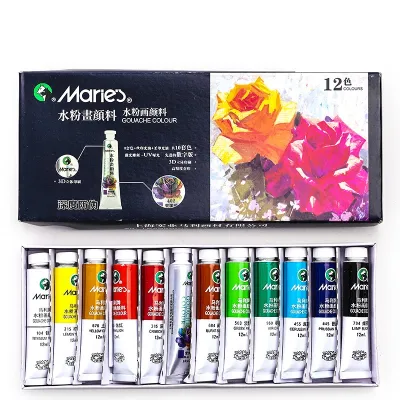
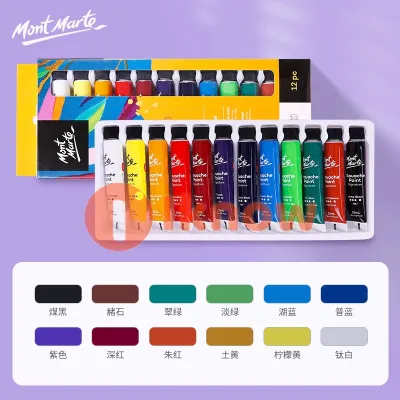
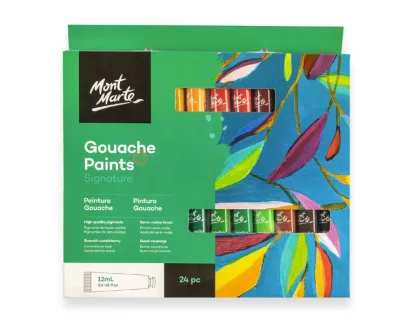
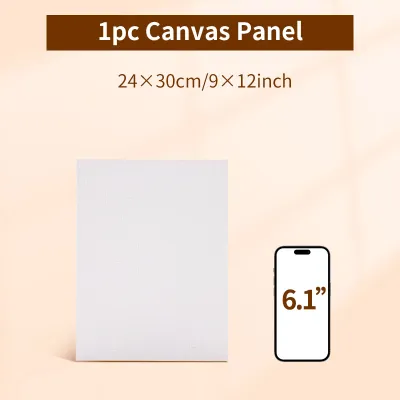
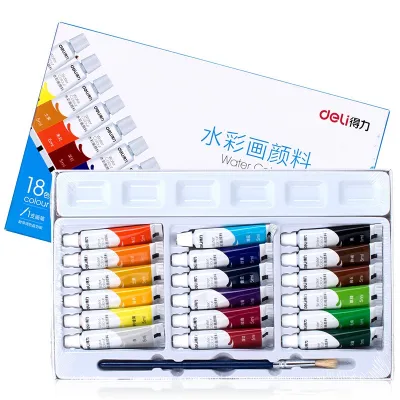
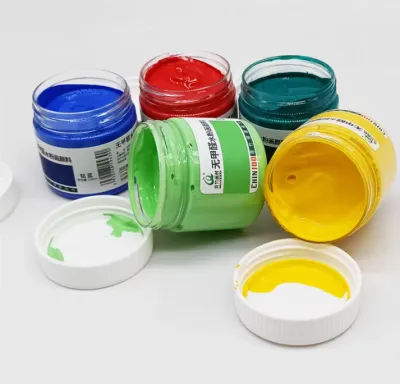

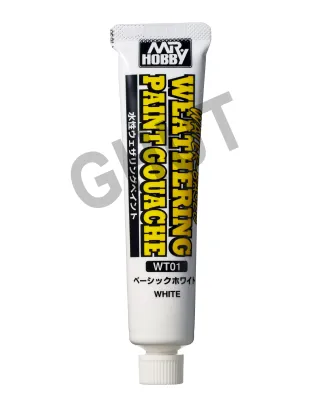
Prices are valid at publication and may change. Please refer to the product page for the latest price.
Learning Curve and Forgiveness for Beginners
For a beginner, the “forgiveness” of a medium—how easily you can correct a mistake—determines how frustrating or enjoyable the learning process will be. Gouache paint is highly forgiving because of its unique combination of opacity and reworkability. If you make a mistake with gouache, you can simply wait for it to dry and paint a lighter color directly over a darker color. Because the paint is opaque, the underlying layer will be completely hidden. Furthermore, if an edge is too harsh, you can use a damp brush to gently reactivate and soften the transition, making it highly accommodating for those still developing their brush control.

Watercolor has a significantly steeper learning curve because it is the least forgiving of the three mediums. Because watercolor is transparent, you must plan your painting from light to dark. Once you lay down a dark wash, you cannot paint a light color over it to fix a mistake; the dark pigment will always show through. Overworking the paper by adding too many layers or scrubbing with a wet brush to lift mistakes can damage the paper fibers and result in muddy, dull colors. This requires a level of patience and planning that can sometimes feel restrictive to someone just starting out.
Acrylic paint offers a different kind of forgiveness. Because it dries quickly into a permanent plastic layer, you can easily correct mistakes by letting the paint dry completely and then painting a fresh layer directly over the error. There is no risk of the underlying paint reactivating and muddying your new layer, which makes color correction incredibly straightforward. However, the incredibly fast drying time of acrylics can make wet-on-wet blending a challenge for beginners. If you do not work quickly, the paint will dry mid-stroke, leaving harsh lines that can only be corrected by waiting for the layer to dry and trying again.
Cleanup, Equipment, and Workspace Setup
Setting up a workspace and cleaning up afterward is a major part of the painting experience, especially if you are working at a dining table or in a small room. Gouache and watercolor are exceptionally easy to clean. Because both mediums are water-soluble, you only need water to clean your brushes, hands, and palettes. Even if you leave your brushes coated in gouache or watercolor paint overnight, they will not be ruined; a simple soak in water will dissolve the dried paint completely, restoring the bristles. Palettes made of plastic, ceramic, or metal can be washed clean in the sink, and any dried paint left on the palette can simply be saved and reactivated for your next painting session.
Acrylic paint requires much more vigilance during cleanup. Because acrylic dries into a permanent plastic, any paint left on your brushes will ruin them permanently once dry. You must keep your brushes wet while working and wash them thoroughly with soap and water immediately after your session. Acrylic palettes also require specific management. If you use a traditional plastic palette, you must peel the dried acrylic paint off or scrape it away, as it will not wash off with water. Many acrylic artists use disposable paper palettes or wet palettes to keep the paint from drying out too quickly during use.
The surface you paint on also varies by medium. Watercolor and gouache require heavy watercolor paper—typically at least 300 gsm (grams per square meter)—to prevent the paper from warping, buckling, or tearing when water is applied. Acrylic paint is much more versatile and can be applied to almost any non-greasy surface, including canvas, wood, heavy paper, cardboard, and plaster, without requiring specialized paper weights, though priming canvas with gesso is common to ensure proper adhesion.
How to Choose Your First Paint Medium
To decide which medium to purchase first, consider your preferred working style, your workspace, and your creative goals.
Choose gouache paint if you want to create vibrant, flat, matte illustrations with the ability to easily correct mistakes by layering light over dark. It is highly suitable for those who want a low-stress cleanup, the ability to pause and reactivate their paint days later, and a medium that works beautifully in sketchbooks or on heavy paper.
Choose watercolor if you are drawn to delicate, transparent washes, soft gradients, and a more fluid, unpredictable painting process. This medium is ideal if you have a quiet space where you can practice patience, plan your compositions from light to dark, and appreciate a highly portable setup that requires minimal equipment.
Choose acrylic if you want to paint on canvas, wood, or other diverse surfaces, and if you prefer permanent, waterproof layers that allow you to build texture. This is the right choice if you do not mind working quickly before the paint dries and are committed to washing your brushes immediately after every session.
Before committing to a specific medium, verify what student-grade paint sets are available at your local art supply store. Starting with a reliable student-grade set from a reputable brand ensures you get consistent pigment quality without the high cost of professional-grade paints, allowing you to experiment freely as you learn.
Frequently Asked Questions (FAQ)
Can you mix gouache paint with watercolor or acrylic?
Yes, you can mix gouache with watercolor quite easily because both share a gum arabic binder. Adding gouache to watercolor increases the opacity of your washes, allowing you to create semi-opaque effects or highlights on top of transparent layers. However, mixing gouache with acrylic requires caution. While you can mix them while wet, adding acrylic to gouache introduces an acrylic polymer binder. This changes the properties of the paint, making it dry to a semi-permanent finish that is difficult or impossible to reactivate with water, thereby losing the characteristic reworkability of traditional gouache.
Do I need different brushes for each paint type?
While you can use the same brushes for watercolor and gouache, it is highly recommended to keep a separate set of dedicated synthetic brushes for acrylic paint. Watercolor and gouache brushes are designed to hold a large amount of water and are often made of soft natural hair or soft synthetic blends. Acrylic paint is much heavier and more abrasive, which can quickly wear down soft watercolor brushes. Dedicated synthetic brushes with stiffer bristles are better suited for moving heavy acrylic paint and maintaining their spring, and using separate brushes ensures your delicate watercolor brushes are never accidentally ruined by dried acrylic residue.
Community discussion
Share your experience or ask a question. Comments are reviewed before publication.