
Choosing between a glass and a steel magnetic display board for teaching with magnetic letters depends on the type of magnets your letters use and how often you plan to write on the surface. Steel boards are highly compatible with standard, lightweight educational magnets, making them an easy, practical choice for traditional classrooms. Glass boards offer an exceptionally smooth, stain-resistant writing surface but require specialized, high-strength magnets to hold letters securely through the thick glass layer.
While glass boards look modern and resist ghosting, their compatibility limitations can frustrate educators who already own standard plastic magnetic letters. Conversely, steel boards are easy to mount and work with almost any magnetic accessory, but their painted surfaces require more careful maintenance over time to prevent marker stains. Understanding these physical differences ensures you select a board that supports your daily teaching flow without unexpected compatibility issues.
Magnetic Compatibility and Letter Stability
Steel boards feature a magnetic metal backing directly beneath a thin painted or lacquered surface. Because the barrier between the magnet and the steel is incredibly thin, standard ceramic or ferrite magnets—the dark grey magnets typically glued to the back of plastic educational letters—cling securely without sliding. This direct contact provides reliable stability, allowing students to slide letters around during spelling exercises without them falling off.
Products mentioned in this guide
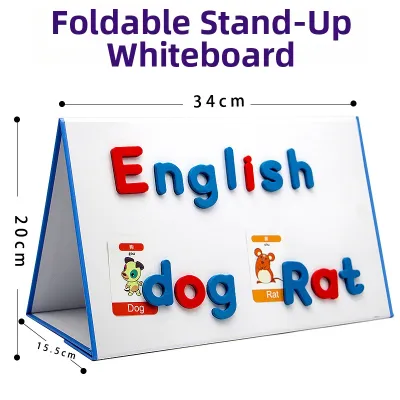
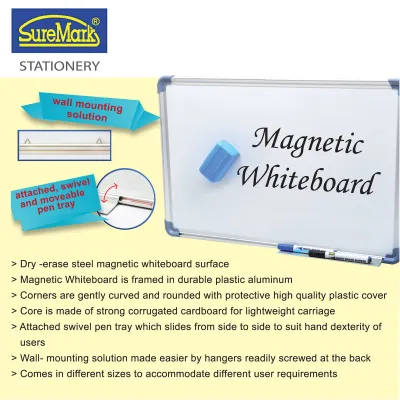
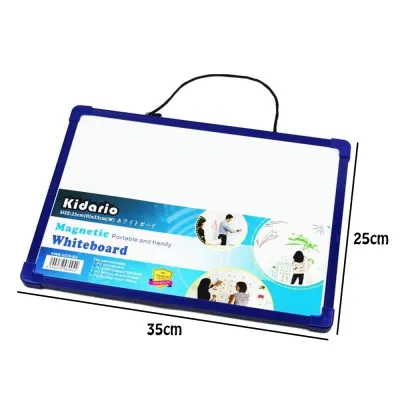
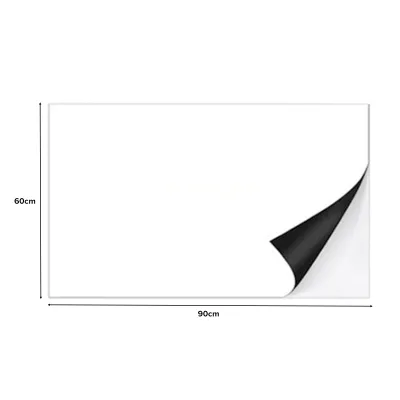
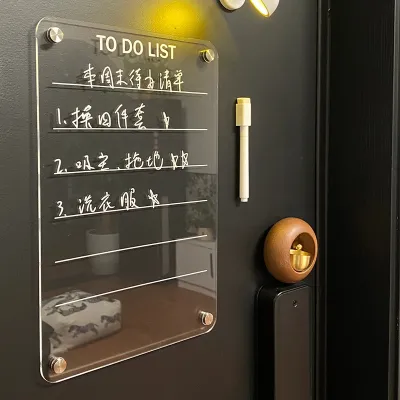
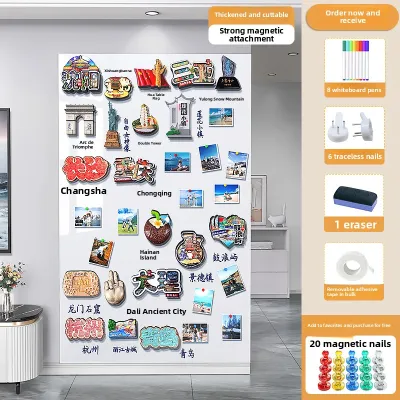
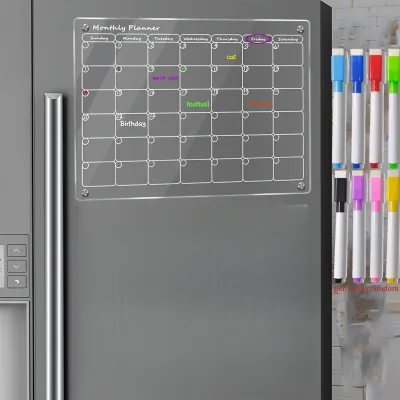
Prices are valid at publication and may change. Please refer to the product page for the latest price.
Glass magnetic boards use a sheet of tempered glass placed over a metal backing plate. This glass layer acts as a thick barrier, significantly reducing the magnetic pull on any object placed on the surface. Standard ceramic magnets lack the strength to bridge this gap, causing typical educational letters to slide down or fall off completely. To use a glass board successfully, you generally need letters equipped with rare-earth (neodymium) magnets, which are much stronger but also require careful handling.
Before purchasing, verify the magnet specifications of your letter sets and the board’s requirements. Check if the board manufacturer explicitly states that “super strong” or “neodymium” magnets are required. If you are using existing classroom supplies, test a single letter on a similar glass surface if possible, or look for letters labeled specifically as compatible with glass boards.
Writing Surface and Erasing Performance
Glass is a completely non-porous material, which makes it the premier choice for heavy dry-erase marker use. When you write on a glass board, the ink sits entirely on the surface without penetrating the material. This resistance to absorption means you can leave writing on the board for weeks or months and still erase it completely without leaving “ghost” images or dark shadows behind. It stands up to daily, intensive writing and erasing cycles without degrading.

Painted or lacquered steel boards have a slightly more porous surface than glass. Over time, repeated writing and erasing can wear down the protective topcoat, allowing marker pigments to seep into the microscopic pores of the paint. This leads to ghosting, where faint outlines of old lessons remain visible. To maintain a steel board, you must use high-quality markers, erase them promptly, and periodically clean the surface with specialized whiteboard conditioners to restore the protective barrier.
When evaluating steel options, inspect the surface coating specifications. Look for porcelain-on-steel (ceramic steel) options if you want higher stain resistance closer to glass, though these are heavier and more costly than painted steel. Check the manufacturer’s warranty regarding surface staining and ghosting, as a longer warranty often indicates a more durable protective coating that will withstand frequent classroom use.
Durability and Classroom Safety
Glass boards are highly resistant to scratching, denting, and staining, maintaining their pristine appearance even after years of use. However, because they are made of glass, safety is a primary consideration in educational settings. Ensure any glass board you select is made from tempered safety glass, which is designed to crumble into small, blunt pieces rather than sharp shards if it breaks. Polished, rounded edges are also essential to prevent cuts during interactive student activities.
Steel boards are virtually shatterproof, making them highly resilient in high-traffic classrooms or early childhood centers where physical impacts are common. However, they are susceptible to denting if struck by heavy objects, and deep scratches can expose the underlying metal to moisture, potentially leading to rust over time. Additionally, deep scratches ruin the writing surface in that specific area, as marker ink will permanently trap inside the scratch.
When installing either board, perform a thorough safety check of the mounting hardware. Glass boards must feature robust, pass-through mounting studs or heavy-duty corner brackets that lock the heavy panel securely to the wall. For steel boards, check that the frame is securely attached to the core material and that there are no sharp metal edges or loose corner caps that could snag clothing or scratch small hands.
Weight, Installation, and Room Layout
Glass is a dense, heavy material. A large glass display board requires a solid wall structure and professional-grade installation. You must mount these boards directly into wall studs or use heavy-duty toggle bolts designed for high weight capacities on drywall. In temporary classrooms or spaces with lightweight partition walls, the structural load of a large glass board may exceed safe limits, restricting where you can place it.
Steel boards are significantly lighter because they use a thin sheet of steel laminated over a lightweight core, such as fiberboard or honeycomb paper. This lightweight construction makes installation much simpler and safer on standard drywall without requiring extensive structural reinforcement. It also allows for greater flexibility in room layout, as you can easily mount smaller steel boards on mobile carts, easel stands, or temporary partitions.
Before finalizing your purchase, consult the manufacturer’s installation guide to verify the exact weight of the board. Measure your wall space and use a stud finder to locate secure mounting points. If you plan to use a mobile stand, ensure the stand’s weight capacity and mounting bracket configuration match the board’s specifications, particularly if you are opting for a heavier glass model.
Decision Framework: Which Board Fits Your Classroom?
Choose a steel board if you rely on standard, budget-friendly plastic magnetic letters with basic ceramic magnets. It is also the ideal choice if you need a lightweight board that can be easily mounted on standard drywall, moved around on a mobile easel, or if you are working within a standard educational budget and want a highly functional, shatterproof solution for young children.
Choose a glass board if you prioritize a premium, modern aesthetic and require a surface that will never stain or ghost, even with heavy daily writing. This option is best if you are willing to invest in specialized, high-strength neodymium magnetic letters or retrofit your existing letters, and if you have solid concrete or stud-reinforced walls capable of safely supporting a heavy glass panel.
Always check the magnetic strength of your letter sets before purchasing. If you already own a large collection of standard educational letters, testing them on a small magnetic glass surface can save you from a mismatched setup where letters slide off during a lesson.
Frequently Asked Questions (FAQ)
Can I use standard educational magnetic letters on a glass board?
Standard educational magnetic letters typically feature weak ceramic or flexible strip magnets that cannot penetrate the thick barrier of a glass board. If you place them on a glass board, they will likely slide down or fall off. To use letters on glass, you must purchase sets specifically designed with strong neodymium magnets, or manually attach small neodymium disc magnets to the back of your existing letters, ensuring they are securely glued to prevent choking hazards.
Do magnetic display boards include storage for letters?
Most standard wall-mounted magnetic display boards do not come with built-in storage compartments or trays for letters. Some models may include a shallow marker ledge, but this is rarely deep or secure enough to hold a full alphabet set. To keep your teaching space organized, look for attachable magnetic bins, or plan to use separate, labeled storage tubs that can be kept on a nearby shelf or table during spelling activities.
Community discussion
Share your experience or ask a question. Comments are reviewed before publication.