
Gifting a piece of Singapore’s history through a vintage banknote is a deeply personal gesture that bridges nostalgia, art, and national heritage. Unlike modern mass-produced souvenirs, a vintage Singapore note carries a unique story of the nation’s journey, making it a highly thoughtful gift for milestones, retirements, weddings, or housewarmings. Choosing the perfect vintage note depends primarily on matching the recipient’s life journey, interests, or profession with the rich symbolism of Singapore’s historical currency series.
Whether you are looking to surprise an older relative with a wave of nostalgia from their youth, honor a business mentor with symbols of trade and resilience, or delight an art lover with intricate hand-engraved designs, Singapore’s currency history offers an abundance of meaningful options. By understanding the distinct themes of the Orchid, Bird, Ship, and Portrait series, you can select a physical artifact that resonates deeply on a personal level.
To ensure your gift is well-received and preserved for generations, it is essential to look beyond raw monetary value and focus on the note’s visual appeal, historical context, and proper preservation. Selecting, authenticating, and presenting these paper treasures with care transforms a simple piece of currency into an enduring family heirloom.
Products mentioned in this guide
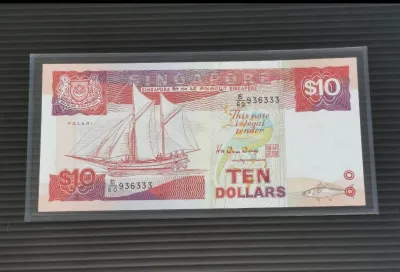
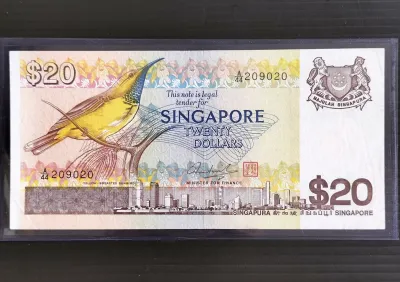
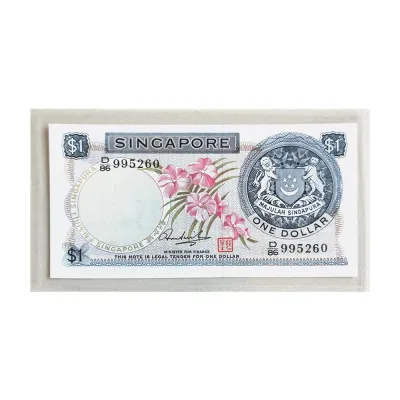
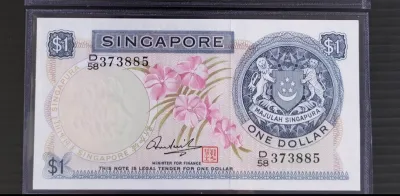
Prices are valid at publication and may change. Please refer to the product page for the latest price.
Evaluating Vintage Singapore Notes: Condition, Theme, and Presentation
When selecting a vintage Singapore note as a gift, understanding how to evaluate its physical state and presentation is crucial. For non-collectors, the emotional and aesthetic impact of the banknote often outweighs its speculative investment value. However, the note’s physical condition directly dictates how beautiful it looks when framed or displayed, making basic evaluation skills essential for any gift-giver.
Understanding Condition Basics
In the world of paper money collecting, or numismatics, banknotes are graded on a standardized scale from Poor to Uncirculated. For gifting purposes, you should generally aim for notes that fall into the following categories:
- Uncirculated (UNC): These notes have never been released into general circulation. They are completely flat, crisp, and free from any folds, creases, smudges, or corner rounding. They look exactly as they did the day they were printed, offering the highest visual appeal.
- About Uncirculated (AU) or Extremely Fine (EF): These notes may have one or two light folds or minor handling marks, but they retain almost all of their original paper crispness and vibrant color. They are often much more affordable than pure Uncirculated notes while still looking pristine to the untrained eye.
- Very Fine (VF) to Fine (F): These notes show clear signs of circulation, including multiple folds, mild softening of the paper, and slight discoloration. While they carry a rustic, historical charm, they may not display as beautifully in a frame and are better suited for recipients who specifically appreciate a heavily "lived-in" piece of history.
Prioritizing Thematic Resonance Over Rarity
While serious collectors chase rare serial numbers, printing errors, or scarce signature combinations that command massive premiums, a meaningful gift should prioritize thematic resonance. A note that features a design directly tied to the recipient’s life—such as their profession, a favorite hobby, or a significant year in their personal history—holds far more sentimental value than an expensive, rare note with no personal connection.
For instance, matching a note’s issue year or prefix with a recipient’s birth year, wedding anniversary, or the founding year of their business adds a layer of personalization that money alone cannot buy. Similarly, selecting a denomination that holds cultural significance, such as a S$2 or S$8 note for auspicious occasions, enhances the thoughtfulness of the gesture.
Preservation Challenges in a Tropical Climate
Singapore’s tropical climate presents unique challenges for preserving paper collectibles. High relative humidity, which frequently exceeds 80%, makes paper banknotes highly susceptible to environmental degradation. Over time, moisture can lead to “foxing”—the development of unsightly brown spots caused by fungal growth or the oxidation of iron impurities in the paper fibers. High humidity can also soften the paper, causing it to lose its original crispness and structural integrity.
To combat these environmental threats, vintage banknotes must never be stored in standard plastic folders, envelopes, or cheap photo albums. Many common plastics contain polyvinyl chloride (PVC), which degrades over time and releases acidic plasticizer gases. This chemical reaction turns paper banknotes yellow, brittle, and sticky, permanently ruining their appearance and value. Always use archival-quality, PVC-free protective sleeves made of inert materials such as polyester (often known by the brand name Mylar) or polypropylene to shield the note from moisture, dust, and handling oils.
Best Vintage Singapore Note Series for Different Recipients
Singapore’s currency history is divided into distinct, beautifully designed series, each reflecting a specific era of the nation’s socioeconomic development. By understanding the core themes of these series, you can easily match a banknote to the recipient’s personality, career, or personal passions.

The Orchid Series (1967–1972) for Nature Enthusiasts and History Buffs
Released on June 12, 1967, the Orchid series holds an esteemed place in local history as Singapore’s very first independent currency. Following the separation from Malaysia, the newly formed sovereign nation established the Board of Commissioners of Currency, Singapore, to issue its own money, moving away from the shared Malaya and British Borneo dollar. This series represents the dawn of Singapore’s independence, making it a powerful symbol of sovereignty, self-reliance, and national pride.
The front of every note in this series features a prominent spray of a specific orchid hybrid, celebrating Singapore’s rich botanical heritage and its aspiration to become a lush, green garden city. The back of the notes showcases various scenes of Singapore’s early infrastructure, public housing, and bustling harbor, capturing a young nation on the cusp of rapid modernization.
- S$1 Note: Features the Vanda Janet Kaneali orchid on the front and a scenic view of the old Singapore River on the back, capturing the historic heart of local trade.
- S$5 Note: Showcases the Vanda T.M.A. orchid on the front and a vibrant scene of the Singapore waterfront and busy shipping lanes on the back.
- S$10 Note: Displays the striking Dendrobium Marjorie Ho orchid alongside a depiction of high-rise public housing estates, symbolizing the nation's early urban planning triumphs.
- S$50 Note: Features the beautiful Vanda Rothschildiana orchid on the front and a detailed illustration of the Singapore seafront and Clifford Pier on the back.
This series is an exceptional gift for older relatives, such as grandparents or parents, who lived through the nation-building era of the late 1960s and early 1970s. Holding an Orchid note instantly evokes nostalgic memories of Singapore’s early days of independence. It is also a deeply meaningful choice for history buffs, political science enthusiasts, and passionate gardeners or botanists who appreciate the symbolic beauty of Singapore’s national flowers.
The Bird Series (1976–1984) for Wildlife Advocates and Art Lovers
First introduced in 1976, the Bird series transitioned Singapore’s currency designs from flora to fauna. This series was launched during a decade of intense industrialization and rapid urban development. By featuring native and migratory birds on the currency, the design served as a poetic reminder of Singapore’s natural heritage and the importance of preserving wildlife amidst concrete progress.
The birds selected for this series are renowned for their strength, agility, grace, and ability to soar to great heights—qualities that mirrored the young nation’s soaring economic ambitions and adaptability on the global stage. From an artistic standpoint, the Bird series is widely celebrated for its exquisite hand-engraved portraits, complex geometric underprints, and vibrant, multi-colored ink palettes that represent a high-water mark in traditional security printing.
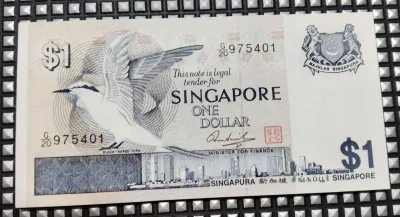
- S$1 Note: Features the elegant Black-naped Tern soaring over a calm sea, symbolizing peace, freedom, and maritime connection.
- S$5 Note: Depicts the distinctive Red-whiskered Bulbul with its signature crest, set against a backdrop of modern public housing, representing community harmony.
- S$10 Note: Showcases the brilliant Collared Kingfisher, a bird known for its sharp focus and precision, reflecting the nation's disciplined workforce.
- S$50 Note: Displays the melodious White-rumped Shama, celebrated for its beautiful song and proud posture, symbolizing cultural enrichment and artistic expression.
The Bird series is a perfect match for birdwatchers, nature conservationists, and wildlife advocates who champion environmental protection. Furthermore, because of the incredible detail in the hand-engraved portraits and the sophisticated security patterns of the era, these notes are highly prized by graphic designers, illustrators, printmakers, and fine art lovers who appreciate the meticulous craftsmanship of classic banknote engraving.
The Ship Series (1985–1999) for Maritime Professionals and Business Leaders
Launched in the mid-1985s, the Ship series pays tribute to Singapore’s rich maritime history and its rapid evolution into one of the busiest container ports in the world. For centuries, Singapore’s strategic location along major global trade routes has been the cornerstone of its economic survival and prosperity. This series celebrates that heritage by documenting the diverse vessels that have sailed through local waters over the centuries.
The progression of vessels across the denominations serves as a visual timeline of maritime engineering and trade. The lower denominations feature traditional wooden merchant vessels, while the higher denominations showcase massive modern container ships and bulk carriers, beautifully illustrating the nation’s transition from a regional trading post to a global logistics powerhouse.
- S$1 Note: Features the traditional Sha Chuan (a peaked-stern Chinese junk) on the front, representing the early regional trade networks that laid Singapore's foundations.
- S$2 Note: Introduced in 1991 to replace the S$1 note in daily circulation, this note features a maritime trade theme with a traditional cargo vessel.
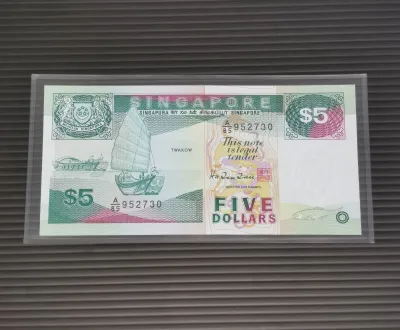
- S$5 Note: Showcases the historic Chengho (a replica of a Ming dynasty treasure ship), symbolizing exploration, international diplomacy, and long-distance trade.
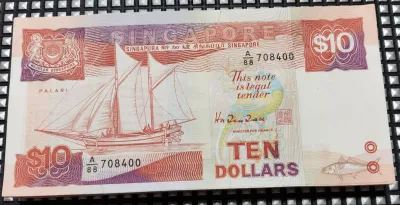
- S$10 Note: Displays the Palembang merchant vessel, a traditional sailing boat used for inter-island trade across Southeast Asia.
- S$50 Note: Features the modern container ship Neptune Jasper alongside the iconic Benjamin Sheares Bridge, representing advanced maritime logistics, infrastructure development, and global connectivity.
This series is an incredibly fitting gift for business leaders, entrepreneurs, financial professionals, and anyone working in the maritime, shipping, or logistics industries. The transition from simple wooden sailing boats to state-of-the-art container ships serves as an inspiring metaphor for business growth, strategic vision, and overcoming challenges, making it an excellent retirement or promotion gift for mentors and corporate partners.
The Portrait Series (1999–2014) for Educators and Community Builders
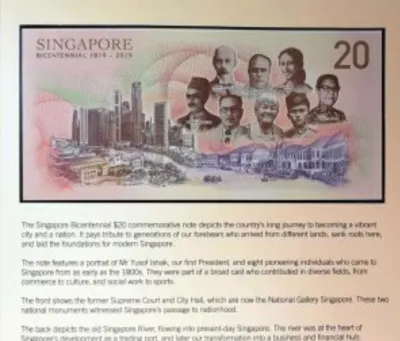
First issued in late 1999, the Portrait series represents the modern era of Singapore’s currency. This series marked a significant departure from previous designs by featuring a single, unifying portrait on the front of all denominations: Yusof bin Ishak, Singapore’s first President. This choice emphasizes national unity, leadership, and the shared values of Singapore’s multicultural society.
While the front of the notes honors a key founding father, the back of each denomination is dedicated to a specific pillar of civic society, education, and community life. This series also witnessed a major technological transition, as several lower-denomination notes (S$2, S$5, and S$10) transitioned from traditional cotton paper to durable polymer materials to withstand daily wear and tear.
- S$2 Note (Education): The reverse features a nostalgic illustration of students interacting on a school campus, with the historic buildings of Raffles Institution and the old Victoria School in the background. It highlights the nation's profound commitment to education as the foundation of its progress.
- S$5 Note (Garden City): Depicts a lush scene of the Singapore Botanic Gardens, featuring the historic Tembusu tree and the national orchid, symbolizing environmental stewardship and urban greening.
- S$10 Note (Sports): Showcases athletes engaged in various sports, running, and swimming, celebrating teamwork, physical discipline, and the pursuit of excellence.
- S$50 Note (Arts): Features a collage of traditional musical instruments, dance, and theater, highlighting the nation's rich cultural diversity and artistic development.
The Portrait series is a wonderful way to honor educators, schoolteachers, professors, civil servants, social workers, and community volunteers who have dedicated their careers to shaping minds and building a stronger society. Gifting an early paper issue of the S$2 Education note, or a pristine polymer version with a meaningful serial number, is a highly thoughtful way to say “thank you” to a teacher or mentor who has made a lasting impact on your life.
How to Source, Authenticate, and Present Your Banknote Gift
Once you have decided on the perfect series and denomination for your recipient, the final steps involve safely sourcing the note, verifying its authenticity, and packaging it in a way that highlights its historical significance. Because vintage currency is a specialized collectible, taking a careful and methodical approach ensures your gift is both genuine and beautifully presented.
Sourcing Safely from Reputable Dealers
To avoid the risk of purchasing counterfeit notes, altered serial numbers, or heavily cleaned banknotes that have lost their original value, avoid buying from unverified sellers on general online marketplaces or social media groups. Instead, source your vintage notes from established numismatic dealers, specialized physical coin and banknote shops, or recognized collectible auction houses in Singapore.
Many reputable dealers are located in historic commercial districts, such as Chinatown (particularly around People’s Park Centre) or the central business district. These professional dealers have years of experience, stand by the authenticity of their inventory, and can provide valuable insights into the history, rarity, and condition of the specific note you are purchasing.
Tactile and Visual Authentication Checks
When inspecting a vintage Singapore note, you can perform several basic checks to verify its authenticity before purchasing:
- The Watermark: Hold the banknote up to a direct light source. A genuine watermark is embedded within the paper fibers during the manufacturing process, showing a highly detailed, multi-toned image (such as the lion's head on older series or Yusof Ishak on the Portrait series) that transitions smoothly from light to dark. It should never look like a flat, simple image printed on top of the paper.
- Paper Texture and Intaglio Printing: Feel the texture of the note. Genuine vintage paper notes are printed on specialized cotton-based paper, which feels distinctly different from standard wood-pulp paper. Furthermore, they utilize intaglio (raised) printing for the main portraits, text, and denominations. Running your fingers gently over these areas should reveal a distinct tactile, raised texture.
- Security Threads: Look for the security thread embedded vertically in the paper. On older notes, this may appear as a solid dark line when held up to the light. On newer notes, it may be a metallic thread that weaves in and out of the paper surface.
- Third-Party Grading (TPG): For high-value or rare notes, the safest option is to purchase a note that has been professionally authenticated and graded by an independent third-party service, such as Paper Money Guaranty (PMG). These notes are sealed in permanent, tamper-evident plastic holders (often called "slabs") that display a certified grade and guarantee the note's authenticity, giving both you and the recipient absolute peace of mind.
Thoughtful and Safe Presentation Ideas
The way you present a vintage banknote elevates it from a simple collectible to a cherished personal gift. However, you must prioritize the physical safety of the paper at all times:
- Never Use Adhesives: Under no circumstances should you use sticky tape, glue, photo corners, or laminating machines directly on the banknote. These cause permanent chemical and physical damage, instantly destroying both the historical integrity and monetary value of the note.
- Use Archival Sleeves: Always place the banknote inside an archival-quality, PVC-free sleeve first. This protects the note from moisture, dust, and fingerprints while allowing the recipient to handle and view both sides of the note safely.
- Custom Framing: If you wish to display the note, take the sleeved banknote to a professional framer. Request the use of acid-free mat boards and UV-filtering glass or acrylic. The mat board should hold the protective sleeve in place, ensuring the note itself never touches the glass or any adhesive. This allows the recipient to hang the beautifully framed piece on their wall without worrying about fading from sunlight.
- Add Historical Context: Pair the banknote with a high-quality, handwritten card or a small printed booklet. Explain the historical year of issue, the symbolic meaning behind the designs (such as the specific orchid or ship featured), and why you chose this particular note for them. This narrative transforms the banknote into a deeply personal story, ensuring the recipient fully appreciates the thought and care behind your gift.
Frequently Asked Questions (FAQ)
Are vintage Singapore notes still legal tender?
Yes, all currency notes issued by the Monetary Authority of Singapore (MAS) and the former Board of Commissioners of Currency, Singapore (BCCS) remain legal tender at their face value under Singapore law, unless they have been officially demonetized. This means that older series, including the Orchid, Bird, and Ship series, still hold their official monetary value. However, because these notes have long been withdrawn from active circulation, commercial merchants and point-of-sale staff are not trained to recognize them and may refuse them for daily transactions. More importantly, because of their historical significance and rarity, the numismatic and collectible value of these vintage notes among dealers and collectors is almost always significantly higher than their face value, making them far more valuable as cherished keepsakes than as spending money.
How should I store a vintage note if the recipient wants to keep it long-term?
To preserve a vintage banknote’s condition in Singapore’s highly humid tropical climate, it must be stored in a cool, dry environment away from direct sunlight, which can cause colors to fade. The note should always be kept inside a PVC-free, archival-quality sleeve made of inert materials like polyester or polypropylene; standard plastic sleeves contain PVC, which degrades over time and releases harmful acids that turn paper yellow and sticky. For long-term preservation, the sleeved notes should ideally be stored flat inside an electronic dry cabinet or a sealed storage box with silica gel packs, maintaining a relative humidity level of 40% to 50% to prevent the growth of mold, mildew, and foxing.
Community discussion
Share your experience or ask a question. Comments are reviewed before publication.