
Selecting the correct gift packaging box size requires measuring the item’s maximum length, width, and height, adding a clearance margin for protective padding, and matching these adjusted dimensions to the box’s internal measurements. Understanding the difference between inner and outer dimensions prevents purchasing a box that is too small or excessively large, ensuring a secure, professional, and visually appealing presentation. A well-fitted box not only protects the contents from shifting during transit but also elevates the recipient’s unboxing experience by presenting the gift in a neat, balanced layout.
How to Measure Your Gift and Calculate Required Dimensions
To find the baseline dimensions of your gift, place the item on a flat, stable surface. Use a standard measuring tape or a rigid ruler to measure the three primary axes: length, width, and height. Always measure the absolute longest, widest, and tallest points of the item, including any protruding parts like handles, ribbons, decorative bows, or product tags that cannot be folded down.
For irregularly shaped gifts, such as cylindrical bottles, spherical ornaments, or sculpted figurines, imagine the item sitting inside a tight rectangular box. Measure the maximum outer boundaries of this imaginary box—this is known as the bounding box method. For a cylinder, the diameter represents both the length and width, while the height remains the vertical distance from the base to the highest tip.
Products mentioned in this guide
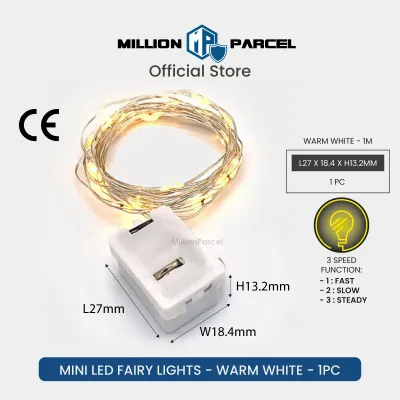
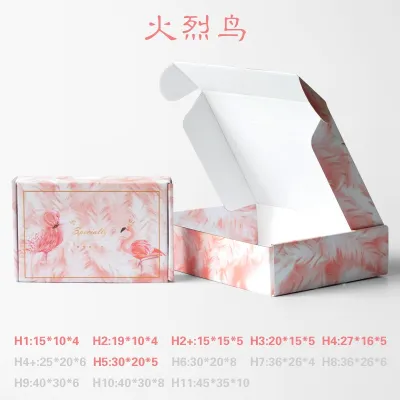
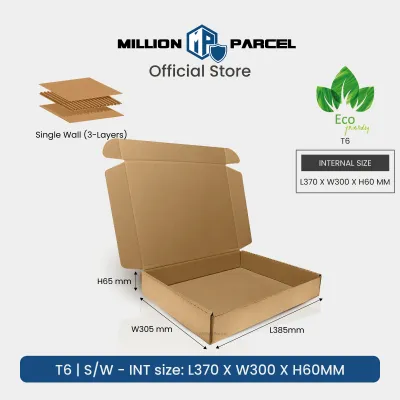
Prices are valid at publication and may change. Please refer to the product page for the latest price.
Record all measurements in a single, consistent unit of measurement, such as centimeters or millimeters. Mixing units like inches and centimeters often leads to calculation errors when comparing your gift’s size against manufacturer specifications. Keeping a written record of these exact dimensions ensures you have a reliable reference point before shopping for packaging materials.
Factoring in Protective Padding and Presentation Space
A gift should never fit so tightly that it presses against the walls of its container. To protect the item from impact and scuffs, you must factor in additional space for protective padding and presentation materials. The amount of extra space required depends heavily on the fragility of the gift and the type of cushioning material you plan to use.

For highly fragile items like glassware, ceramics, or delicate electronics, plan for a generous buffer zone. These items typically require a minimum of two to three centimeters of protective wrapping, such as bubble wrap or thick foam sheets, on all sides. For non-fragile items like books or clothing, a thin layer of tissue paper or a light lining of crinkle paper is usually sufficient, requiring only a few millimeters of clearance.
Void fill materials, including wood wool, shredded paper, and crinkle paper, add both aesthetic appeal and shock absorption. When calculating your required box size, account for the volume these materials displace. The gift should rest comfortably nestled within the fill rather than compressing it completely, which maintains the structural cushioning effect and creates a premium unboxing experience.
Ensure there is enough clearance so that no part of the gift directly contacts the inner walls of the box. Direct contact allows external impacts during transit to transfer directly to the item, increasing the risk of damage. A safe guideline is to add at least one to two centimeters to your gift’s measured length, width, and height to accommodate standard decorative filling.
Matching Box Sizes to Common Gift Categories
Different types of gifts demand distinct spatial allowances and structural supports to ensure they arrive safely and look appealing. Matching your item to a specific category helps narrow down the ideal box style and material strength.
Small and Delicate Items (Jewelry, Watches, Cosmetics)
Small, high-value items like jewelry, watches, and premium cosmetics benefit from a snug, secure fit that prevents them from sliding around. For these items, prioritize rigid, shallow boxes or two-piece setup boxes. These structures offer excellent crush resistance and present the gift beautifully upon opening.
When calculating the required box size, do not just measure the bare item. Account for the footprint of any internal packaging, such as velvet pouches, leather display cases, or foam inserts. The inner dimensions of the gift packaging box must match the outer boundaries of these presentation accessories to ensure they sit flat and secure.
Medium and Fragile Items (Mugs, Candles, Tech Gadgets)
Medium-sized items that are prone to breaking, such as ceramic mugs, scented candles, or small electronic gadgets, require substantial shock absorption. For these items, calculate a clearance of at least two to three centimeters on all sides. This space is necessary to accommodate protective wrapping, corner guards, or molded pulp edge protectors.
Verify that the depth of the box allows for a secure lid closure without pressing down excessively on the top cushioning layer. If the lid forces the packaging downward, it can put pressure on the item itself, potentially causing cracks or structural failure. A box with a slightly deeper profile is always preferable to one that is too shallow.
Large or Irregular Items (Apparel, Plush Toys, Gift Baskets)
Bulky, compressible, or multi-item arrangements present unique sizing challenges. For soft goods like apparel, sweaters, or plush toys, assess whether the items can be neatly folded or rolled. Folding items into a compact, uniform shape allows them to fit into standard rectangular boxes without creating unsightly bulges or damaging the fabric fibers.
When packaging a multi-item gift basket or hamper, do not measure the individual components separately to find the box size. Instead, arrange the items exactly as they will be presented, and measure the widest, longest, and tallest points of the fully assembled arrangement. This ensures the outer gift packaging box can accommodate the entire display without crushing the decorative wrapping or shifting the contents.
Common Sizing Mistakes and How to Avoid Them
One of the most frequent errors in selecting packaging is confusing the outer dimensions of a box with its inner dimensions. Outer dimensions are used by shipping carriers to calculate logistics costs and by warehouses for shelf storage. Inner dimensions represent the actual usable space inside the box, which is always smaller due to the thickness of the cardboard or paperboard walls.
Selecting a box that is far too large for the gift creates several practical issues. An oversized box allows the item to slide and bounce during handling, which increases the risk of damage even if padding is present. Furthermore, filling the excess space requires an unnecessary amount of void fill, which increases packaging waste and can look unprofessional to the recipient.
Conversely, forcing an item into an undersized box compromises the structural integrity of the carton. When the walls of a box bulge outward, the corners lose their stacking strength, making the package highly susceptible to being crushed. Additionally, tight fits often crush decorative tissue paper, ribbons, or the gift’s original retail packaging, detracting from the overall presentation.
Frequently Asked Questions (FAQ)
Should I use inner dimensions or outer dimensions when buying a box?
Always use the inner dimensions of a box to determine if your gift will fit inside. The inner dimensions represent the actual usable volume, whereas the outer dimensions include the thickness of the cardboard walls and any folding flaps. When browsing options on an online marketplace or at a local stationery store, check the product specifications or labels carefully to confirm which measurement standard is being displayed, as high-quality packaging brands typically list both.
How do I package multiple small items in one box without them clashing?
To package multiple small items safely, use internal cardboard dividers, custom partition inserts, or place each item in its own smaller box within the main carton. This prevents the items from colliding and scratching each other during transit. To find the correct box size, arrange all the items and their dividers on a flat surface in your desired layout, then measure the total length, width, and height of the entire arrangement to establish your minimum required inner dimensions.
Community discussion
Share your experience or ask a question. Comments are reviewed before publication.