
Choosing between fusible web and fusible interfacing depends entirely on whether you need to bond two fabrics together or add structural support to a single layer. Fusible web acts as a double-sided adhesive film that melts completely to join two separate pieces of fabric. In contrast, fusible interfacing is a single-sided adhesive bonded to a fabric backing, designed to reinforce, stiffen, or stabilize a single piece of fabric.
Selecting the wrong iron-on adhesive can ruin your project, causing lightweight fabrics to become unnaturally stiff or heavy fabrics to sag. In warm and humid climates like Singapore, where lightweight textiles such as linen, cotton, and rayon are popular, understanding how these adhesives interact with different fabric weights is essential for achieving a professional finish. By matching the correct adhesive type to your specific fabric and project goals, you can ensure your garments and crafts maintain their shape, drape, and durability through repeated wear and washing.
Understanding the Structural Difference Between Web and Interfacing
To make an informed decision, you must first understand the physical construction of these two materials. Fusible web is a web-like sheet of solid adhesive with no fabric backing. It is often sold on a roll or by the metre, sometimes attached to a protective paper backing. When you apply heat and pressure with an iron, the entire web melts, acting as a double-sided glue layer that fuses two pieces of fabric together permanently.
Products mentioned in this guide
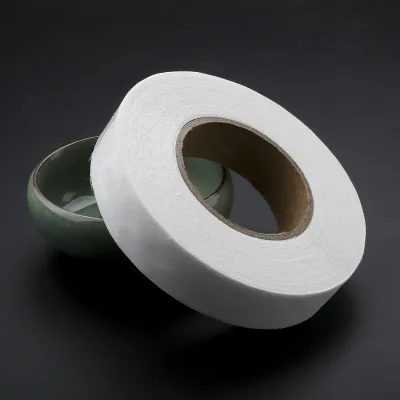
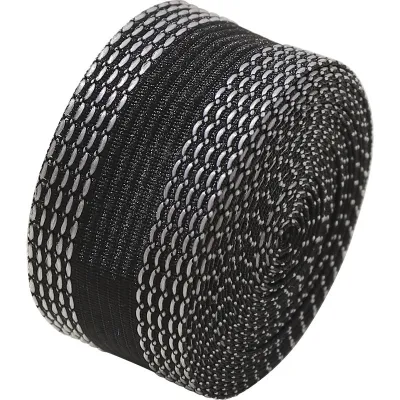
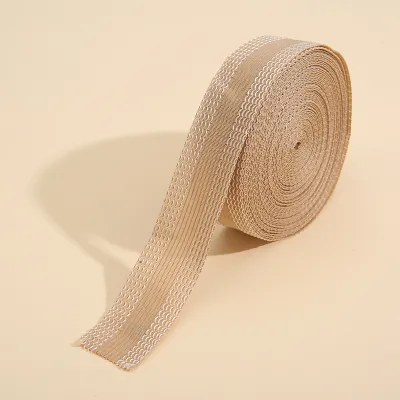
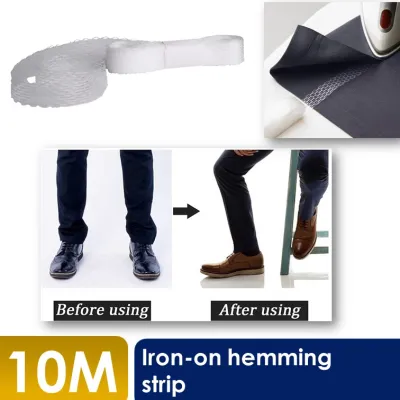
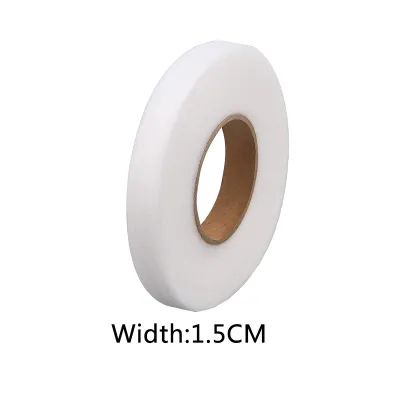
Prices are valid at publication and may change. Please refer to the product page for the latest price.
Fusible interfacing, on the other hand, consists of a fabric base with adhesive dots or a light adhesive coating on only one side. The base fabric can be woven, non-woven, or knitted. When ironed onto the wrong side of your fashion fabric, the adhesive melts to bond the two layers, but the backing fabric remains intact. This backing fabric is what provides the structural support, thickness, or stretch resistance to your project.
Because fusible web has no fabric base, it does not add independent structure or thickness to your fabric. It simply holds two layers together, meaning the final drape is determined by the combined stiffness of the two fused fabrics and the adhesive layer itself. Fusible interfacing directly alters the drape and weight of a single layer of fabric, allowing you to make a flimsy material feel substantial, crisp, or rigid depending on the weight of the interfacing you choose.
When to Use Fusible Web for Seamless Fabric Bonding
Fusible web is the go-to choice when your primary goal is to join two fabric surfaces without visible stitching. This makes it highly effective for appliqué work, where you need to secure decorative fabric shapes onto a base fabric before sewing around the edges. It keeps the pieces perfectly flat and prevents shifting during the stitching process.

Another common application is seamless hemming. If you want a clean, stitch-free hem on trousers, skirts, or curtains, a strip of fusible web can secure the folded edge quickly. It is also useful for patching torn garments, securing badges or patches, and creating quick fabric crafts where sewing is not required or desired.
However, fusible web has distinct limitations that you must consider before application. Because it adds a layer of solid adhesive between two fabrics, it can make lightweight or delicate fabrics feel stiff and board-like if the adhesive is too heavy. Additionally, loose-weave fabrics like linen or gauze are prone to adhesive bleed-through, where the melted glue seeps through the fabric fibers to the right side, leaving unsightly shiny spots or sticky residues.
When to Use Fusible Interfacing for Shape and Support
Fusible interfacing is essential when you need to reinforce specific areas of a garment or craft project to help it hold its shape. It is commonly applied to collars, cuffs, button plackets, and facings to provide the crispness and stability required for structured clothing. Without interfacing, these areas would sag, wrinkle easily, and fail to support buttons or fasteners.
When working with knit fabrics, a lightweight knit fusible interfacing is invaluable. It stabilizes areas prone to stretching out of shape, such as necklines and shoulder seams, while still allowing the fabric to retain its natural elasticity. For bag making and home decor, heavier non-woven or woven interfacings are used to give fabric panels the rigidity needed to stand upright.
To achieve the best results, you must match the type of interfacing to your fabric’s characteristics. Woven interfacing has a grainline and should be cut in the same direction as your fashion fabric to preserve its natural drape. Non-woven interfacing is felt-like and has no grain, making it easy to cut in any direction, though it can sometimes create a slightly stiffer, less natural drape. Knit interfacing is designed to stretch, making it the perfect match for jersey and other stretch fabrics.
Project Selection Guide: Matching the Adhesive to Your Needs
To help you quickly determine which iron-on adhesive is right for your next project, refer to the comparison framework below. This table highlights the key functional differences between fusible web and fusible interfacing.
| Feature | Fusible Web | Fusible Interfacing |
|---|---|---|
| Primary Function | Bonding two fabric layers together | Reinforcing and stabilizing a single fabric layer |
| Adhesive Sides | Double-sided (pure adhesive) | Single-sided (adhesive on a fabric base) |
| Base Material | None | Woven, non-woven, or knit fabric |
| Stretch Retention | Low (usually locks fabric in place) | Variable (knit interfacing preserves stretch) |
| Typical Projects | Appliqué, seamless hems, fabric patches | Collars, cuffs, buttonholes, bag panels |
When deciding on your purchase, you can apply these simple conditional rules to guide your selection:
- Choose Fusible Web if: You are joining two separate pieces of fabric together, creating fabric collages, applying patches, or securing a hem without sewing.
- Choose Fusible Interfacing if: You need to add body, stiffness, or strength to a single piece of fabric, reinforce buttonholes, or prevent edges from stretching and fraying.
Before purchasing either product at local textile shops, where prices typically range from S$3 to S$12 per metre depending on weight and quality, verify your fabric’s heat tolerance. Delicate, heat-sensitive, or heavily textured fabrics require special care, as high iron temperatures can melt synthetic fibers or crush fabric piles like velvet and corduroy.
Pre-Application Checks and Safe Ironing Practices
Before applying any iron-on adhesive to your main project, conducting a scrap test is a mandatory step. Cut a small piece of your fashion fabric and a matching piece of the adhesive material to test the bond. This allows you to verify that the adhesive sticks properly, the fabric does not scorch or change color, and the final drape meets your expectations.
Always read and follow the manufacturer’s instructions for your specific adhesive product. Different brands and weights require specific temperature settings, pressing times, and moisture levels. Some adhesives require a dry iron, while others need steam to activate the bonding agent effectively.
To protect your iron and your fabric, always use a clean pressing cloth or a Teflon sheet. Place the pressing cloth over the fabric assembly before applying the iron. This prevents any stray adhesive from melting onto your iron’s soleplate and protects delicate fabric surfaces from direct heat damage and shine.
When applying the iron, use a pressing motion rather than a sliding motion. Lift the iron, place it down firmly on the pressing cloth, hold it for the recommended number of seconds (usually 10 to 15 seconds), and lift it again to move to the next section. Sliding the iron back and forth can cause the adhesive layers to shift, warp, or pucker.
Establish clear stop conditions during the application process. If you notice the fabric beginning to pucker, smell scorching, or see adhesive oozing through the fabric fibers, stop ironing immediately. Allow the fabric to cool completely before inspecting the damage, and adjust your iron’s temperature or pressing time downward for subsequent attempts.
Frequently Asked Questions (FAQ)
Can I use fusible web to stabilize a stretchy fabric instead of interfacing?
No, fusible web is not a suitable substitute for stabilizing stretch fabrics. Because fusible web is a double-sided adhesive with no fabric backing, using it on a single layer of fabric will leave a sticky residue exposed on one side, which will gum up your sewing machine needle and ruin your project. To stabilize stretch fabrics while preserving their elasticity, you should use a lightweight, stretchable knit fusible interfacing instead.
How do I safely remove iron-on adhesive if I make a mistake?
If you make a mistake during application, you can often loosen the bond by reheating the area with your iron. Place a clean scrap piece of cotton fabric over the adhesive and press with a warm iron; the heat should soften the adhesive, allowing some of it to transfer onto the scrap fabric. For stubborn residues, you can use a specialized fabric-safe adhesive remover, but always test it on a hidden scrap of your fashion fabric first to ensure it does not cause discoloration or fiber damage.
Community discussion
Share your experience or ask a question. Comments are reviewed before publication.