
Quick Answer: Which Hem Tape Is Right for Your Pants?
When deciding how to shorten your pants, the choice between fusible (iron-on) hem tape and sew-in hem tape comes down to three main factors: your fabric’s weight, the garment’s care requirements, and your available time. Fusible hem tape is the fastest, most convenient option for quick, no-sew alterations on lightweight to medium-weight fabrics. It uses a heat-activated adhesive web that bonds fabric layers together in seconds using a standard household iron. This makes it highly suitable for emergency repairs, temporary adjustments, or projects where speed is your main priority.
In contrast, sew-in hem tape is the superior choice for heavy-duty fabrics, garments that undergo frequent high-heat washing, and high-quality trousers where a professional finish is essential. Sew-in tape relies on a physical stitched bond rather than chemical adhesives, offering unmatched durability and a flexible drape that moves naturally with your body. While it requires basic sewing skills and a bit more time, it ensures your hem will not peel or stiffen. Ultimately, matching the tape to your fabric weight and washing habits will guarantee a clean, long-lasting result.
Understanding the Basics: Fusible vs Sew-In Hem Tape
Before starting your pants-shortening project, it is helpful to understand the structural differences between these two haberdashery staples. Each tape serves a distinct purpose and interacts with fabric fibers in entirely different ways.
Products mentioned in this guide
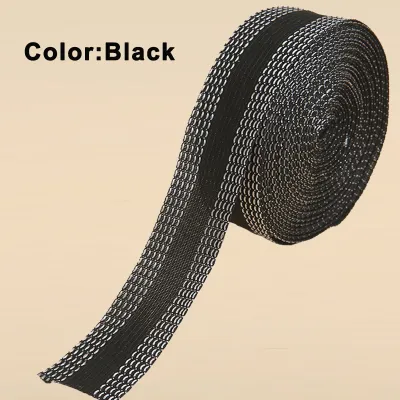
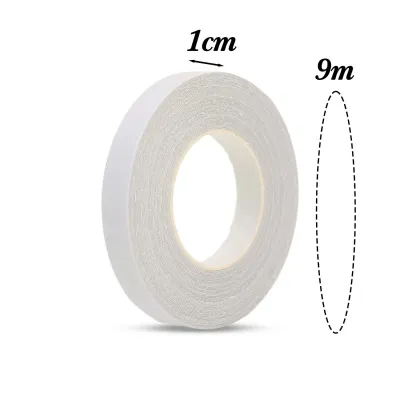
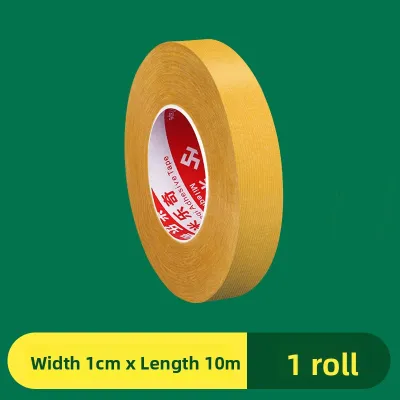
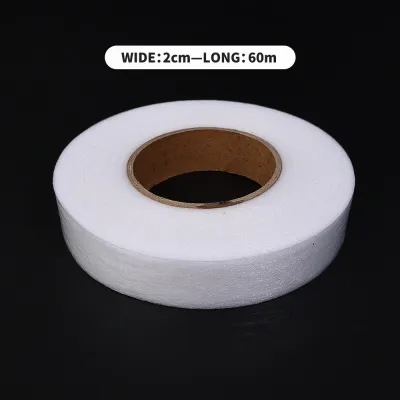
Prices are valid at publication and may change. Please refer to the product page for the latest price.

Fusible Hem Tape (Iron-On Adhesive)
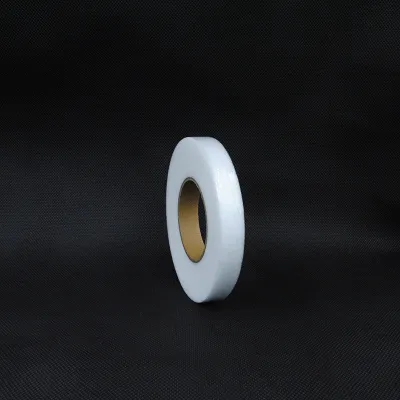
Fusible hem tape is a double-sided adhesive web made from synthetic polymers, such as polyamide, polyester, or polyurethane. When exposed to the heat and steam of an iron, these polymers melt, flowing into the fibers of the overlapping fabric layers. As the adhesive cools, it solidifies, fusing the two layers of fabric together.
This tape is typically sold in pre-cut rolls, with common widths ranging from 10mm (about 3/8 inch) for delicate hems to 25mm (1 inch) for wider trouser hems. Because it requires no stitching, it is incredibly popular for quick alterations. However, because it creates a solid chemical bond, it requires a flat, stable pressing surface and precise heat control to prevent the adhesive from seeping through or scorching the fabric.
Sew-In Hem Tape (Stitch-On Facing or Binding)
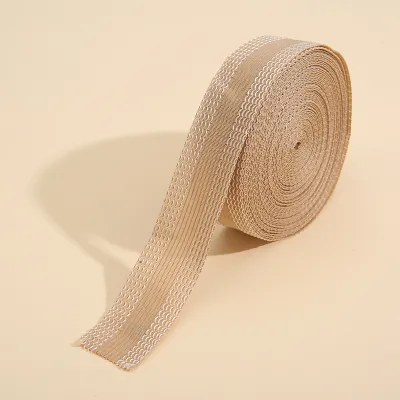
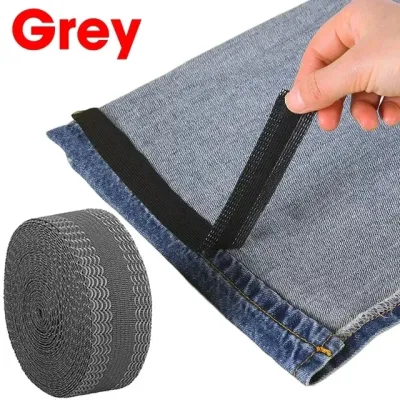
Sew-in hem tape, often referred to as hem facing or bias binding, is a non-adhesive woven ribbon made from cotton, rayon, or polyester. Instead of gluing fabric layers together, sew-in tape is stitched directly to the raw edge of the pant leg using a needle and thread or a sewing machine.
Once stitched to the edge, the tape is folded upward inside the trouser leg and secured with a second line of stitching, which can be done by machine or using an invisible hand stitch. This method does not rely on chemicals or heat to hold the hem. Instead, it adds a lightweight layer of structure that protects the raw fabric edge from fraying, stabilizes the hemline, and allows the fabric to retain its natural flexibility without adding unnecessary bulk.
Head-to-Head Comparison: Durability, Ease, and Finish
To choose the best method for your pants, it is important to compare how each tape performs across key practical categories, from initial application effort to long-term wear.
Ease of Use and Time Investment
Fusible hem tape is exceptionally user-friendly, making it the go-to choice for beginners or anyone without sewing experience. The application process is straightforward: you measure the desired pant length, fold the hem, insert a strip of the adhesive tape between the layers, and press firmly with an iron. There is no need to match thread colors, wind bobbins, or master complex hand-stitching techniques. A complete hem can easily be finished in less than fifteen minutes.
Sew-in hem tape, on the other hand, demands a higher level of skill and a larger time commitment. You must carefully pin or baste the tape to the raw edge, sew a straight seam, press the fold, and then secure the top edge of the tape to the pant leg. This process requires basic sewing proficiency, proper thread matching to ensure the stitches remain invisible on the outside, and careful tension management so the hem does not pucker. For a single pair of pants, sewing a hem can take anywhere from thirty minutes to over an hour, depending on your experience.
Durability and Washability
When it comes to long-term durability, sew-in hem tape is the undisputed winner. Because it is held in place by physical threads, a sewn hem can withstand hundreds of wash-and-dry cycles, exposure to hot water, fabric softeners, and heavy daily friction. It is highly resilient and rarely fails unexpectedly.
Fusible hem tape is far more vulnerable to environmental factors and wear. The chemical adhesive can degrade over time, especially when exposed to high-temperature washing, commercial laundry detergents, or the intense heat of a clothes dryer. In humid tropical climates, such as Singapore’s, the constant moisture and frequent laundering can accelerate this breakdown. Over time, the adhesive bond may weaken, causing the hem to peel open, sag, or leave a sticky, unsightly residue that attracts lint and dust inside the pant leg.
Appearance, Drape, and Bulk
The visual finish and drape of your pants are heavily influenced by the hemming method you select. Fusible tape adds a layer of melted plastic adhesive between the fabric layers. This adhesive layer can make the hemline stiff and rigid, preventing the fabric from swinging or draping naturally as you walk. On lightweight or delicate fabrics, this stiffness can create a highly visible, artificial-looking ridge on the exterior of the pants.
Sew-in hem tape preserves the natural drape of the textile. Because woven tape is soft and flexible, it moves in harmony with the pant fabric. Bias-cut sew-in tape can be pressed incredibly flat, resulting in a crisp, professional edge that looks like it came from a high-end tailor. It also manages bulk exceptionally well, as it covers the raw edge of the fabric without requiring a double-fold hem, which is especially beneficial for thick or heavy trousers.
Reversibility and Future Adjustments
Garments often need to be adjusted over time, whether you are passing clothes down to a family member or changing the style of shoes you wear with your pants. Sew-in hem tape is completely and easily reversible. If you need to let down or adjust the hem, you simply use a seam ripper or a small pair of embroidery scissors to snip the stitches, remove the tape, and press the fabric flat to remove the crease. The fabric remains completely undamaged.
Fusible hem tape is notoriously difficult to reverse cleanly. Once the adhesive has melted and fused with the textile fibers, removing it completely is a major challenge. Even if you reheat the area to peel the layers apart, a sticky, greyish adhesive residue is almost always left behind. This residue can stiffen the fabric permanently, attract dirt, and cause dark stains that make it impossible to lower the hemline without showing noticeable damage.
Fabric Compatibility Guide: Matching Tape to Material
Choosing the wrong hemming method can lead to ruined garments or hems that fall apart after a single wear. Matching your tape to the specific fiber content and weight of your pants is essential.
Best Candidates for Fusible Tape
Fusible tape performs best on stable, medium-weight fabrics that can safely tolerate the direct heat and steam required to melt the adhesive. Excellent candidates include:
- Medium-Weight Cottons and Linens: These natural fibers absorb the adhesive well and can handle high iron temperatures.
- Polyester and Poly-Blends: Common in work trousers, these materials bond securely with synthetic adhesives.
- Lightweight Wools: Often used in suit pants, lightweight wool responds well to fusible webs when applied with a protective pressing cloth.
However, you must avoid fusible tape on heat-sensitive synthetics such as nylon, acrylic, or acetate, which can melt or warp under the iron. It is also unsuitable for sheer fabrics like chiffon or organza, as the white adhesive web will show through to the outside. Heavily textured fabrics, such as corduroy, velvet, or highly textured knits, are also poor candidates because the adhesive cannot make uniform contact with the uneven surface fibers, leading to a weak and patchy bond. Always verify the garment’s care label to ensure it permits ironing at a medium-to-high setting before using fusible tape.
Best Candidates for Sew-In Tape
Sew-in tape is highly versatile and is the safest, most reliable choice for fabrics that cannot tolerate heat or require a heavy-duty physical bond. It is highly recommended for:
- Heavy Denim and Canvas: The thick, dense weave of jeans requires the mechanical strength of thread; adhesives simply cannot hold up to the weight and movement of denim.
- Thick Wool and Corduroy: These heavy, textured fabrics are too bulky for fusible tape and require the clean edge finish that sew-in facing provides.
- Delicate and Heat-Sensitive Fabrics: Materials like pure silk, nylon, satin, and rubberized rainwear should never be exposed to the high heat of fusible tape. Stitching prevents thermal damage.
- Stretch Fabrics and Knits: Sew-in tape, particularly when applied with a flexible hand stitch or a stretch machine stitch, allows the hem to stretch without popping, whereas rigid fusible adhesives will crack and fail under tension.
Application Essentials and Safety Checks
To achieve professional-looking results and avoid damaging your clothing, follow these essential preparation and application steps for both methods.
Preparation and Testing for Fusible Tape
Before you begin applying fusible tape, it is critical to pre-wash and dry your pants. Brand-new garments are treated with sizing agents, starches, and chemical finishes during manufacturing. These coatings form a barrier on the fabric fibers that can block the adhesive from bonding properly, causing your hem to fail prematurely. Pre-washing removes these finishes and pre-shrinks the fabric, ensuring a clean, lasting bond.
Once the pants are clean and dry, perform a compatibility and safety test. Take a scrap piece of the fabric (such as excess material trimmed from the bottom of the pants) or use an inconspicuous inside seam area. Place a small piece of the fusible tape between the fabric layers and press it with your iron. This test allows you to verify that the iron’s heat setting is high enough to melt the adhesive but low enough to avoid scorching or melting the fabric.
During the actual application, always use a clean, damp cotton pressing cloth or parchment paper between your iron and the hem. This protective barrier prevents any accidental adhesive bleed-through from sticking to your iron’s soleplate or leaving shiny marks on your pants. When pressing, press down firmly with static heat for 10 to 15 seconds. Never slide the iron back and forth as you would during normal ironing, as this sliding motion can shift the tape out of alignment and create puckers in the hem.
Pinning and Stitching for Sew-In Tape
For a successful sew-in hem, accuracy in measurement and pinning is key. Put on the pants with the shoes you intend to wear with them, fold the fabric to the desired length, and secure it with pins. Use tailor’s chalk to mark both the fold line and the cutting line, leaving a standard hem allowance of about 3 to 4 centimeters.
Before you begin sewing, verify that you are using the correct needle size and thread type for your fabric. For heavy fabrics like denim, use a thick denim needle (size 100/16) and heavy-duty polyester thread. For lightweight trousers, opt for a fine universal or microtex needle (size 70/10 or 80/12) and standard all-purpose polyester thread to prevent fabric puckering or visible needle holes.
When attaching the hem tape to the raw edge of the fabric, you may encounter extra bulk where the side seams meet. To ensure a flat, professional finish, trim or grade the seam allowances inside the hem fold. Cutting away a small diagonal slice of the inner seam allowance reduces the thickness, allowing your sewing machine to glide smoothly over the seams without skipping stitches or breaking needles.
Final Decision Framework
To make your final decision, evaluate your pants against this quick, condition-based checklist:
Choose Fusible Tape if:
- Speed is your priority: You need to shorten your pants quickly for an event or do not have access to a sewing machine.
- The fabric is cooperative: Your trousers are made of a stable, medium-weight material like cotton, linen, or polyester that can tolerate heat.
- The garment is low-maintenance: The pants will be dry-cleaned, washed infrequently, or laundered only on a gentle, cold-water cycle.
Choose Sew-In Tape if:
- The fabric is heavy or delicate: You are shortening heavy denim jeans, thick wool trousers, or highly heat-sensitive synthetic materials.
- You wash your clothes frequently: The garment will be laundered regularly in warm or hot water and tumbled dry.
- You want a professional drape: You want a soft, flexible hem that moves naturally and can be pressed completely flat.
- You want reversibility: You plan to adjust the hem length in the future and want to avoid leaving permanent adhesive stains on the fabric.
Verify First if:
- You are unsure of the fabric's fiber content; check the inner care tag for fabric composition and ironing instructions.
- You are working with a new brand of tape; always perform a quick press test on a scrap of fabric to check the adhesive bond and ensure there is no bleed-through.
Frequently Asked Questions (FAQ)
Can I use fusible hem tape on heavy denim jeans?
While it is physically possible to apply fusible tape to denim, it is not recommended for a permanent fix. Heavy denim is thick, stiff, and heavy, requiring a massive amount of heat and pressure to melt the adhesive deeply into the coarse fibers. Even if you achieve a temporary bond, the constant friction, weight, and movement of denim will quickly pull the adhesive apart after just a few hours of wear or a single wash cycle. For a durable, long-lasting hem on jeans, sewing with heavy-duty thread and a dedicated denim needle is the only reliable method.
Will the adhesive from fusible tape ruin my iron?
Yes, if fusible tape comes into direct contact with your iron’s soleplate, the adhesive will melt instantly onto the metal. This leaves a sticky, black residue that can scorch, drag on fabrics, and ruin other garments. To prevent this, always make sure the tape is fully enclosed within the fabric layers and never sticks out. Always place a protective pressing cloth, a clean cotton tea towel, or parchment paper over the hem area before pressing. If adhesive does transfer to your iron, turn it off, let it cool slightly, and clean the soleplate immediately using a specialized iron cleaning paste or a damp cloth with a mild household abrasive.
How do I safely remove fusible hem tape if I make a mistake?
To remove fusible hem tape, you must apply heat to soften the adhesive. Place a damp pressing cloth over the hem and press it with a hot steam iron for 10 to 15 seconds. Carefully peel the fabric layers apart while they are still warm, taking care not to burn your fingers. If sticky glue residue remains on the fabric, place a scrap piece of clean cotton fabric over the residue and press it again; the glue should transfer to the scrap. For stubborn residue, you can use a commercial adhesive remover formulated for fabrics, but always test it on an inconspicuous area first to ensure it does not discolor or weaken the fibers.
Community discussion
Share your experience or ask a question. Comments are reviewed before publication.