
Choosing the best flower wrapping paper in Singapore depends on matching the paper’s aesthetic style, weight, and finish to the specific occasion and gift shape. While boutique stationery brands and local craft suppliers offer a diverse range of floral designs—from minimalist botanical line art to vibrant watercolor prints—the key to a flawless presentation lies in verifying the paper’s physical durability, foldability, and print quality. By understanding how different paper weights handle sharp corners and how various finishes interact with adhesives, you can confidently select the ideal floral wrap for elegant, casual, or festive gifts.
In Singapore’s vibrant gifting culture, the presentation of a gift is often considered as important as the gift itself. A thoughtfully chosen floral pattern can elevate a simple box into a deeply personal gesture, signaling the effort and care put into the preparation. Whether you are sourcing paper from high-end paper boutiques, local art supply stores, or online storefronts, evaluating the material properties ensures your wrapping remains pristine from the moment it is folded to the moment it is unwrapped.
Identifying the Right Floral Style for Your Occasion
Matching a floral pattern to the recipient and the occasion is the first step in creating a memorable presentation. For elegant and formal gifts, such as weddings, corporate milestones, or sophisticated anniversaries, minimalist botanical prints and fine line art are highly effective. These designs often feature delicate eucalyptus leaves, single-stem magnolias, or abstract line-drawn roses set against muted, neutral backgrounds like sage green, dusty blue, or warm cream. The understated nature of these prints conveys a sense of refined luxury, ensuring the wrapping complements high-end gifts without appearing overly busy or distracting.
Products mentioned in this guide

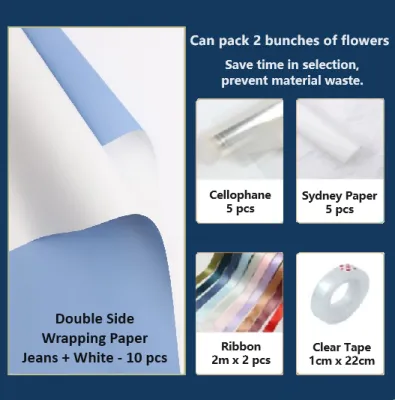
![[SGLOCAL] 58cm/8yds Colored kraft flower wrapping paper water resistant Bouquet Wrapping Paper for Florist Eco-Friendly](https://img.lazcdn.com/g/p/180919c5f7f3847c7f7f87b305dae85d.jpg_400x400q80.jpg_.webp)
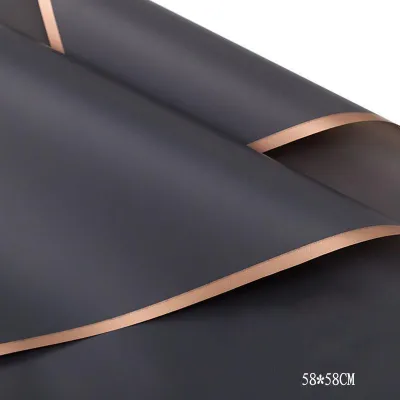
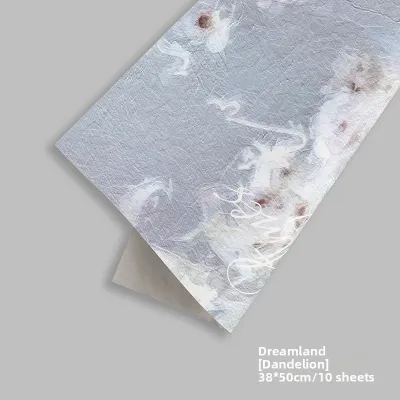
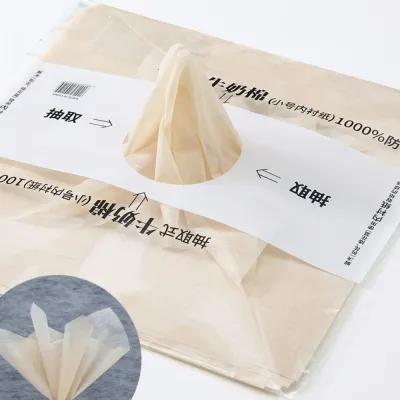

Prices are valid at publication and may change. Please refer to the product page for the latest price.
Casual and everyday gifting calls for a more cheerful and approachable aesthetic. Bright watercolor florals, playful daisy patterns, and vibrant sunflower motifs are perfect for birthdays, housewarmings, or simple thank-you gestures among friends. These designs typically utilize loose, artistic brushstrokes and a lighter, more varied color palette that evokes warmth and spontaneity. Playful layouts with scattered blossoms or repeating wildflower fields create an instant sense of joy and informal intimacy, making the recipient feel comfortable and appreciated.
For festive and celebratory events, such as major holidays, milestone birthdays, or traditional family gatherings, rich and dramatic floral designs are the preferred choice. Opt for dense patterns featuring lush peonies, deep red roses, or intricate tropical blooms set against dark, dramatic backgrounds like navy, emerald, or charcoal. Incorporating metallic accents—such as gold-foiled leaf veins or silver-embossed petals—adds a celebratory shimmer that catches the light beautifully. These opulent designs feel generous and abundant, making them ideal for festive seasons where gifts are displayed prominently under bright lights.
Evaluating Paper Quality and Print Durability
Beyond the visual design, the physical quality of the paper determines how easily it can be worked with and how well it survives transit. Paper weight is measured in GSM (grams per square meter), which serves as a primary indicator of thickness and durability. Standard wrapping papers typically range from 60 GSM to 120 GSM. Lightweight papers (60 to 80 GSM) are highly flexible and easy to fold, making them excellent for small, delicate items, but they are prone to tearing on sharp corners. Heavyweight papers (100 to 120 GSM) offer a premium, opaque feel and excellent tear resistance, but they require deliberate scoring and firm pressure to hold a crease without springing back.

Print quality and surface finish also play a critical role in the final presentation. Floral wrapping papers generally come in matte, glossy, or textured finishes. Matte finishes offer a modern, organic look that diffuses light, making them highly photogenic and elegant. Glossy finishes make colors appear more vibrant and saturated, though they are more susceptible to showing fingerprints and tape glare. Textured papers, such as those with a laid or linen finish, add a tactile dimension to the gift. To verify print durability before wrapping, perform a simple smudge test: rub a dry finger firmly over a printed area on a scrap piece of paper to ensure the ink does not transfer, smear, or fade, which can happen with low-quality digital prints.
Foldability and crease resistance are essential for achieving clean, sharp edges on gift boxes. High-quality wrapping paper should fold smoothly without cracking along the crease lines. In lower-grade papers, particularly those with heavy clay coatings or cheap inks, folding can cause the surface fibers to split, exposing a distracting white paper core beneath the floral design. To check for this, fold a small corner of the paper 180 degrees and press the crease flat with your fingernail; a high-quality paper will maintain its printed color along the fold line without flaking or cracking.
Sizing, Formats, and Compatibility with Gift Shapes
Selecting the right format of floral paper can significantly reduce waste and simplify the wrapping process. Wrapping paper is primarily sold in flat, pre-cut sheets or continuous rolls. Standard sheets (typically measuring 50 by 70 centimeters) are highly convenient for flat, rectangular boxes and are easy to store without curling. However, if you are wrapping larger items, irregular shapes, or cylindrical canisters, sheets may require you to piece multiple sections together, resulting in visible, awkward seams. Continuous rolls offer the flexibility to cut custom lengths, allowing you to wrap oversized or bulky items seamlessly.
Achieving clean edges requires the right cutting tools and techniques. While standard household scissors are sufficient for thin papers, heavier papers (above 100 GSM) or fibrous, textured sheets can easily snag or fray under dull blades. For clean, professional cuts, use sharp crafting scissors or a rotary cutter paired with a self-healing cutting mat. When trimming, always leave a small margin to fold inward along the cut edge; this hidden hem hides any minor cutting imperfections and prevents the paper edge from fraying or tearing during handling.
Adhesive compatibility is another practical consideration that varies by paper finish. Standard double-sided tape and glue dots adhere exceptionally well to matte and uncoated papers, creating a clean, invisible hold. However, glossy, metallic-foiled, or heavily textured papers have slick or uneven surfaces that can cause standard adhesives to peel or slip over time. For these challenging surfaces, opt for high-tack double-sided tape or specialty crafting glue dots. Additionally, ensure the paper weight matches your choice of ribbon; thin, lightweight papers can easily buckle or crush if paired with heavy, tightly tied satin or grosgrain ribbons, whereas sturdier papers can support elaborate bows and thick twine.
Sourcing and Verifying Brands in Singapore
Finding high-quality floral wrapping paper in Singapore involves navigating a mix of physical retail spaces and online storefronts. Visiting physical stationery shops, lifestyle boutiques, and art supply stores in major retail hubs allows you to inspect the paper in person. This is the most reliable way to verify the true colors of the floral prints, which can often look different on computer or phone screens. Feeling the paper texture and assessing its weight firsthand eliminates the guesswork and ensures the material matches your specific wrapping needs.
When shopping on online marketplaces or brand storefronts, a different verification strategy is required. Because you cannot touch the paper, read recent customer reviews carefully, paying close attention to feedback regarding paper thickness, print accuracy, and how the product was packaged for delivery (sheets that are shipped folded will arrive with permanent creases, whereas those shipped rolled in tubes remain pristine). Compare unit prices in S$—such as the price per sheet or price per meter—to determine the true value, as exceptionally cheap options often compromise on paper weight and print durability.
For environmentally conscious consumers, verifying the sustainability of the paper is increasingly important. Look for Forest Stewardship Council (FSC) certification labels on the packaging or product descriptions, which guarantee the paper is sourced from responsibly managed forests. Many premium stationery brands also highlight the use of recycled post-consumer waste and soy-based inks, which are more environmentally friendly than traditional petroleum-based inks. You can verify these eco-friendly claims by checking the manufacturer’s official website or looking for recognized environmental certification logos on the product packaging.
Frequently Asked Questions (FAQ)
How can I prevent thin floral wrapping paper from tearing on sharp box corners?
To protect delicate or low-GSM floral paper from tearing, you can reinforce the inner corners of the wrapping paper with small pieces of clear tape before folding. Alternatively, wrap the gift box in a layer of plain tissue paper first to soften the sharp edges, or slightly blunt the box corners by pressing them gently against a flat surface before wrapping.
Is it better to buy wrapping paper in sheets or rolls for large gifts?
For large gifts, continuous rolls are generally superior because they allow you to cut a single, uninterrupted piece of paper, eliminating unsightly overlapping seams. Sheets are better suited for small to medium gifts, as they are easier to handle and store flat without curling, but they lack the length required for oversized items.
How should I store leftover floral wrapping paper to prevent fading or creasing?
Store leftover rolls upright in a tall, sturdy container or a dedicated wrapping paper organizer to prevent the edges from crushing. For flat sheets, store them completely flat in a wide drawer or an artist’s portfolio. Keep all paper in a cool, dry place away from direct sunlight to prevent UV fading, and control ambient humidity to avoid paper curling or mold growth.

Community discussion
Share your experience or ask a question. Comments are reviewed before publication.