
Selecting the right crochet stand depends on your physical crafting environment, the size of your yarn put-ups, and how you prefer to sit while working. A dedicated yarn holder prevents your yarn balls from rolling across the floor, collecting dust, or tangling as you pull. However, because different stands accommodate different project scales and body postures, finding the right match requires balancing stability, space, and ergonomics.
There is no single best crochet stand for every crafter. Instead, the ideal choice is highly conditional. Floor stands are best suited for dedicated craft spaces and heavy yarn cones. Table-top stands offer a balanced, compact setup for standard study desks and typical skeins. Lap stands provide ultimate portability for those who prefer crafting on a sofa, in bed, or while traveling. Understanding how these designs handle weight, tension, and footprint will help you select the most comfortable tool for your stitching routine.
Floor Stands: Maximum Stability for Large Projects
Floor-standing yarn holders are engineered for heavy-duty use and long-term stability. Featuring a substantial, weighted base made of cast iron, heavy timber, or powder-coated steel, these stands resist tipping even when you pull heavy-gauge yarn rapidly. The central vertical pole typically extends upward to eye or elbow level, allowing the yarn to feed from a height that minimizes friction. This design is particularly beneficial when working with large cones, oversized cakes, or multiple skeins simultaneously for complex colorwork or double-stranded projects.
Products mentioned in this guide
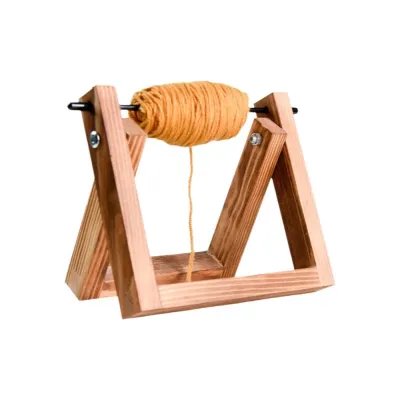
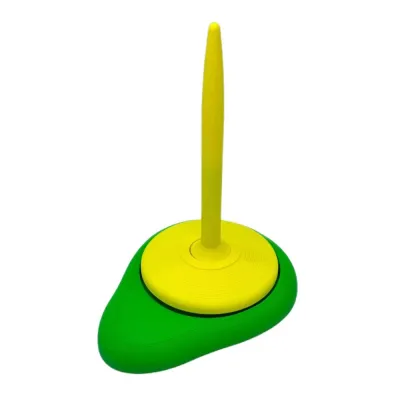
Prices are valid at publication and may change. Please refer to the product page for the latest price.
From an ergonomic perspective, floor stands offer the most customizable setup. Many models feature telescopic shafts that let you adjust the height from approximately 60 centimeters to over 120 centimeters. By positioning the yarn guide directly in line with your natural hand movements, you can maintain a neutral spine. This reduces the repetitive neck-bending and shoulder-hunching motions that frequently cause physical strain during extended crafting sessions.
However, the physical footprint of a floor stand is a major consideration, especially in compact living environments such as typical HDB apartments in Singapore. A floor stand requires a dedicated patch of floor space, usually demanding a clear area of at least 30 square centimeters for the base. While some flat-base models can slide partially under a sofa or armchair to save space, tripod-style bases require more open clearance and can easily become tripping hazards in narrow walkways.
Before purchasing a floor stand, always verify the weight of the base and the footprint dimensions. A base weighing less than 2 kilograms may wobble when feeding thick, high-friction yarns like cotton macrame cord or bulky wool. For maximum stability, look for solid wood or metal bases that keep the center of gravity as low as possible.
Table-Top Stands: Compact Solutions for Standard Skeins
Table-top stands are highly efficient space-savers designed to keep your work surface organized and clutter-free. These stands elevate your yarn above your desk or dining table, ensuring that the strand feeds smoothly without catching on scissors, pattern books, or coffee cups. They are generally categorized into two distinct designs: freestanding weighted bases and edge-clamping models.

Freestanding table-top stands rely on a heavy wooden, acrylic, or metal disc equipped with non-slip rubber feet to grip the table surface. They offer excellent flexibility, allowing you to easily reposition the stand across your desk or move it from the study to the dining room. The primary limitation of a freestanding base is its weight capacity. If you attempt to pull yarn from an oversized, heavy cone, the lateral tension can cause the stand to slide or tip over on slick surfaces.
Clamp-on table-top stands solve the stability issue by securing directly to the edge of your table using a threaded C-clamp mechanism. This design completely frees up your desk surface, making it an excellent option for crafters who work in tight spaces or need room for tablets, printed patterns, and stitch markers. However, clamp-on models require a compatible table edge. If your desk has a rounded bevel, a decorative under-frame, or is made of delicate glass, a heavy-duty clamp may not attach securely or could damage the material.
When choosing a table-top model, consider the material and finish of the spindle. In humid climates like Singapore, untreated wooden spindles can swell or develop rough spots over time, which can snag delicate lace-weight or mohair yarns. Opt for sealed, polished hardwoods or anodized aluminum spindles that ensure a friction-free rotation.
Lap Stands: Portability and Seated Flexibility
Lap stands cater to crafters who prioritize comfort, mobility, and casual stitching environments. These lightweight, low-profile holders are designed to rest directly on your thighs, between your knees, or on a low side table immediately adjacent to your armchair. They allow you to maintain a relaxed, reclined posture on a sofa or bed without needing a flat table surface nearby.
Because lap stands are constructed from lightweight materials such as pine, bamboo, or hollow plastic, they are exceptionally portable. They can easily be disassembled or slipped into a project bag, making them the ideal companion for crafting meetups, daily commutes, or travel. They keep your yarn securely contained in your personal space, preventing balls from rolling under public seating or gathering dirt.
Despite their convenience, lap stands have strict physical limitations regarding weight and tension capacity. Because they lack a heavy, anchored base, they cannot support heavy cones or bulky yarn put-ups without becoming top-heavy and pressing uncomfortably into your legs. They are best suited for standard 50-gram to 100-gram skeins, cakes, or hand-wound balls of light- to medium-weight yarn.
Additionally, lap stands require you to adapt your posture to the position of the stand. Because they lack height adjustability, you may find yourself looking down more frequently, which can lead to neck fatigue over long periods. To prevent discomfort, ensure the base of the lap stand has smooth, rounded edges that will not dig into your legs or snag your clothing during use.
Key Comparison Dimensions: Space, Weight, and Ergonomics
To make an informed decision, you must evaluate how each stand type performs across the core practical dimensions of crafting. Your available workspace, the physical properties of your preferred yarn, and your body posture all play critical roles in determining which design will integrate seamlessly into your routine.
Space and Footprint
Floor stands demand dedicated floor real estate and are best suited for permanent craft corners where they do not need to be constantly packed away. Table-top stands occupy immediate desk space or require a sturdy, flat clamp edge, making them highly compatible with multi-use desks. Lap stands require zero dedicated room space, occupying only your physical lap or a small corner of a couch, making them the ultimate choice for space-constrained homes.
Yarn Weight and Project Size
The physical size of your yarn put-up dictates the structural strength required of your stand. Heavy, industrial-sized cones of cotton or t-shirt yarn exert significant pulling resistance, requiring the heavy, low center of gravity found only in floor stands. Standard 100-gram to 250-gram yarn cakes and skeins feed beautifully on table-top stands, which provide enough resistance to prevent sliding. Lap stands are strictly limited to lightweight, low-friction yarns where minimal pulling force is required.
Ergonomics and Tension
Consistent yarn tension is essential for achieving an even stitch gauge. When yarn feeds smoothly from a rotating spindle, your hands do not have to exert extra force to tug the yarn free, which significantly reduces wrist fatigue. Floor stands offer superior ergonomics by allowing you to align the feed path with your natural hand height. Table-top stands keep the yarn at desk level, which is comfortable for seated desk work but less ideal for sofa lounging. Lap stands keep the yarn close to your hands, reducing reach, but offer no height customization to prevent neck strain.
Quick-Reference Comparison Matrix
| Stand Type | Best For | Space Required | Max Yarn Weight | Portability |
|---|---|---|---|---|
| Floor Stand | Heavy cones, large blankets, dedicated craft rooms | High (requires dedicated floor area) | Heavy cones & multi-skeins | Low (heavy and bulky to move) |
| Table-Top Stand | Desk crafting, medium projects, standard skeins | Medium (occupies desk surface or edge) | Standard 100g–250g skeins | Medium (easy to move room-to-room) |
| Lap Stand | Sofa crafting, travel, lightweight projects | Low (rests on lap or side table) | Lightweight 50g–100g skeins | High (fits easily in a craft bag) |
Final Verdict: Match the Stand to Your Crafting Routine
To finalize your choice, match your primary crafting habits to the specific strengths of each design:
- Choose a Floor Stand if you have a permanent crafting corner, frequently work with heavy yarn cones or multi-strand projects, and require highly adjustable height settings to protect your neck and shoulders from strain during long sessions.
- Choose a Table-Top Stand if you prefer crafting at a desk or dining table, have limited floor space, and primarily work with standard-sized yarn skeins, cakes, or medium-weight projects.
- Choose a Lap Stand if you do your best work while relaxing on the sofa or bed, prioritize portability for travel or craft groups, and work almost exclusively with lightweight yarns.
Before making an online purchase, always perform two critical verification checks. First, measure the spindle rod diameter of the stand and compare it to the center hole diameter of your favorite yarn brands; standard commercial cones typically require a spindle diameter of 8 millimeters to 15 millimeters to rotate without binding. Second, if choosing a clamp-on table-top model, measure your desk’s edge thickness and verify that the clamp’s maximum opening clearance can accommodate it securely.
Frequently Asked Questions (FAQ)
Can I use a crochet stand for knitting yarn as well?
Yes, yarn stands are completely universal and work equally well for both crochet and knitting. The mechanical delivery of the yarn is identical for both crafts. The primary requirement is that the yarn feeds smoothly from the spindle without catching or tangling, regardless of whether you are pulling it with a crochet hook or a pair of knitting needles. Ensure the spindle rotates freely to maintain consistent tension for either technique.
How do I prevent my yarn from tangling on the stand?
To prevent tangling, ensure your yarn cake or ball is wound evenly with a clear center path before mounting it on the spindle. Position the stand approximately 1 to 1.5 meters away from your sitting position; this distance allows the yarn to feed in a straight, relaxed line rather than pulling at an acute angle. Regularly check the spindle joints and yarn guides for any rough wood grain or metal burrs, and sand them down with fine-grit sandpaper if you detect any resistance.
Community discussion
Share your experience or ask a question. Comments are reviewed before publication.