
Choosing between a floor embroidery stand and a table embroidery stand depends on your physical workspace, seating preferences, and project scale. A floor stand rests directly on the ground, offering a dedicated, highly adjustable setup that frees up your desk space and supports larger frames, making it ideal for dedicated craft areas or comfortable armchair stitching. A table stand clamps or sits on an existing flat surface, providing a compact, highly portable solution that fits smaller hoops and suits multi-purpose workspaces like dining tables or study desks.
If you have a dedicated stitching corner and prefer working from a deep armchair or sofa, a floor stand is generally the more supportive option. Conversely, if you live in a compact home where crafting areas must be packed away daily, a table stand offers the flexibility to set up quickly on any sturdy desk and store easily in a drawer.
Evaluating Your Workspace and Space Constraints
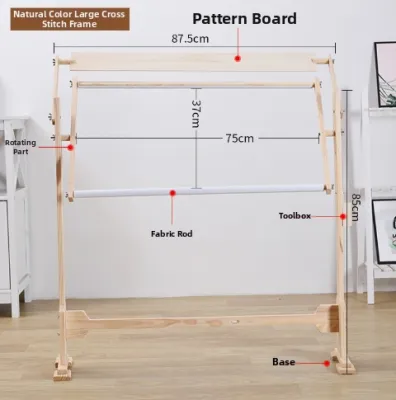
Physical space is often the primary deciding factor when selecting an embroidery stand, especially in compact living environments like Singapore apartments where rooms serve multiple purposes. A floor stand requires dedicated floor area, not just for its base but also for the clearance around your seating. Some floor models feature wide, H-shaped bases that require a flat, unobstructed floor surface, while others use low-profile T-shaped or Z-shaped feet designed to slide under sofas or armchairs. Before purchasing, you must measure the clearance under your favorite chair to ensure the stand’s base can slide beneath it, allowing the hoop to reach a comfortable working distance.
Products mentioned in this guide
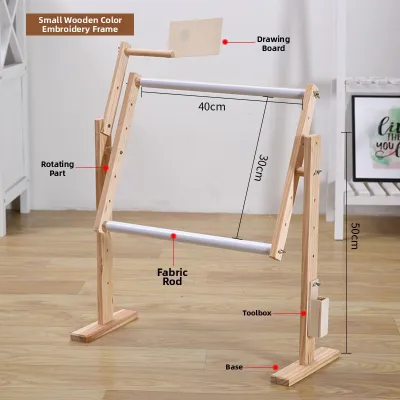
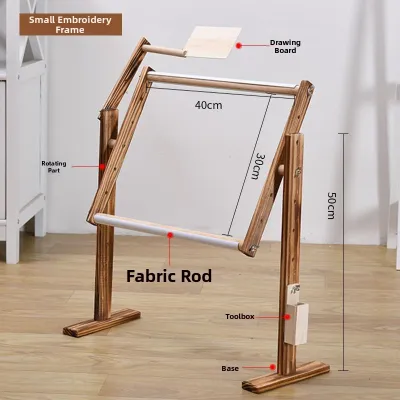
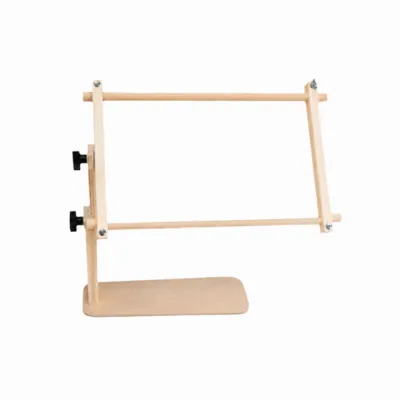
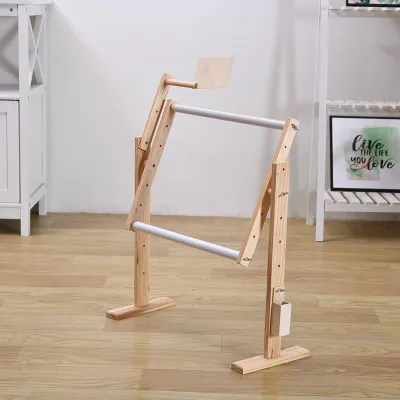
Prices are valid at publication and may change. Please refer to the product page for the latest price.
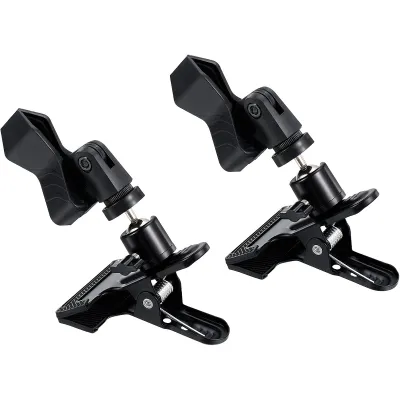
Table stands, on the other hand, rely entirely on your existing furniture. They typically come in two styles: clamp-on models and weighted desktop bases. Clamp-on stands require a sturdy table edge with sufficient clearance underneath for the screw mechanism to tighten securely. You must check the thickness of your desk and compare it with the clamp’s maximum opening capacity specified by the manufacturer. If your desk has a decorative bevelled edge, a drawer directly beneath the tabletop, or a supporting frame rail, a standard clamp may not grip securely, making a weighted freestanding table base a safer alternative.
Consider also the transition between crafting time and daily life. If your embroidery setup shares space with a home office or a dining area, a floor stand might become a physical obstacle when not in use. A table stand can be unclamped and tucked into a cupboard in seconds, leaving your desk completely clear for work or meals. If you choose a floor stand for a shared room, look for models that feature quick-release knobs or folding joints, allowing you to fold the arm flat against the central post to minimize its footprint when guests arrive.
Posture, Ergonomics, and Comfort Needs
Embroidery is a slow, meticulous craft that involves thousands of repetitive motions, making ergonomic support essential for preventing neck, shoulder, and lower back strain. An embroidery stand’s primary ergonomic benefit is that it holds the weight of the hoop, allowing you to use both hands for stitching—one above the fabric and one below—which naturally encourages a more upright posture. However, the degree of physical comfort you achieve depends heavily on how well the stand adjusts to your preferred seating.

Floor stands offer a wider range of height adjustments, making them compatible with a variety of seating options, from low lounge chairs to standard dining chairs and tall drafting stools. Because the stand is independent of your table, you can position the hoop at the exact height and angle where your neck remains neutral and your elbows rest comfortably at your sides. Look for stands with 360-degree ball joints or tilting head mechanisms, which allow you to angle the fabric precisely to catch the light and avoid glare without slouching forward.
Table stands are constrained by the height of the desk they are attached to. If your desk is standard height and you use a non-adjustable chair, a table stand might position the hoop slightly too high or too low, forcing your shoulders to shrug or your neck to bend. To maintain proper ergonomics with a table stand, ensure the arm has multiple articulation points that allow you to lower the hoop below the table’s edge or raise it to eye level. Utilizing an adjustable office chair can also help you align your body perfectly with a tabletop setup.
Project Size, Weight, and Equipment Compatibility
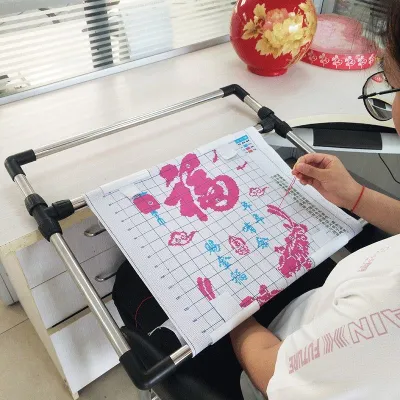
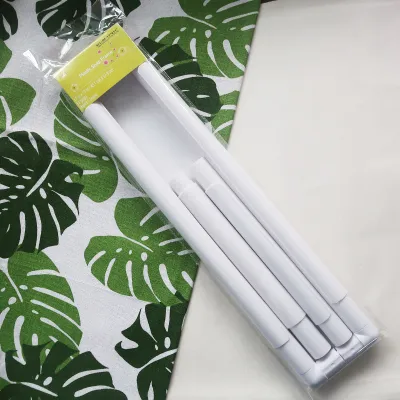
The physical characteristics of your embroidery projects—specifically the size, weight, and type of hoop or frame you use—must match the structural capacity of your stand. Standard hand embroidery hoops made of bamboo, beechwood, or plastic are relatively light, but larger scroll frames, slate frames, or heavy Q-snap frames require a robust gripping mechanism to prevent slipping.
When evaluating a stand, check the manufacturer’s specifications for the maximum hoop thickness and weight capacity. Floor stands generally feature heavier, more robust clamps made of solid wood or metal, designed to hold wide scroll frames up to 60 centimeters or more without tipping. The weight distribution of a floor stand is centered low, often reinforced by a heavy cast iron or solid timber base, which counterbalances the forward reach of a large frame. If you plan to work on large tapestries, crewelwork, or multi-month cross-stitch projects, a floor stand provides the structural integrity needed to keep the fabric taut and stable.
Table stands are best suited for small to medium projects, typically utilizing hoops under 30 centimeters in diameter. Because the center of gravity on a table stand is closer to the mounting point, a heavy or oversized frame can create leverage that tilts a weighted base or exerts excessive torque on a table clamp. Additionally, if you use an electronic sewing or embroidery machine and want a stand to hold stabilizer sheets or fabric close to the machine bed, verify that the stand’s arm can reach over the machine’s accessory tray without interfering with the moving needle bar or hoop carriage.
Portability, Storage, and Daily Setup
For many crafters, an embroidery stand cannot remain permanently assembled in the middle of the room. Evaluating how easily a stand folds, disassembles, and stores is crucial for long-term satisfaction.
Floor stands, due to their size, are inherently less portable. While some lightweight wooden models can be folded flat by loosening a few wing nuts, heavier professional metal floor stands often require complete disassembly—removing the base, central pole, and clamp arm—to fit into a closet or transport bag. If you regularly attend stitching guilds, crafting classes, or community workshops, carrying a floor stand on public transport can be highly impractical.
Table stands excel in portability and ease of storage. A clamp-on table stand is lightweight, often weighing under one kilogram, and can easily slide into a tote bag alongside your threads and fabric. When collapsed, many table stands occupy no more space than a standard folding music stand or a laptop riser. However, when choosing a highly portable stand, pay close attention to the durability of the adjustment hinges. Plastic tension knobs can wear down or crack over time with frequent tightening and loosening; solid brass, steel, or high-grade aluminum hardware offers much better longevity for a stand that is set up and packed away daily.
Decision Framework: Which Embroidery Stand Fits Your Setup?
To finalize your decision, assess your crafting habits against these specific operational scenarios.
Choose a Floor Stand if:
- Dedicated Space: You have a dedicated crafting corner or a spare room where the stand can remain permanently assembled.
- Deep Seating: You prefer stitching while seated in a deep armchair, sofa, or recliner where a table is not within comfortable reach.
- Large Projects: You regularly work on large-scale projects using heavy scroll frames, slate frames, or large Q-snaps.
- Ergonomic Needs: You experience chronic neck or back discomfort and require highly customizable height and angle adjustments independent of table heights.
Choose a Table Stand if:
- Multi-use Desks: Your crafting space is multi-functional, such as a dining table, study desk, or kitchen island, requiring quick setup and teardown.
- Standard Hoops: You primarily work on small to medium projects using standard embroidery hoops under 30 centimeters.
- High Portability: You need a highly portable setup that you can easily pack into a bag for travel, classes, or outdoor stitching sessions.
- Compact Homes: Your home has limited floor space, making a compact clamp-on or small weighted base the only practical option.
Verify first if:
- Clamp Compatibility: Your desk edge is compatible with clamps (check for bevels, drawers, or fragile materials).
- Floor Clearance: The clearance under your favorite chair allows a floor stand base to slide underneath.
- Clamp Capacity: The stand's clamp opening width matches the thickness of your thickest embroidery hoop or scroll frame.
| Feature | Floor Stand | Table Stand |
|---|---|---|
| Primary Footprint | Occupies floor space near seating | Occupies desk surface or clamps to edge |
| Seating Compatibility | Armchairs, sofas, stools, and standard chairs | Standard desk chairs or adjustable office chairs |
| Max Project Weight | High (supports heavy scroll frames) | Low to Moderate (best for light hoops) |
| Portability | Low (often requires partial disassembly) | High (lightweight, compact, travel-friendly) |
| Storage Footprint | Moderate to Large | Minimal (fits in drawers or small shelves) |
| Height Adjustability | Broad range (independent of furniture) | Limited (dependent on desk height) |
Frequently Asked Questions (FAQ)
Can I use a table stand on a glass or fragile desk?
Clamping a heavy embroidery stand directly onto a glass, acrylic, or thin composite wood desk carries a significant risk of structural damage. The concentrated pressure from a metal C-clamp can easily crack glass or crush hollow-core fiberboard tables. If you must use a table stand on a delicate surface, look for models that feature a wide, weighted freestanding base with non-slip rubber padding underneath, which distributes the weight evenly without applying clamping force. Alternatively, you can place protective wooden blocks or thick felt pads between the clamp jaws and the desk surfaces to cushion the pressure, though verifying the desk manufacturer’s weight and pressure limits remains the safest course of action.
Do floor stands work for both hand embroidery and machine embroidery?
Standard floor stands are designed specifically to hold lightweight hand embroidery hoops, scroll frames, and slate frames to facilitate manual stitching. They do not possess the structural rigidity, weight capacity, or vibration dampening required to support heavy electronic sewing or embroidery machines, which must always rest on a solid, stable table. Attempting to mount or balance a machine on a craft stand poses a severe tipping hazard and can damage your equipment. However, you can position a floor stand adjacent to your sewing machine table to hold reference patterns, stabilizer rolls, or fabric pieces within easy reach while you work.
Community discussion
Share your experience or ask a question. Comments are reviewed before publication.