
Deciding whether to stick with a dedicated FlashPay card or switch to a contactless bank card for daily transit and Electronic Road Pricing (ERP) in Singapore depends on how you prefer to manage your cash flow, your vehicle’s hardware compatibility, and your tolerance for card-management admin. While contactless bank cards offer the ultimate convenience of direct deduction without manual top-ups, the FlashPay card remains a highly reliable, budget-controlled option that guarantees compatibility with older in-vehicle units (IUs) and keeps your daily travel expenses strictly separated from your primary bank accounts. Both payment methods have distinct operational mechanics, fee structures, and privacy implications that can affect your daily commute and driving experience.
How Your Money is Managed: Stored Value vs Direct Deduction
The fundamental difference between these two payment methods lies in how funds are held and processed. A dedicated stored-value card requires you to pre-load money onto the physical chip before you can use it. This means your funds are locked within the card’s ecosystem, and you must maintain a minimum balance to pass through transit gantries or ERP gates. If your balance falls below the required threshold, the card will be declined, requiring a manual top-up at a ticketing machine or via a mobile application before you can proceed.
In contrast, a contactless bank card operates on a direct deduction or post-paid model. When you tap a debit or credit card at a transit reader or use it in a compatible in-vehicle unit, the fare is either deducted directly from your linked bank account or charged to your monthly credit card statement. This eliminates the need to monitor card balances or stand in queues at top-up kiosks. However, this convenience requires you to ensure that your bank account always has sufficient funds to avoid declined transactions, potential overdraft fees, or administrative holds placed on your account by the card issuer.
Products mentioned in this guide
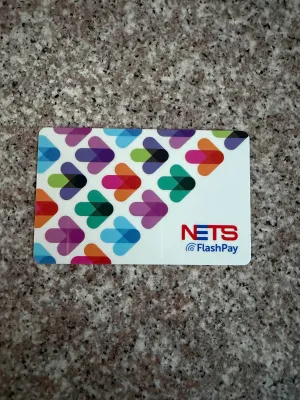
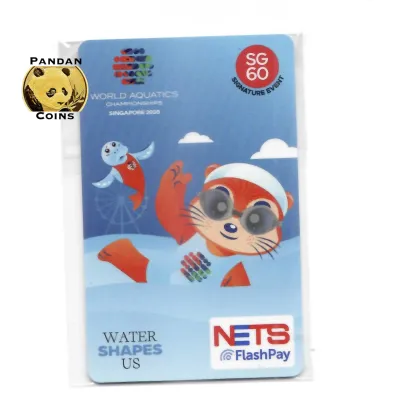

Prices are valid at publication and may change. Please refer to the product page for the latest price.
While stored-value cards can be linked to auto-top-up services that automatically trigger a transfer from your bank account when the balance runs low, this setup still requires managing a separate digital ledger and pre-authorising transactions. For those who prefer wallet minimalism, consolidating daily carry items by using a single bank card—or integrating that card into a smartphone or smartwatch—is highly appealing. Conversely, many commuters prefer keeping transit funds strictly separated from their main banking accounts. Using a dedicated card ensures that if your wallet is lost or stolen, your primary banking credentials remain secure, and your financial exposure is limited strictly to the pre-loaded balance on the card.
Checking Transit and ERP Compatibility Before You Switch
Before making the switch to a contactless bank card, it is crucial to verify whether your daily routes and vehicle setup fully support this payment method. For drivers, ERP and car park compatibility is heavily dependent on the specific In-Vehicle Unit (IU) installed in your vehicle. Older dual-mode IUs and standard IUs have strict hardware requirements and may not accept contactless bank cards. Inserting an incompatible card into your IU can lead to failed deductions at ERP gantries, resulting in administrative fines and the hassle of resolving payment discrepancies. You must check your vehicle’s manual or consult a qualified technician to confirm which card types your physical unit supports.

Transit gate acceptance is another factor to consider. While the public transit network widely supports contactless bank cards, you may occasionally observe slight tap-out delays or gate acceptance nuances, particularly at older transit stations or on certain bus routes. Because contactless bank cards require real-time communication with the bank’s backend processing system to verify the transaction, there can be a brief pause at the barrier compared to the near-instantaneous response of a dedicated stored-value card. If you are commuting during peak hours, even a minor delay can affect your flow through busy gantries.
Furthermore, you must confirm payment acceptance beyond the standard public transit network. Many car parks in older commercial buildings, industrial estates, and private residential developments still rely on legacy physical card readers that only accept dedicated stored-value cards. If your daily routine involves parking in these locations, relying solely on a contactless bank card could leave you unable to exit the car park. Always observe the accepted payment logos at your regular parking destinations and transit points before completely phasing out your stored-value card.
Comparing Fees, Hidden Costs, and Budget Controls
Evaluating the direct and indirect costs of both card types is essential to avoid unexpected charges. Dedicated stored-value cards typically involve an initial purchase fee, which often includes a non-refundable card cost (for example, S$5 for the physical card itself) alongside a usable travel value. If your card expires, is damaged, or is lost, you will need to pay this non-refundable fee again to secure a replacement. Additionally, while many top-up channels are free, certain merchant terminals or third-party payment points may levy convenience fees for manual top-ups, quietly inflating your commuting costs over time.
Contactless bank cards generally do not carry dedicated transit issuance fees, as they leverage your existing banking infrastructure. However, if you use a foreign-issued bank card or a specialized corporate card, you must check for foreign transaction fees, administrative charges, or dynamic currency conversion risks. Some financial institutions charge a small administrative fee per day or per transaction for processing transit fares on foreign cards, which can quickly add up over a month of daily commuting. It is highly recommended to review your bank’s fee schedule for transit payments before relying on a non-local card.
From a budgeting perspective, stored-value cards serve as an excellent physical tool to enforce strict spending limits. By loading a fixed amount—such as S$50 at the start of the month—you can easily track and control your transport expenses. Once the balance is depleted, you are forced to consciously top up the card, making it highly visible how much you are spending. With a contactless bank card, transit charges are often consolidated and posted to your bank statement days after the actual travel occurred. This delayed posting can make it challenging to monitor your daily or weekly commuting budget in real time unless you actively log into a dedicated transit tracking portal.
Managing Loss Risks, Refunds, and Travel Privacy
Understanding how each card type handles loss, refunds, and travel data is vital for protecting your finances and personal information. If you lose an unregistered stored-value card, any remaining balance on the card is generally lost forever, as there is no way to block unauthorized usage of the physical chip. In contrast, if you lose a contactless bank card, you can instantly freeze or block the card using your bank’s mobile application, completely securing your funds from unauthorized transactions.
If you decide to stop using a dedicated transit card, recovering the unused stored value requires following specific refund procedures. You must typically present the physical card at a designated transit customer service center or ticketing office to verify the remaining balance. The refund process and timeline can vary depending on the card issuer’s current terms, and some issuers may deduct administrative fees from the refunded balance. For damaged or expired cards, the recovery process may take longer, requiring you to submit the card for technical assessment before the funds can be transferred back to your bank account.
Travel privacy and data recording also differ significantly between the two options. When you use a contactless bank card, your travel history is processed through the transit system’s backend, and your bank statement will typically show consolidated charges rather than individual trip details. To view your precise tap-in and tap-out locations, you must register your bank card on a centralized transit portal. Dedicated stored-value cards, on the other hand, allow you to check your immediate travel history directly at station card readers, self-service kiosks, or via specialized mobile apps without linking your personal banking identity to your daily movements, offering a higher degree of localized privacy.
Which Card Should You Choose? A Decision Framework
To make the right choice for your daily commute and driving needs, evaluate your habits against these specific conditions:
Choose the dedicated FlashPay card if:
- You want strict separation between your daily transit expenses and your primary bank accounts.
- You need to enforce a hard monthly commuting budget by pre-loading a fixed amount of money.
- Your vehicle is equipped with an older in-vehicle unit (IU) that does not support contactless bank cards, or you frequently park in car parks that only accept legacy stored-value cards.
- You prefer not to carry active bank cards or mobile payment devices during your daily commute.
Choose a contactless bank card if:
- You prioritize wallet minimalism and want to eliminate the need to carry a dedicated transit card.
- You prefer the convenience of post-paid billing and want to avoid the hassle of monitoring balances and performing manual top-ups.
- You have successfully verified that your vehicle's IU and your regular car parks fully support contactless bank payments.
- You want the security of being able to instantly freeze your card via a mobile app if it is lost or stolen.
Before making a final transition, always verify if your bank card is foreign-issued to avoid unexpected transaction fees, and ensure that your card has standard contactless payment features enabled. If you use a corporate expense card, check with your employer’s finance department to ensure that direct bank card deductions are fully supported and compliant with your company’s travel claim policies.
Frequently Asked Questions (FAQ)
Can I mix payment methods for a single transit journey?
No, you must use the exact same card or mobile device for both tap-in and tap-out during a single transit journey. If you tap in with a physical bank card and tap out with a smartphone linked to the same bank account, the system treats them as two separate, incomplete journeys. This will result in maximum fare penalties being charged to both payment methods. To avoid unnecessary fees, always stick to one physical card or one specific device for the entire duration of your trip.
How do I recover unused stored value from an old card?
To recover unused funds from a dedicated transit card, you should first check the remaining balance at a self-service transit kiosk or via a compatible mobile application. If the card is expiring or you no longer wish to use it, you can visit a designated transit customer service center or ticketing office to request a refund. Be sure to consult the specific card issuer’s current terms and conditions, as refund locations, processing times, and potential administrative deductions can vary.
Community discussion
Share your experience or ask a question. Comments are reviewed before publication.