
Selecting your first sketch pad is a foundational step in your artistic journey, directly influencing how your pencil glides, how your ink dries, and how well your early work is preserved. In Singapore, where a vibrant community of urban sketchers and hobbyists thrives, finding the right paper involves balancing medium compatibility, paper weight, and local environmental factors like high humidity. For absolute beginners, the ideal starting point is a student-grade sketch pad from a reputable global brand such as Canson, Fabriano, or Derwent. These manufacturers offer dedicated entry-level lines—such as the Canson XL series or Fabriano Accademia—that provide consistent, reliable paper quality without the intimidating price tag of professional-grade archival sheets. By focusing on versatile, medium-weight paper (around 120 to 160 GSM) with a moderate texture, you can comfortably experiment with graphite, colored pencils, and light ink work while learning the ropes.
The search for “my first sketch pad” often leads beginners to a confusing array of technical specifications, from paper weights to binding styles. However, the selection process becomes straightforward when you align the physical properties of the paper with your immediate drawing goals. A sketch pad is not merely a collection of blank sheets; it is a training ground where you develop muscle memory, understand pressure control, and discover how different media interact with a textured surface. Choosing a pad that matches your preferred tools ensures that your drawing sessions are encouraging rather than frustrating, helping you build a consistent daily practice.
In Singapore’s unique climate, paper storage and durability also play a critical role in your decision. High relative humidity can cause thin, untreated papers to warp, absorb excess moisture from the air, or degrade rapidly. Opting for established brands that treat their student-grade papers with proper sizing and acid-free formulations ensures that your sketches remain crisp and free from yellowing, even in tropical conditions. Whether you plan to sketch quiet corners of the Singapore Botanic Gardens or practice perspective drawing at home, understanding the fundamental characteristics of sketch paper will empower you to make an informed, practical purchase that supports your growth as an artist.
Products mentioned in this guide
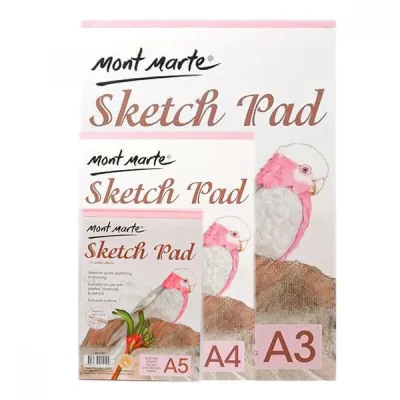
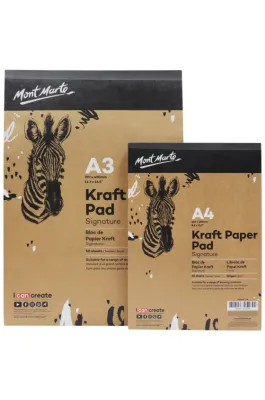
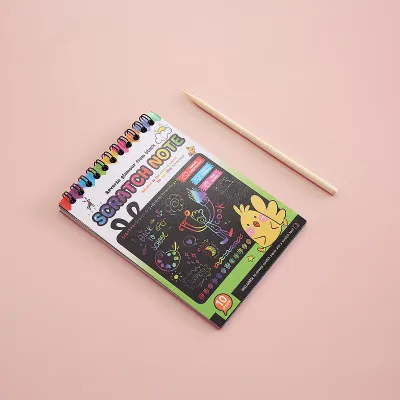
Prices are valid at publication and may change. Please refer to the product page for the latest price.
Understanding Your Sketching Goals and Medium
Before browsing the shelves of an art supply store, you must clarify what tools you intend to use most frequently. Drawing media are broadly categorized into dry and wet categories, each placing distinct demands on paper. Dry media, which include graphite pencils, charcoal, sketching crayons, and colored pencils, rely on the physical friction between the medium and the paper to deposit pigment. If the paper is too smooth, the pencil will slide without leaving a rich mark; if it is too rough, your pencil tips will wear down rapidly, and fine details will be difficult to achieve. For beginners starting with standard graphite pencils ranging from HB to 6B, a medium-texture paper provides the perfect balance, offering enough resistance to create deep shadows while remaining smooth enough for clean line work.
Wet media, such as fine-liner pens, calligraphy ink, markers, and light watercolor washes, behave entirely differently on paper. Liquid pigments require a paper surface that can absorb moisture without buckling, feathering, or bleeding through to the next page. Feathering occurs when ink spreads along the paper fibers, creating fuzzy, distorted lines instead of sharp edges. Bleed-through happens when the liquid penetrates the entire thickness of the sheet, ruining the page underneath. If you plan to incorporate ink outlines or light washes into your sketches, a standard thin sketching paper will not suffice. Instead, you will need a heavier mixed-media paper or a dedicated heavy-weight sketch pad that has been sized—a manufacturing process where starch or gelatin is added to the paper to control its absorbency.
Portability is another essential factor that shapes your choice of a first sketch pad. If your goal is to practice urban sketching—capturing Singapore’s historic shophouses, bustling hawker centers, or lush green spaces—you need a pad that is easy to carry and use on the go. A compact A5 or pocket-sized pad with a rigid backing board allows you to draw comfortably while standing or sitting without a table. On the other hand, if you plan to work primarily at a desk or in a studio setting, a larger A4 or A3 pad offers more physical space to practice sweeping arm movements, anatomy studies, and complex compositions. Beginners often find that having two pads—a small, portable one for daily carry and a larger one for structured home practice—provides the best of both worlds.
Finally, it is important to understand the distinction between student-grade and professional-grade sketch pads. Student-grade pads are designed for high-volume practice, offering a generous number of sheets at an affordable price point. They are typically made from wood pulp and are formulated to withstand erasing and blending, making them ideal for beginners who are bound to make mistakes. Professional-grade pads, often made from 100% cotton fibers, are designed for archival longevity and complex wet techniques, but they carry a premium price. Starting with a high-quality student-grade pad removes the pressure of “ruining” expensive paper, allowing you to experiment freely, make mistakes, and fill pages rapidly without worrying about the cost per sheet.
Essential Paper and Binding Features to Evaluate
To choose the right sketch pad, you must learn to read the specifications printed on the cover. The most critical metric is paper weight, measured in grams per square meter (GSM). GSM indicates the density and thickness of the paper. Lightweight paper, ranging from 50 to 90 GSM, is typical for tracing, quick newsprint sketching, or basic drafting; it is highly susceptible to tearing and is unsuitable for anything other than light pencil work. Medium-weight paper, between 100 and 150 GSM, is the sweet spot for general sketching, easily handling graphite, colored pencils, charcoal, and light pen work. Heavyweight paper, from 160 to 300 GSM and above, is classified as mixed-media or watercolor paper, capable of supporting heavy ink layers, markers, and wet washes without warping.

The surface texture, often referred to as the “tooth” of the paper, determines how the drawing medium adheres to the sheet. Smooth paper, sometimes labeled as hot-pressed or plate finish, has virtually no texture. It is excellent for precise technical drawings, detailed pen-and-ink illustrations, and marker work, as it allows for unbroken lines and smooth color transitions. However, smooth paper does not hold multiple layers of colored pencil or charcoal well, as there are no microscopic crevices to trap the pigment. Medium-texture paper, often labeled as cold-pressed, fine grain, or medium tooth, has a visible, tactile roughness. This texture grabs graphite and charcoal beautifully, enabling a wide range of tonal values and shading techniques, making it the most versatile option for a beginner’s first pad.
The binding of your sketch pad dictates how you interact with the book physically and how you store your completed work. Spiral binding, also known as wire-o binding, uses a metal or plastic coil to hold the pages together. This style is highly favored by beginners because it allows the pad to lay completely flat on a table or fold back on itself 360 degrees, making it incredibly easy to use in tight spaces or while holding the pad in your lap. Glue-bound pads, where the sheets are held together by a strip of adhesive along the top or side edge, allow for clean and effortless page removal. This is ideal if you want to frame your drawings, scan them, or discard practice sheets. However, if you prefer to keep all your sketches together as a chronological journal of your progress, a stitched or hardbound book is superior, as the pages are securely sewn into the spine and protected by a rigid cover.
Lastly, always check the packaging for the term “acid-free.” Paper made from wood pulp naturally contains lignin, an organic compound that becomes acidic over time when exposed to light and air. Acidic paper turns yellow, becomes brittle, and causes drawings to fade or discolor—a process accelerated by Singapore’s warm, humid climate. Acid-free paper has been chemically treated to neutralize these acids, ensuring that your sketches remain bright, white, and intact for decades. Even when purchasing budget-friendly student-grade pads, choosing an acid-free option is a non-negotiable requirement if you want to preserve your artistic progress and look back on your early drawings in the years to come.
Recognizing Reliable Entry-Level Brand Lines
When searching for your first sketch pad in Singapore, focusing on established global stationery and art brands ensures a baseline of quality and consistency. Reputable manufacturers have dedicated student or academic lines designed specifically to offer reliable performance at an accessible price. For example, Canson, a historic French paper manufacturer, produces the widely acclaimed XL series. The Canson XL Sketch and XL Mixed Media pads are staples in the art community, known for their durable surfaces that withstand heavy erasing and blending. Similarly, Fabriano, an Italian brand with centuries of papermaking heritage, offers the Accademia and Schizzi lines. These pads feature high-quality, acid-free wood pulp paper that provides an excellent tooth for graphite and colored pencils, making them highly reliable options for beginners.
Another dependable brand to look for is Derwent, which offers its Academy range specifically tailored for students and hobbyists. Derwent Academy sketch pads provide a smooth, consistent surface that pairs perfectly with graphite and colored pencils, ensuring that beginners do not have to struggle with uneven paper texture or unexpected tearing. Clairefontaine, another respected European brand, is famous for its exceptionally smooth, high-grade paper, which is highly favored by those who prefer sketching with fine-liners, fountain pens, or calligraphy nibs. By choosing these recognized brands over generic, unbranded pads often found in discount lifestyle shops, you guarantee that the paper has undergone rigorous quality control, ensuring uniform thickness, consistent tooth, and reliable binding across every single sheet.
The shelf presence of these brands in local art supply shops is a strong indicator of their reliability and suitability for the local climate. Local art retailers curate their inventory based on what works well for local artists and students, meaning the brands they stock heavily are tried-and-tested options. Buying from established brand lines also means that once you find a paper type you enjoy, you can easily purchase the exact same pad again, maintaining consistency in your practice. Generic pads often suffer from batch-to-batch variation, where one pad may feel smooth while the next one of the same brand feels rough or absorbs ink differently. Sticking to reputable student lines eliminates this unpredictability, allowing you to focus entirely on developing your drawing skills.
Purchasing Channels and Pre-Buy Checks in Singapore
To ensure you are purchasing authentic, high-quality sketch pads, it is highly recommended to shop at specialized local art supply stores rather than relying solely on general online marketplaces. In Singapore, physical retailers such as Art Friend, Overjoyed, and Straits Art Co offer an extensive selection of genuine student and professional sketch pads. Visiting a physical store allows you to touch the paper samples, feel the weight and texture of the sheets, and compare different binding styles in person. The staff at these specialized stores are also highly knowledgeable and can offer valuable guidance based on the specific mediums you plan to use. While online marketplaces offer convenience, they carry a risk of counterfeit products, damaged goods, or mislabeled specifications.
When shopping in a physical store, performing a quick pre-buy inspection can save you from purchasing a damaged pad. Start by checking the corners of the sketch pad; bent or crushed corners can cause the paper fibers to crease, making those areas difficult to draw on. Inspect the cover and the edges of the pages for any signs of warping or waviness. In Singapore’s humid environment, improper storage in warehouses can cause paper to absorb moisture, leading to permanent warping before you even open the pad. Run your fingers along the spiral binding or the glued spine to ensure it is intact, straight, and free from rust or cracks. A damaged binding can cause pages to fall out prematurely, ruining the integrity of your sketchbook.
Before heading to the checkout, take a moment to verify the technical details printed on the cover label. Ensure that the sheet count, paper weight (GSM), and dimensions match your requirements. Many brands use very similar cover designs for different paper types within the same series; for instance, a Canson XL Sketch pad looks remarkably similar to a Canson XL Mixed Media pad. Double-checking the label ensures you do not accidentally buy a paper that is too thin for your intended medium. Look for explicit statements regarding acid-free properties and medium compatibility icons, which are usually printed clearly on the front or back cover. Taking these few extra seconds to inspect your purchase guarantees a frustrating-free drawing experience when you get home.
Frequently Asked Questions (FAQ)
Should I buy a spiral-bound or hardbound sketch pad for my first one?
For most beginners, a spiral-bound sketch pad is the most practical and user-friendly choice for a first purchase. The primary advantage of spiral binding is its ability to lay completely flat on any surface, allowing you to draw across the entire page without having to fight a curling spine. You can also fold the cover and finished pages completely behind the pad, which provides a sturdy, compact surface to hold when sketching outdoors or in transit.
However, if your priority is long-term preservation and durability, a hardbound sketch pad is worth considering. Hardbound covers offer superior protection for the edges of your paper, preventing them from bending or tearing inside a backpack. They also look and feel like traditional books, making them excellent for keeping a chronological journal of your artistic journey that can be neatly stored on a bookshelf. The trade-off is that they rarely lay perfectly flat without some pressure, which can make drawing near the center spine somewhat awkward for beginners.
How do I know if the paper is too thin for my pencils or pens?
The easiest way to determine if paper is too thin is by checking the GSM rating on the cover. For standard graphite pencils, colored pencils, and light sketching, paper that is 100 to 120 GSM is perfectly adequate and will not tear under normal drawing pressure. If you plan to use fine-liners, ink pens, or markers, you should look for paper that is at least 150 to 200 GSM to prevent bleed-through and feathering.
If you have already purchased a pad and want to test its limits, you can perform a simple, low-risk corner test. Turn to the very last page of the sketch pad and find a small corner area. Apply your preferred drawing tools using your typical pressure, and try layering your pens or markers as you normally would. Flip the page over to inspect the back; if you see the ink bleeding through to the other side, or if the paper fibers are pilling and tearing under the friction of your pencil, the paper is too thin for that specific medium, and you should reserve that pad for lighter dry media.

Community discussion
Share your experience or ask a question. Comments are reviewed before publication.