
For years, design enthusiasts turned to the Little Drom Store to find whimsical, Singapore-inspired stationery that captured the heart of local culture. While the landscape of independent design continues to evolve, the desire for greeting cards that feature nostalgic illustrations, quirky local humor, and tactile, handcrafted quality remains stronger than ever. Finding these unique pieces requires moving away from the generic, glossy card racks found in major supermarkets and exploring the vibrant community of local illustrators, printmakers, and boutique design studios.
To find the perfect card for a special occasion, you must know what design elements define this distinct boutique style, where to locate independent creators in Singapore, and how to evaluate the physical quality of the paper and print. By understanding these factors, you can select a card that serves not just as a simple greeting, but as a keepsake-worthy piece of local art.
Defining the Signature Aesthetic of Boutique Greeting Cards
Boutique greeting cards are defined by their ability to tell a story through visual and tactile elements. Unlike mass-market alternatives, which often rely on generic stock imagery and computerized layouts, independent designs carry the distinct artistic voice of their creator. In Singapore, this often manifests as a celebration of local heritage, featuring hand-drawn illustrations of traditional shophouses, beloved neighborhood cats, classic kopitiam breakfasts, and playful Singlish colloquialisms that instantly resonate with local recipients.
Products mentioned in this guide
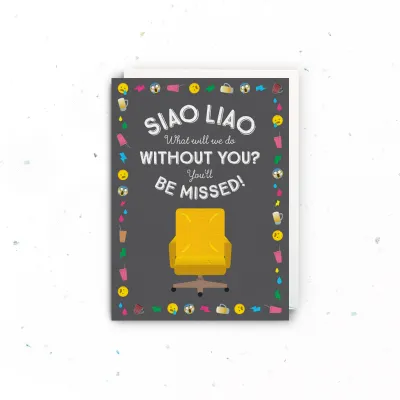

Prices are valid at publication and may change. Please refer to the product page for the latest price.
Typography plays a crucial role in establishing this handcrafted feel. Independent designers frequently use custom hand-lettering rather than standard digital fonts. This approach introduces charming irregularities, organic curves, and a sense of warmth that mimics a personal, handwritten note. The illustrations themselves often lean into a nostalgic or whimsical art style, utilizing soft color palettes, textured digital brushes, or traditional mediums like watercolor and colored pencils.
Beyond the visual design, the physical materials used in boutique stationery are a key part of their aesthetic appeal. High-quality independent cards often feature textured paper stocks, such as felt-marked or cotton-blend papers, which catch the light and feel substantial in the hand. Some creators elevate their designs further by incorporating traditional printing techniques like letterpress, which leaves a deep, tactile debossing on the paper, or metallic foil stamping that adds a subtle, elegant shimmer to key design elements.
Where to Discover Independent Card Designers in Singapore
Finding unique greeting cards requires exploring alternative retail spaces that actively champion local creative talent. Physical craft markets, weekend makers’ markets, and design festivals are among the best places to discover independent stationery designers. These events allow you to meet the illustrators in person, view their entire collections, and experience the tactile quality of the cards firsthand. Creative hubs, community spaces, and arts districts frequently host these pop-up markets throughout the year.

Curated lifestyle concept stores and independent bookshops are excellent year-round physical destinations. Located in historic neighborhoods such as Tiong Bahru, Haji Lane, and Joo Chiat, as well as dedicated arts complexes like Bras Basah Complex, these shops carefully curate their inventory. They often dedicate shelf space to local illustrators who print in small, limited-edition batches, ensuring that the cards you purchase remain rare and unique.
When searching online, avoiding massive global ecommerce platforms that prioritize bulk wholesale items is key to finding genuine artisanal work. Instead, focus on specialized online directories, local artist collectives, and independent design platforms. Many local creators run their own micro-online stores or showcase their portfolios on creative networks. Following local design hashtags on social media can also lead you directly to independent studios and self-published illustrators who manage their own small-scale distribution.
Evaluating Paper Quality and Artisanal Craftsmanship
To ensure a greeting card justifies its boutique positioning, you should evaluate its material specifications and construction. Start by inspecting the paper weight, which is measured in grams per square meter (GSM). Standard commercial cards are often printed on thin, flexible cardstock around 200 to 250 GSM. In contrast, premium boutique cards typically utilize heavy-weight cardstock ranging from 270 GSM to 350 GSM or higher, providing a rigid, luxurious feel that stands up beautifully when displayed on a shelf.
The texture of the paper also dictates how it interacts with different writing instruments. Smooth, coated papers can cause gel pens and fountain pen inks to smudge or pool, requiring extended drying times. Uncoated, textured papers—such as linen, laid, or cotton-blend stocks—absorb ink beautifully, offering excellent bleed resistance and a smooth writing experience. When purchasing, you can perform a quick visual check: look for a matte, non-reflective finish and a visible, organic fiber texture on the surface.
Authenticity is another critical factor when evaluating independent stationery. Genuine boutique cards almost always feature artist credits, a studio logo, or a brief story about the illustration printed discreetly on the back. This transparency ensures you are supporting an actual creator rather than purchasing a rebranded stock vector design. Additionally, examine the accompanying envelope; premium cards are paired with high-quality, heavy-weight envelopes made from kraft paper, recycled fibers, or color-matched textured paper, rather than thin, translucent white paper.
DIY and Semi-Custom Alternatives for a Handcrafted Feel
If you cannot find a ready-made card that perfectly matches your vision, creating a semi-custom or DIY card allows you to achieve a highly personalized, artisanal result. Start by sourcing high-quality blank cardstocks and specialty papers from dedicated art supply stores and paper merchants in Singapore. Choosing a heavy-weight, textured blank card in a warm off-white, cream, or kraft tone provides an excellent, professional-grade foundation for your project.
To replicate the tactile, handcrafted feel of boutique brands without advanced drawing skills, you can incorporate classic artisanal techniques. Hand-stamping with custom rubber stamps and archival ink pads creates a beautiful, slightly irregular print that feels distinctly human. You can also add a touch of elegance by using a wax sealing kit to seal the envelope, or by using a fine-tip calligraphy pen to hand-letter the recipient’s name on the front. When working with craft tools like utility knives for trimming paper or hot wax for seals, always work on a stable cutting mat in a well-ventilated space, and keep heated elements away from flammable materials.
For major milestones such as weddings, anniversaries, or corporate events, collaborating with a local freelance illustrator for a small-batch custom print is an exceptional alternative. Many independent designers are open to custom commissions, allowing you to co-create a design that incorporates personal memories, specific local landmarks, or custom portraits. This approach ensures your greeting card is a completely unique, one-of-a-kind piece of art that your recipient will cherish for years to come.
Frequently Asked Questions (FAQ)
How can I verify if a greeting card brand is truly independent and local?
You can verify a brand’s authenticity by looking for a transparent brand story on their website or packaging, which should detail the specific illustrator, design studio, or creative process behind the artwork. Genuine independent brands in Singapore often highlight their local roots, share behind-the-scenes glimpses of their design process, and maintain active partnerships with local physical boutiques or recognized craft markets. If a brand lacks an artist profile, uses highly generic imagery seen across multiple online storefronts, or does not disclose its design origins, it may be a mass-produced or rebranded wholesale product.
Are handcrafted greeting cards significantly more expensive than standard options?
Handcrafted and boutique greeting cards generally carry a modest premium over mass-produced, factory-printed options. This price difference reflects the higher costs of small-batch production, premium paper sourcing, specialized printing techniques like letterpress or foil stamping, and the manual labor involved in packaging and assembly. To balance your stationery budget, consider reserving highly detailed, premium handcrafted cards for close friends, family members, and major milestones, while utilizing simpler, elegant minimalist designs or high-quality multi-pack cards for larger group occasions.

Community discussion
Share your experience or ask a question. Comments are reviewed before publication.