
Selecting a reliable poster paint as a beginner in Singapore involves balancing cost, ease of use, and the specific requirements of your creative projects. Often referred to as tempera or school paint, poster paint is a water-based, opaque medium popular for its vibrant colors, quick drying times, and flat matte finish. The ideal choice for your toolkit depends on factors like pigment opacity, surface compatibility, and how easily the paint cleans up after a session. By understanding what to look for on product labels, how common student-grade brands compare, and how to perform simple quality checks at home, you can confidently select a set that supports your learning journey without causing unnecessary frustration.
Key Features to Check When Choosing Poster Paint
When browsing art supplies, look for labels that specify high opacity or excellent coverage. High-quality poster paint should dry to a solid, matte finish that completely hides any underlying pencil sketches or previous paint layers. Lower-grade paints often contain excessive fillers, which can make the dried paint look streaky, semi-transparent, or uneven on your paper.
The physical texture of the paint inside the container is a strong indicator of its quality. A suitable beginner paint should have a smooth, creamy consistency, similar to heavy cream. It should flow easily from the brush onto the paper without requiring heavy dilution. If the paint is too watery, it will pool and warp the paper; if it is too thick, it will drag and create unwanted texture.
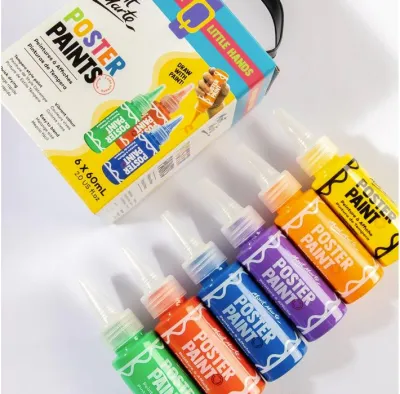
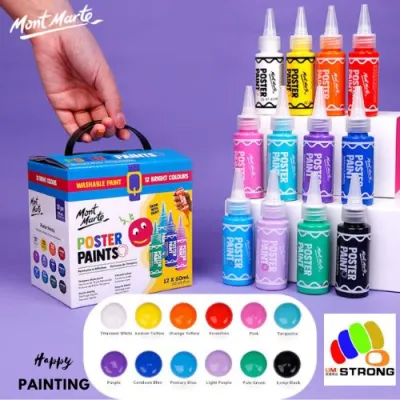
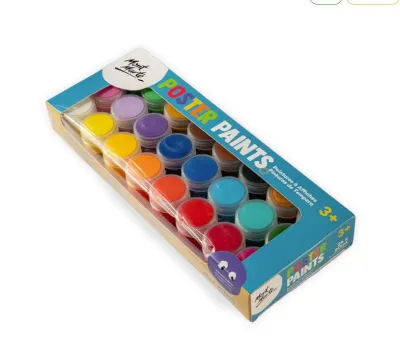
Products mentioned in this guide
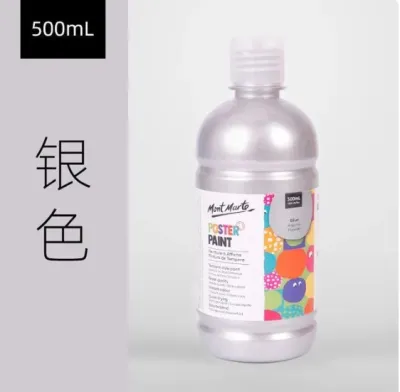
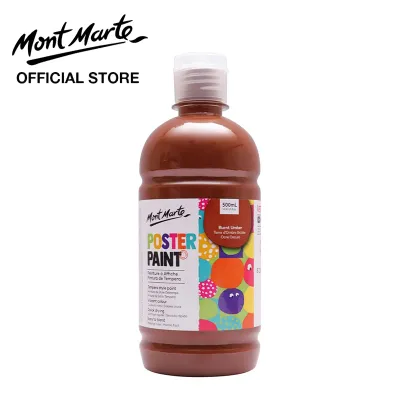
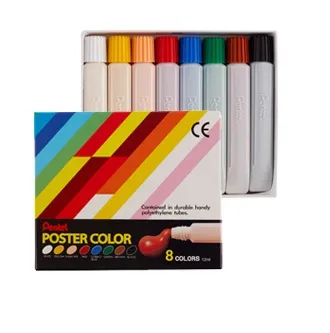
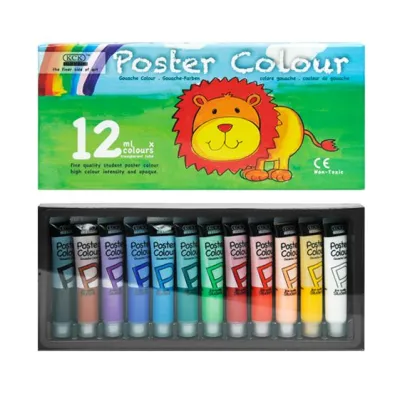
![[SG] Apli Textile Solid Poster Paint Color Sticks 6g 6pcs [Evergreen Stationery]](https://img.lazcdn.com/g/p/914348b07a925c23132c4d6453e6bb3a.png_400x400q80.png_.webp)
Prices are valid at publication and may change. Please refer to the product page for the latest price.
While professional artists prioritize lightfastness—the ability of a pigment to resist fading when exposed to light—student-grade poster paints are generally designed for temporary work, illustration practice, or school projects. However, some beginner-friendly brands still offer decent resistance to fading. Check the packaging for lightfastness ratings, often indicated by stars or letters, to ensure your practice pieces do not fade rapidly when displayed.
For beginners setting up a workspace at home, cleanup is an important practical consideration. Many student-grade poster paints are formulated to be water-soluble, meaning they can be easily cleaned from brushes, palettes, and skin using only water and mild soap. Verify the washable claim on the label, especially if you are working in a shared space or painting with younger family members.
Evaluating Common Poster Paint Brands for Beginners
In Singapore, stationery shops and neighborhood art stores frequently stock established brands like Pentel, Sakura, and Pelikan. These brands typically package their poster paint in glass jars or plastic squeeze tubes, often ranging from 15ml to 30ml per color. They are highly regarded for their reliable consistency, ease of mixing, and accessible price points, making them excellent entry-level options for learning color theory and basic painting techniques.

If you are looking for slightly more vibrant colors and a higher pigment concentration, premium student lines such as Koh-I-Noor or Royal Talens are worth considering. These paints often contain fewer chalky fillers, resulting in richer color mixing and a smoother application. While they carry a slightly higher price tag, they provide a closer experience to professional-grade gouache, helping you transition to advanced mediums more smoothly.
For large-scale projects, background washes, or group activities, buying poster paint in bulk bottles is a highly economical choice. Many local school supply brands offer these larger volumes, typically in 250ml or 500ml squeeze bottles. However, keep in mind the trade-offs: bulk paints often have a higher water content and lower pigment density, which can lead to a more transparent finish and longer drying times.
Before making a purchase, it is helpful to cross-reference brand claims with actual user experiences. Check local online marketplaces and art forums for feedback on how well the paint stores over time. Look for reviews mentioning whether the paint tends to separate in the jar, if the lids seal tightly to prevent drying, or if certain colors require multiple coats to achieve full opacity.
Practical Tests to Run Before Starting a Project
Before starting a major project, paint a small square of each color on a piece of scrap paper. This allows you to observe the true color of the paint, as many pigments undergo a slight color shift as they dry. It also lets you verify the opacity; try painting a single stroke over a black ink line to see how well the paint hides the mark underneath.
To evaluate the purity of the pigments, try mixing primary colors to create secondary colors like green, orange, and purple. High-quality student paints will produce clean, vibrant mixtures. If the paint contains too many cheap fillers or low-grade pigments, the mixed colors will quickly turn muddy, grey, or dull.
Poster paint is water-soluble even after it dries, which means applying a new layer can sometimes reactivate the layer underneath. Test this by painting a solid background block, letting it dry completely, and then painting a contrasting line over it. A good poster paint should allow you to layer colors with minimal bleeding or lifting of the base layer, provided you use a light touch and a relatively dry brush.
Inspect your paint containers carefully upon opening. If you notice a strong, sour odor, or if the paint has separated into a hard, unmixable cake at the bottom of the jar with a clear liquid on top, the product may be expired or spoiled. Additionally, if the paint dries into a highly chalky powder that easily rubs off the paper when touched with a dry finger, it indicates an insufficient amount of binder, and you should consider returning the product or switching brands.
Must-Have Accessories and Paper Pairings
Because poster paint is water-based, using standard printer paper will inevitably lead to severe warping, buckling, and pilling. To achieve the best results, pair your paint with heavy-weight paper of at least 200 gsm. Mixed media paper, watercolor paper, or thick poster board are excellent choices. A slight surface texture helps the paint grip the surface evenly.
Synthetic brushes made from nylon or polyester are highly recommended for poster paint. They are durable, maintain their springiness, and hold a moderate amount of water without becoming waterlogged. Avoid delicate natural hair brushes, as the heavy binders and pigments in student-grade poster paint can be difficult to clean out and may damage the fine hairs over time.
Non-porous plastic or ceramic palettes are ideal for mixing poster paint. They do not absorb the moisture from the paint, giving you more working time, and they can be easily washed clean under running water. Using a dual-compartment water cup is also highly beneficial: use one side to rinse the heavy pigment off your brushes and the other side to keep clean water for mixing and diluting.
Because dried poster paint remains sensitive to moisture, a single drop of water can ruin a finished piece. If you wish to protect your artwork, check the compatibility of spray-on fixatives or varnishes. Avoid brush-on water-based varnishes, as the physical brushing action and moisture will reactivate the paint and smear your design. Always test the spray on a scrap swatch first to ensure it does not alter the colors.
Where to Source Art Supplies Reliably
For the most reliable experience, consider visiting dedicated art supply stores in Singapore, such as those located in Bras Basah Complex or specialized stationery chains. Shopping in person allows you to physically inspect the jars for leaks, check the manufacturing dates if available, and seek advice from experienced staff who understand the local climate’s effect on art mediums.
If you prefer the convenience of online shopping, look for official flagship stores or authorized distributors on local e-commerce platforms. Purchasing from verified sellers reduces the risk of receiving counterfeit products, old stock that has dried out in storage, or paints that have been exposed to extreme temperatures during transit.
When your order arrives, inspect the packaging immediately. Ensure the safety seals are intact and the lids are tightly screwed on. In Singapore’s warm and humid climate, poorly sealed paint jars can quickly become breeding grounds for mold or dry out into unusable solid blocks. Store your paints in a cool, dry place away from direct sunlight to prolong their shelf life.
Take the time to compare prices across different local retail outlets and online marketplaces. A standard starter set of student-grade poster paint typically ranges from S$10 to S$30, depending on the brand, the number of colors included, and the volume of the individual containers. Be cautious of deals that seem unusually cheap, as they may indicate older stock or lower-quality formulations.
Frequently Asked Questions (FAQ)
Can I use poster paint on canvas or wood?
Poster paint is primarily formulated for paper and cardboard, as these porous surfaces allow the water-based binder to adhere effectively. While you can apply poster paint to stretched canvas or wood, the paint may not adhere well to non-porous or highly smooth surfaces, leading to flaking or peeling over time. To improve adhesion, apply a layer of acrylic gesso primer to the canvas or wood first. Always check the manufacturer’s label to see if they recommend their specific formula for alternative surfaces.
How do I prevent poster paint from cracking after it dries?
Cracking typically occurs when poster paint is applied too thickly or on a surface that flexes easily. To prevent this, avoid applying heavy, impasto-style layers; instead, build up color using thin, even coats. If the paint is naturally very thick, dilute it slightly with a few drops of water on your palette before applying it. Additionally, using rigid surfaces like thick poster board or heavy-weight paper prevents the support from bending, which is a common cause of cracking in dried paint layers.
What is the difference between poster paint and gouache?
While both are opaque, water-soluble mediums, they differ significantly in pigment quality and binder composition. Gouache is a professional-grade medium made with high-quality pigments and a gum arabic binder, resulting in a velvety finish, superior lightfastness, and excellent blending capabilities. Poster paint, on the other hand, is a student-grade medium that uses cheaper binders and contains more chalky fillers. This makes poster paint much more affordable and ideal for beginners practicing basic techniques, though it lacks the archival permanence and smooth blending of artist-grade gouache.
Community discussion
Share your experience or ask a question. Comments are reviewed before publication.