
Choosing the perfect flower card in Singapore involves matching a brand’s design aesthetic and paper quality with the specific emotional tone of your occasion. Whether you are celebrating a milestone birthday, sending a professional thank-you note, or offering formal sympathy, the right card acts as a tactile extension of your gift. In Singapore’s humid climate, selecting brands that use premium, durable paper stocks and moisture-resistant inks ensures your message remains pristine from the moment it is written to the moment it is opened.
Evaluating stationery brands requires looking beyond the surface illustration. By understanding the technical specifications of paper weight, print clarity, and envelope construction, you can confidently select a flower card that feels luxurious to hold and stands up to handling. This guide establishes clear criteria for assessing flower card brands and matching their styles to your specific gifting needs.
How to Evaluate Flower Card Brands for Quality and Design
To identify premium flower card brands, start by examining the paper weight, which is measured in grams per square meter (GSM). Standard greeting cards typically range from 250 GSM to 350 GSM. A card closer to 300 GSM or higher feels substantial, resists bending, and stands upright easily on a display shelf. Texture also plays a vital role in the tactile experience. Uncoated, textured papers—such as linen, felt, or cotton blends—offer an elegant, organic feel that complements botanical illustrations. Conversely, coated or semi-gloss papers make vibrant floral photographs pop but require careful pen selection to avoid smudging.
Products mentioned in this guide
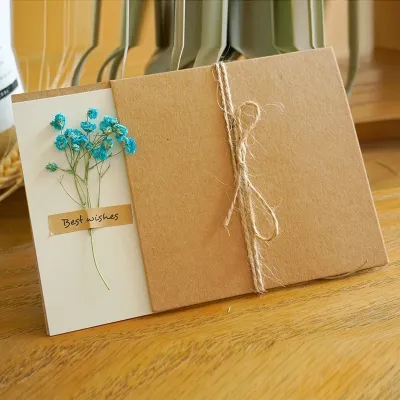
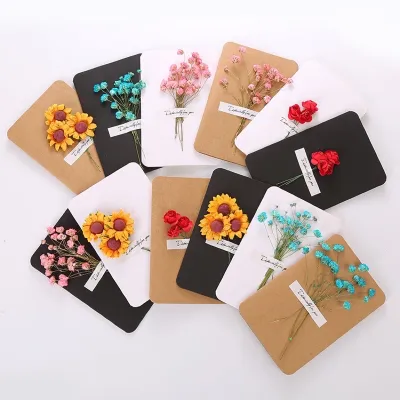
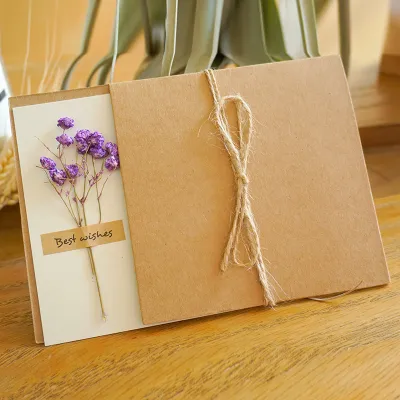
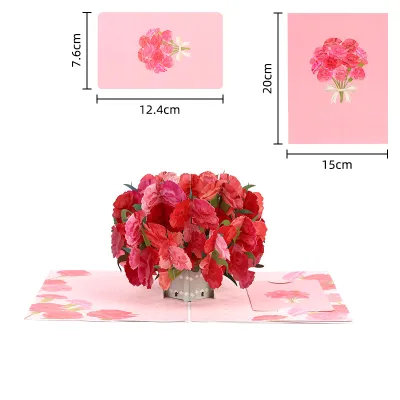
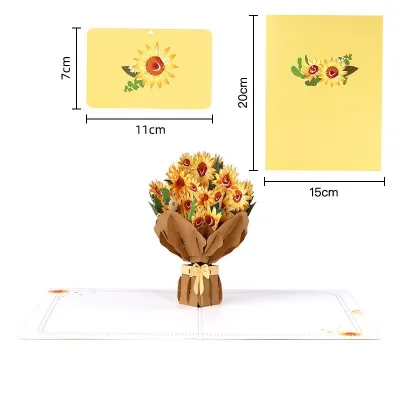
![[LIL BUBBA] 3D CARD POP UP BIRTHDAY CARD FLOWER BOUQUET CARD](https://img.lazcdn.com/g/ff/kf/Seb381a4491a349f3a0547f5504da57f56.jpg_400x400q80.jpg_.webp)
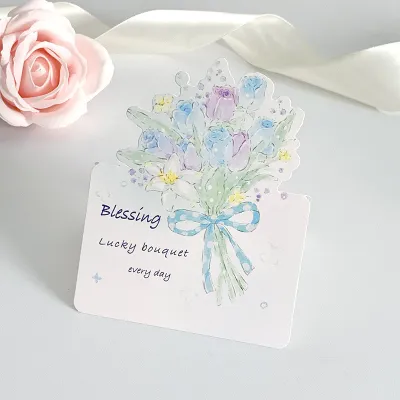
![[SG Seller] Cute Floral Aesthetic Thank You Cards Small Business Packaging Customer Appreciation Inserts Teachers](https://img.lazcdn.com/g/p/8c93e2fa1ebda49573d5c6607d86632e.jpg_400x400q80.jpg_.webp)
Prices are valid at publication and may change. Please refer to the product page for the latest price.
Print clarity and color accuracy are the hallmarks of a high-quality stationery brand. Inspect the card closely for sharp lines and smooth color gradients. In lower-quality prints, you may notice tiny halftone dots, blurry edges, or color bleeding where the ink has feathered into the paper fibers. Premium brands utilize advanced offset lithography or high-resolution digital printing presses that preserve the delicate details of watercolor washes, fine line art, and intricate botanical sketches without any registration errors or misaligned color layers.
An often-overlooked component of a premium flower card is the accompanying envelope. A high-quality brand will pair its cards with envelopes made from heavy paper stock, ideally between 100 GSM and 120 GSM, to ensure the card’s contents are not visible from the outside. Pay close attention to the seal. In Singapore’s high-humidity environment, traditional lick-and-seal gummed envelopes can sometimes stick prematurely or degrade in storage. Look for brands that offer self-adhesive peel-and-seal strips or supply thick, reliable gummed seals that remain secure until sealed manually.
Sustainability is increasingly important to modern consumers, and many premium stationery brands now highlight eco-friendly practices. To verify these environmental claims, look for official certifications on the product packaging, such as the Forest Stewardship Council (FSC) logo, which guarantees the paper is sourced from responsibly managed forests. Additionally, check if the brand utilizes post-consumer recycled paper or prints with non-toxic, soy-based or vegetable-based inks, which are much easier to recycle and have a lower environmental impact than traditional petroleum-based inks.
Matching Card Styles to Specific Gifting Occasions
Floral designs carry distinct emotional weight, dictated by their color palettes, illustration styles, and historical symbolism. A bright, sprawling bouquet of sunflowers conveys a completely different message than a single, minimalist watercolor orchid. To ensure your gesture is well-received, it is essential to align the brand’s design language with the specific event and the recipient’s relationship to you.

By categorizing flower card styles into distinct occasion types, you can streamline your selection process. Whether you need a joyful, interactive card for a family member’s birthday or a quiet, respectful design for a formal condolence message, understanding these stylistic boundaries will help you make an appropriate and impactful choice.
Birthdays and Personal Milestones
For celebratory events like birthdays, baby showers, and personal achievements, look for flower card brands that embrace vibrant, saturated color palettes and playful design elements. Warm tones like bright yellows, energetic oranges, and rich pinks naturally evoke feelings of joy and excitement. Whimsical floral patterns, bold botanical prints, and modern hand-lettered typography work exceptionally well for these personal milestones.
Interactive and novelty card formats are highly popular for celebrations. Many premium brands offer intricate 3D pop-up flower arrangements, laser-cut floral gates, or accordion-style fold-out structures. These cards double as beautiful decorative keepsakes that the recipient can display on a desk or shelf long after the celebration has ended.
When choosing a card for a close friend or family member, ensure the interior layout accommodates your writing style. If you plan to write a long, heartfelt message, look for brands that keep the interior completely blank and unlined, providing a clean canvas. If you prefer a short, punchy note, a card with a small, elegant interior floral motif can help frame your words beautifully without leaving too much intimidating empty space.
Thank-You Notes and Professional Greetings
Expressing gratitude in a professional or formal context requires a more refined, understated aesthetic. For these occasions, seek out brands that specialize in minimalist floral line art, delicate botanical sketches, or soft watercolor washes. Muted and neutral color schemes—such as sage green, dusty blue, taupe, and cream—maintain a sophisticated, respectful tone that is highly suitable for corporate clients, mentors, or colleagues.
Premium finishes can elevate a simple thank-you card into a memorable token of appreciation. Look for brands that incorporate subtle gold, silver, or copper foil stamping along the edges of the floral illustrations or within the typography. Embossing or debossing, which creates a raised or recessed texture on the paper, adds a luxurious tactile dimension that conveys professionalism and attention to detail.
Presentation is key when delivering professional greetings. Ensure the card is paired with a pristine, heavy-weight envelope. To add an extra touch of elegance, consider securing the envelope with a matching wax seal or a clean, branded sticker seal. The interior of the card should feature a clean layout with generous margins, allowing your message of thanks to stand out clearly without competing with busy background designs.
Sympathy, Get Well, and Formal Occasions
Sensitive occasions demand a thoughtful, quiet approach to floral design. When offering condolences, wishing someone a speedy recovery, or sending a formal message, opt for traditional floral motifs that carry respectful symbolism. White lilies, soft magnolias, pale blue hydrangeas, and simple green foliage like eucalyptus are universally recognized symbols of peace, hope, and remembrance.
In Singapore’s diverse multicultural landscape, it is important to be mindful of cultural associations with colors and flowers. For formal sympathy cards, avoid bright red flowers or overly festive patterns, as red is traditionally associated with celebration. Instead, stick to soft, calming pastel color palettes and neutral tones that offer comfort without drawing unnecessary attention.
Select cards made from exceptionally heavy, high-quality cardstock, such as 300 GSM cotton paper. The weight and texture of the paper itself convey a sense of care, sincerity, and solemnity. Avoid any designs that feature humorous text, cartoonish illustrations, or overly casual layouts. The interior should remain entirely blank or feature a very simple, comforting sentiment printed in a classic, legible serif font.
Where to Find and Verify Flower Card Brands in Singapore
To find the best flower card brands in Singapore, it is highly beneficial to combine physical shopping with online research. Visiting local stationery boutiques, independent bookstores, and lifestyle concept stores—particularly those located in cultural and shopping hubs like Bras Basah, Bugis, or Orchard Road—allows you to conduct a thorough physical inspection. Handling the cards in person is the only way to truly assess the rigidity of the cardstock, feel the texture of the paper, and observe how the colors look under natural light.
If you prefer the convenience of online shopping, you can browse official brand storefronts and curated online marketplaces. When shopping online, look for reputable sellers that provide detailed product specifications, including the exact GSM of the paper, the card dimensions, and the material of the envelope. Reading customer reviews can also provide valuable insights into how well the cards are packaged for delivery, which is crucial for preventing bent corners or moisture damage during transit.
When purchasing flower cards online, always verify the shipping timelines and return policies. If you are ordering cards for a specific upcoming event, ensure the seller can guarantee delivery well in advance. For corporate needs or large events, check if the brand offers bulk order capabilities or customizable options. Many boutique brands provide discounts for purchasing card sets or assortments, which is a cost-effective way to keep a variety of high-quality designs on hand.
Ultimately, both shopping methods have distinct advantages. In-store browsing is unmatched for tactile evaluation and immediate purchases, making it ideal when you need a single, perfect card for an occasion today. Online catalog browsing, on the other hand, offers an unparalleled variety of designs, access to international niche brands, and the ability to easily compare prices and bulk options from the comfort of your home.
Frequently Asked Questions (FAQ)
Can I use the same floral card design for both personal and corporate gifting?
Yes, you can use the same floral card design for both personal and professional recipients, provided you select a brand that features elegant, minimalist botanical illustrations. Designs showcasing simple watercolor eucalyptus branches, delicate gold-foiled leaf borders, or classic black-and-white floral line art are highly versatile. These sophisticated styles feel warm and personal to a close friend, yet remain sufficiently polished and respectful for a corporate client or business partner.
How do I prevent ink smudging on glossy flower cards?
Glossy coatings on greeting cards resist water-based inks, which can lead to frustrating smudges. To prevent this, write your message using a classic ballpoint pen or a specialized quick-drying permanent fine-liner designed for non-porous surfaces. Avoid using gel pens, rollerball pens, or fountain pens, as their slow-drying inks will pool on the glossy surface. After writing, leave the card open and undisturbed for at least two to three minutes to allow the ink to set completely before folding it or placing it inside the envelope.
Are there local Singaporean flower card brands that support sustainable practices?
Many independent design studios and boutique stationery brands based in Singapore are highly committed to eco-friendly production. To verify their sustainable practices, look for product descriptions or packaging labels that explicitly state the use of FSC-certified paper, 100% post-consumer recycled cardstock, or non-toxic soy-based inks. You can also visit the brand’s official website to read their sustainability policy, which often details their local printing partnerships and efforts to minimize plastic packaging.

Community discussion
Share your experience or ask a question. Comments are reviewed before publication.