
Selecting the ideal cashmere yarn in Singapore requires a careful balance of tactile appreciation, technical knowledge, and budget planning. Because our tropical climate makes heavy winter wear impractical, local knitters typically focus on lightweight, breathable projects like airy lace shawls, delicate cardigans for air-conditioned offices, or travel accessories. Navigating the market involves understanding how fiber specifications influence both the cost and performance of the yarn, allowing you to choose between pure luxury skeins and highly practical blended fibers that suit your specific project goals.
Understanding Cashmere Yarn Quality and Pricing Factors
The quality of cashmere is fundamentally determined by the physical dimensions of the fibers harvested from the undercoat of the cashmere goat. High-grade cashmere features a low micron count—typically ranging from 14 to 16 microns—which provides its signature next-to-skin softness. Staple length is equally critical; longer fibers (usually between 34 and 40 millimeters) are spun more securely into the yarn core, significantly reducing the likelihood of the fibers working loose and causing surface pilling over time.
The way the fibers are spun plays a major role in the yarn’s final texture and durability. Woolen-spun cashmere is crafted from shorter fibers that are carded but not combed, resulting in an airy, lofty yarn with a beautiful, fuzzy surface halo. While woolen-spun yarn is exceptionally warm and soft, it is more prone to pilling and has less structural strength. In contrast, worsted-spun cashmere uses longer fibers that are combed parallel before spinning, producing a sleek, smooth, and highly durable yarn with excellent stitch definition and a subtle natural luster. Worsted-spun yarns are highly recommended for intricate lace patterns or garments that require a clean, polished finish.
Products mentioned in this guide
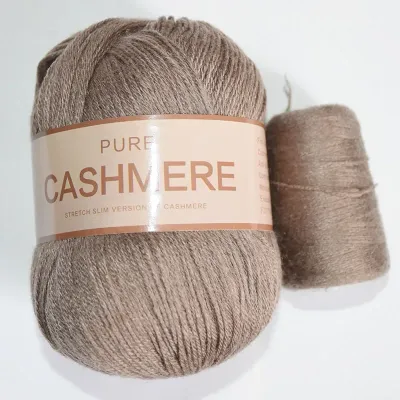
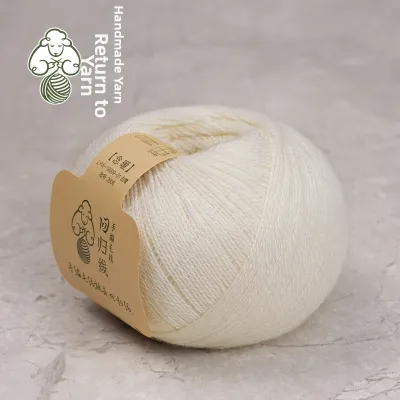
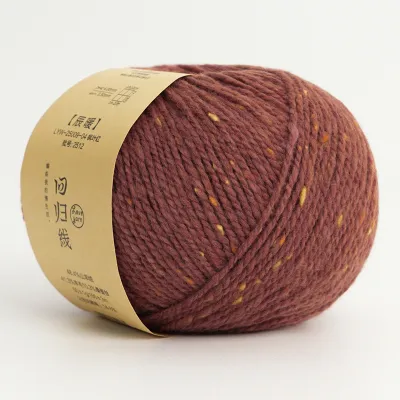
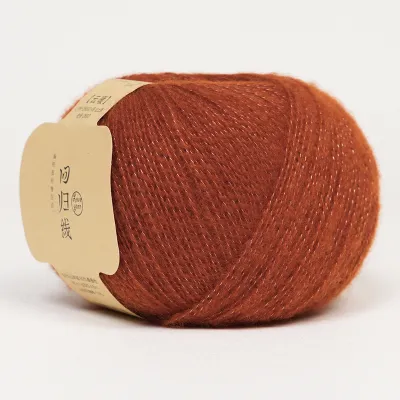
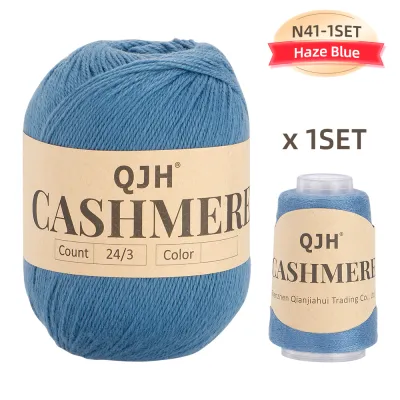
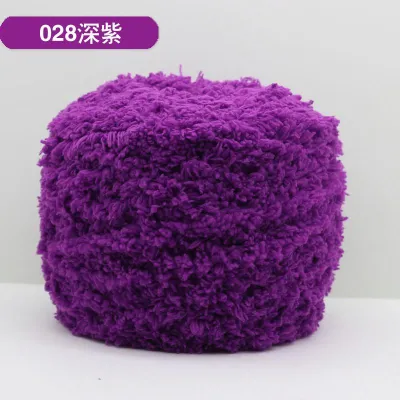
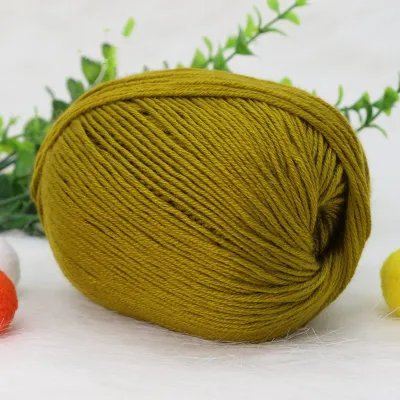
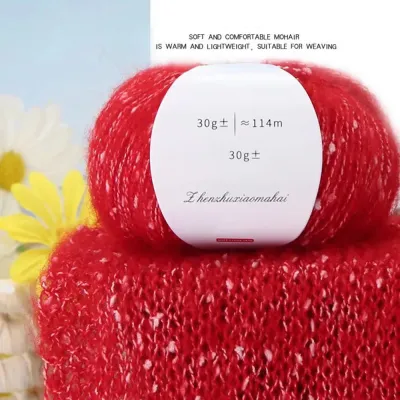
Prices are valid at publication and may change. Please refer to the product page for the latest price.
While 100% pure cashmere offers unmatched luxury, blending it with other fibers can enhance its performance and make it more suitable for daily wear. Merino wool is a popular blending partner because its natural crimp adds elasticity and structural memory, helping knitted garments retain their shape over time. Silk-cashmere blends introduce a brilliant sheen, incredible drape, and increased tensile strength, making them perfect for elegant, lightweight wraps. For Singapore’s warm climate, cotton-cashmere blends are exceptionally practical; they combine the cool breathability of cotton with the delicate softness of cashmere, resulting in a fabric that is comfortable to wear both indoors and outdoors.
Ply construction refers to the number of individual strands twisted together to form the yarn. A 2-ply lace weight yarn is incredibly fine and offers high yardage per gram, making it a cost-effective choice for delicate, openwork shawls. Thicker yarns, such as 4-ply fingering or worsted weight, require significantly more raw fiber to produce, which naturally increases the price per skein. When planning a project, calculating the required yardage rather than just looking at the weight of the skein helps you estimate the total cost accurately.
Navigating Price Tiers for Cashmere Yarn
Cashmere yarn is available across several distinct price tiers, each offering a different balance of luxury, durability, and value. Understanding these tiers helps you set realistic budget expectations for your knitting projects.

Budget-Friendly Options and Blends
For knitters working within a modest budget, blended yarns offer an excellent entry point into the world of luxury fibers. Blends containing 10% to 15% cashmere combined with high-quality merino wool or cotton provide a noticeable increase in softness without the premium cost of pure cashmere. These blends are highly versatile and durable, making them ideal for everyday accessories, socks, or larger garments that would otherwise be cost-prohibitive.
When shopping in this tier, it is essential to read the fiber content label carefully. Some budget-friendly yarns use clever marketing terms like “cashmere-soft” or “cashmere-like” to describe purely synthetic acrylic fibers. To ensure you are getting genuine value, verify that the label lists an actual percentage of cashmere fiber, and avoid products that do not clearly specify their material composition.
Mid-Range Pure Cashmere
The mid-range tier consists of 100% pure cashmere yarns produced by established commercial spinning mills. These yarns are typically woolen-spun, offering immediate softness and a classic, fluffy halo right off the skein. They are perfect for close-to-skin accessories such as cowls, scarves, or lightweight baby blankets where softness is the primary requirement.
In Singapore, sourcing mid-range cashmere involves comparing options from local brick-and-mortar boutique shops and official online brand stores. Local shops allow you to physically feel the yarn and verify its softness before buying, while online stores often provide a wider array of colors and weights. When purchasing online, remember to factor in international shipping fees and potential delivery delays to ensure a fair price comparison.
Premium and Artisan Cashmere
At the highest end of the spectrum are premium and artisan cashmere yarns, which are often hand-dyed, small-batch, or sourced from historic European and Japanese heritage mills. These yarns utilize the longest, finest grade-A cashmere fibers, which are frequently worsted-spun to ensure exceptional durability, drape, and stitch definition. They represent a significant investment but yield heirloom-quality garments that bloom beautifully after washing and last for decades with proper care.
Because of the high cost associated with premium cashmere, it is highly recommended to purchase a single skein or request a sample card from the manufacturer before committing to a large project. This allows you to knit a small swatch, test the fiber’s hand-feel, and verify that the color and drape meet your expectations before investing in a full sweater quantity.
How to Evaluate and Verify Cashmere Yarn Before Buying
Before purchasing cashmere yarn, performing a few simple physical inspections can help you verify its quality and ensure it matches your project’s needs. Start with a tactile and visual assessment: gently squeeze the skein in your hand. High-quality cashmere should feel instantly warm, incredibly soft, and possess a slight, springy resilience. Examine the twist of the yarn; a consistent, even twist indicates careful manufacturing, whereas uneven thick-and-thin spots can lead to weak spots in your knitted fabric. To test for potential pilling, gently rub a small section of the yarn between your fingers; if it immediately sheds loose fibers or forms tiny clumps, the yarn may pill excessively during wear.
Next, carefully read the care label and manufacturer specifications. Reputable brands will clearly state the exact fiber percentages, the country of origin, and recommended care instructions. True cashmere requires gentle hand-washing to maintain its structure and softness. Be cautious of yarns labeled as pure cashmere that claim to be machine-washable, as they may have been treated with heavy chemical coatings that strip the fiber’s natural characteristics over time.
Finally, always knit and block a gauge swatch before starting your main project. This is a crucial step for evaluating how the yarn behaves. Knit a square of at least 10 by 10 centimeters using your chosen needles and stitch pattern. Measure your stitch and row gauge, then wash and block the swatch according to the care instructions. This process allows the fibers to “bloom” or open up, revealing the fabric’s true drape, softness, and stitch definition. It also helps you check for colorfastness—ensuring the dye does not bleed—and verify if the fabric shrinks or stretches, preventing any unpleasant surprises once your garment is finished.
Where to Source Cashmere Yarn in Singapore
Sourcing cashmere yarn in Singapore can be done through both local physical stores and online channels, each offering distinct advantages. Visiting a local yarn shop (LYS) is highly recommended for physical inspection. It allows you to feel the yarn’s texture, compare colors accurately under natural light, and receive personalized advice from experienced staff regarding yardage requirements and pattern compatibility. Additionally, buying locally provides immediate stock availability, allowing you to start your project without delay.
For a broader selection of specialized brands, unique colorways, or specific yarn weights, online sourcing is an excellent alternative. When purchasing from official brand websites or authorized e-commerce platforms, pay close attention to shipping policies, delivery timelines, and return conditions. Keep in mind that international shipments entering Singapore may be subject to local Goods and Services Tax (GST) depending on the total value of the order, so be sure to calculate these potential costs into your overall budget.
When shopping online, watch out for red flags such as unauthorized third-party sellers offering “100% pure cashmere” at suspiciously low prices. These products are often mislabeled synthetic fibers or low-grade wool blends. If a seller cannot provide clear details about the yarn’s origin, fiber composition, or spinning mill, it is best to avoid the purchase to protect your investment and ensure a high-quality knitting experience.
Frequently Asked Questions (FAQ)
How can I tell if cashmere yarn is real without a lab test?
A reliable, non-destructive way to assess cashmere is through tactile observation: real cashmere warms up almost instantly against your skin and has a lightweight, airy feel with a subtle, delicate halo. If you have a small leftover snippet, you can perform a burn test in a safe environment. Snip a tiny piece of yarn and hold it to a flame using metal tweezers over a heat-safe dish. Real cashmere, being an animal fiber, will burn slowly, smell like burning hair, and leave behind a dark, easily crushable ash. Synthetic fibers will melt quickly, smell like burning plastic, and form a hard, uncrushable chemical bead.
Is it better to buy cashmere yarn in skeins or pre-wound balls?
For long-term storage, purchasing cashmere in traditional hanks or skeins is highly preferable. Keeping delicate cashmere fibers wound tightly into commercial balls or cakes for extended periods can stretch the yarn, causing it to lose its natural elasticity and bounce before you even begin knitting. However, if you plan to start your project immediately, pre-wound balls offer convenient, ready-to-knit preparation. If you buy skeins, use a yarn swift and a manual ball winder to wind the yarn gently into a loose cake just before you begin your project to prevent tangling and preserve fiber integrity.
How should I care for finished cashmere knits to prevent shrinking?
To preserve the size and softness of your finished cashmere garments, always hand-wash them in cool water using a mild, specialized wool or cashmere detergent. Avoid twisting, wringing, or agitating the fabric, as friction combined with water causes the delicate fibers to felt and shrink. Gently squeeze the soapy water through the fabric, rinse thoroughly in clean, cool water, and then lay the garment flat on a clean towel. Roll the towel up tightly to press out excess moisture, then unroll it and reshape the garment on a flat drying rack away from direct sunlight or heat sources. For minor pilling that occurs naturally over time, gently glide a specialized cashmere comb or a fabric shaver over the surface to remove loose fibers without damaging the underlying stitches.

Community discussion
Share your experience or ask a question. Comments are reviewed before publication.