
Crafting a personalized greeting card is a deeply rewarding way to show appreciation, celebrate milestones, or send warm wishes to loved ones. The foundation of any successful DIY card project lies in selecting the right blank cards. In Singapore’s vibrant crafting community, makers have access to a wide array of paper stocks, but choosing the wrong base can lead to warped designs, bleeding ink, or cracked folds. To ensure your handmade creations look professional and stand the test of time, you must evaluate key factors such as paper weight, texture, size, and compatibility with your chosen artistic medium.
By understanding how different paper characteristics interact with your tools, you can avoid common crafting pitfalls and elevate the quality of your work. Whether you are planning a simple handwritten note or an elaborate multi-layered masterpiece, taking the time to select the perfect blank card will make the entire creative process smoother and more enjoyable.
Understanding Paper Weight and Texture for DIY Cards
Paper weight is one of the most critical specifications to consider when selecting blank cards, as it directly determines the card’s stiffness, durability, and overall premium feel. Paper weight is globally measured in Grams per Square Meter (GSM), which represents the weight of a single sheet of paper measuring one square meter. Standard office printer paper typically ranges from 70 GSM to 80 GSM, which is far too flimsy to stand upright on a shelf and will easily buckle under the weight of embellishments. For a sturdy, self-standing greeting card, you should look for cardstock with a weight of at least 220 GSM, while 250 GSM to 300 GSM is generally considered the ideal range for a professional-grade finish.
Products mentioned in this guide
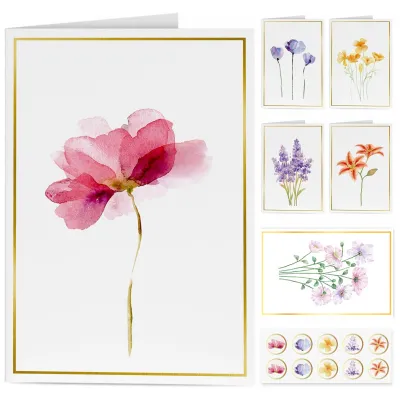
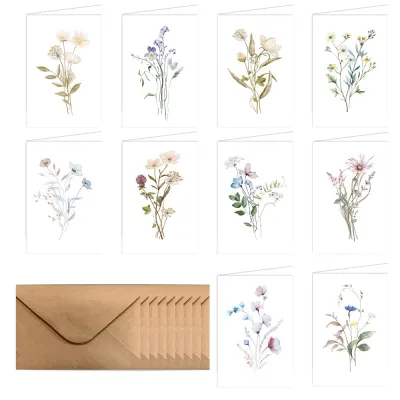
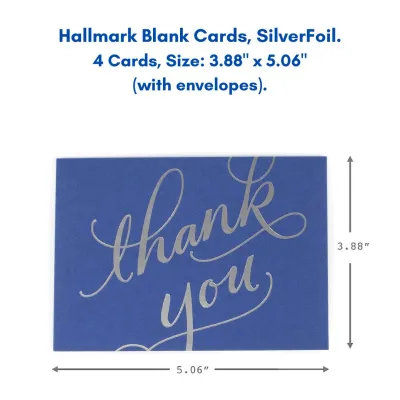
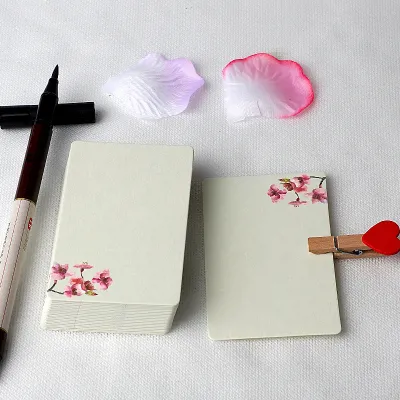
Prices are valid at publication and may change. Please refer to the product page for the latest price.
The surface texture of your blank cards also plays a significant role in both the visual appeal and the physical handling of your designs. Smooth cardstock, often referred to as hot-pressed or satin finish, offers an ultra-flat surface that is perfect for precise pen work, detailed stamping, and clean marker illustrations. Linen cardstock features a subtle, embossed crosshatch pattern that mimics the texture of woven fabric, lending an elegant, classic look to minimalist designs. Felt-finish paper has a soft, slightly dimpled texture that excels at grabbing dry pigments, making it highly suitable for colored pencils, pastels, or charcoal drawings. Handmade paper, which often features unique organic fibers and rustic deckled edges, provides a highly tactile, one-of-a-kind aesthetic that elevates simple greetings into keepsakes.
Before purchasing blank cards in bulk, it is highly recommended to perform a quick physical check of the paper’s grain and folding behavior. Every sheet of paper has a grain direction, which is the alignment of the wood fibers created during the manufacturing process. Folding paper parallel to the grain results in a clean, effortless crease, whereas folding against the grain forces the fibers to snap, resulting in a rough, cracked edge along the spine. You can easily identify the grain direction by gently bending a sample sheet of cardstock in both directions; the direction that offers the least resistance is parallel to the grain, which is where your fold line should ideally run.
Choosing the Right Size and Fold Format
Selecting the appropriate card size and fold format is essential for ensuring your design layouts look balanced and fit perfectly into standard envelopes. The most common size for DIY greeting cards is A6 (105mm x 148mm), which is created by folding an A5 sheet in half. This compact size is highly versatile, making it a popular choice for thank-you notes, holiday greetings, and quick personal messages. If you require a larger canvas for intricate illustrations, detailed calligraphy, or group signatures, A5 cards (148mm x 210mm, folded from A4) offer ample space without feeling overly bulky.

For more specialized layouts, square cards (such as 150mm x 150mm) provide a modern, artistic frame that works beautifully for centered designs or photographic prints. Another elegant option is the DL format (99mm x 210mm), which fits standard business-sized envelopes and is ideal for elongated designs, custom vouchers, or cash gifts. When choosing your card size, always verify that matching envelopes are readily available, as custom or non-standard card dimensions can make finding suitable envelopes incredibly difficult and expensive.
Additionally, you must decide between pre-scored blank cards and flat cardstock sheets. Pre-scored cards feature a machine-pressed indentation down the center, which guides the paper to fold in a perfectly straight, clean line without cracking the fibers. This is highly convenient for bulk projects like wedding invitations or holiday card sets. Flat cardstock, on the other hand, gives you complete freedom to design custom fold formats, such as gatefolds, tri-folds, or accordion cards, but requires you to manually measure and score the paper yourself using specialized tools.
If you plan to mail your finished creations, keep in mind that local postal services have strict size and weight limits for standard mail. In Singapore, standard regular mail must fit within specific dimensions and thickness limits to qualify for standard postage rates. Bulky cards with thick 3D embellishments, heavy ribbons, or wooden elements can easily exceed the maximum thickness limit (typically 6mm for standard mail), classifying your card as non-standard mail or a package, which requires higher postage. Always measure and weigh your completed card inside its envelope before heading to the post office.
Matching Card Stock to Your Crafting Medium
To prevent frustrating issues like ink bleeding, paper warping, or smudging, you must carefully match your blank card material to the specific crafting mediums you plan to use. Wet media, such as watercolors, gouache, acrylic paints, and heavy calligraphy inks, introduce a significant amount of moisture that standard cardstock cannot handle. When subjected to water, standard wood-pulp paper fibers expand unevenly, causing the card to warp, buckle, and develop unsightly pilling on the surface. For these techniques, you should opt for specialized watercolor cardstock, which is often made of a cotton blend and designed to absorb moisture evenly while keeping the paper flat.
Dry media, such as colored pencils, graphite, pastels, and markers, require a completely different set of paper characteristics. Alcohol-based markers, for example, tend to bleed through standard cardstock, feathering along the paper fibers and ruining the clean lines of your illustration. To achieve vibrant, crisp marker designs, look for ultra-smooth, bleed-resistant marker paper or heavy, high-density cardstock that prevents the ink from soaking through to the back of the card. If you enjoy brush lettering or fine-line pen drawings, a smooth, non-porous card surface will prevent your pen tips from fraying and ensure a consistent ink flow.
Before committing your final design to a blank card, it is always wise to conduct a simple compatibility test on a small scrap piece of the same paper. Apply a few strokes of your chosen pens, markers, or paints, and observe how the paper reacts over several minutes. Check the drying speed to ensure the ink does not smudge easily, and look closely for any signs of feathering, where the ink spreads outward like tiny spiderwebs. Turn the paper over to inspect the reverse side for bleed-through, which is especially important if you plan to write a message on the inside of the card.
It is also important to recognize the physical limitations of standard cardstock when working with heavy adhesives or dense layering. If you plan to build up your card design with multiple layers of paper, heavy cardstock cutouts, or 3D embellishments like buttons and beads, a lightweight card base will sag or collapse under the weight. For complex, multi-layered designs, always choose a heavy-duty card base of at least 300 GSM to provide a stable, rigid foundation that can support the weight of your creative additions without bowing.
Where to Source Blank Cards in Singapore
Finding high-quality blank cards and cardmaking supplies in Singapore is relatively easy if you know where to look, as the local market offers several distinct retail channels. Dedicated art supply stores are excellent for sourcing professional-grade paper sheets, watercolor blocks, and specialty cardstock that you can cut to your desired dimensions. These stores often carry premium international paper brands, making them the go-to destination for serious artists and calligraphers who require specific paper textures and weights.
For crafters who prefer pre-cut and pre-scored blank cards with matching envelopes, premium stationery boutiques and specialty paper merchants are ideal. These shops specialize in curated paper goods, offering a wide palette of colors, elegant textures, and unique finishes that are perfect for special occasions like weddings or anniversaries. If you are a beginner or working on a large-scale project with a tight budget, general craft shops and lifestyle department stores offer affordable, pre-packaged blank card sets in bulk, which are highly convenient for practicing your skills.
When deciding where to buy, consider the trade-offs between shopping in-store and ordering from online marketplaces. Purchasing your blank cards in-person allows you to physically feel the weight of the paper, inspect the texture, and verify the exact color under natural light, which eliminates any guesswork. Online marketplaces and e-commerce platforms offer unmatched convenience, a wider variety of imported brands, and cost-effective bulk packs. However, when buying online, you run the risk of receiving damaged paper with bent corners due to poor packaging, or cardstock that does not match the advertised GSM or color description.
To ensure a smooth purchasing experience, always verify the retailer’s return and exchange policies, especially when buying paper packs in bulk. Inspect your paper packs immediately upon delivery or purchase to check for consistent paper grain, uniform color across sheets, and any signs of moisture damage or creasing. If you are ordering a new type of cardstock online for the first time, consider purchasing a smaller sample pack first to test its compatibility with your crafting tools before investing in a larger quantity.
Essential Tools and Accessories for Cardmaking
While high-quality blank cards are the canvas of your project, having the right finishing tools is essential for achieving a clean, professional look. A bone folder is an indispensable, inexpensive tool with a dull, flat edge used to crease paper cleanly and press down folded edges without leaving shiny marks or transferring oils from your fingers. When paired with a scoring board and a scoring stylus, a bone folder allows you to measure and score precise, straight lines on flat cardstock, ensuring your cards fold perfectly every time. For cutting paper and trimming edges, a rotary paper trimmer or a precision utility knife paired with a heavy metal ruler will deliver much cleaner, straighter lines than standard household scissors.
When working with sharp cutting tools like utility knives or rotary cutters, safety should always be your top priority. Always perform your cutting on a self-healing cutting mat to protect your work surface and prolong the life of your blades. Keep your fingers well away from the cutting path, apply firm, steady downward pressure on your metal ruler to prevent it from slipping, and always retract or cover the blade immediately after making a cut. Store all sharp tools, cutting mats, and strong adhesives safely out of reach of children and pets when not in use.
Choosing the correct adhesive is another crucial factor in preventing your cards from warping or falling apart over time. Double-sided tape is the preferred choice for attaching flat paper layers, photos, or cardstock cutouts, as it provides a strong, instant bond without introducing any moisture that could cause the paper to wrinkle. For delicate die-cuts, intricate paper lace, or fine details, a fine-tip liquid glue or a glue pen allows for precise application; just remember to use it sparingly to avoid paper warping. Heavy or dimensional embellishments, such as ribbons, buttons, or metal charms, are best secured using strong glue dots or a specialized craft adhesive designed for mixed-media projects.
Singapore’s tropical, high-humidity climate poses a unique challenge for storing paper products and stationery. Excess moisture in the air can cause blank cards to warp, lose their crisp stiffness, or cause the adhesive on envelope flaps to activate and stick prematurely. To protect your cardmaking investment, store your blank cards, envelopes, and paper packs flat inside airtight plastic storage containers. Place several silica gel packets inside the container to absorb any trapped moisture, and keep the storage box in a cool, dry place away from direct sunlight and damp areas.
Frequently Asked Questions (FAQ)
Can I use standard printer paper for DIY greeting cards?
Standard printer paper, which typically ranges from 70 GSM to 80 GSM, is not suitable as a standalone base for greeting cards because it lacks the necessary rigidity to stand upright and will easily buckle under the weight of inks, markers, or adhesives. However, you can still utilize standard printer paper in your cardmaking projects for sketching out your initial design layouts, practicing your calligraphy strokes, or creating lightweight inner inserts where you can write your personalized message before gluing it neatly inside a sturdier card base.
How do I prevent cardstock from cracking when folding?
To prevent cardstock from cracking, you should always score the paper along the intended fold line before folding it, which compresses the paper fibers and guides them to bend smoothly. Use a scoring board and a bone folder to create a neat indentation, then fold the card away from the indented groove so that the groove sits on the outside of the fold. Additionally, try to fold parallel to the paper’s natural grain direction whenever possible, as folding against the grain significantly increases the likelihood of fiber tearing and cracking.
Are there eco-friendly blank card options available?
Yes, there are several sustainable options available for environmentally conscious crafters in Singapore. Look for blank cards made from recycled post-consumer waste, which helps reduce the demand for virgin wood pulp, or choose FSC-certified paper, which guarantees that the wood fibers were sourced from responsibly managed forests. For a highly unique and sustainable touch, you can also find plantable seed paper blank cards, which are handmade papers embedded with wildflower or herb seeds that the recipient can plant in soil after enjoying your card.
Community discussion
Share your experience or ask a question. Comments are reviewed before publication.