
Selecting an executive planner for 2027 requires a systematic evaluation of paper specifications, layout structures, and binding durability. Rather than relying on vague marketing terms like “luxury feel” or “premium quality,” professionals must look at measurable standards such as paper weight, surface treatment, and construction methods. Aligning these technical details with your daily writing instruments and scheduling habits ensures your planner remains a reliable tool throughout the year. A well-chosen planner not only keeps your schedule organized but also provides a tactile, friction-free writing experience that enhances daily productivity.
Defining Paper Quality for Professional Daily Use
Understanding paper weight is the first step in assessing a planner’s suitability for daily professional use. Paper weight is measured in grams per square meter (GSM), which indicates the density and thickness of the paper sheet. Standard office printer paper typically ranges from 70 to 80 GSM, which is highly susceptible to ink ghosting—where writing is visible on the reverse side of the page—and bleed-through, where ink physically penetrates the paper fibers. For executive planners, a weight range of 90 to 120 GSM is generally ideal, offering a robust physical barrier that ensures clean, legible pages on both sides while keeping the overall book thickness manageable.
However, weight alone does not determine how paper interacts with different inks; the surface finish and chemical sizing are equally critical. Sizing is a treatment applied during manufacturing to regulate the paper’s absorbency. Highly sized or coated papers resist liquid penetration, which prevents ink from feathering—spreading outward along the paper fibers to create fuzzy, illegible lines. This resistance is particularly important for fountain pens and wet gel pens, though it does result in longer ink drying times. Conversely, uncoated or lightly sized papers absorb ink rapidly, which minimizes smudging but increases the risk of bleed-through and feathering.
Products mentioned in this guide
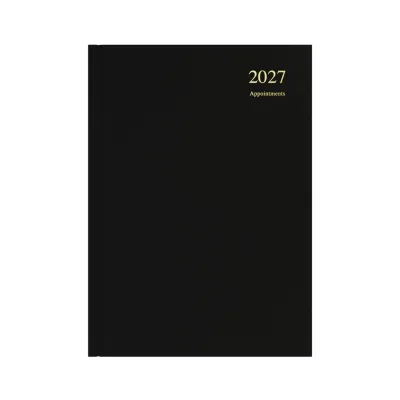
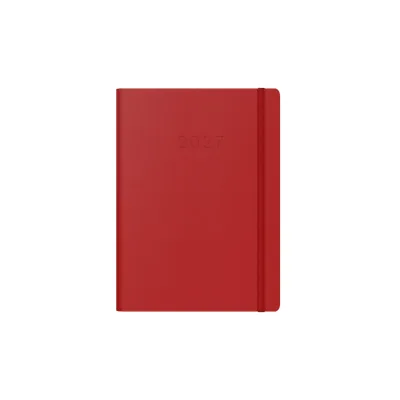
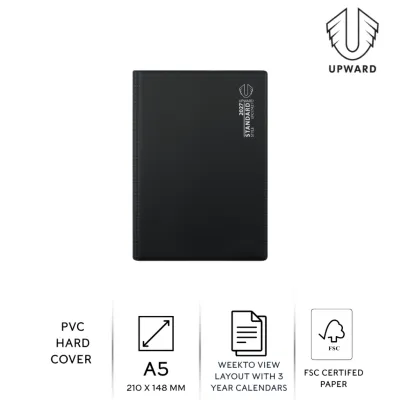
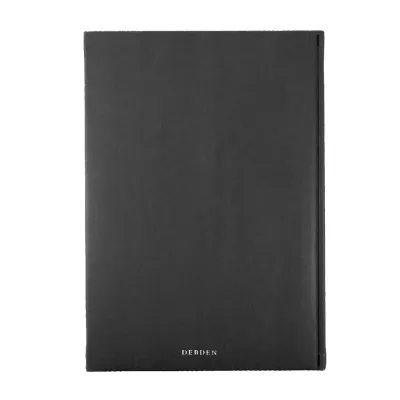
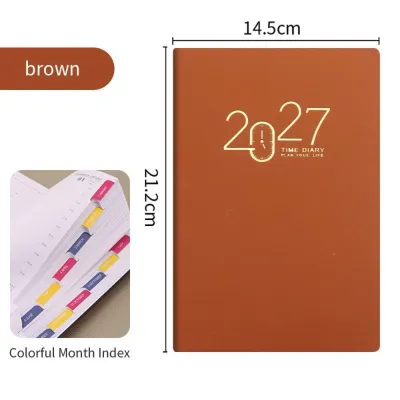
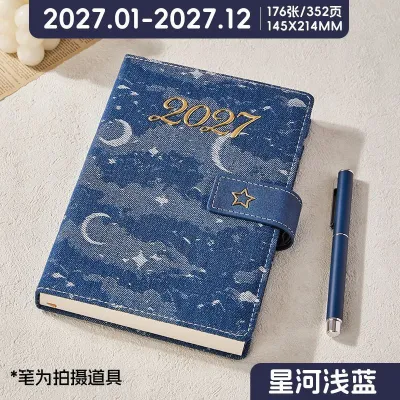
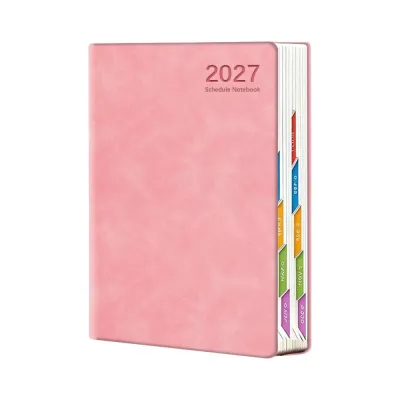
Prices are valid at publication and may change. Please refer to the product page for the latest price.
The shade of the paper also significantly impacts daily writing comfort and visual clarity. Bright white paper provides maximum contrast, making it easy to read fine print and color-coded notes, but it can reflect harsh glare under fluorescent office lighting, leading to eye strain over extended periods. Cream, ivory, or off-white shades offer a softer contrast that is gentler on the eyes during long planning sessions. When choosing a shade, consider your primary working environment and whether you prefer the crispness of high-contrast white or the warm, classic aesthetic of ivory pages.
Evaluating Professional Layout and Binding Features
A planner’s layout must directly support your daily executive workflow and cognitive style. Daily layouts dedicate an entire page, or sometimes a two-page spread, to a single day, often incorporating hourly or half-hourly scheduling grids alongside dedicated sections for task lists and meeting notes. This format is highly beneficial for managers with dense, meeting-heavy schedules who require detailed time-blocking and extensive space for daily action items.

Weekly layouts offer a broader perspective, allowing you to view an entire week’s commitments at a single glance. These are typically organized into vertical columns, which excel at hourly scheduling across the week, or horizontal blocks, which are better suited for general task lists and flexible note-taking. Many professional planners combine a weekly layout with a monthly overview, enabling you to balance immediate daily tasks with high-level project deadlines, travel schedules, and long-term strategic goals.
The structural integrity of a planner depends heavily on its binding method, which directly affects both durability and writing comfort. Section-sewn binding, also known as Smyth sewing, involves stitching folded groups of pages together with thread before securing them to the spine. This traditional method allows the planner to lie completely flat when opened, ensuring you can write comfortably right up to the inner margin, or gutter, without fighting a springing cover. Glued bindings, while common in budget notebooks, tend to resist lying flat and are prone to cracking or losing pages under the stress of daily, year-long use.
Beyond the core layout and binding, specific professional add-ons can significantly enhance a planner’s utility. Integrated ribbon markers allow you to flip instantly to the current day or week without searching through pages. Expandable back pockets provide a secure place to store loose receipts, business cards, or travel documents. Dedicated sections for project tracking, financial expense logs, and annual goal setting help consolidate your professional life into a single, organized volume.
How to Verify Paper and Layout Claims Before Buying
To avoid disappointment, look past generic marketing claims and scrutinize the manufacturer’s technical specification sheets. Reputable stationery brands publish detailed information about their paper, including the exact GSM, the specific paper mill of origin, and environmental certifications such as FSC (Forest Stewardship Council) compliance. Additionally, check if the paper is designated as acid-free or archival-grade, which guarantees that the pages will not yellow, become brittle, or degrade over time, preserving your professional records for years to come.
Sourcing independent feedback from the global stationery community is an excellent way to verify how a planner performs in real-world conditions. Online forums, specialized stationery blogs, and video reviews frequently feature detailed ink tests on popular planner papers. These reviews often showcase close-up photographs of the paper’s reaction to various writing instruments, detailing dry times, feathering tendencies, and the degree of ghosting on the reverse side. Paying attention to these community-led tests helps you anticipate how your preferred pens will behave on the planner’s pages.
Once your planner arrives, perform a controlled writing test on the back pages before committing to using it for the entire year. Most high-quality planners include a few blank notes pages at the end of the book, which serve as an ideal testing ground. Write a few sample lines using every pen, marker, and highlighter you use in your daily work. Allow the ink to dry naturally to evaluate the drying speed, inspect the edges of the letters for any signs of feathering, and turn the page to check for bleed-through or excessive ghosting. This simple verification step ensures the paper meets your professional standards before you begin filling the calendar.
Matching Planner Formats to Your Executive Workflow
Selecting the physical size of your planner requires balancing your need for writing space with your daily mobility habits. Larger formats, such as A4 or B5, are excellent for desk-bound executives who take extensive notes during meetings and require a comprehensive overview of complex projects. These larger pages provide ample room for detailed mind mapping and structured scheduling, but their size and weight make them less convenient for carrying between meetings or during business travel.
For professionals who are constantly on the move, compact formats like A5 or A6 offer superior portability. The A5 size is widely considered the industry standard for executive use, providing a highly functional balance of writing area and portability that fits easily into most briefcases, messenger bags, and backpacks. The highly compact A6 size is ideal for quick task tracking, rapid logging, and capturing spontaneous ideas, fitting comfortably into a jacket pocket or small travel bag.
The choice of cover material also plays a significant role in the planner’s durability and overall weight. Hardcover planners provide a rigid, stable writing surface that allows you to take notes comfortably on your lap or while standing, and they offer maximum protection for the pages inside. Softcover planners are lighter and more flexible, making them easier to slide into crowded bags, though they may show signs of wear and corner curling more quickly. Refillable systems, which utilize ring mechanisms or disc bindings, allow you to retain a durable outer cover while swapping out the paper inserts as needed, offering a highly customizable and sustainable planning solution.
Building Your 2027 Planner Shortlist
To build an effective shortlist for your 2027 executive planner, begin by prioritizing your non-negotiable functional requirements over aesthetic extras. If your daily workflow relies heavily on a specific writing instrument, such as a fountain pen, paper compatibility must be your primary filter. Similarly, if your schedule is dictated by hourly appointments, eliminate any planners that do not offer a structured vertical weekly layout. By focusing strictly on these core functional elements, you can quickly narrow down a vast market of options to a few highly suitable candidates.
When sourcing your shortlisted planners, purchase directly from specialized stationery retailers, official brand boutiques, or authorized distributors. These specialized sellers are more likely to provide accurate, detailed technical specifications and store their inventory in climate-controlled environments to prevent paper warping. Buying from reputable sources also guarantees that you receive an authentic product, protecting you from counterfeit planners that often use inferior paper and low-quality bindings.
Finally, allocate your budget toward the functional core of the planner rather than superficial cover designs or brand prestige. High-quality executive planners typically range from S$30 to S$80, depending on the size, paper specifications, and binding complexity. Investing in a planner with exceptional paper quality and a durable, section-sewn binding will consistently deliver a superior daily writing experience, ensuring your planning tool remains intact and reliable throughout all of 2027.
Frequently Asked Questions (FAQ)
Does a higher paper weight always prevent ink bleed-through?
No, paper weight alone does not guarantee resistance to ink bleed-through. While a higher GSM indicates a thicker sheet that physically blocks light and ink from showing through, the paper’s surface sizing and chemical coating play a critical role. Sizing controls how quickly the paper absorbs liquid. A lightweight paper with specialized sizing can resist bleed-through and feathering from wet fountain pen inks exceptionally well, whereas a heavy, unsized paper might absorb ink like a sponge, causing significant feathering and bleed-through.
Are refillable leather covers worth the investment for executive planning?
For many professionals, a high-quality refillable leather cover is a highly practical long-term investment. While the initial cost of a genuine leather cover is higher than a standard disposable planner, it offers superior durability and develops a professional, unique patina over years of daily business use. Annually, you only need to purchase the paper refills, which is often more cost-effective over a three-to-five-year period than buying a completely new premium bound planner each year. Additionally, refillable systems allow you to customize your layout, mixing calendar pages with blank, lined, or grid paper to match your changing executive workflow.
Community discussion
Share your experience or ask a question. Comments are reviewed before publication.