
Selecting your first sewing machine is an exciting milestone, but the process can quickly become overwhelming when navigating the variety of brands and models available in Singapore. For a beginner, a reliable machine is not just one that functions well out of the box; it is a tool that minimizes frustration, offers intuitive controls, and is backed by accessible local support. Investing in a brand with a strong local presence ensures that you can easily find assistance, accessories, and servicing as you develop your skills.
In Singapore’s unique retail and environmental landscape, brand reliability takes on practical dimensions that go beyond global reviews. Factors such as tropical humidity, compact living spaces, and the availability of authorized service centers play a significant role in how much value you get from your machine over time. By focusing on established brands that maintain dedicated local distribution networks, you safeguard your investment and ensure a smoother learning curve.
Evaluating a brand’s reliability requires looking at the ecosystem surrounding the machine. A quality sewing machine should last for years, but its longevity depends heavily on how easily it can be maintained, repaired, and upgraded within Singapore’s local market.
Products mentioned in this guide
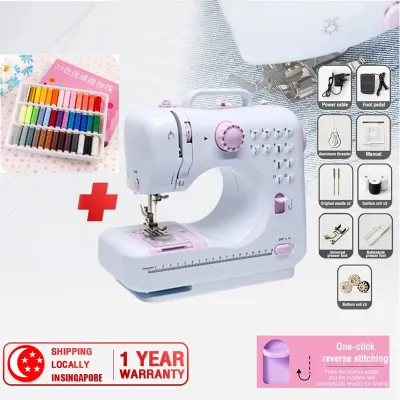
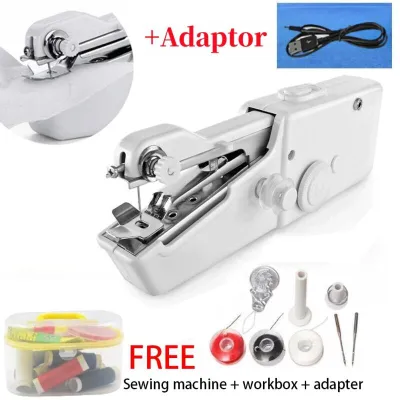
Prices are valid at publication and may change. Please refer to the product page for the latest price.
Defining Brand Reliability for Beginner Sewists
When assessing sewing machine brands, the presence of local authorized service centers and trained technicians is the most critical factor. Many entry-level machines are sold online at attractive prices, but if the brand lacks an official service center in Singapore, a minor mechanical issue can render the machine useless. Authorized service centers employ technicians who are specifically trained to calibrate and repair that brand’s mechanisms, ensuring that repairs are done using genuine parts rather than generic substitutes.
Long-term availability of replacement parts, presser feet, and consumables is another hallmark of a reliable brand. As a beginner, you will eventually want to expand your capabilities by experimenting with different techniques, such as sewing zippers, gathering fabric, or creating blind hems. Brands with robust local distribution ensure that specialized presser feet, replacement bobbin cases, and compatible needles are readily available at local haberdasheries or official brand boutiques, saving you from expensive international shipping fees.
Furthermore, reliable beginner brands invest heavily in educational resources and community support. A user manual that is poorly translated or lacks clear diagrams can stall your progress before you even thread the needle. Trustworthy brands provide comprehensive, clear documentation, official video tutorials, and step-by-step project guides tailored to novices. Some brands also partner with local sewing schools or community clubs in Singapore, offering introductory classes that help you get acquainted with your specific model.
Finally, the physical build quality of the internal components determines how well the machine handles different fabric weights. While external casings are almost universally plastic, the internal frame should ideally be constructed of heavy-duty metal. Brands that maintain high manufacturing standards even in their entry-level models produce machines that do not shake or skip stitches when sewing thicker fabrics like denim or canvas, which are common in beginner projects like tote bags.
Key Features That Simplify the Learning Curve
As you compare reliable brands, understanding the distinction between mechanical and computerized controls will help you choose a machine that matches your comfort level. Mechanical sewing machines rely on physical dials and levers to select stitches and adjust lengths. They are highly durable, straightforward to troubleshoot, and offer a tactile learning experience that helps beginners understand the mechanics of stitch formation.

Computerized sewing machines, on the other hand, utilize microprocessors to control needle movement and feed dog timing. These models often feature LCD screens, push-button stitch selection, and automatic tension adjustments. For a beginner, a computerized machine can reduce errors by automatically setting the correct stitch width and length, and many models include safety features that prevent the machine from running if the presser foot is still raised.
Automated conveniences are highly valuable for reducing early-stage frustration. An automatic needle threader is a feature that saves significant eye strain and time, allowing you to thread the needle eye with a simple lever mechanism. Similarly, a top drop-in bobbin system with a clear plastic cover is far easier to manage than a traditional front-loading metal bobbin case. The clear cover allows you to monitor how much thread is left on the bobbin at a glance, preventing you from running out of thread mid-seam.
While it is tempting to choose a machine with hundreds of built-in stitches, beginners rarely use more than a handful of utility stitches. A reliable beginner machine should focus on stitch quality rather than quantity. The essential stitches you will need include a straight stitch for basic seams, a zigzag stitch for finishing raw edges, a stretch stitch for knit fabrics, and a reliable buttonhole stitch. A machine that executes these basic stitches flawlessly is far more valuable than one that offers dozens of decorative patterns but struggles with basic seam tension.
Verifying Local Support and After-Sales Service in Singapore
Before finalizing your purchase, it is essential to verify the actual after-sales support infrastructure of the brand within Singapore. Do not rely solely on marketing claims; instead, research the physical locations of the brand’s authorized repair centers. Many official distributors operate service centers in central or industrial areas such as Ubi, Geylang, or Commonwealth. Check their operating hours to ensure they are accessible to you, as some centers may only operate during standard weekday office hours.
Understanding the specific terms of the manufacturer’s warranty is crucial for protecting your purchase. In Singapore, official warranties typically range from one to two years, covering manufacturing defects and internal mechanical failures. However, you must read the fine print to understand what actions might void this coverage. Using non-brand-approved accessories, attempting self-repairs on complex internal components, or using a domestic machine for commercial purposes are common reasons warranties are invalidated.
Inquire about standard servicing turnaround times, especially if you plan to use your machine regularly for school projects or hobby businesses. During peak periods, such as the lead-up to festive seasons, servicing times at major centers can stretch to several weeks. While premium brands or specialized independent dealers may occasionally offer loaner machines during extended repairs, this service is rarely standard for entry-level models, making quick local repair turnaround times even more critical.
Additionally, consider the impact of Singapore’s tropical climate on your machine’s maintenance needs. High relative humidity can cause internal lubricants to degrade or attract dust, leading to stiff mechanisms or rust on un-oiled metal parts. Brands with active local distributors often provide specific advice on how to store and maintain their machines in humid environments, such as using protective dust covers and applying sewing machine oil to designated points as recommended in the manual.
Where to Buy and How to Verify Authenticity
To guarantee that your machine is covered by a valid local warranty, you must purchase it through legitimate retail channels. Authorized specialty sewing dealers are often the best option for beginners. These dealers specialize exclusively in sewing equipment, meaning their staff can provide expert advice, demonstrate machine operations, and help you compare models side-by-side. Many of these specialty shops also bundle their machines with complimentary introductory lessons.
Brand flagship stores and official boutiques located in major shopping centers offer another secure purchasing route. While department stores and general craft retailers also stock beginner sewing machines, their sales staff may not possess specialized knowledge about sewing mechanics. If you choose to buy from a general retailer, ensure they provide the official local distributor’s warranty card inside the box, which you must register online within the specified timeframe.
When shopping on major e-commerce platforms, extra vigilance is required to avoid parallel imports or counterfeit products. Always look for official brand store badges or verified local seller indicators. Read customer reviews carefully, paying close attention to feedback regarding the inclusion of a Singapore three-pin plug and a local warranty registration card. If a price seems unusually low compared to authorized dealers, it is highly likely a parallel import.
Buying a parallel import carries significant risks that outweigh the initial cost savings. These machines are often configured for different regional voltages; for example, a machine intended for the North American market operates on 110V, whereas Singapore’s electrical grid uses 230V. Plugging a 110V machine directly into a Singapore outlet without a heavy-duty step-down transformer will permanently damage the motor and pose a serious electrical hazard. Furthermore, local authorized service centers will routinely refuse to repair parallel imports, leaving you without technical support if the machine malfunctions.
Frequently Asked Questions (FAQ)
Do I need a computerized sewing machine as a beginner?
You do not strictly need a computerized sewing machine to start learning. Mechanical sewing machines, which typically range from S$150 to S$350 in Singapore, are highly capable, durable, and more than sufficient for learning basic sewing, garment construction, and simple home decor projects. They are also generally less expensive to service and maintain over time because they lack delicate electronic circuit boards.
However, if your budget allows for a computerized model—which generally starts around S$400 to S$800—you will benefit from features that make sewing less intimidating. Computerized machines offer precise speed control sliders, which allow you to set a maximum sewing speed regardless of how hard you press the foot pedal. They also feature automatic needle up/down programming and precise buttonhole sensors that create consistent buttonholes in a single step, which can greatly assist a beginner in achieving professional results.
How often should a beginner sewing machine be professionally serviced?
For a beginner using their machine for light to moderate hobby sewing, a professional service once every 12 to 18 months is generally sufficient to keep the internal mechanisms running smoothly. However, you should not rely solely on a calendar schedule; instead, monitor your machine for observable signs that indicate a need for professional attention. These signs include unusual grinding or clunking noises, persistent thread jamming despite re-threading, skipped stitches, or uneven tension that cannot be corrected by adjusting the tension dial.
Between professional services, you should perform basic routine maintenance at home after every major project. This involves turning off the machine, removing the needle plate, and using a small lint brush to clear out accumulated fabric dust and thread fibers from around the bobbin case and feed dogs. In Singapore’s humid climate, lint can absorb moisture from the air and clump together, which can stiffen the moving parts and affect stitch quality if left uncleaned.
Community discussion
Share your experience or ask a question. Comments are reviewed before publication.