
Finding the perfect happy anniversary card in Singapore requires looking beyond the surface design to evaluate the physical craftsmanship, the tone of the message, and the reliability of the brand. Whether you are celebrating a paper anniversary or a golden milestone, the right card acts as a tangible keepsake of your shared journey. To make an informed choice, you must navigate a diverse market that spans heritage international publishers, boutique local design studios, and curated lifestyle retailers. By focusing on observable quality indicators—such as paper weight, print finish, and ink compatibility—you can select an anniversary card that beautifully conveys your sentiments and stands the test of time.
Evaluating Paper and Print Quality
The tactile experience of receiving a card is heavily determined by its physical construction. When evaluating potential options, the first element to inspect is the paper weight, typically measured in grams per square meter (gsm). A premium greeting card should ideally utilize cardstock of at least 250 gsm, though 300 gsm or higher is preferred for a truly substantial feel. This thickness ensures the card can stand upright on a shelf or mantelpiece without bowing or warping over time. Additionally, heavier cardstock prevents ink from bleeding through to the back, preserving the clean appearance of your handwritten message.
Texture also plays a critical role in both aesthetic appeal and writing comfort. Matte and uncoated papers offer a classic, organic feel and are highly receptive to various ink types, while textured papers, such as felt-marked or linen-finish cardstock, add a sophisticated, tactile dimension. Conversely, high-gloss finishes can make writing difficult and are prone to fingerprint smudges. Smoothness, bleed resistance, and drying speed depend entirely on the exact combination of paper fibers and ink, making a quick physical check highly beneficial.
Products mentioned in this guide
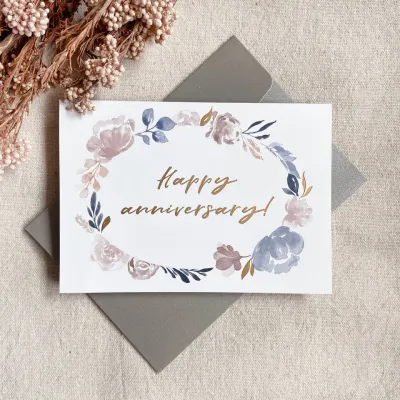
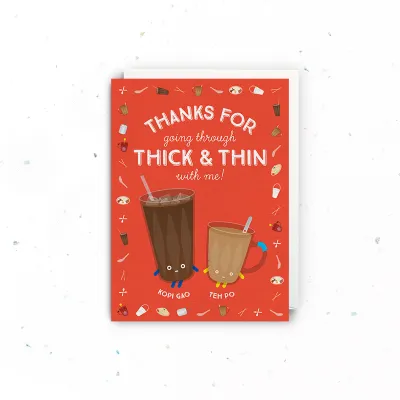
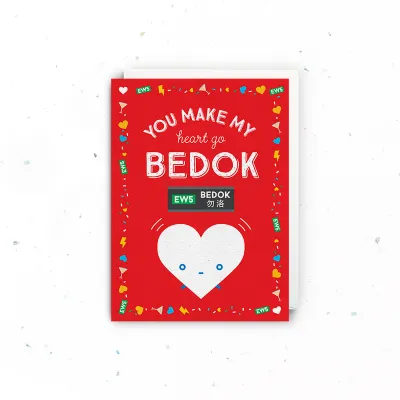
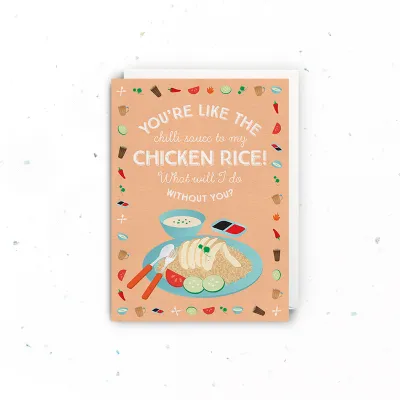

Prices are valid at publication and may change. Please refer to the product page for the latest price.
Beyond the paper itself, inspect the print clarity and embellishments. High-quality cards feature crisp, sharp lines and vibrant colors without any visible pixelation or color registration errors. Premium finishing techniques, such as metallic foil stamping, deep embossing, or spot UV (a glossy coating applied to specific design elements), elevate the visual impact and signal a high level of craftsmanship.
Finally, do not overlook the envelope. A premium card should always be paired with a matching envelope of complementary weight—ideally 100 gsm or higher. The envelope must fit the card precisely, allowing it to slide in and out smoothly without catching, while remaining thick enough to keep the contents private until opened.
Navigating the Greeting Card Brand Landscape
Singapore’s greeting card market is broadly divided into three distinct tiers: international heritage brands, local independent design studios, and curated lifestyle collections. Each tier caters to different aesthetic preferences, budgets, and relationship milestones. Prices generally range from S$4 for standard mass-market designs to S$15 or more for intricate, hand-finished artisanal creations. Because retail inventory and brand availability fluctuate throughout the year, it is highly recommended to verify current stock levels, especially when planning for a specific anniversary date. Understanding the strengths of each brand category allows you to narrow down your search efficiently.

International and Heritage Brands
International heritage brands are the mainstays of the greeting card industry, widely recognized for their traditional designs and consistent manufacturing standards. These cards are readily available across Singapore in major bookstores, department stores, and high-street stationery shops. Because they are produced on a global scale, these brands offer highly reliable print quality, precise die-cuts, and standardized sizing that fits standard postal requirements perfectly.
The primary appeal of heritage brands lies in their broad, classic sentimentality. They excel at traditional anniversary themes, featuring elegant floral arrangements, classic typography, and pre-printed verses that express heartfelt, widely relatable emotions. This makes them an excellent choice if you prefer a formal tone or if you find it challenging to articulate your feelings, as the pre-written messages are carefully crafted to suit various relationship dynamics. Furthermore, their widespread physical availability makes them the most convenient option for last-minute shoppers who need to inspect and purchase a card immediately.
Local Independent Designers and Studios
For those seeking a more distinctive and personalized touch, Singapore’s local independent designers and boutique studios offer an exceptional alternative. These homegrown creators bring a fresh, contemporary perspective to anniversary cards, often incorporating bespoke hand-drawn illustrations, modern typography, and a healthy dose of localized humor or cultural references that resonate deeply with couples living in Singapore.
Artisanal studios typically prioritize high-end, sustainable materials, often sourcing unique textured papers, recycled cardstock, or hand-mixed inks. Because their production runs are much smaller than those of global heritage brands, these cards feel exclusive and unique, making them excellent keepsakes. You can find these boutique creations in independent stationery shops, local craft markets, and directly through the designers’ official online storefronts. Choosing a local independent brand not only provides you with a standout design but also supports the local creative community, offering a card that feels genuinely personal and thoughtfully curated.
Reliable Channels to Buy Anniversary Cards
When shopping for a happy anniversary card in Singapore, choosing the right purchasing channel depends on your timeline, your desire for physical inspection, and the specific style you want.
Physical retail stores, such as major bookstore chains and dedicated stationery boutiques, remain the most reliable option for immediate purchases. Shopping in person allows you to perform a hands-on quality check. You can feel the weight of the cardstock, verify the texture, inspect the print alignment, and ensure the envelope is sturdy and matches the card perfectly. Physical stores also eliminate shipping wait times and the risk of transit damage, making them ideal if your anniversary is just a few days away.
On the other hand, digital channels—including official brand websites and established online marketplaces—offer an unparalleled variety of niche, artistic, and customizable designs that you are unlikely to find on physical retail shelves. Online shopping allows you to browse hundreds of options from the comfort of your home, filtering by style, price, and theme.
However, buying cards online requires careful planning to avoid logistical issues. Always check the seller’s delivery lead times, especially if the card is being shipped from an international warehouse or if it is a custom-made item. Factor in potential shipping fees, which can sometimes exceed the cost of the card itself, and review the platform’s return or refund policies for items that arrive bent, creased, or water-damaged during transit. To ensure your card arrives in pristine condition, look for sellers who ship their products in rigid, bend-proof cardboard mailers or protective plastic sleeves.
Matching the Card to Your Partner and Milestone
An anniversary card is most impactful when its design and tone align with your partner’s personality and the specific milestone you are celebrating.
First, consider the significance of the milestone itself. Early anniversaries, such as the first or third year, often call for lighthearted, optimistic, or playful designs that celebrate the growth of a young relationship. In contrast, major milestones—such as a silver (25th) or golden (50th) anniversary—frequently warrant a more formal, elegant, and sophisticated card. For these landmark occasions, look for designs featuring premium finishes like gold foil, intricate laser-cut patterns, or heavy, textured cardstock that reflects the enduring nature of your commitment.
Next, match the visual style of the card to your partner’s personal aesthetic. If your partner appreciates clean lines and modern design, a minimalist card with simple typography and ample white space will resonate more than a highly ornate, traditional card. If your relationship is built on shared laughter, a humorous card featuring witty illustrations or inside jokes can be incredibly meaningful. For the hopeless romantic, classic designs with soft watercolors, elegant script, and poetic sentiments are always a safe and cherished choice.
Finally, evaluate the balance between pre-printed text and blank space. If you plan to write a long, deeply personal letter detailing your favorite memories and future hopes, select a card that is completely blank on the inside. This gives you the freedom to write without competing with pre-existing text. If you prefer to keep your written message short and sweet, choose a card with a meaningful pre-printed quote or sentiment that does the heavy lifting, leaving you just enough space to sign off with a personal note.
Final Checks Before Writing and Sending
Before you sit down to write your message and seal the envelope, performing a few practical checks can prevent common mistakes and ensure your card arrives safely.
First, verify the physical dimensions of the card and envelope. If you plan to include additional flat items—such as printed photographs, a gift card, or a handwritten letter on separate paper—ensure the envelope can accommodate the extra thickness without bulging, tearing, or warping the card itself.
Second, test your writing instrument on a small, inconspicuous area of the card (such as the very bottom of the inside fold) or on a scrap piece of similar paper. Different paper finishes react uniquely to various ink types. Glossy or highly coated papers can cause gel pens, rollerballs, and fountain pen inks to pool, feather, or smudge easily, requiring exceptionally long drying times. For these surfaces, a fine-tip permanent marker or a standard ballpoint pen is often the safest choice. Conversely, uncoated or highly textured papers are excellent for fountain pens and gel pens, offering smooth ink absorption and fast drying speeds without bleeding.
Lastly, if you intend to mail the card rather than hand-delivering it, confirm the postage requirements. Standard rectangular cards within typical weight limits usually require standard local postage. However, square cards, oversized designs, or cards made heavy by thick cardstock and embellishments often require additional postage. Mailing a non-standard card with insufficient postage can lead to delivery delays or the card being returned to you, which could cause you to miss your anniversary date entirely.
Frequently Asked Questions (FAQ)
Can I find eco-friendly or recycled anniversary cards in Singapore?
Yes, sustainable options are increasingly common. When shopping, look for cards that feature official certifications, such as the Forest Stewardship Council (FSC) logo, which guarantees the paper was sourced from responsibly managed forests. Many local independent design studios prioritize eco-friendly practices, utilizing 100% recycled post-consumer waste paper, biodegradable protective sleeves, and non-toxic soy-based or vegetable-based inks. You can verify these practices by reading the product specifications on the brand’s official website or checking the back of the card for environmental labels.
How far in advance should I order a custom anniversary card?
If you are ordering a custom or personalized anniversary card from an independent maker, you should ideally place your order at least two to three weeks in advance. While standard off-the-shelf cards are available instantly, custom designs require time for the creator to process your request, share digital proofs for your approval, and execute the final print or hand-finishing. Additionally, you must factor in local shipping times, which typically take three to five business days, and potential logistical delays during peak holiday seasons or festive periods.
Community discussion
Share your experience or ask a question. Comments are reviewed before publication.