
Selecting the ideal birthday wrapping paper in Singapore involves balancing aesthetic appeal with structural performance. In a tropical climate where high humidity can quickly compromise paper integrity and ink stability, choosing a reliable brand requires looking beyond surface patterns. A high-quality wrapping paper must withstand folding, resist tearing at sharp corners, and maintain its color without smudging during handling. By understanding key material specifications and knowing how to verify brand claims, you can ensure your birthday gifts are presented beautifully and securely.
Evaluating wrapping paper brands involves analyzing physical attributes that dictate how the paper behaves under tension and when folded. Rather than relying on unverified marketing claims, smart buyers look for specific quality indicators such as paper weight, print quality, and material composition. This guide provides a comprehensive framework to assess wrapping paper brands, verify product specifications, and select trustworthy retail channels in Singapore, ensuring your packaging is both visually appealing and functionally durable.
Identifying Quality Indicators in Wrapping Paper Brands
The primary indicator of wrapping paper quality is its weight, measured in grams per square meter (gsm). Standard wrapping papers typically range from 60 gsm to 120 gsm, with each weight class serving a distinct purpose. Papers under 70 gsm are generally thin, highly pliable, and prone to accidental tearing during wrapping; they may also be semi-transparent, potentially revealing the gift inside. A weight of 80 gsm to 90 gsm represents the industry sweet spot, offering an optimal balance of opacity, durability, and ease of folding. Papers exceeding 100 gsm, often associated with premium kraft or heavy coated stocks, provide exceptional structural strength but require deliberate creasing and strong adhesives to stay secure.
Products mentioned in this guide
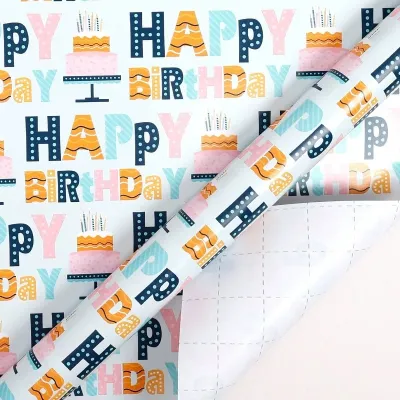
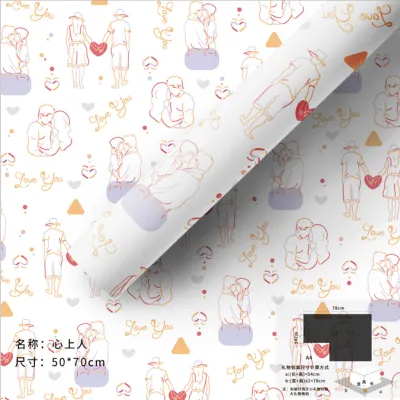
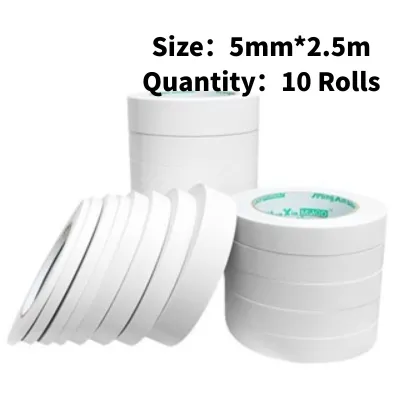
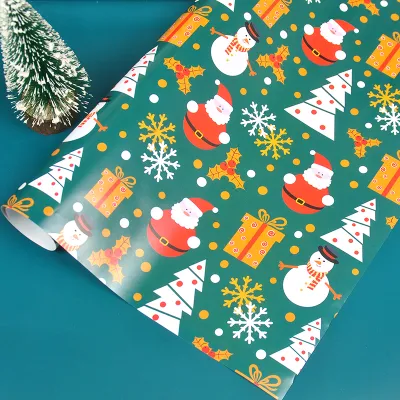
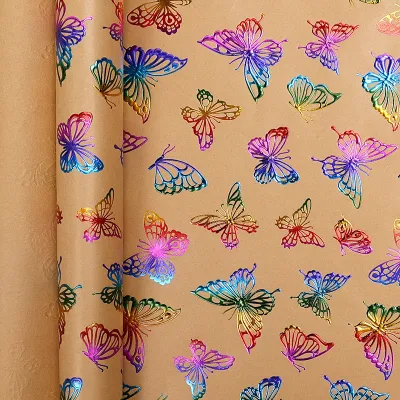
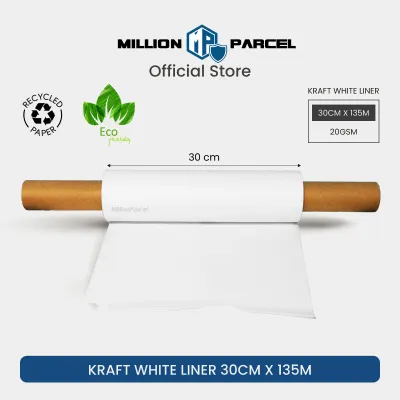
Prices are valid at publication and may change. Please refer to the product page for the latest price.
Print quality and color fastness are critical factors that prevent unsightly smudging and ink transfer. High-quality brands utilize advanced printing techniques, such as flexography or rotogravure, which apply sharp, consistent layers of ink that bond securely to the paper fibers. In Singapore’s humid environment, low-grade inks can easily soften and transfer onto your hands, clothing, or the gift itself. To verify color fastness before wrapping a valuable gift, perform a simple observable trial: gently rub a dry white cotton cloth or a slightly damp paper towel over an inconspicuous corner of the paper. If any pigment transfers to the cloth, the ink is unstable, indicating poor curing or low-quality colorants.
Design consistency across production runs separates premium brands from budget alternatives. Reputable manufacturers maintain strict registration standards, ensuring that multi-colored patterns align perfectly without blurry edges, overlapping lines, or color gaps. They also offer a diverse range of themes tailored to different birthday demographics, from whimsical illustrations for children’s parties to sophisticated, matte-finished geometric patterns for adult celebrations.
Brand transparency regarding material sourcing and manufacturing standards is another hallmark of quality. Trustworthy brands clearly print their specifications—including paper weight, roll dimensions, country of origin, and material composition—directly on the product packaging or online listings. This level of detail allows you to make informed decisions and avoid the frustration of working with brittle, low-grade paper.
Trustworthy Retail Channels for Wrapping Paper in Singapore
To ensure you are purchasing authentic, high-quality wrapping paper, selecting the right retail channel is essential. Visiting physical stationery chains, bookshops, and specialty gift boutiques in Singapore offers the distinct advantage of tactile verification. Feeling the paper between your fingers allows you to immediately assess its thickness, stiffness, and surface texture. Physical stores also let you inspect the rolls for any signs of edge damage, warping, or moisture exposure that may have occurred during transit or storage.

For convenience and a wider selection, official brand websites and authorized online storefronts are excellent options. Purchasing directly from these channels guarantees that you receive genuine products that have been stored in climate-controlled environments, preserving the paper’s structural integrity. These platforms typically provide comprehensive product descriptions, including exact gsm ratings and material compositions, which are often omitted by generic retailers.
When navigating major online marketplaces and e-commerce platforms, it is important to filter search results to prioritize official flagship stores or authorized distributors. Take the time to read verified buyer reviews, paying close attention to feedback regarding paper thickness, ease of tearing, and how securely the rolls were packaged for delivery. Reviews that mention rolls arriving bent or creased often indicate poor packaging by the seller or a flimsy inner cardboard core.
Be cautious of red flags when shopping online, such as unverified third-party sellers offering generic “birthday wrapping paper” at unusually low prices without specifying the brand or technical details. These listings frequently use stock images that do not accurately represent the actual product, often resulting in the delivery of thin, easily torn paper that fails to hold a clean fold.
Essential Specifications to Verify Before Purchase
Before purchasing wrapping paper, verifying its physical dimensions is crucial to avoid running out of material mid-wrap. Standard wrapping paper rolls typically come in widths of 50 cm, 70 cm, or 76 cm, with lengths varying from 1.5 meters to 10 meters. Pre-cut sheets, which are ideal for smaller gifts and flat items, are commonly sold in standard sizes such as 50 cm x 70 cm. Measure the length, width, and depth of your gift box beforehand, ensuring the paper width is sufficient to cover the entire item with a comfortable overlap, eliminating the need for awkward patching.
The material composition and surface finish significantly influence both the look of the gift and the ease of the wrapping process. Coated papers, available in high-gloss or elegant matte finishes, feature a surface clay coating that enhances color vibrancy and provides mild moisture resistance. However, these smooth surfaces can be slippery, making it difficult for standard adhesive tape to grip securely. Uncoated papers, such as natural brown or colored kraft paper, offer a rustic, tactile feel and exceptional tape adhesion, though they tend to absorb more ink, resulting in softer, more muted color tones. Textured papers add a premium, sensory dimension but require strong, high-tack adhesives to overcome the uneven surface profile.
The structural rigidity of the inner cardboard core tube is an often-overlooked specification that directly impacts paper preservation. High-quality rolled wrapping paper is wound around a thick, rigid cardboard tube that resists bending and crushing. If the core is flimsy or thin, the roll can easily collapse under slight pressure, causing permanent creases and wrinkles throughout the paper layers.
Additionally, consider the paper’s compatibility with standard wrapping accessories and tools. If you use wrapping paper dispensers, slide cutters, or specialized scissors, ensure the paper weight is compatible. Very thin papers may bunch up and tear jaggedly in a slide cutter, while exceptionally thick papers can resist clean cuts, requiring sharp, heavy-duty shears. Tape compatibility should also be verified; perform a quick trial by applying a small piece of clear tape to a scrap of the paper to ensure it adheres firmly without peeling off under tension.
Matching Paper Properties to Gift Shapes and Weights
Selecting the right wrapping paper requires matching its physical properties to the shape and weight of the gift. Rigid, heavy papers ranging from 80 gsm to 100 gsm are highly suited for standard rectangular boxes, such as book packages, board games, or boxed toys. The stiffness of the paper allows you to fold sharp, clean edges and precise hospital corners that hold their shape beautifully under the tension of decorative ribbons or twine.
Conversely, flexible and lightweight papers, typically between 60 gsm and 70 gsm, are far better suited for irregular, soft, or cylindrical items, such as plush toys, rolled posters, or clothing. Stiff, heavy paper will bunch up awkwardly and crease messily when wrapped around curved or soft surfaces, whereas a more pliable paper conforms smoothly to unusual contours without creating unsightly bulk.
For heavy, bulky, or sharp-edged gifts, standard wrapping paper is highly susceptible to puncturing. In these scenarios, reinforced or heavy-duty kraft paper is necessary. The long, strong wood fibers in kraft paper provide superior tensile strength and tear resistance, preventing the sharp corners of metal tins, wooden boxes, or heavy plastic packaging from piercing through the wrap during transport.
Always consult the manufacturer’s guidelines or product descriptions for indicators of folding limits and tear resistance. If you are wrapping a challenging or heavy item, it is wise to perform a quick trial fold with a small scrap of the paper. This allows you to observe how the paper behaves under tension and adjust your wrapping technique or adhesive choice accordingly before committing to the final presentation.
Verifying Sustainable and Eco-Friendly Material Claims
As environmental awareness grows, many consumers seek sustainable wrapping paper options. To ensure your choice is genuinely eco-friendly, look for credible third-party certifications printed directly on the product packaging or the inner core tube. The Forest Stewardship Council (FSC) logo is the global standard, verifying that the wood pulp used to manufacture the paper was harvested from responsibly managed forests that meet strict environmental and social criteria.
It is important to understand the technical distinctions between common eco-claims to avoid greenwashing. “Recyclable” wrapping paper can be processed back into paper pulp, which is generally true for plain, uncoated, or lightly coated papers. “Biodegradable” and “compostable” materials are designed to break down naturally over time, but this process often requires specific industrial composting conditions and does not apply if the paper is contaminated with synthetic dyes, plastics, or heavy adhesives.
To maximize recyclability, learn to identify and avoid non-recyclable decorative elements. Wrapping papers that feature metallic foils, plastic laminations, heavy glitter, or synthetic high-gloss coatings cannot be processed by standard paper recycling facilities. These embellishments contaminate the recycling stream, forcing facilities to discard the entire batch into landfills. If sustainability is your primary goal, opt for plain, uncoated kraft paper printed with water-based or soy-based inks, which can be easily recycled alongside standard household paper.
Verify any eco-friendly claims by visiting the brand’s official website or reviewing their detailed product descriptions. Reputable brands that prioritize sustainability will openly share their material sourcing, manufacturing processes, and recycling guidelines, providing clear evidence to back up their environmental claims.
Frequently Asked Questions (FAQ)
How to Store Wrapping Paper Rolls to Prevent Damage
In Singapore’s tropical climate, proper storage is essential to protect wrapping paper from high humidity, which can cause paper to warp, wrinkle, or develop mold. Store your rolls in a cool, dry place away from direct sunlight, as prolonged exposure to UV rays can fade vibrant birthday designs. Keep the rolls stored vertically in a dedicated tall container, basket, or organizer box to prevent them from being crushed or flattened under their own weight. If horizontal storage is your only option, use a rigid plastic storage bin and avoid placing any heavy items on top of the rolls. To keep the paper from unraveling and creasing, secure the ends with gentle elastic bands, silicone slap bands, or keep them in their original protective plastic sleeves.
Is Standard Wrapping Paper Safe for Direct Food Contact?
Standard decorative wrapping paper is not safe for direct food contact. The inks, chemical dyes, and surface coatings used to create bright colors and glossy finishes are not food-grade and can transfer harmful chemical residues to food items. When gifting homemade birthday treats, bakes, or chocolates, always establish a secure inner barrier. Place the food items inside certified food-safe packaging—such as greaseproof paper, food-grade cellophane bags, tins, or bakery boxes—before wrapping the exterior with your decorative birthday paper. Always check the product label for explicit food-contact safety certifications if you intend to use any paper product in direct contact with consumables.

Community discussion
Share your experience or ask a question. Comments are reviewed before publication.