
Finding the perfect birthday card for your sister is more than a simple errand; it is an opportunity to celebrate a lifelong bond that is uniquely yours. Whether she is your confidante, your partner in childhood mischief, or your style icon, the card you choose should reflect her individuality and the specific dynamic you share. In Singapore’s diverse retail landscape, the options range from mass-produced commercial cards to highly curated, hand-pressed works of art from independent local designers. Navigating these choices requires a keen eye for design, an understanding of where to source the best local and international brands, and a basic knowledge of paper craftsmanship to ensure your message is preserved beautifully.
By focusing on the physical quality of the card, the alignment of the design with her personality, and the shopping channels available locally, you can transform a simple greeting into a memorable keepsake. This guide provides a practical framework for selecting the ideal card, evaluating its material craftsmanship, and adding personalized touches that elevate your message.
Matching the Card Design to Your Sister's Personality
To select a card that truly resonates, begin by analyzing your sister’s personal aesthetic and lifestyle. If she appreciates clean lines, neutral tones, and understated elegance, a minimalist design featuring delicate line art or simple typography will speak to her taste. For the sister who loves a good laugh, humorous cards that poke fun at sibling rivalry, aging, or shared childhood memories can instantly brighten her day. Illustrative and whimsical designs, often featuring hand-drawn botanical patterns, quirky characters, or vibrant watercolor scenes, are ideal for creative or artistic sisters who appreciate visual storytelling.
Products mentioned in this guide
![[Local Stocks] Happy Birthday Cards (6pcs)](https://img.lazcdn.com/g/ff/kf/S62be2b633cdc4f06aaac799a9d165edca.jpg_400x400q80.jpg_.webp)

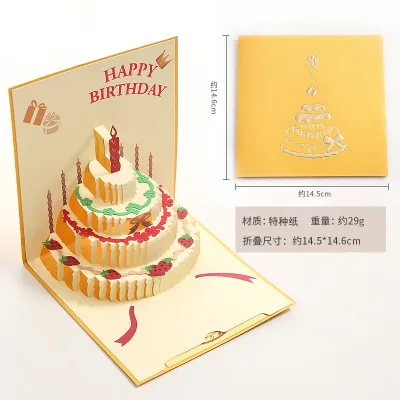
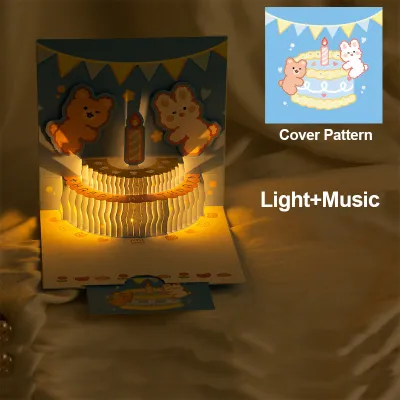
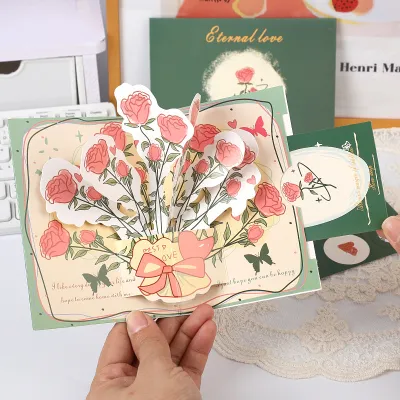
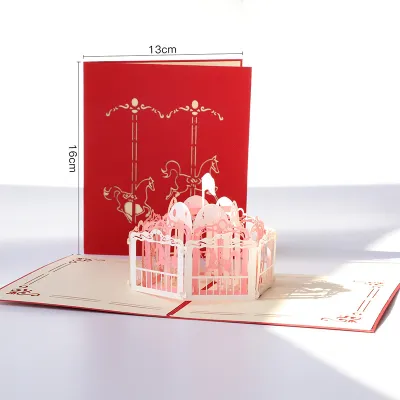
Prices are valid at publication and may change. Please refer to the product page for the latest price.
Beyond her general aesthetic, consider how the card’s tone aligns with your relationship dynamic. A sentimental card with a deeply reflective, pre-printed message is perfect if you want to express profound gratitude and love, especially during milestone birthdays. Conversely, if your relationship is built on banter and inside jokes, a blank-inside card allows you to write a highly personalized, funny anecdote without the constraint of generic, overly formal text.
Finally, tailor your choice to her current life stage and active interests. If she is celebrating a major milestone—such as entering a new decade, starting a demanding career, or moving into a new home in Singapore—look for designs that subtly nod to growth, adventure, or cozy domesticity. A card featuring travel motifs is perfect for a sister planning her next getaway, while a design showcasing botanical illustrations will delight an avid indoor gardener. Matching the card to these specific details shows that you pay close attention to her life and celebrate her evolving journey.
Where to Find Quality Greeting Card Brands in Singapore
Singapore offers a rich variety of shopping avenues for high-quality greeting cards, catering to different tastes, budgets, and timelines. To discover unique, niche, and artisanal designs, explore local independent stationery boutiques and lifestyle stores. These curated shops, often tucked away in creative enclaves like Haji Lane, Tiong Bahru, or boutique malls in the Orchard Road district, specialize in sourcing paper goods from independent global brands and local illustrators. Shopping at these venues allows you to find limited-run designs printed on premium stock that you are unlikely to see anywhere else.

For those who prefer the convenience of digital browsing, online marketplaces and specialized e-commerce platforms offer an extensive selection of independent artist designs. When shopping online, utilize search filters to locate local creators and small-batch design studios based in Singapore. This not only supports the local creative community but also ensures faster domestic shipping times. Many independent artists showcase their portfolios on dedicated creator platforms, offering highly original illustrations that can be ordered directly from their studios.
If you need a reliable, widely accessible option with an extensive catalog, large bookstore chains and dedicated gift shops located in major suburban malls across Singapore are excellent destinations. These retailers carry established international greeting card brands known for their consistent quality and diverse themes. Here, you can easily browse categorized sections—ranging from family-specific milestones to humorous and artistic designs—making it simple to find a dedicated sister card quickly.
For a truly distinctive shopping experience, keep an eye out for local artisan markets, weekend craft fairs, and seasonal pop-up events. These gatherings, frequently hosted in arts centers, community spaces, or creative hubs, allow you to meet emerging local designers and printmakers in person. Purchasing directly from creators at these events often gives you access to exclusive, hand-printed collections, custom hand-lettered options, and highly creative designs that are not distributed through traditional retail channels.
How to Evaluate Card Quality and Materials
A card’s physical feel can elevate a simple birthday greeting into a cherished keepsake. When evaluating card quality, the first element to examine is the paper weight and texture. High-quality greeting cards are typically printed on heavy cardstock, generally ranging from 250 gsm (grams per square meter) to 350 gsm or higher. Cotton-based papers offer a soft, luxurious feel and excellent ink absorption, while textured cardstocks, such as felt-marked or linen-finished papers, add a tactile dimension that feels substantial in the hand. Heavyweight paper is crucial because it resists bending during transit and prevents heavy inks from bleeding through to the back of the card.
Next, inspect the printing techniques and decorative finishes applied to the design. Premium cards often feature specialized embellishments that add visual depth and luxury. Foil stamping, which applies metallic foil to specific design elements, creates a beautiful catch-light effect. Embossing and debossing raise or recede parts of the paper, creating a tactile, three-dimensional texture. Letterpress printing, a traditional technique where inked plates are pressed directly into thick cotton paper, leaves a deep, elegant impression that showcases the craftsmanship behind the card. Examine these finishes closely to ensure the lines are crisp, the foil is securely adhered without flaking, and the impressions are clean.
Do not overlook the quality of the accompanying envelope, as it provides the first impression of your gift. A premium card should be paired with an equally high-quality envelope made from sturdy paper (ideally 100 gsm or heavier). Look for thoughtful details such as a contrasting inner lining, an elegant flap shape (such as a deep pointed flap), and reliable sealability. The envelope should fit the card snugly without forcing it, leaving just enough room to slide the card out smoothly without damaging the edges.
Elevating Your Card with Personalization and DIY Touches
If you find a card design you love but want to make it feel more personal, incorporating physical mementos is an excellent way to add sentimental value. You can tuck a small, printed photo of a cherished shared memory inside the card, or use delicate photo corners to mount it directly onto the inner page. For a botanical touch, press a small flower or leaf, laminate it lightly, and slide it inside as a handmade bookmark. Custom stickers, themed washi tape borders, or small hand-drawn doodles that reference inside jokes can also transform a standard store-bought card into a highly personalized keepsake.
The tools you use to write your message play a significant role in the final presentation. Selecting the right pen ensures your handwriting looks clean and matches the card’s overall aesthetic. Fine-liner pens, high-quality gel pens, or calligraphy brush pens allow for precise control and elegant lettering. When writing on textured or coated papers, it is essential to choose inks that dry quickly to prevent smudging. Matching the ink color to a secondary accent color on the card’s cover design creates a cohesive, professional look.
For those who want to add physical depth and a sense of ceremony, consider creating custom DIY elements. You can craft a simple paper insert using a contrasting color of lightweight paper, folding it neatly to sit inside the card as a dedicated space for your handwritten message. Layering delicate vellum paper over your writing can add an elegant, frosted appearance. Finally, sealing the envelope with a custom wax seal—using a stamp that features her initial or a favorite botanical motif—adds an old-world charm and a sense of anticipation as she opens her card.
Frequently Asked Questions (FAQ)
How far in advance should I order a custom or independent designer card?
For standard retail purchases or local off-the-shelf cards, you can typically buy them on the day or a few days before the birthday. However, if you are ordering a custom, personalized, or hand-lettered card from an independent local creator, it is best to place your order at least two to three weeks in advance. This timeframe accounts for the designer’s production schedule, proof approvals, and local shipping logistics. During peak holiday seasons or festive periods in Singapore, shipping networks can experience delays, so adding an extra week of buffer time ensures your card arrives well before her special day.
What are the best pen types to use on textured or dark-colored cardstock?
Writing on specialty cardstock requires matching your ink type to the paper’s finish. For textured papers like cotton or linen, pigment-based gel pens or fine-point felt tip pens are ideal because they deliver rich, consistent color without feathering or bleeding into the paper fibers. If you are writing on dark-colored or black cardstock, metallic gel pens, acrylic paint markers, or opaque white ink pens provide the necessary contrast and vibrant coverage. Always perform a quick test write on a hidden area of the card, a scrap piece of paper, or the inside flap of the envelope to check the ink’s drying speed, bleed resistance, and overall legibility before writing your main message.
Can I find eco-friendly or sustainable greeting card options locally?
Yes, Singapore’s stationery scene increasingly features environmentally conscious options. When shopping, look for material keywords such as FSC-certified (Forest Stewardship Council) paper, which ensures the wood pulp is sourced from responsibly managed forests. Other sustainable options include cards printed on 100% post-consumer recycled cardstock, plantable seed paper that can be buried in soil to grow wildflowers, and designs printed using eco-friendly soy-based or vegetable-based inks. You can also verify a brand’s sustainability practices by checking if they use biodegradable sleeve packaging made from cornstarch instead of traditional single-use plastic sleeves.

Community discussion
Share your experience or ask a question. Comments are reviewed before publication.