
Finding a reliable magnetic snap button kit in Singapore requires looking beyond basic aesthetics to evaluate material durability, magnetic strength, and installation hardware. Local crafters face unique environmental challenges, particularly the tropical climate. High humidity can quickly degrade low-quality metal hardware, leading to unsightly rust stains on handmade bags or garments. When searching for a reliable snap button kit magmetic option, understanding how to assess the physical components of a kit ensures your sewing projects remain secure and professional-looking for years.
By focusing on material composition, sourcing channels, and proper installation techniques, you can confidently select hardware that withstands daily wear and tear. This guide provides a practical framework for evaluating magnetic snaps, matching them to your fabric choices, and executing a flawless installation.
What Defines a Reliable Magnetic Snap Button Kit
Evaluating the reliability of a magnetic snap button kit begins with the base metal. Most budget-friendly snaps are manufactured from iron or low-grade steel, which are highly susceptible to oxidation when exposed to moisture. For projects in humid environments, solid brass is the gold standard. Brass is naturally corrosion-resistant and provides a heavier, more substantial feel. To verify the metal composition of an unlabelled kit, you can perform a simple magnet test: while the internal magnet core will always attract iron, a solid brass outer casing will not cling to an external magnet, whereas an iron casing will stick firmly.
Products mentioned in this guide
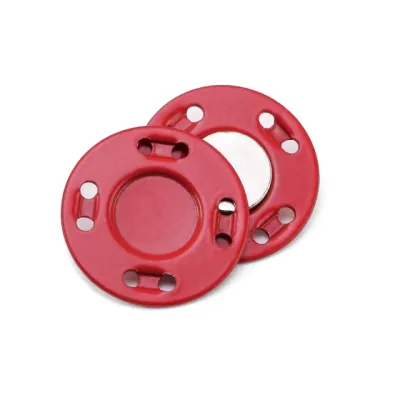
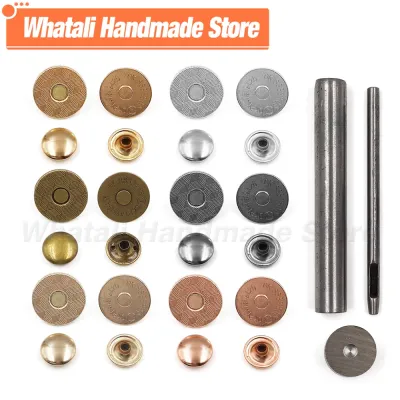
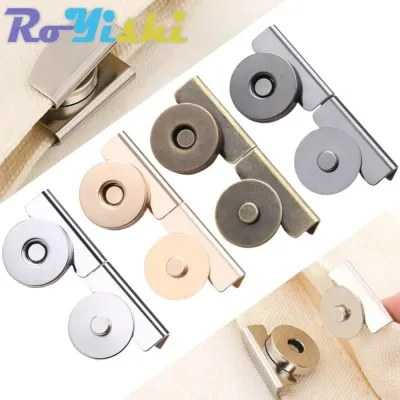
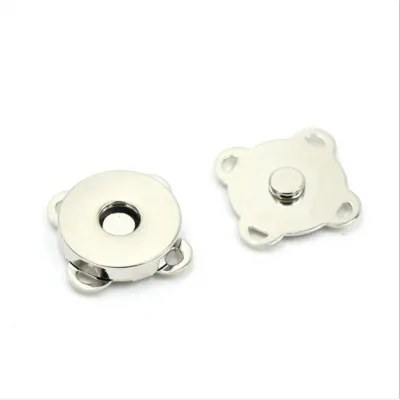
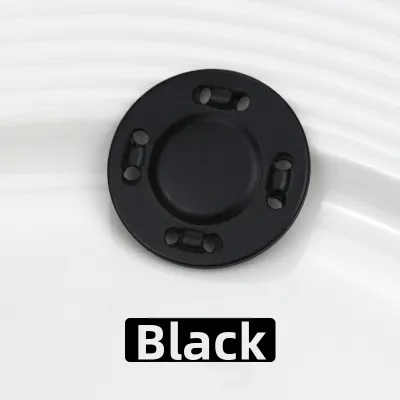
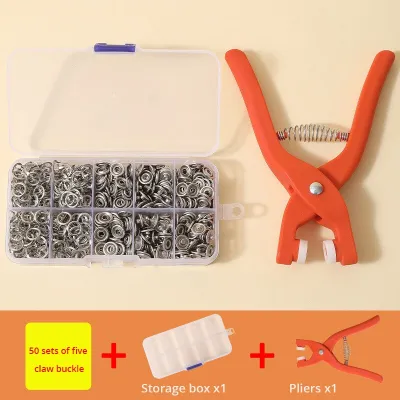
Prices are valid at publication and may change. Please refer to the product page for the latest price.
Beyond the base metal, the quality of the electroplated finish determines how well the hardware resists scratching and wear. High-quality kits feature thick, uniform plating in finishes such as antique bronze, gunmetal, or nickel-free silver. Nickel-free options are particularly important for garments or accessories that come into direct contact with sensitive skin, as nickel is a common allergen. The plating should be smooth to the touch, without any pitting, flaking, or rough edges that could snag delicate fabric fibers.
Magnet strength and alignment are equally critical to the performance of the closure. Reliable kits utilize high-quality magnetic inserts—often neodymium for heavy-duty applications or stabilized ferrite for lighter closures—that sit perfectly flush within their metal housings. If the magnet is misaligned or loose, the snap will not close evenly, causing the fabric to warp or puckering around the closure. A quality snap should offer a crisp, satisfying click upon closing and require a firm, deliberate pull to open, without feeling so stiff that it strains the surrounding fabric.
Finally, a complete and reliable kit must include sturdy backing washers. These flat metal discs slide over the prongs on the reverse side of the fabric, distributing the pulling force across a wider surface area. Without backing washers, the constant tension of opening and closing the snap will quickly cause the prongs to tear through the fabric fibers, ruining the project. High-quality kits also provide matching setting dies or anvil tools designed to protect the decorative face of the snap during installation.
Where to Source and Verify Brands in Singapore
Sourcing reliable sewing hardware in Singapore involves a mix of physical inspection and careful online vetting. Visiting established physical haberdashery shops is highly recommended for projects where quality is paramount. Traditional textile and craft merchants, such as those located on the upper floors of People’s Park Centre in Chinatown or specialized craft boutiques in central shopping districts, allow you to handle the hardware before purchasing. This hands-on approach makes it easy to feel the physical weight of the snaps and test the magnetic pull strength directly.

When searching online marketplaces for a snap button kit magmetic set, navigating listings requires a discerning eye. Avoid listings that use vague descriptions like “alloy metal” or “silver-colored snaps” without specifying the exact base metal. Instead, look for specialized sewing supply storefronts that cater specifically to professional bag makers and tailors. These sellers are more likely to provide detailed specifications, including prong length, metal composition, and magnet grade, and often carry reputable international haberdashery brands.
Be alert to common red flags when browsing online or physical stores. An exceptionally low price point—such as a pack of fifty snaps selling for under S$3—is a strong indicator of thin, rust-prone iron construction and weak magnets. Additionally, kits that omit backing washers or fail to provide clear sizing dimensions should be avoided. Reliable brands package their snaps with all necessary components and provide clear labeling regarding material composition and tool compatibility.
Matching the Snap Kit to Your Fabric and Project
Selecting the right magnetic snap requires matching the hardware’s physical dimensions and installation style to the weight of your fabric. For heavy-duty projects like canvas tote bags, denim jackets, or thick leather pouches, a large pronged snap (typically 18mm in diameter) with long, sturdy prongs is necessary. The prongs must be long enough to penetrate all layers of the fashion fabric, heavy interfacing, and lining, with enough length left over to fold flat against the backing washer.
For lightweight or delicate fabrics such as linen, silk, or thin quilting cotton, standard pronged snaps are generally too heavy and aggressive. The localized stress of pulling the magnet apart can easily rip the delicate fibers of these fabrics. In these scenarios, sew-in magnetic snaps are the preferred choice. These snaps are encased in a small, sewable plastic or fabric sleeve that is stitched directly to the lining or facing, hiding the hardware completely while distributing the pulling force evenly across the stitched seam.
Consider the magnetic pull strength required for the item’s intended use. A heavy backpack carrying a laptop or books requires a high-strength neodymium snap to prevent accidental opening under load. Conversely, a lightweight cardigan or a delicate evening clutch only needs a gentle magnetic closure; a snap that is too strong will make opening the item difficult and put unnecessary strain on the fabric, eventually leading to structural failure.
Safety is a paramount consideration when designing items for infants and young children. Magnetic snaps pose a severe choking and internal injury hazard if they become detached from the fabric and are swallowed. For children’s wear and baby accessories, it is highly recommended to avoid magnetic closures entirely. Instead, opt for safety-certified plastic press studs, hook-and-loop fasteners, or traditional buttonholes that do not carry the same ingestion risks.
Installation and Care for Lasting Durability
Successful installation begins with proper fabric preparation. Never install a magnetic snap directly onto a single layer of fashion fabric. Always reinforce the area with a sturdy layer of fusible interfacing on the reverse side of the fabric. For heavy-duty projects, sandwiching a small scrap of firm stabilizer—such as dense felt, heavy canvas, or specialized bag stabilizer—between the fabric and the backing washer provides the necessary structural support to handle daily tugging.
When installing pronged snaps, use an awl or a seam ripper to make two tiny, precise slits for the prongs. Avoid making the slits too wide, as this can cause the snap to wobble and eventually wear down the fabric edges. Insert the prongs through the fabric and the stabilizer, slide the backing washer over the prongs, and bend them outward using flat-nose pliers. Bending the prongs outward generally provides a flatter profile and better load distribution than bending them inward.
If your kit requires a hammer or press tool, proceed with caution. Striking the center of a magnetic snap directly with a metal hammer can shatter or demagnetize the internal magnet. Always use a rubber mallet or place a protective barrier, such as a thick scrap of leather or heavy cardboard, over the snap face before applying force. This protects the electroplated finish from scratching and preserves the integrity of the magnet.
In Singapore’s humid environment, proper care is essential to prolong the life of your hardware. When washing items with magnetic snaps, turn them inside out and use a gentle cycle to prevent the metal from banging against the washing machine drum. Dry the items thoroughly immediately after washing; leaving wet fabric bunched around metal hardware invites rust, even on plated surfaces. If storing bags or garments for long periods, place a small silica gel packet inside to absorb excess moisture and prevent oxidation.
Frequently Asked Questions (FAQ)
Can magnetic snaps damage sewing machine needles?
Yes, sewing machine needles can easily bend or shatter if they strike the hard metal casing of a magnetic snap. To prevent this, always plan your construction steps so that the snaps are installed after the surrounding seams are sewn, or use a zipper foot to sew closely around the hardware without letting the needle clamp or presser foot ride up onto the metal.
How do I remove a magnetic snap if I make a mistake?
To remove a pronged snap, carefully slide the tip of a pair of thin needle-nose pliers under the folded prongs on the backing washer. Gently pry the prongs upward until they are straight, then slide the washer off and pull the snap out from the front. If the fabric has been damaged or stretched during the process, apply a small patch of fusible interfacing over the holes on the reverse side to reinforce the area before attempting to install a replacement snap.
Are sew-in magnetic snaps better than no-sew pronged ones?
Neither is universally superior; rather, they serve different purposes. Sew-in magnetic snaps offer a completely invisible finish and excellent stress distribution, making them ideal for high-end garments and delicate fabrics where visible hardware is undesirable. No-sew pronged snaps, on the other hand, are much faster to install and provide a highly secure hold on thick, heavy materials like canvas and leather, making them the preferred choice for rugged bag construction.
Community discussion
Share your experience or ask a question. Comments are reviewed before publication.